How to Naturally Produce More GLP-1: A Comprehensive Guide
Introduction
Did you know that merely altering your diet can significantly enhance the production of a powerful hormone that plays a critical role in regulating appetite and blood sugar levels? This hormone, known as glucagon-like peptide-1 (GLP-1), is produced in the gut and is released after we eat. It helps our bodies manage insulin secretion, slows digestion, and signals our brains to stop eating. The growing interest in GLP-1, especially in relation to weight management and metabolic health, has been fueled by the rising popularity of GLP-1 medications like semaglutide and tirzepatide, which mimic the hormone’s effects.
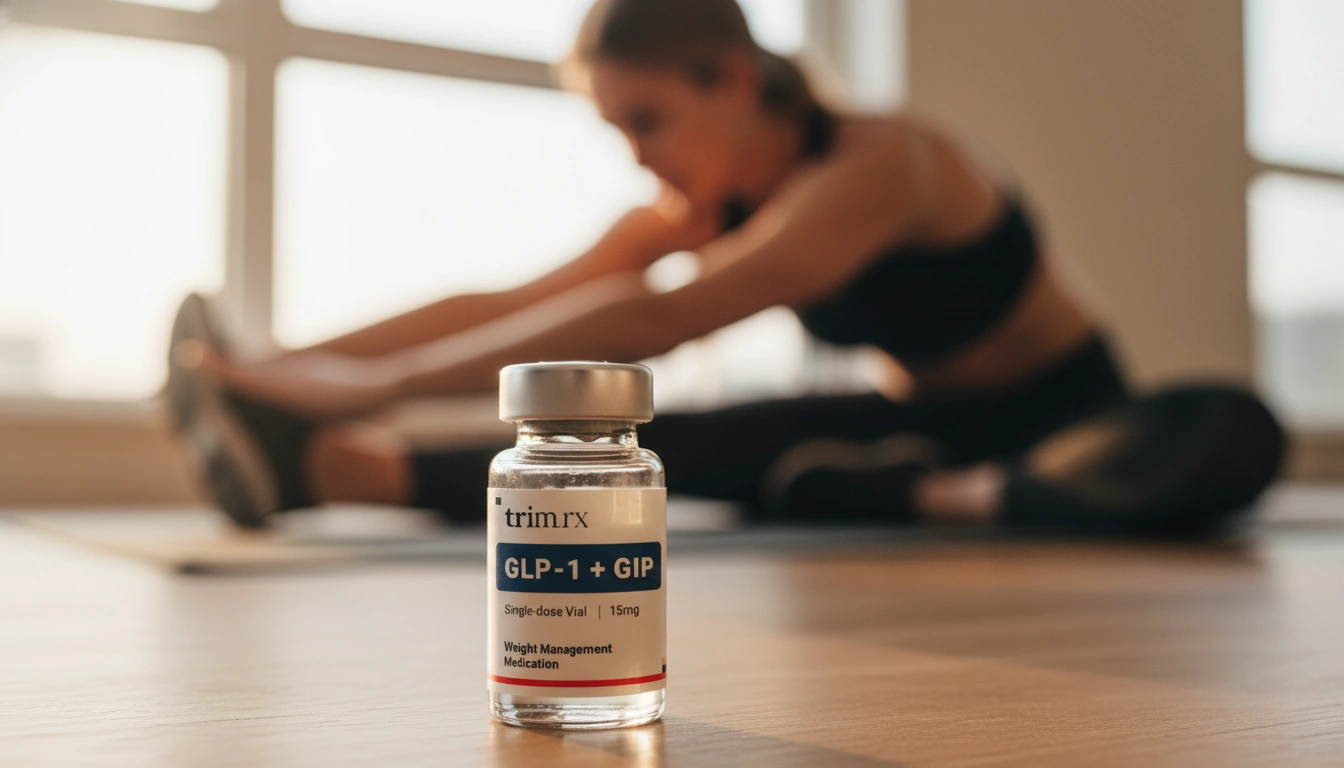
At TrimRx, we understand the importance of GLP-1 in promoting a healthier lifestyle. Our mission focuses on providing personalized weight loss solutions through medically supervised care and innovative approaches. This blog post aims to explore the ways we can naturally boost GLP-1 production through dietary choices and lifestyle changes, empowering you to take control of your health journey.
By the end of this article, you will have a comprehensive understanding of what GLP-1 is, its significance in weight management, and practical strategies to increase its levels naturally. We’ll delve into the types of foods that stimulate GLP-1 secretion, the role of gut health, and how lifestyle factors like exercise can contribute to this process. Let’s embark on this journey together towards better health and well-being.
Understanding GLP-1: What It Is and Why It Matters
GLP-1, short for glucagon-like peptide-1, is a hormone produced by the intestinal cells in response to food intake. It is crucial for various metabolic processes, including:
- Insulin Secretion: GLP-1 promotes the release of insulin from the pancreas when blood sugar levels rise after eating. This helps lower blood glucose levels and provides cells with the necessary energy.
- Appetite Regulation: One of the key functions of GLP-1 is to signal fullness to the brain, thereby reducing hunger and helping to control food intake.
- Slowing Digestion: GLP-1 slows down gastric emptying, which means food stays in the stomach longer, contributing to a feeling of satiety.
- Regulating Glucagon Levels: The hormone also inhibits the release of glucagon, another hormone that raises blood sugar levels, thus maintaining a better balance in glucose homeostasis.
With the obesity epidemic and rising rates of type 2 diabetes, understanding how to naturally increase GLP-1 production is more important than ever. While GLP-1 medications have proven effective for many, incorporating dietary and lifestyle changes can also support this hormone’s natural production.
The Role of Diet in Boosting GLP-1 Levels
Foods That Naturally Stimulate GLP-1
Research shows that certain foods can trigger the release of GLP-1. Incorporating these nutrient-dense options into our diet can help elevate GLP-1 levels naturally. Here are some key categories of foods to consider:
- High-Fiber Foods: Fiber plays a vital role in stimulating GLP-1 secretion. Foods rich in soluble fiber, such as oats, barley, legumes, fruits, and vegetables, can increase GLP-1 levels by promoting the production of short-chain fatty acids (SCFAs) in the gut. SCFAs are produced when gut bacteria ferment fiber, and they help signal GLP-1 release.
- Protein Sources: Protein is another powerful stimulant for GLP-1. Foods such as eggs, lean meats, fish, and dairy products can enhance GLP-1 production. Studies have shown that meals high in protein lead to greater GLP-1 secretion compared to carbohydrate-rich meals.
- Healthy Fats: Incorporating healthy fats, such as those found in avocados, nuts, and olive oil, can also boost GLP-1 levels. These fats not only contribute to satiety but also support overall metabolic health.
- Fermentable Carbohydrates: Foods rich in fermentable fibers, like beans, lentils, and whole grains, can enhance GLP-1 production. These types of carbohydrates are broken down by gut bacteria, leading to increased SCFA levels and subsequent GLP-1 release.
Practical Ways to Increase Fiber Intake
To naturally produce more GLP-1, we can focus on integrating high-fiber foods into our meals. Here are some practical tips for increasing fiber intake:
- Start Your Day with Oats: A hearty bowl of oatmeal topped with fruits and nuts can set the tone for a fiber-rich day. Oats contain beta-glucan, a soluble fiber known to elevate GLP-1 levels.
- Include Legumes in Meals: Beans, lentils, and chickpeas are not only excellent sources of fiber but also provide protein. Adding these to salads, soups, or stews can enhance both fiber and protein content.
- Opt for Whole Grains: Choose whole grain bread, pasta, and rice over refined versions. Whole grains retain their fiber content and are more beneficial for GLP-1 production.
- Snack on Fruits and Vegetables: Fresh fruits and vegetables are not only low in calories but also high in fiber. Consider snacking on raw veggies with hummus or enjoying fruit as a healthy dessert.
- Experiment with New Recipes: Incorporate high-fiber ingredients into your cooking. For instance, try adding quinoa or barley to salads or using pureed beans in baked goods.
The Importance of Gut Health
The Gut Microbiome and GLP-1 Production
The gut microbiome, composed of trillions of microorganisms, plays a crucial role in our overall health and well-being. Recent research has highlighted the connection between gut health and GLP-1 production. A diverse and balanced gut microbiome can positively influence GLP-1 secretion, while an imbalance may hinder its production.
- SCFAs and GLP-1: As mentioned earlier, SCFAs produced from the fermentation of dietary fiber by gut bacteria stimulate GLP-1 release. A healthy gut microbiome that efficiently ferments fiber is integral to maximizing GLP-1 levels.
- Microbial Diversity: Studies suggest that individuals with a more diverse gut microbiome tend to have better metabolic health. This diversity is often found in those who consume a varied and fiber-rich diet.
- Prebiotics and Probiotics: Incorporating prebiotics (non-digestible fibers that feed beneficial gut bacteria) and probiotics (live beneficial bacteria) into our diet can support gut health. Foods like garlic, onions, asparagus, yogurt, and fermented foods contribute to a healthy gut environment.
Lifestyle Changes to Support Gut Health
Improving gut health can significantly impact GLP-1 production. Here are some lifestyle changes to consider for maintaining a healthy gut microbiome:
- Stay Hydrated: Adequate water intake is essential for digestive health. It helps fiber do its job and supports overall gut function.
- Limit Processed Foods: Highly processed foods can disrupt gut health and negatively impact the microbiome. Focus on whole, unprocessed foods instead.
- Manage Stress: Chronic stress can adversely affect gut health. Incorporating stress-reducing practices like mindfulness, yoga, or meditation can be beneficial.
- Get Regular Exercise: Physical activity not only supports overall health but also promotes a diverse gut microbiome. Aim for at least 150 minutes of moderate exercise per week.
The Impact of Exercise on GLP-1 Production
Regular physical activity is not just essential for overall health; it can also enhance GLP-1 levels. Research indicates that both acute exercise sessions and long-term training can positively influence GLP-1 secretion.
- Exercise Stimulates GLP-1: Engaging in physical activity, particularly aerobic exercises, can lead to an immediate increase in GLP-1 levels. This effect can be observed in both healthy individuals and those with type 2 diabetes.
- Improved Insulin Sensitivity: Exercise enhances insulin sensitivity, allowing cells to utilize glucose more effectively. This interplay between exercise and insulin regulation can further support GLP-1 production.
- Types of Exercise to Consider: Incorporating a mix of aerobic exercises (e.g., walking, running, cycling) and resistance training (e.g., weight lifting) can maximize benefits. Aim for a balanced routine that includes both cardiovascular and strength-building activities.
Dispelling Myths About GLP-1 and Supplements
As the conversation around GLP-1 expands, misconceptions and myths have arisen, particularly regarding supplements that claim to boost GLP-1 levels. While some products may make enticing promises, it’s important to approach them with caution.
Common Myths
- Supplements Can Replace Healthy Eating: Many products marketed as “natural GLP-1 boosters” lack substantial evidence to support their claims. Whole foods rich in fiber, protein, and healthy fats are still the best way to enhance GLP-1 production.
- All Supplements Are Safe: Unlike prescription medications, dietary supplements are not regulated by the FDA for safety and efficacy. It’s crucial to consult with a healthcare provider before incorporating any new supplement into your routine.
- GLP-1 Medications and Natural Boosting Are Equivalent: While GLP-1 medications can have significant effects on appetite and weight loss, they work differently than naturally produced GLP-1. Natural methods may take longer to yield results, but they come with the added benefits of overall health improvement.
Summary: A Holistic Approach to Increasing GLP-1
In summary, boosting GLP-1 levels naturally involves a multifaceted approach that includes dietary choices, lifestyle habits, and exercise. Emphasizing a diet rich in fiber, protein, and healthy fats, while supporting gut health through prebiotics and probiotics, can significantly enhance GLP-1 production.
We at TrimRx are committed to supporting your journey toward healthier living. Our personalized weight loss solutions incorporate a holistic approach, combining dietary guidance with medically supervised care to help you achieve sustainable results.
As you explore ways to naturally increase your GLP-1 levels, remember that small, consistent changes can lead to significant improvements in your overall health and well-being. Together, let’s embark on this journey to a healthier future.
FAQ
What foods can help increase GLP-1 levels?
Foods rich in fiber (like oats, fruits, and vegetables), protein (such as eggs and lean meats), and healthy fats (like avocados and nuts) are known to stimulate GLP-1 production.
How does exercise influence GLP-1?
Regular physical activity, especially aerobic and resistance training, can enhance GLP-1 secretion and improve insulin sensitivity, benefiting overall metabolic health.
Are there any supplements that can effectively boost GLP-1?
While some supplements claim to boost GLP-1, it’s important to prioritize whole foods and consult with a healthcare provider before trying new products, as they are not all proven safe or effective.
How can I support my gut health?
To maintain a healthy gut, focus on a diet rich in fiber, stay hydrated, limit processed foods, manage stress, and engage in regular exercise.
Can I rely solely on GLP-1 medications for weight loss?
While GLP-1 medications can be effective tools for weight management, combining them with lifestyle changes like diet and exercise is essential for sustainable results.
For those interested in personalized weight loss solutions, we encourage you to take our free assessment quiz to see if you qualify for our prescription weight loss medications and explore our quick-access supplements like GLP-1 Daily Support and Weight Loss Boost. Together, we can pave the way to a healthier you!

Transforming Lives, One Step at a Time
Keep reading

How to Adjust Weight Loss Goals on GLP-1 Medications
Adjust weight goals on GLP-1 meds by tracking body composition and labs, optimizing protein, activity, sleep, and working with your provider on dosing.

Falsified Mounjaro pens prompt urgent safety advisory
MHRA warns of counterfeit Mounjaro pens (batch D873576); stop use and check batch numbers for infection risk.

Novo Nordisk shares drop as Alzheimer’s hopes for weight-loss drug fade
Novo Nordisk’s semaglutide failed to slow Alzheimer’s in large trials, prompting shares to fall and expert reactions.


