How to Prepare Lemon Water for Weight Loss The Right Way
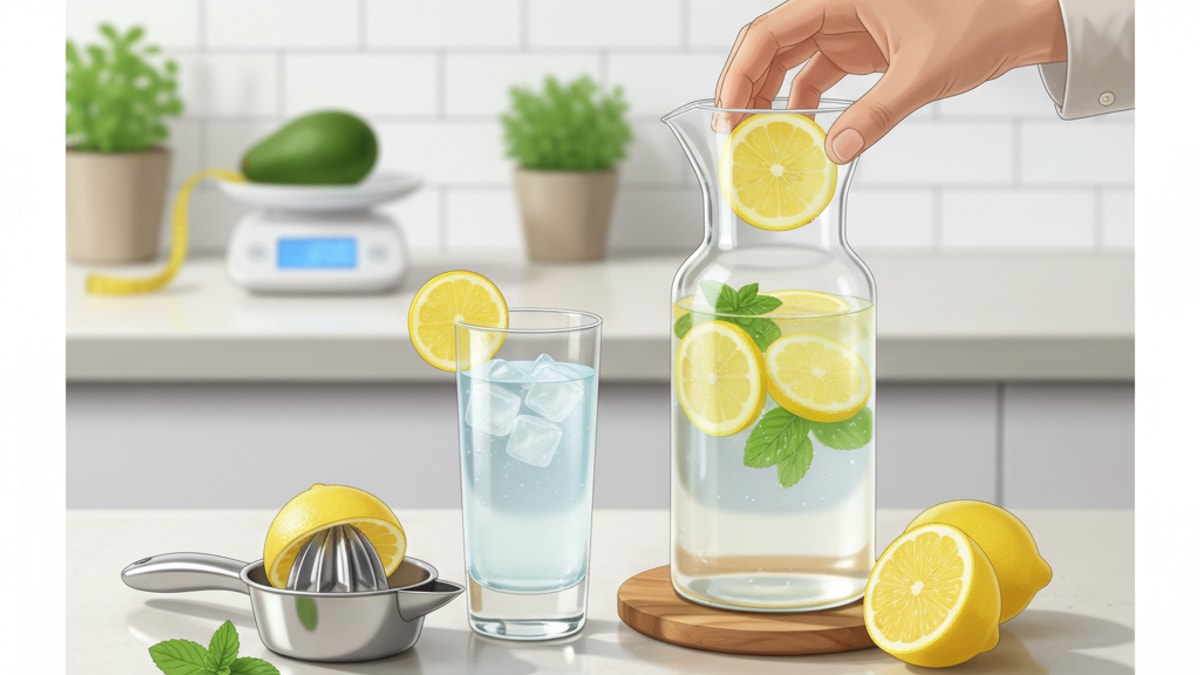
Let's talk about lemon water. It’s one of the most persistent wellness trends out there, hailed by influencers and health gurus as a near-magical elixir for weight loss. You've seen the posts: a beautifully filtered photo of a sun-drenched glass of water with a perfect lemon slice, promising to melt fat, detox your body, and kickstart your metabolism. It sounds incredible. Almost too incredible.
Here at TrimrX, our entire focus is on evidence-based, medically-supervised weight loss. We work with the powerful science of GLP-1 medications like Semaglutide and Tirzepatide, so our team is naturally skeptical of claims that aren't backed by solid clinical data. So, what's the real story? Is lemon water a legitimate tool in your weight loss arsenal, or is it just citrus-flavored hype? The answer, like most things in health, is nuanced. It’s not a miracle cure—let's get that out of the way right now. But when prepared and used correctly, it can be a surprisingly effective supportive habit. We're going to break down exactly how to prepare lemon water for weight loss, the science behind why it helps, and how it fits into a comprehensive, effective health strategy.
The Real Science Behind Lemon Water and Metabolism
First things first, we need to manage expectations. Drinking lemon water will not, on its own, cause a dramatic drop on the scale. We can't stress this enough. There is no single food or drink that can override the fundamental principles of energy balance, hormonal health, and metabolic function. However, its benefits are indirect but still incredibly valuable. It’s a classic case of a small, consistent habit creating a powerful ripple effect.
So, what's actually happening in your body? The primary benefit is hydration. Full stop. Our experience shows that a significant percentage of adults are chronically dehydrated, which can wreak havoc on metabolism. When you're dehydrated, your body's processes, including fat burning, slow down. Water is essential for lipolysis, the process of breaking down fat for energy. By simply making water more appealing with a splash of lemon, you're far more likely to drink enough of it throughout the day. This alone is a huge win for your metabolic health.
Second, lemon water is a fantastic replacement for high-calorie, sugary beverages. Think about it. If you swap your morning glass of orange juice (around 110 calories and 21 grams of sugar) or a can of soda (around 150 calories and 40 grams of sugar) for a zero-calorie glass of lemon water, you're creating a significant calorie deficit over time without even trying. This is a behavioral switch we often recommend to our patients. It's not about deprivation; it's about making a smarter, healthier choice that serves your goals. The calories saved are substantial over weeks and months.
Finally, there's the vitamin C and satiety component. Lemons are packed with vitamin C, a powerful antioxidant that helps protect cells from damage. While it's not a direct weight-loss agent, supporting overall cellular health is crucial for a well-functioning body. Some studies also suggest that pectin, a fiber found in lemons, can help you feel fuller for longer. However, you’d need to consume the whole lemon, pulp and all, to get a meaningful amount of pectin. The juice alone won't do much for satiety. The feeling of fullness most people report likely comes from the volume of water itself, which is a well-known strategy for managing hunger before meals.
How to Prepare Lemon Water for Weight Loss: Our Step-by-Step Method
Alright, now for the practical part. Preparing lemon water seems simple, but a few small details can make a big difference in its effectiveness and safety. This is the method our team recommends for maximum benefit.
Step 1: Choose Your Lemon
This might sound obvious, but always, always use fresh lemons. Don't reach for that plastic squeezy bottle of concentrate. Bottled lemon juices are often pasteurized, which can degrade some of the delicate vitamins and enzymes. They also frequently contain preservatives like sodium benzoate or sulfite to extend shelf life. You want the pure, unadulterated goodness of a real lemon. Look for lemons that are bright yellow, feel heavy for their size, and have slightly thin skin—these are typically the juiciest.
Step 2: Get the Temperature Right
We'll dive deeper into the hot vs. cold debate later, but for a daily morning ritual, we recommend warm (not boiling) water. Why? Boiling water can destroy some of the vitamin C and polyphenols in the lemon. Warm water, on the other hand, can be more soothing to the digestive system and may help stimulate peristalsis—the wave-like muscle contractions that move food through your digestive tract. It's a gentle way to wake up your system. Aim for a temperature that's comfortable to drink right away, similar to a mild tea.
Step 3: The Perfect Ratio
For a standard 8-10 ounce glass of water, the juice of half a medium-sized lemon is the ideal amount. Using too much lemon can be overly acidic and potentially damaging to your tooth enamel over time (more on that later). Using too little won't impart much flavor or nutritional benefit. Squeeze the juice directly into your glass of warm water. For an extra boost, you can drop the squeezed lemon half into the glass as well to let some of the beneficial oils from the peel infuse into the water.
Step 4: Timing is Everything
When should you drink it? The most popular and, in our experience, most effective time is first thing in the morning on an empty stomach. Drinking it about 15-30 minutes before your first meal helps to rehydrate your body after a long night's sleep and can help you feel a little fuller, potentially leading you to eat a slightly smaller breakfast. It sets a positive, healthy tone for the rest of the day. It's a small win that builds momentum. You can certainly drink it at other times, especially as a replacement for an afternoon soda, but that morning glass is a critical, non-negotiable element for many of our successful patients.
The Temperature Debate: Does Hot or Cold Lemon Water Matter?
This is a question we get all the time. Does the temperature of the water really make a difference? Let's break it down with science, not just anecdotes.
The Case for Cold Lemon Water:
The theory here is based on thermogenesis. When you drink cold water, your body has to expend energy (burn calories) to warm it up to your core body temperature. The effect is real, but let's be honest, it's incredibly small. We're talking about maybe 8-10 extra calories burned per glass. While every calorie counts, this is not going to be a game-changer for your weight loss. The main benefit of cold water is that some people find it more refreshing and palatable, which might encourage them to drink more of it, especially after a workout. If a cold, crisp glass of lemon water is what it takes for you to stay hydrated, then that’s the right choice for you.
The Case for Warm Lemon Water:
As we mentioned earlier, warm water is often cited for its digestive benefits. It can help relax the muscles in your GI tract and is generally considered gentler on your system, especially when consumed on an empty stomach. There's no hard clinical data to suggest it dramatically boosts metabolism more than cold water, but the anecdotal evidence for improved digestion and a soothing start to the day is strong. It doesn't provide the minor thermogenic burn of cold water, but its potential digestive benefits might be more valuable for many individuals.
Our professional observation? The best temperature is the one you'll actually stick with. Consistency is infinitely more important than a few calories burned from thermogenesis. Our team's official recommendation is to start the day with warm lemon water for its gentle, digestive-friendly properties and then drink cool or room-temperature lemon water throughout the day as you see fit. Don't overthink it. Just drink it.
Beyond the Basic Squeeze: Elevating Your Lemon Water
Once you've mastered the basic recipe, you can start experimenting with additions that not only enhance the flavor but also bring their own unique health benefits. This is where you can get creative and tailor the drink to your specific needs and tastes.
- Fresh Mint: Adding a few crushed mint leaves can make your lemon water incredibly refreshing. Mint is also known to aid digestion and soothe an upset stomach. It’s a perfect addition for a post-meal glass.
- Grated Ginger: A small amount (about a teaspoon) of freshly grated ginger root adds a spicy, warming kick. Ginger is a powerhouse anti-inflammatory and has been used for centuries to combat nausea and improve digestion. For anyone experiencing digestive sluggishness, this is a fantastic addition.
- Cucumber Slices: Adding a few slices of cucumber creates a spa-like experience. Cucumbers are incredibly hydrating (they're over 95% water) and contain antioxidants and anti-inflammatory properties. It adds a cool, subtle flavor that’s perfect for a hot day.
- A Pinch of Cayenne Pepper: This one is for the bold. A tiny dash of cayenne pepper can give your metabolism a slight, temporary boost due to its main compound, capsaicin. The effect is modest, but it can also help with circulation and adds a very interesting flavor profile. Start with a very small amount to assess your tolerance.
- A Teaspoon of Raw Honey: We hesitate to add this one for a pure weight-loss context, as it adds sugar and calories. However, if you're fighting a cold or a sore throat, the combination of warm water, lemon, and raw honey can be incredibly soothing and provides antibacterial properties. Use it medicinally, not as a daily sweetener.
Common Mistakes We See People Make
It's easy to get lemon water wrong, and some mistakes can actually be counterproductive or even harmful. Our team has seen it all, and these are the most frequent missteps we advise our patients to avoid.
- Using Way Too Much Lemon: More is not better. Dousing your water with the juice of two or three lemons creates a highly acidic beverage that can, over time, erode your tooth enamel. The acid softens the enamel, making your teeth more susceptible to cavities and sensitivity. Stick to the half-lemon-per-glass rule.
- Adding Sugar or Artificial Sweeteners: This completely defeats the purpose. Adding sugar, honey (unless for medicinal reasons), or agave turns a zero-calorie health drink into a sugary beverage. Even zero-calorie artificial sweeteners can be problematic, as some research suggests they can negatively impact the gut microbiome and may even increase cravings for sweet things. Keep it clean.
- Sipping It All Day Long: While staying hydrated is great, constantly bathing your teeth in an acidic solution is a recipe for dental problems. It's better to drink your glass of lemon water in one sitting and then rinse your mouth with plain water afterward. This minimizes the time the acid is in contact with your teeth.
- Expecting It to Be a Miracle: This is the biggest mistake of all. People drink lemon water for a week, don't see the scale budge, and give up. You have to understand its role. It's a supportive player, not the star of the show. It supports hydration, replaces sugary drinks, and establishes a healthy routine. That's its job. Real, sustainable weight loss requires a more comprehensive approach.
A Tool, Not a Treatment: Integrating Lemon Water Into a Real Plan
This is the most important takeaway. Lemon water is a fantastic, healthy habit. It’s a simple, positive step you can take every single day. But it's just one tool in a very large toolbox. At TrimrX, we build comprehensive, medically-supervised programs for individuals who need more than just lifestyle tweaks. Our approach combines the latest in biotechnology—specifically GLP-1 medications like Semaglutide and Tirzepatide—with personalized medical guidance.
These medications are truly transformative, working on a hormonal level to regulate appetite and blood sugar. But even with these powerful treatments, foundational habits are crucial for success. In fact, they become even more important. For our patients on GLP-1s, staying properly hydrated is non-negotiable. It helps manage potential side effects like nausea and constipation and ensures the body is functioning optimally. A morning lemon water routine fits perfectly into this framework. It’s a simple, effective way to ensure hydration is a priority from the moment you wake up.
Think of it this way: lemon water is like making sure your car has high-quality oil. It's essential for smooth operation. But if the engine itself needs a significant repair, no amount of premium oil will fix the underlying issue. That’s where a medical approach comes in. For those who have struggled with weight loss despite their best efforts with diet and exercise, a more powerful intervention may be needed. If you're curious about whether a medical weight loss program is right for you, you can Take Quiz on our site to see if you're a candidate. It's the first step toward understanding the advanced options available to you.
Building a healthy lifestyle is about stacking small, sustainable habits. Lemon water is one. A daily walk is another. Prioritizing protein is a third. When you're ready to combine these powerful habits with a medical treatment plan designed for significant results, that's when you can truly transform your health. You can Start Your Treatment with us and our medical team will guide you every step of the way.
Comparing Hydration Boosters: Lemon Water vs. Other Options
To put it all in perspective, let's see how lemon water stacks up against other common beverage choices. It's easy to see where it wins.
| Beverage | Calories (per 8 oz) | Hydration Effectiveness | Added Sugar | Metabolic Support | Our Take |
|---|---|---|---|---|---|
| Lemon Water | ~0-2 | Excellent | None | Good (Indirect) | The ideal choice for daily hydration and replacing sugary drinks. Supports metabolism through hydration. |
| Plain Water | 0 | Excellent | None | Good (Indirect) | The gold standard. Lemon water just makes it more palatable for some, which increases consumption. |
| Sports Drinks | ~50-80 | Good | High | Poor | Designed for elite athletes to replace electrolytes during intense, prolonged exercise. Unnecessary sugar and calories for most people. |
| Diet Soda | 0 | Fair | None (Artificial) | Poor | Offers hydration but contains artificial sweeteners and acids that can have negative health impacts. Doesn't build healthy habits. |
| Fruit Juice | ~110-140 | Fair | Very High | Poor | A concentrated source of sugar without the beneficial fiber of the whole fruit. Can spike blood sugar. Avoid for weight loss. |
As the table clearly shows, lemon water and plain water are in a league of their own. They provide optimal hydration with none of the caloric or sugar-related downsides of other popular drinks.
Protecting Your Health: What to Watch For
While lemon water is overwhelmingly safe, there are two potential side effects to be mindful of, both stemming from the citric acid.
First, as mentioned, is dental enamel erosion. Citric acid is corrosive. To protect your teeth, follow these simple rules our team recommends:
- Don't brush immediately after: Wait at least 30-60 minutes after drinking lemon water before brushing your teeth. Your enamel is softened by the acid, and brushing right away can scrub it off.
- Use a straw: Drinking through a straw helps the liquid bypass your teeth, minimizing direct contact.
- Rinse with plain water: After you finish your lemon water, swish your mouth with plain water to help neutralize the acid.
Second, for individuals prone to acid reflux or GERD, the high acidity of lemons can sometimes trigger heartburn or discomfort. If you notice this happening, try reducing the amount of lemon juice you use or discontinuing it to see if symptoms improve. Listen to your body—what works for one person may not work for another.
It's a simple, low-risk habit with a solid upside. It encourages hydration, replaces empty calories, and helps build the kind of consistent, healthy routines that are the bedrock of any successful weight loss journey. Think of it as your daily wellness deposit. It won't make you rich overnight, but over time, the interest compounds in a powerful way.
When you're ready to pair these foundational habits with a scientifically-proven medical strategy for significant, lasting results, we're here to help. The journey to a healthier weight is deeply personal, and having an expert medical team in your corner can make all the difference. Don't hesitate to Start Your Treatment Now and see what's possible.
Frequently Asked Questions
How much lemon water should I drink a day for weight loss?
▼
We recommend starting with one 8-10 ounce glass in the morning. You can have another one or two throughout the day, but consistency with that first glass is the most important part of building the habit.
Can I prepare a large batch of lemon water in advance?
▼
While you can, we advise against it. The beneficial compounds and vitamin C in fresh lemon juice begin to degrade fairly quickly once exposed to oxygen and light. For maximum benefit, it’s always best to prepare it fresh each time.
Will drinking lemon water break my intermittent fast?
▼
Technically, lemon juice contains a very small number of calories and carbohydrates, so a strict purist would say it breaks a fast. However, the amount is so negligible that for most people, it will not cause a significant insulin response or interfere with the benefits of fasting.
Does lemon water really ‘detox’ my body?
▼
The concept of ‘detoxing’ is a marketing myth. Your body has a highly efficient detoxification system: your liver and kidneys. Lemon water supports this system by providing hydration, which is essential for your organs to function properly and flush out waste.
Can I use lime juice instead of lemon juice?
▼
Absolutely. Limes have a very similar nutritional profile to lemons, including a high vitamin C content. If you prefer the taste of limes, feel free to make the switch; the benefits will be nearly identical.
Will lemon water help with bloating?
▼
It can. Bloating is often caused by dehydration or poor digestion. By promoting hydration and gently stimulating the digestive system, a glass of warm lemon water can help alleviate mild bloating for some individuals.
Is bottled lemon juice just as good as fresh?
▼
No, our team strongly recommends fresh lemons. Bottled juices are often heat-pasteurized, which degrades nutrients, and they can contain preservatives. The flavor and health benefits of fresh-squeezed juice are far superior.
Can drinking too much lemon water be harmful?
▼
Yes, in excess. The primary risks are dental enamel erosion from the citric acid and potential heartburn for those with sensitive stomachs. Stick to 1-3 glasses per day and follow our tips for protecting your teeth.
Does the type of lemon matter (e.g., Meyer, Eureka)?
▼
For the purpose of making lemon water for health, any common variety of lemon will work perfectly fine. Meyer lemons are a bit sweeter and less acidic, which some people prefer, but the nutritional difference is minimal.
Should I drink the lemon pulp too?
▼
If you don’t mind the texture, yes. The pulp contains a small amount of pectin fiber, which can contribute to a feeling of fullness. It’s not a significant amount, but every little bit helps.
Can lemon water interfere with medications?
▼
It’s highly unlikely to interfere with most medications. However, grapefruit juice is known to interact with many drugs. If you have any concerns, especially regarding medications for blood pressure or cholesterol, it’s always best to consult with your doctor or pharmacist.
Is lemon water a good substitute for coffee in the morning?
▼
It can be a great caffeine-free alternative. While it won’t provide the stimulant effect of coffee, the ritual of a warm drink and the boost in hydration can certainly help you feel more awake and energized to start your day.

Transforming Lives, One Step at a Time
Keep reading

Do You Need a Prescription for GLP-1s? The 2026 Answer
Wondering ‘do you need a prescription for glp 1’ in 2026? Yes. We explain why a doctor’s oversight is critical for safe, effective results.

How to Get GLP-1 Covered By Insurance: Our 2026 Playbook
Struggling with how to get glp-1 covered by insurance? Our 2026 guide breaks down prior authorizations, appeals, and documentation.

Traveling with GLP-1s in 2026: Your Essential Trip-Proof Plan
Don’t let travel disrupt your GLP-1 treatment. Learn how to travel with glp 1 medications safely and stress-free in our 2026 expert guide.


