How to Reconstitute 10 mg of Tirzepatide Safely
Introduction
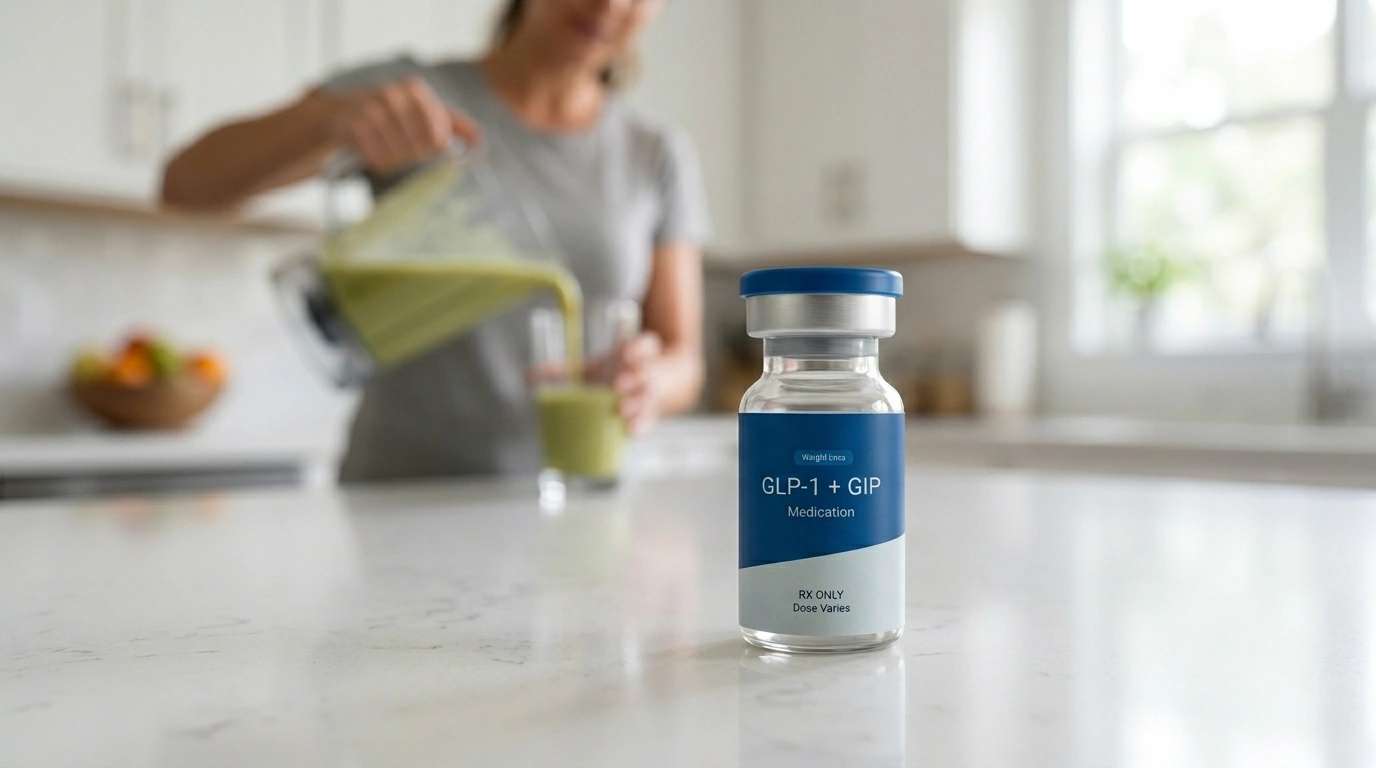
Standing in front of a small vial of white powder and a bottle of liquid can feel overwhelming. Many individuals starting their weight loss journey with injectable medications face this exact moment of uncertainty. You may have the medication in your hand, but the technical steps required to prepare it for use can seem like a hurdle. At TrimRx, we believe that understanding the clinical process behind your treatment is essential for safety and confidence. This post explains exactly how to reconstitute 10 mg of tirzepatide, the supplies you will need, and the importance of maintaining a sterile environment. By following these steps, you can ensure your medication remains effective and safe.
If you are still figuring out whether tirzepatide is the right path for you, you can complete the free assessment quiz to take the next step.
Quick Answer: To reconstitute 10 mg of tirzepatide, you typically add a specific volume of bacteriostatic water (usually 1 mL or 2 mL) to the vial of lyophilized (freeze-dried) powder. Gently swirl the vial until the powder is fully dissolved into a clear liquid; never shake the vial, as this can damage the peptide structure.
Understanding Tirzepatide and Reconstitution
Before diving into the manual steps, it is important to understand what you are working with. Tirzepatide is a dual glucose-dependent insulinotropic polypeptide (GIP) and glucagon-like peptide-1 (GLP-1) receptor agonist. In simpler terms, it is a medication that mimics two natural hormones in your body. These hormones help regulate blood sugar, slow down how fast your stomach empties, and signal to your brain that you are full. If you want a broader overview of the medication itself, our tirzepatide for weight loss guide is a helpful place to start.
When you receive tirzepatide in a vial as a powder, it is in a “lyophilized” state. Lyophilization is a process where the medication is freeze-dried to remove moisture. This process makes the peptide more stable and gives it a longer shelf life while it is being shipped and stored. Reconstitution is the medical term for adding a liquid—known as a diluent—back into that powder so it can be injected.
Key Takeaway: Reconstitution is the essential bridge between receiving your shelf-stable medication and being able to use it. It requires precision and cleanliness to maintain the integrity of the tirzepatide molecule.
Essential Supplies for the Process
You cannot start the process without the right tools. Using the wrong liquid or improper needles can compromise the medication or your safety.
Bacteriostatic Water
The most common diluent used for tirzepatide is bacteriostatic water. This is sterile water that contains a small amount of benzyl alcohol (usually 0.9%). The alcohol acts as a preservative, preventing the growth of bacteria once the vial has been punctured. Do not use plain sterile water or tap water, as these do not have the necessary preservatives for multi-dose vials.
Alcohol Prep Pads
Sterility is the most critical factor in this process. You will need high-quality alcohol prep pads to clean the rubber stoppers of both the bacteriostatic water and the tirzepatide vial. You should also use them to clean the skin at your injection site.
Proper Syringes
For the reconstitution phase, you may use a larger syringe to transfer the water. However, for the actual injection, most patients use insulin-style syringes. These are measured in “units,” which helps with precise dosing. It is vital to understand how units on a syringe relate to the milligrams (mg) of the medication.
Calculating the Dilution Ratio
The amount of liquid you add to your 10 mg vial of tirzepatide determines its concentration. This does not change the total amount of medication (10 mg), but it does change how much liquid you have to draw up for a specific dose.
The 1 mL Ratio
If you add 1 mL (100 units) of bacteriostatic water to a 10 mg vial:
- The entire vial contains 10 mg in 1 mL.
- If your prescribed dose is 2.5 mg, you would draw up 0.25 mL (25 units).
- If your dose is 5 mg, you would draw up 0.5 mL (50 units).
The 2 mL Ratio
If you add 2 mL (200 units) of bacteriostatic water to a 10 mg vial:
- The entire vial contains 10 mg in 2 mL.
- A 2.5 mg dose would be 0.5 mL (50 units).
- A 5 mg dose would be 1 mL (100 units).
Many people prefer adding 2 mL because it makes the math simpler and allows for more precise measurements in the syringe. Always follow the specific instructions provided by your healthcare professional or the pharmacy that prepared your medication.
Step-by-Step Guide to Reconstitution
Following a standardized protocol reduces the risk of contamination and ensures the medication is mixed correctly.
Step 1: Wash your hands and prepare your surface. Scrub your hands thoroughly with soap and warm water. Clean a flat surface, such as a table or counter, with a disinfectant or an alcohol wipe. Lay out all your supplies: the 10 mg vial, bacteriostatic water, syringes, and alcohol pads.
Step 2: Clean the vials. Pop off the plastic caps from both vials. Use a fresh alcohol prep pad to firmly wipe the rubber stopper of the tirzepatide vial and the bacteriostatic water vial. Allow them to air dry for at least 30 seconds. Do not blow on them to speed up the drying.
Step 3: Draw the bacteriostatic water. Take your large reconstitution syringe and pull back the plunger to fill it with air equal to the amount of water you plan to draw (e.g., 1 mL or 2 mL). Insert the needle into the water vial, push the air in, and then pull back the plunger to draw the liquid.
Step 4: Inject the water into the powder. Insert the needle into the 10 mg tirzepatide vial. Aim the needle toward the side of the glass rather than directly at the powder. Slowly push the plunger down. You may notice a slight vacuum pulling the liquid in; this is normal for many peptide vials.
Step 5: Dissolve the powder. Remove the needle and discard it in a sharps container. Gently swirl the vial in a circular motion between your fingers. Do not shake the vial vigorously. Shaking can cause the peptide to foam and may even “denature” or damage the delicate protein structure of the tirzepatide.
Step 6: Inspect the solution. Hold the vial up to a bright light. The liquid should be completely clear and free of any visible particles or clumps. If the liquid is cloudy or has floating “floaters” that do not disappear after gentle swirling, do not use it and contact your provider.
Note: If you see any discoloration or if the liquid remains cloudy after several minutes of resting, this may indicate a problem with the medication or the reconstitution process. Consult a licensed healthcare provider before proceeding.
Maintaining Sterile Technique
Sterility is not just about the first time you mix the medication. It is an ongoing requirement for every single dose. Each time you insert a needle into a vial, you introduce a small risk of contamination.
Never Reuse Needles This is a non-negotiable rule in medical safety. Once a needle touches a surface or enters a vial, it is no longer sterile. Reusing needles can lead to skin infections, abscesses, and the introduction of bacteria into your medication vial.
The “No-Touch” Rule Once you have cleaned the rubber stopper with alcohol, do not touch it with your fingers. If you accidentally touch the stopper, you must clean it again with a fresh alcohol pad. The same applies to the needle itself; if the needle touches the table or your skin before you are ready to inject, discard it and start with a new one.
Proper Storage and Handling
Tirzepatide is a sensitive peptide. Its effectiveness depends heavily on how it is stored after it has been reconstituted.
Refrigeration is Required Once tirzepatide has been mixed with bacteriostatic water, it must be kept in the refrigerator. The ideal temperature is between 36°F and 46°F (2°C to 8°C). Do not place the vial in the door of the refrigerator, as the temperature there fluctuates every time the door is opened. Instead, place it in the main body of the fridge.
Avoid Freezing Never freeze your reconstituted tirzepatide. Freezing can break the chemical bonds of the peptide, making the medication useless. If your vial accidentally freezes, it must be discarded.
Light Sensitivity Peptides can be sensitive to light. It is often best to keep the vial inside its original box or a small opaque container within the refrigerator to protect it from light exposure.
Expiration after Reconstitution Most guidelines suggest that a vial of reconstituted medication using bacteriostatic water is safe to use for up to 28 days if stored properly. However, always follow the specific “use-by” date provided by the pharmacy on your prescription label.
Bottom line: Proper storage—specifically consistent refrigeration and protection from light—is just as important as the reconstitution process itself for maintaining the potency of your medication.
Branded vs. Compounded Tirzepatide
When discussing tirzepatide, it is important to distinguish between the different forms available on the market. If you are unsure which treatment path fits your needs, see if you qualify for a personalized program.
Branded Medications Mounjaro® and Zepbound® are the branded versions of tirzepatide. These are FDA-approved for the treatment of type 2 diabetes and chronic weight management, respectively. These medications typically come in pre-filled, single-dose “auto-injector” pens. With these, no reconstitution is necessary because the manufacturer has already prepared the liquid dose for you.
Compounded Tirzepatide Because of the high demand and occasional shortages of branded medications, many people turn to compounded tirzepatide. Compounded medications are prepared by specialized pharmacies. These versions often come in vials as either a pre-mixed liquid or a lyophilized powder that requires reconstitution.
It is critical to note that compounded tirzepatide is not FDA-approved. However, at TrimRx, we only work with FDA-registered and inspected compounding pharmacies that adhere to strict quality standards. This ensures that while the specific compounded formulation hasn’t gone through the same FDA brand-approval process, the facility making it is held to high federal safety and quality benchmarks.
Common Myths About Reconstitution
There is a lot of misinformation online regarding how to handle peptides. Let’s clear up a few common misconceptions.
Myth: You can use any sterile water for reconstitution. Fact: You must use bacteriostatic water for multi-dose vials. Plain sterile water does not contain preservatives, meaning bacteria can grow inside the vial after the first time you puncture the stopper.
Myth: Shaking the vial helps the powder dissolve faster and better. Fact: Shaking can actually damage the medication. Tirzepatide is a long chain of amino acids that is relatively fragile. Swirling is the only safe way to mix it.
Myth: Reconstituted tirzepatide is shelf-stable at room temperature. Fact: While the dry powder might be stable at room temperature for short periods, the liquid version must be refrigerated to prevent degradation and bacterial growth.
Navigating Your Weight Loss Journey
Reconstituting your medication is just one technical part of a much larger lifestyle change. Many people find that while the medication helps reduce hunger and cravings, the best results come from a holistic approach.
Through the TrimRx platform, we help individuals access personalized weight loss programs that include medical supervision via telehealth. This means you aren’t left to guess about your dosage or how to handle the reconstitution process. Having access to a dedicated team of specialists ensures that you have a resource to answer questions about side effects, injection techniques, and how to optimize your nutrition while on the program. For more on the telehealth side of treatment, our online tirzepatide medical weight loss guide explains how the process works.
Using a telehealth-first model means you can manage your health from the comfort of your home. No waiting rooms or inconvenient office visits are required. From the initial free assessment quiz to the delivery of your medication from an inspected pharmacy, the process is designed to be transparent and supportive.
Managing Potential Side Effects
As your body adjusts to tirzepatide, you may experience some side effects. These are most common shortly after reconstitution and the first few doses, or when your dosage increases.
Common side effects include:
- Nausea
- Diarrhea or constipation
- Heartburn or indigestion
- Fatigue
Most of these symptoms are mild and tend to improve as your body becomes accustomed to the medication. Staying hydrated is one of the most effective ways to manage nausea. Eating smaller, more frequent meals can also help. If you experience severe abdominal pain or persistent vomiting, you should contact a healthcare provider immediately.
For those looking to support their body during this transition, supplements can play a role. Our GLP-1 Daily Support supplement is designed to provide the nutrients that might be lacking if your appetite significantly decreases, helping you maintain energy levels while the medication does its work.
The Importance of Professional Guidance
While the steps for how to reconstitute 10 mg of tirzepatide are straightforward, they should always be performed under the guidance of a medical professional. Self-prescribing or purchasing peptides from unregulated “research chemical” websites is extremely dangerous. These products may contain impurities, incorrect dosages, or harmful contaminants. If you are ready to begin with a clinician-guided pathway, take the free assessment quiz to see if you qualify.
A personalized program ensures that your health history is reviewed by a licensed provider who determines if tirzepatide is the right fit for you. They will also determine the correct starting dose and provide a titration schedule—the process of slowly increasing your dose—to minimize side effects while maximizing results.
Why Accuracy Matters
Precision in reconstitution ensures that you are actually receiving the 2.5 mg, 5 mg, or 7.5 mg dose your provider intended. If you add too much water, your dose might be too “diluted,” and you may not see the expected results. If you add too little water, the concentration will be too high, which could increase the severity of side effects.
By taking your time, using the correct math, and maintaining a sterile environment, you are taking an active and responsible role in your metabolic health. If you want to explore the broader approach that supports consistent progress, read how to maximize weight loss on tirzepatide.
TrimRx stands for a science-backed, empathetic approach to weight loss. We know that the journey is about more than just a number on a scale; it is about feeling empowered and supported as you make lasting changes to your health. Our mission is to provide the tools, the technology, and the clinical expertise to help you succeed on your own terms.
FAQ
How long does a 10 mg vial of tirzepatide last?
How long the vial lasts depends entirely on your prescribed weekly dose. If you are on a starting dose of 2.5 mg per week, a 10 mg vial will last for four weeks. If your dose has increased to 5 mg per week, the same vial will only last for two weeks.
What should I do if I see bubbles in the vial after mixing?
A small amount of bubbling or foaming is common if the water is injected too quickly. Simply let the vial sit undisturbed in the refrigerator for a few minutes, and the bubbles should settle. In the future, try to aim the water against the side of the glass vial to prevent splashing and foaming.
Can I mix tirzepatide with anything other than bacteriostatic water?
No, you should only use the diluent recommended by the pharmacy or your healthcare provider, which is almost always bacteriostatic water for multi-dose vials. Using other liquids like saline or plain sterile water can affect the pH of the solution or allow for bacterial growth, which could make the injection painful or unsafe.
Is it normal for the powder to take a few minutes to dissolve?
Yes, it is normal for the lyophilized powder to take a minute or two to fully incorporate into the liquid. If the powder does not dissolve after several minutes of gentle swirling, let it sit for a moment and then swirl again. Do not use the medication if the powder remains in solid clumps or if the liquid is not completely clear.
Disclaimer: This content is for informational purposes only and does not constitute medical advice. It is not intended to diagnose, treat, cure, or prevent any disease or condition. Individual results may vary. Always consult a qualified healthcare professional before starting any weight loss program or medication.

Transforming Lives, One Step at a Time
Keep reading
Marathon Training on Tirzepatide When You Can’t Fuel
You have a plan on the fridge and a medication that has made eating feel optional. Those two things are in genuine conflict, and…
Paying Cash for Tirzepatide? Don’t Stretch Your Supply
When every vial comes out of your own pocket, the arithmetic is hard to ignore. If a month’s supply costs what it costs, and…
Working Around Food All Day on Tirzepatide When You Can’t Eat It
There are two separate problems here and they have different answers. One is physical: food smells, especially hot fat and fried food, make nausea…


