How to Remove Needle From Wegovy Pen
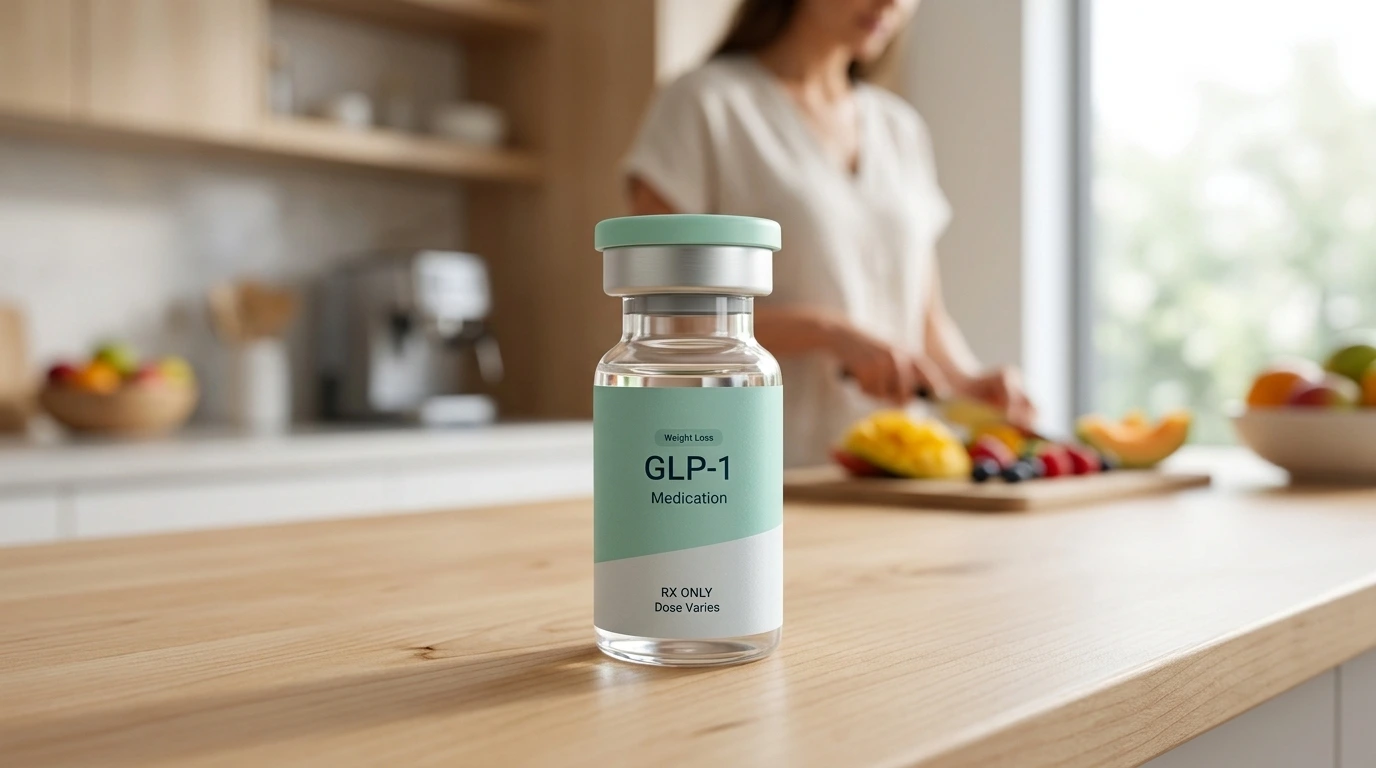
Introduction
Completing your first few injections of a weight loss medication can feel like a major milestone, but it often brings up practical questions about the equipment itself. If you have just finished a dose and are looking at the device in your hand, you might be wondering about the safest way to handle the sharp component. At TrimRx, we believe that understanding the tools of your treatment is just as important as the medication itself. Whether you are using a single-dose device or a multi-dose pen, safety and precision are the priorities. This article explains the specific steps for managing needles based on the design of your device and how to ensure your disposal routine is both safe and compliant with health guidelines. The correct way to handle your used medication depends entirely on identifying which pen design you have.
If you are considering a prescription weight-management program, you can complete a free eligibility assessment before discussing treatment options with a licensed provider.
Identifying Your Medication Pen Design
Before you attempt to remove anything from your injection device, you must identify which version of the pen you are holding. Branded medications like Wegovy® often come in different formats depending on the region or the specific dose. In the United States, the most common format for this medication is the single-dose preset pen. However, some individuals may use a multi-dose FlexTouch pen, which functions differently.
The Single-Dose Preset Pen
The single-dose preset pen is an autoinjector designed for one-time use. It features a hidden needle that you never actually see or handle directly. If your pen has a clear window and a large colored cap but no “dose dial” at the end, it is likely a single-dose device.
For this specific design, you do not remove the needle. The needle is integrated into the internal mechanism and is protected by a plastic shield that retracts during injection and locks back into place afterward. Attempting to disassemble this pen or pry the needle out is dangerous and can lead to accidental injury.
You can also review this guide to disposing of Wegovy pens safely for additional information about handling the entire single-use device.
The Multi-Dose FlexTouch Pen
The FlexTouch pen is a different design often used for various GLP-1 medications. It features a dose counter window and a dial at the top that you turn to select your dose. This pen is intended for multiple uses, but it requires a brand-new needle for every single injection.
In this case, you must remove the needle after each use to maintain the sterility of the remaining medication and to prevent the needle from clogging. Leaving a needle attached to a multi-use pen can allow air to enter the reservoir or cause the medication to leak.
Quick Answer: If you are using the standard US single-dose pen, you do not remove the needle; you dispose of the entire pen. If you are using a FlexTouch pen with a dose dial, you must unscrew the needle after each use using the “one-handed” or “flat surface” capping method.
Step-by-Step: Removing the Needle From a FlexTouch Pen
If your licensed provider has prescribed a multi-use pen that requires separate needles, follow these steps immediately after your injection. This process is designed to minimize the risk of a “needlestick” injury, which is when the used needle accidentally punctures your skin.
For related guidance on using a pen and preparing a new needle, review this step-by-step pen administration guide.
Step 1: Save the outer needle cap.
When you first attached the needle, you removed a large outer cap and a smaller inner shield. Always keep the large outer cap on your workstation during the injection because you will need it for safe removal.
Step 2: Use the flat-surface technique.
Place the large outer needle cap on a flat, stable surface like a table or counter. Without holding the cap with your hands, carefully guide the used needle, which is still attached to the pen, into the cap. This prevents your fingers from being anywhere near the sharp tip.
Step 3: Secure the cap.
Once the needle is inside the cap, you can use your fingers to push the cap firmly until it clicks or feels secure. Do not attempt to put the tiny inner shield back on, as this is the most common time for accidental punctures to occur.
Step 4: Unscrew the needle.
Hold the capped needle firmly and twist the pen counter-clockwise. The needle assembly should unscrew easily from the threaded tip of the pen.
Step 5: Immediate disposal.
Drop the capped needle directly into an FDA-cleared sharps container. Once the needle is removed, put the original pen cap back on the medication to protect it from light and store it as directed by your pharmacist.
Why You Should Never Remove the Needle From a Single-Dose Pen
If you are using the single-dose autoinjector, the design is “one and done.” The manufacturer has built the needle into the device specifically so that the patient does not have to manage sharps manually. This is often preferred by those who have a fear of needles or who want a simplified process.
Key Takeaway: For single-dose preset pens, the needle is not meant to be removed. The entire device is considered a “sharp” and must be disposed of as a single unit in a proper container.
Attempting to remove the needle from a preset pen can result in:
- Mechanical Failure: The locking mechanism that protects the needle after use could be bypassed, exposing you to a sharp.
- Exposure to Residual Medication: Breaking the pen could cause leftover liquid to spray or leak.
- Infection Risk: Handling internal components of the device increases the risk of coming into contact with a used needle tip.
If you are unsure which pen you have, look for a dose dial. If the pen has no dial and can only be used once, do not try to take it apart.
Safe Sharps Disposal Requirements
Whether you are disposing of a single needle or an entire autoinjector, you must follow specific safety protocols. Used needles are considered biohazardous waste because they have come into contact with blood or bodily fluids. They should never be thrown directly into the regular household trash or recycling bin.
For a broader overview, see this safe handling and disposal guide for injectable medications.
Using an FDA-Cleared Sharps Container
The safest option is a purpose-built sharps container. These are typically made of heavy-duty plastic and have a lid that locks permanently once the container is full. Many pharmacies and telehealth platforms provide these, or you can purchase them at most drugstores.
Creating a DIY Disposal Container
If you do not have an official sharps container, you can use a household container that meets the following criteria:
- Made of heavy-duty, puncture-resistant plastic, such as a laundry detergent bottle.
- Able to close with a tight-fitting, screw-on lid.
- Stable and upright during use.
- Leak-resistant.
You must clearly label this container with a warning that it contains “Sharps” or “Biohazardous Waste.” Once the container is about three-quarters full, you should seal the lid with heavy-duty tape and follow your local community guidelines for disposal.
Bottom line: Never place loose needles or used pens in the regular trash; always use a puncture-proof container to protect yourself and sanitation workers.
You can also review this guide to disposing of semaglutide needles without a sharps container if you need to identify a temporary container option.
Managing Your Injection Routine
Learning how to handle the mechanical side of weight loss treatment is part of the broader journey toward metabolic health. Many people find that their anxiety about needles decreases significantly after the first few successful doses.
When you use a program like the one offered at TrimRx, you are supported by a process that prioritizes your comfort and safety. While we do not provide branded medications, our platform connects you with licensed providers who can help you navigate the nuances of GLP-1 (glucagon-like peptide-1) treatments. A GLP-1 is a type of medication that mimics a natural hormone in your body to help regulate appetite and support weight management.
Rotating Injection Sites
To make the process easier and reduce skin irritation, you should always rotate your injection sites. The most common areas are:
- The Abdomen: At least two inches away from the belly button.
- The Thigh: The front or outer side of the upper leg.
- The Upper Arm: Usually requires someone else to assist.
Rotating the site every week helps prevent the buildup of tough tissue, which can make injections less comfortable and potentially affect how the medication is absorbed.
For a related explanation of placement and routine, read this guide to GLP-1 injection sites.
Potential Side Effects and Professional Guidance
While handling the pen is a mechanical skill, managing how the medication affects your body is a clinical one. Most people starting a GLP-1 or a GLP-1 + GIP (glucose-dependent insulinotropic polypeptide) treatment will experience some mild side effects as the body adjusts.
Common experiences include:
- Nausea or upset stomach.
- Changes in bowel habits.
- Mild fatigue.
- Redness at the injection site.
If you experience severe pain, persistent vomiting, or signs of an allergic reaction, it is critical to contact a healthcare professional immediately. Your licensed provider can help you adjust your routine or suggest ways to mitigate these effects.
Note: If you notice the medication in the pen window is cloudy, discolored, or contains particles, do not use it. This may indicate that the medication has expired or was not stored at the correct temperature.
The Role of Personalized Support
Successful weight management is rarely just about the medication itself. It is about the ecosystem of support around the individual. This includes clinical oversight, proper education on how to use tools like injection pens, and a plan that accounts for your unique health history.
Our approach at TrimRx focuses on this personalized experience. By starting with a comprehensive assessment, you ensure that your treatment plan is tailored to your specific needs. This telehealth-first model means you can get the guidance you need without the stress of a traditional clinic waiting room.
If you are exploring whether prescription treatment may be appropriate for you, you can start the assessment process and provide information for a licensed provider to review.
Action Steps for a Safe Injection
- Check your pen: Verify the dose and expiration date before you even remove the cap.
- Wash your hands: Always start with clean hands to prevent infection at the injection site.
- Have your sharps container ready: Don’t wait until the needle is out to look for your disposal bin.
- Confirm the dose: Listen for the clicks or watch the yellow bar to ensure the medication was fully delivered.
- Document your site: Keep a simple log of where you injected each week to ensure you are rotating properly.
Understanding GLP-1 Medications
It is helpful to understand why these medications require such specific handling. GLP-1 receptor agonists are sophisticated peptides that must be delivered into the fatty tissue just under the skin, or subcutaneously. This delivery method ensures the medication is released slowly into the bloodstream, allowing it to work effectively on the brain’s hunger centers and the digestive system.
Because these are medications that involve the skin’s barrier, the needles used are incredibly fine—often 29 to 32 gauge. This makes them nearly painless, but also fragile. This fragility is why you must never reuse a needle on a multi-dose pen and why you should never attempt to “fix” a bent needle.
Key Takeaway: The precision of the pen and needle reflects the precision of the medication itself. Treating the hardware with care ensures the medicine can do its job effectively.
Final Thoughts on Pen Maintenance
Maintaining your equipment is a simple but vital part of your health journey. If you are using a multi-dose pen, always store it with the needle removed. Storing it with a needle attached can cause “air locks” or allow bacteria to enter the pen. If you are using a single-dose pen, keep it in its original packaging until the moment you are ready to use it to protect it from light.
Most GLP-1 medications require refrigeration before their first use. However, many can stay at room temperature for a specific number of days once they have been “opened” or used for the first time. Always check the specific storage instructions provided by your state-licensed pharmacy or the medication’s packaging.
For more detail on what to do with an empty injection device, review this empty pen disposal guide.
Conclusion
Mastering the use of your weight loss medication pen is a foundational step in your journey toward better health. Whether you are using a single-dose autoinjector or a multi-use pen, the rules of safety remain the same: identify your device, handle sharps with care using a flat surface for capping, and dispose of everything in a puncture-proof container. Taking these steps protects not only you but also those around you.
- Determine your pen type before attempting any needle removal.
- Use the one-handed capping method for multi-dose needles.
- Never disassemble a single-dose preset pen.
- Always use an FDA-cleared sharps container or a heavy-duty DIY alternative.
“Confidence in your treatment begins with confidence in your tools. By following safe handling and disposal protocols, you ensure that your focus remains where it belongs: on your long-term health and progress.”
At TrimRx, we are committed to providing a science-backed and empathetic path to weight loss. We believe that everyone deserves access to modern metabolic treatments in a way that feels manageable and supported. If you are ready to see how a personalized program could work for you, the best way to start is with our online assessment.
Take the first step toward a healthier lifestyle by completing a free assessment quiz today.
FAQ
Can I reuse the needle on my Wegovy pen?
No, you should never reuse a needle, even if it is on the same pen for the same person. Reusing needles increases the risk of infection, causes more pain as the needle tip dulls, and can lead to the needle becoming blocked, which prevents you from receiving your full dose. This pen administration guide explains why a new needle is needed for each injection.
What should I do if I accidentally prick myself with a used needle?
If a needlestick injury occurs, immediately wash the area with soap and water or use a skin disinfectant like rubbing alcohol. You should then contact a healthcare professional or an urgent care center for guidance, as they may need to assess the risk of infection.
Is the needle already inside the US version of the Wegovy pen?
Yes, the single-dose preset pen commonly used in the United States has a built-in needle that is hidden behind a plastic shield. You do not need to attach or remove a needle; you simply press the pen against your skin to trigger the injection and then dispose of the entire device. This Wegovy pen disposal guide covers the next step.
Can I throw my used Wegovy pen in the recycling bin?
No, used medication pens and needles should never be placed in recycling bins. Even if the pen is made of plastic, the needle inside makes it a biohazard. Always use a dedicated sharps disposal container and check your local regulations for how to dispose of the container once it is full.
TrimRX does not practice medicine or prescribe medications. Compounded medications are not FDA-approved and are not evaluated by the FDA for safety or efficacy. Results vary by individual and are not guaranteed.
Disclaimer: This content is for informational purposes only and does not constitute medical advice. It is not intended to diagnose, treat, cure, or prevent any disease or condition. Individual results may vary. Always consult a qualified healthcare professional before starting any weight loss program or medication.

Transforming Lives, One Step at a Time
Keep reading

Is It Normal to Have Stomach Cramps on Wegovy?
Crampy, uncomfortable feelings in your belly, often with gas, constipation, or loose stools, are something many people on Wegovy or compounded semaglutide notice, especially…
Is It Normal for a Wegovy Injection Site to Itch?
A small red patch, a slightly raised spot, or an itch that shows up a few hours or a day after your injection is…
Is It Normal to Have Brain Fog on Wegovy?
Losing your train of thought mid-sentence, rereading the same email three times, or feeling like your head is wrapped in cotton wool: brain fog…


