How to Split Ozempic Dose
Introduction
Managing the transition to GLP-1 medications can sometimes feel like a balancing act between progress and physical comfort. You might have experienced that familiar wave of nausea or a sudden dip in energy shortly after your weekly injection. These common hurdles lead many individuals to ask about more flexible ways to manage their treatment. At TrimRx, we understand that a one-size-fits-all approach to weight loss rarely addresses the unique metabolic needs and sensitivities of every person.
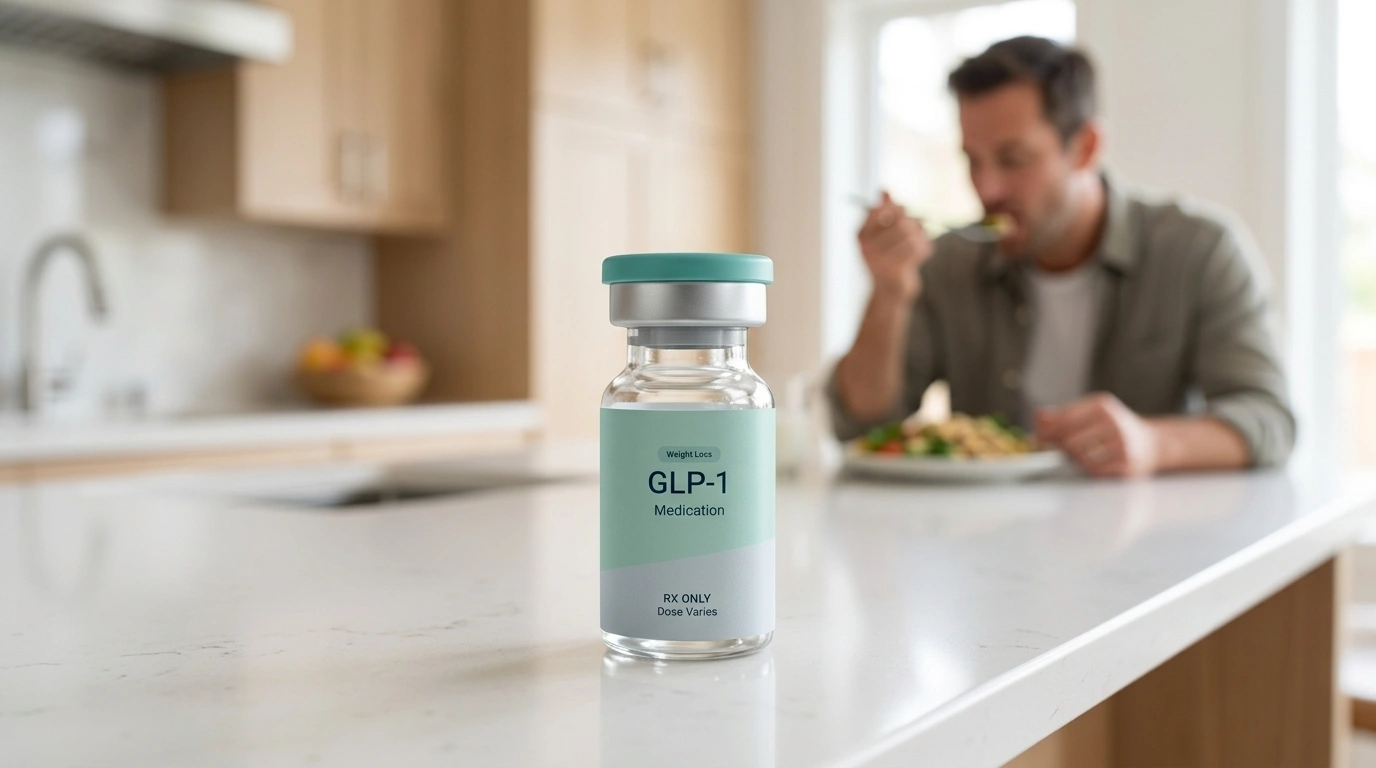
One strategy that has gained attention in patient communities is dose splitting. This involves taking a weekly dose and dividing it into two smaller injections spaced a few days apart. This article covers the mechanics of how people approach splitting a dose, the biological reasoning behind it, and the critical safety considerations you must discuss with a healthcare professional. Understanding these options helps you take an active, informed role in your metabolic health journey. For additional context, review this guide to whether Ozempic doses can be split.
What is Dose Splitting?
Dose splitting is the practice of dividing a single weekly dose of medication into two or more smaller administrations throughout the week. For medications like Ozempic® (a branded semaglutide injection), the manufacturer’s standard protocol is one injection every seven days. Semaglutide is a glucagon-like peptide-1 (GLP-1) receptor agonist, a class of drugs that mimics a natural hormone in the body to regulate appetite and blood sugar.
When someone splits a dose, they are essentially attempting to create a more consistent level of the medication in their bloodstream. Instead of a single large “peak” of medication followed by a gradual decline over the week, splitting aims to smooth out those levels. This is typically done by people who experience significant side effects on the day or two following their full injection.
Why People Consider Splitting a Dose
The primary motivation for seeking information on how to split ozempic dose is often the management of gastrointestinal side effects. Because GLP-1 medications slow down gastric emptying—the rate at which food leaves your stomach—the initial surge of medication can cause discomfort. You can also review this complete guide to semaglutide side effects and management for broader context.
Managing Peak Concentration
Every medication has a “peak” time, which is when the concentration of the drug is highest in your system. For semaglutide, this peak usually occurs one to three days after the injection. By splitting the dose, the height of that peak is lowered, which may reduce the intensity of symptoms like nausea, vomiting, or severe bloating.
Reducing “Hunger Noise” Return
Some individuals find that by day five or six of their weekly cycle, the appetite-suppressing effects of the medication begin to wear off. This is often referred to as the return of “hunger noise.” Splitting the dose can provide a more stable baseline, potentially keeping those cravings at bay more effectively through the end of the week.
Key Takeaway: The goal of dose splitting is to minimize the “peaks and valleys” of medication levels in the blood, aiming for a steadier state that balances appetite control with physical comfort.
The Mechanics of the Ozempic Pen
To understand how people split a dose, it is necessary to understand how the delivery device functions. Unlike some other GLP-1 medications that come in single-use “auto-injector” pens (where the entire dose is delivered at once with a single button press), Ozempic® uses a multi-dose dial-back pen.
The Click System
The pen features a rotating dial at the end. As you turn the dial to the prescribed dose, the pen makes audible “clicks.” Each click represents a specific, tiny volume of liquid medication. Because the pen is designed to deliver multiple doses before it is empty, the mechanism allows for manual adjustment.
Calculating the Clicks
When a patient wants to split a dose, they often use a “click-counting” method. This involves dialing the pen to the full dose while counting how many clicks it takes to get there, then dialing it back to zero and only turning it forward by half that number of clicks.
Note: It is vital to remember that the number of clicks required for a specific dose can vary depending on which version of the pen you have (e.g., the 0.25/0.5 mg pen versus the 1 mg or 2 mg pens). Relying on charts found on the internet can lead to dosing errors.
Step-by-Step Approach to Medical Guidance
If you are considering changing how you administer your medication, you must follow a clinical process. Never alter your dosing schedule without the explicit approval and guidance of a licensed healthcare provider. If you are considering prescription treatment or a dosing discussion with a provider, you can complete a free eligibility assessment.
Step 1: Document Your Symptoms
Keep a detailed log for two weeks. Note exactly when you take your dose and when your side effects are most severe. This data is invaluable for your provider.
Step 2: Schedule a Consultation
Request a specific appointment to discuss dose management. This is a common part of telehealth-based weight loss programs, where providers expect to fine-tune your treatment plan based on your feedback. Learn more about how online GLP-1 prescriptions work from consultation through delivery.
Step 3: Discuss the “Off-Label” Nature
Understand that splitting a weekly dose is considered “off-label” use. Your doctor will weigh the benefits of reduced side effects against the risks of non-standard administration.
Step 4: Secure Necessary Supplies
If your doctor approves a split dose, you will need double the number of needles. Reusing a needle is never safe and significantly increases the risk of infection and lipohypertrophy (lumps under the skin).
Safety Risks and Considerations
While the concept of splitting a dose may seem straightforward, there are several medical and technical risks involved.
Sterility and Infection
The most significant risk in dose splitting is the misuse of needles. Each time a needle punctures the skin or the rubber stopper of the pen, it becomes dull and potentially contaminated. If you split your dose into two injections per week, you must use a fresh, sterile needle for every single injection.
Accuracy of Dosing
The dial-back pens are precision instruments, but they are not officially calibrated for “micro-dosing” by counting clicks. There is a margin of error when manually counting clicks, which could result in taking too much or too little medication. Over time, this can lead to inconsistent results or unexpected side effects.
Pen Longevity
Ozempic® pens are typically rated to be used for 56 days after the first use. If you are splitting doses to use a larger-capacity pen over a longer period to save on costs, you may exceed the 56-day safety window. After this point, the preservative in the medication may no longer be effective, and the protein structure of the semaglutide could begin to break down, making it less effective or unsafe.
Warning: Never share pens or needles with another person. This is a primary route for the transmission of blood-borne pathogens and is a severe safety violation.
Biological Impact: Semaglutide Half-Life
To understand why splitting might work—and why it might not be necessary for everyone—it helps to look at the biology of the drug. Semaglutide has a half-life of approximately seven days. A “half-life” is the time it takes for the concentration of a substance in your body to reduce by half.
Because the half-life is so long, the medication actually builds up in your system over several weeks. It takes about four to five weeks of consistent dosing to reach a “steady state.” During the first month, your body is still adjusting to the presence of the hormone. Many providers suggest that instead of splitting a dose, patients simply need to stay at a lower dose for a longer period to allow their bodies to acclimate.
Alternatives to Dose Splitting
If you are struggling with the intensity of a weekly injection, there are other clinical paths to consider that do not involve “hacking” a branded medication pen.
Slower Titration Schedules
The standard titration for semaglutide starts at 0.25 mg for four weeks, then moves to 0.5 mg. However, your provider can customize this. You might stay at 0.25 mg for eight weeks or move to an intermediate dose if your program allows for that level of personalization.
Compounded Semaglutide
Many patients find that compounded semaglutide offers a more flexible solution. Compounded medications are prepared by a licensed pharmacist to meet the specific needs of an individual patient. At TrimRx, providers can prescribe these options.
Compounded semaglutide is typically provided in a vial with separate syringes. This allows for extremely precise dosing. If a patient and their doctor decide that a split dose or an intermediate dose (like 0.35 mg) is best, it is much easier to measure accurately with a syringe than by counting clicks on a pre-filled pen.
Note: Compounded semaglutide and compounded tirzepatide are not FDA-approved. However, they are prepared and shipped by FDA-registered, inspected compounding pharmacies that must adhere to strict quality standards.
Managing Side Effects Through Lifestyle
Before moving to a split-dose schedule, many people find relief by adjusting how they support their bodies during the “peak” days of the medication.
- Hydration is Critical: GLP-1 medications can affect your thirst signals. Dehydration often mimics or worsens nausea.
- Protein-First Focus: Eating small, frequent, protein-rich meals can help keep blood sugar stable and prevent the “heavy” feeling in the stomach that leads to nausea.
- Targeted Supplements: Many people use supplements like GLP-1 Daily Support to help bridge nutritional gaps and manage digestive comfort.
- The Weight Loss Boost: For those who feel their energy lagging between doses, a Weight Loss Boost supplement may provide the metabolic support needed to maintain activity levels.
Comparing Injectable Formats
The ability to split a dose depends heavily on the type of medication and the delivery system.
| Medication | Delivery System | Can it be easily split? |
|---|---|---|
| Ozempic® | Multi-dose Dial Pen | Yes (via click-counting) |
| Wegovy® | Single-dose Auto-injector | No (delivered in one burst) |
| Mounjaro® | Single-dose Auto-injector | No (delivered in one burst) |
| Zepbound® | Single-dose Auto-injector | No (delivered in one burst) |
| Compounded Semaglutide | Vial and Syringe | Yes (highly precise) |
| Compounded Tirzepatide | Vial and Syringe | Yes (highly precise) |
As shown in the table, branded medications like Wegovy® or Mounjaro® (tirzepatide) in the United States are almost impossible to split because the pen is designed to fire once and then be discarded. If your goal is dosing flexibility, a program that utilizes vials and syringes—such as those offered through our platform—is often the more practical choice.
The Role of Personalized Programs
At TrimRx, we believe that weight loss is a deeply personal medical journey. While the internet is full of “life hacks” for medication, the safest and most effective way to reach your goals is through a program tailored to your body’s specific reactions.
When you join a telehealth-based program, you aren’t just getting a prescription; you are getting a dedicated team. If you find that a standard weekly dose is too much for your system to handle, your provider can work with you to adjust the volume or the frequency of your medication in a way that is clinically sound. This removes the guesswork and the risks associated with counting clicks or exceeding pen usage dates.
Bottom line: Dose splitting is a medical decision, not a DIY project. While the mechanics of certain pens allow for it, the safest way to achieve a custom dosing schedule is through a personalized treatment plan supervised by a licensed professional.
Addressing Common Misconceptions
There is a significant amount of misinformation regarding the modification of GLP-1 dosages.
Myth: Splitting your dose will make you lose weight twice as fast.
Fact: Splitting a dose does not increase the total amount of medication in your body; it only changes the timing of its delivery. While it may help you stay consistent by reducing side effects, it is not a shortcut to faster results.
Myth: It is safe to use the same needle twice if you are the only one using it.
Fact: Needles are single-use only. Using a needle a second time can cause microscopic damage to the skin and introduces bacteria into the medication pen, which can lead to infections or the degradation of the drug.
Is Dose Splitting Right for You?
Whether or not you should split your dose depends on several factors that only a healthcare provider can evaluate. These include your current BMI, your history of gastrointestinal issues, your current dosage, and your overall goals.
For an individual with a BMI over 30 who has not responded to traditional lifestyle modifications and experiences debilitating nausea on a standard 0.5 mg dose, a provider might see the value in a 0.25 mg bi-weekly split. However, for someone who is not experiencing side effects, there is no clinical advantage to splitting the dose; the once-weekly administration is the gold standard for a reason.
Conclusion
Finding the right rhythm for your weight loss medication is a process of trial and observation. While learning how to split ozempic dose can offer a potential solution for those struggling with side effects, it must be approached with caution, sterility, and professional oversight. The goal is always sustainable progress—losing weight in a way that allows you to feel your best and maintain your daily life.
At TrimRx, our mission is to provide you with the tools, the medication, and the clinical expertise to make that journey possible. By focusing on personalized programs and 24/7 support, we ensure that you never have to navigate the complexities of GLP-1 treatment alone. If you are ready to see how a customized approach can work for you, the first step is simple.
Take the next step in your journey:
Complete a free assessment quiz to see if a personalized, medically supervised weight loss program is the right fit for your health goals.
FAQ
Can I split a Wegovy or Mounjaro dose?
Unlike Ozempic®, Wegovy® and Mounjaro® pens in the US are single-use auto-injectors that release the entire dose at once. You cannot safely split these doses because the mechanism does not allow you to stop the flow of medication or dial it to a specific amount. If you require dose flexibility, discuss compounded options with your provider.
Do I need extra needles if I split my dose?
Yes, you must use a new, sterile needle for every single injection. If you decide to split your weekly dose into two sessions, you will need twice as many needles as a standard monthly supply provides. Reusing needles increases the risk of infection and painful skin reactions.
Will splitting my dose affect my weight loss results?
Clinical studies on semaglutide are based on once-weekly dosing. While splitting the dose may help you stay on the medication by reducing side effects, there is no evidence that it increases the rate of weight loss. The most important factor for results is staying consistent with the total weekly amount prescribed by your doctor.
How do I know how many clicks to turn the pen?
There is no universal click chart because different pens have different concentrations of medication. Counting clicks is a common community practice, but it is not endorsed by the manufacturer and carries a risk of dosing error. You should always ask your healthcare provider for a specific, verified instruction based on the exact pen you are using. If you need help determining whether a supervised prescription program may fit your needs, complete the free assessment quiz.
Disclaimer: This content is for informational purposes only and does not constitute medical advice. It is not intended to diagnose, treat, cure, or prevent any disease or condition. Individual results may vary. Always consult a qualified healthcare professional before starting any weight loss program or medication.

Transforming Lives, One Step at a Time
Keep reading
Ozempic Changed How You and Your Partner Spend Time
Friday night was a place you both liked and a bottle of something. Sunday was a long breakfast. Holidays were planned around restaurants. That…
Partner Says You’re Not Eating Enough on Ozempic?
It has become a thing at dinner. They watch your plate. You feel watched. Something gets said, or pointedly not said, and the meal…
Weekly Client Dinners on Ozempic: A Plan for Recurring Work Meals
Managing one difficult dinner is a matter of ordering well. Managing four a week indefinitely is a different problem, because anything that relies on…


