How to Split Tirzepatide Dose Safely and Effectively
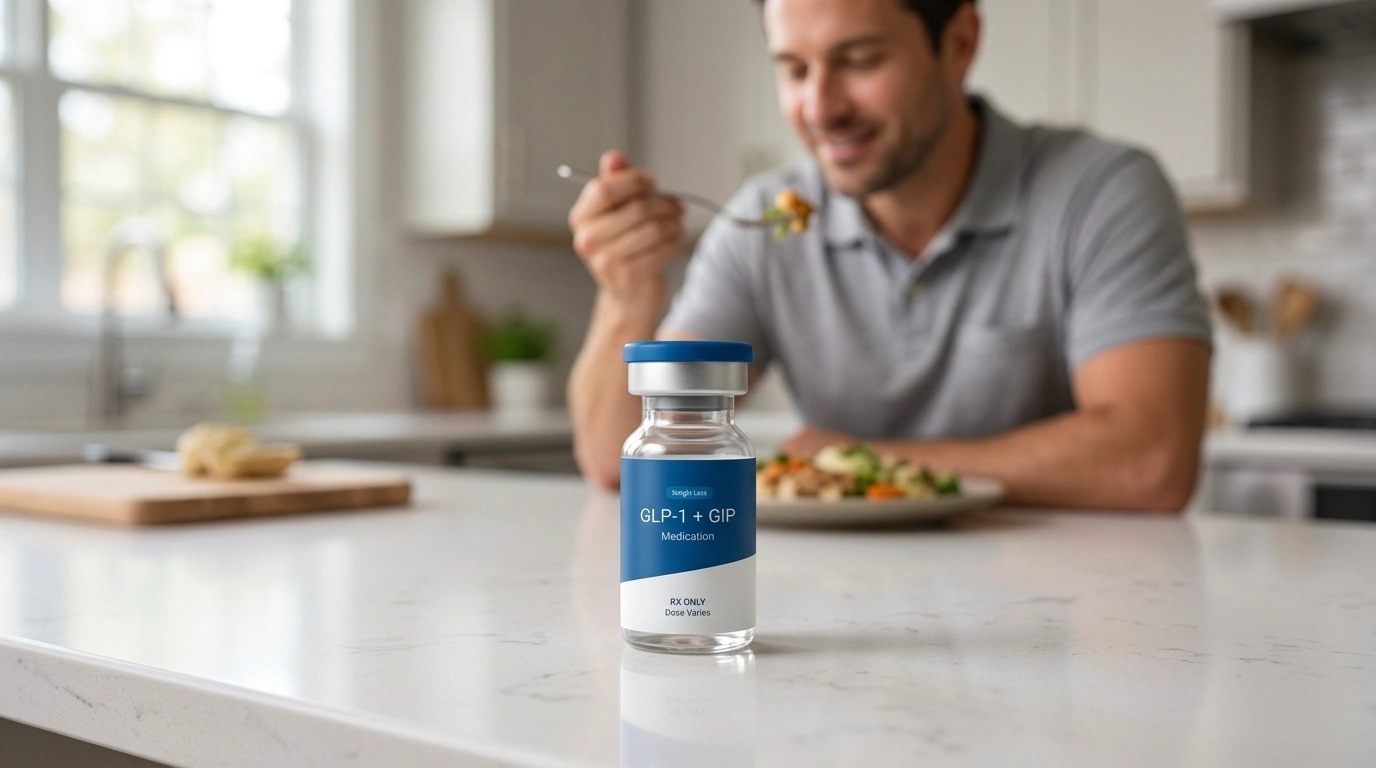
Table of Contents
- Introduction
- Understanding the Rationale for Dose Splitting
- The Difference Between Branded Pens and Compounded Vials
- Safety Risks and Clinical Considerations
- Step-by-Step Guide to Managing Your Program Process
- How to Discuss Dosing Changes with a Provider
- Optimizing Your Weight Loss Journey
- Managing Common Side Effects Without Splitting
- Conclusion
- FAQ
Introduction
Managing the side effects of weight loss medication can be a frustrating hurdle on your journey toward better health. Many individuals find that while medications like Tirzepatide are highly effective, the “peak” concentration of the drug shortly after an injection can lead to temporary discomfort, such as nausea or fatigue. You may have heard about “dose splitting”—the practice of dividing a single weekly dose into two smaller injections—as a way to level out these effects. At TrimRx, we believe that understanding the science behind your treatment is the first step toward a sustainable lifestyle change. If you want to see whether a prescription GLP-1 program may be a fit for you, you can complete the free assessment quiz. This post will cover the clinical rationale behind dose splitting, the critical safety differences between various medication formats, and how to work with a provider to customize your schedule. Our goal is to ensure you have the knowledge to manage your program safely while achieving the best possible results for your metabolic health.
Understanding the Rationale for Dose Splitting
Tirzepatide is a dual-action medication known as a GIP (glucose-dependent insulinotropic polypeptide) and GLP-1 (glucagon-like peptide-1) receptor agonist. If you want a clearer explanation of how that mechanism supports weight loss, this GLP-1 breakdown is a helpful companion read. These are naturally occurring hormones in the body that help regulate blood sugar and appetite. By mimicking these hormones, the medication helps you feel full sooner and stay full longer. However, because the medication is typically administered once every seven days, the levels of the drug in your system rise to a “peak” within the first 24 to 48 hours before gradually tapering off.
For some people, this peak can be intense. Dose splitting involves taking half of the prescribed weekly dose every 3.5 days (for example, a Sunday morning and a Wednesday evening) rather than the full amount at once. The primary goal is to minimize the “peaks and valleys” of the medication’s concentration in the bloodstream.
Key Takeaway: Dose splitting aims to create a more consistent level of medication in the body, potentially reducing the intensity of side effects that occur shortly after a full weekly injection.
The Benefits of a Stable Concentration
When the concentration of the medication remains stable, the body may adapt more easily to the hormonal changes. This can lead to:
- Reduced Gastrointestinal Distress: Nausea and indigestion are often most acute when the medication level is at its highest.
- Avoidance of the “End-of-Week” Hunger: Some patients report that the appetite-suppressant effects begin to fade by day six or seven. Splitting the dose can help maintain consistent appetite control throughout the entire week.
- Improved Energy Levels: Avoiding a massive surge of the medication may help mitigate the “GLP-1 fatigue” that some individuals experience.
The Difference Between Branded Pens and Compounded Vials
It is vital to understand that how you approach dose splitting depends entirely on the type of medication you have been prescribed. Not all delivery systems are designed to be modified, and attempting to do so with the wrong equipment can be dangerous.
Branded Single-Use Pens
Branded versions of Tirzepatide, such as Mounjaro® and Zepbound®, are typically distributed in single-dose, pre-filled auto-injector pens. These pens are designed for a “one-and-done” application. They contain a specific dose (such as 2.5mg, 5mg, or 7.5mg) that is released entirely with one click of a button.
Important Note: You should never attempt to “split” a dose from a branded, single-use auto-injector pen. These devices cannot be taken apart or “stopped” halfway through the injection. Attempting to dismantle the pen can lead to a loss of the medication, a broken needle, or a lack of sterility, which increases the risk of infection.
Compounded Tirzepatide in Vials
Compounded Tirzepatide is often provided in a multi-dose glass vial. Because you use a traditional syringe to draw the specific volume of liquid needed for your dose, there is more flexibility in how the medication is administered.
If your provider determines that dose splitting is appropriate for your health profile, they will provide a specific protocol for drawing smaller amounts of the liquid from the vial more frequently. This process requires strict adherence to sterile techniques to prevent contamination of the vial.
Bottom line: Dose splitting is generally only feasible with medications provided in multi-dose vials. Branded auto-injectors are not designed for split dosing and should never be tampered with.
Safety Risks and Clinical Considerations
While the idea of splitting a dose sounds simple, it introduces several clinical variables that must be managed by a healthcare professional. You should never change your dosing schedule without first consulting the licensed provider assigned to your program.
Maintaining Sterility
Every time a needle enters the rubber stopper of a medication vial, there is a small risk of introducing bacteria. If you are splitting your dose, you are doubling the number of times the vial is accessed. This makes “sterile technique” non-negotiable.
Best Practices for Sterile Injections:
- Wash Hands: Always wash your hands thoroughly with soap and water before handling your supplies.
- Alcohol Prep: Use a fresh alcohol swab to clean the top of the vial stopper every single time you use it.
- Single-Use Syringes: Never, under any circumstances, reuse a syringe or a needle. Use a brand-new, sterile syringe for every injection.
- Clean Injection Site: Use an alcohol wipe on the area of skin where you plan to inject.
Accuracy of Dosing
Splitting a dose requires calculating the correct “units” on a syringe. For example, if your weekly dose is 50 units, a split dose would be 25 units twice a week. A small error in drawing up the medication can lead to under-dosing, which may stall your progress, or over-dosing, which can increase side effects.
The Half-Life of the Medication
The “half-life” of a drug is the time it takes for the concentration of the substance in your body to reduce by half. Tirzepatide has a half-life of approximately five days. This is why a once-weekly injection works for most people. When you split the dose, you are effectively overlapping the half-lives more frequently. This requires careful monitoring to ensure the medication does not build up to an unsafe level over time.
Key Takeaway: Increased frequency of injections increases the risk of contamination and dosing errors. Professional guidance is essential to ensure the schedule remains safe and effective.
Step-by-Step Guide to Managing Your Program Process
If you are just starting your weight loss journey or considering a change in your dosing, the process at TrimRx is designed to be straightforward and medically supervised. We prioritize your safety by ensuring every step is reviewed by a licensed clinician.
Step 1: Complete the Free Assessment Quiz
Begin by providing your health history, current BMI, and weight loss goals through our online platform. This helps the medical team determine if Compounded Tirzepatide or another GLP-1 medication is right for you. If you are ready to take that next step, you can complete the free assessment quiz.
Step 2: Consultation with a Licensed Provider
A healthcare professional will review your assessment. This is the time to discuss any concerns about side effects or ask if a split-dosing schedule is appropriate for your specific needs. They will write a prescription based on what is safest for your body.
Step 3: Medication Delivery
If prescribed, your medication is shipped directly from a compounding pharmacy to your door. The package will include all necessary supplies, such as syringes and alcohol pads.
Step 4: Ongoing Support and Adjustments
You have 24/7 access to a dedicated team of specialists. If you find that the standard weekly dose is causing significant nausea, you can reach out to your provider through the platform to discuss adjusting your schedule or trying a split dose.
Myth: You can decide to split your dose on your own as long as the total weekly amount is the same.
Fact: Changing the frequency of injections affects how the drug is metabolized. You must always get approval from your healthcare provider before altering your prescribed schedule.
How to Discuss Dosing Changes with a Provider
Communication is the most important tool in your weight loss toolkit. When you speak with your healthcare provider about splitting your Tirzepatide dose, it helps to be as specific as possible about your experience.
Questions to Ask Your Provider:
- “I am experiencing significant nausea on days two and three after my injection. Would splitting my dose help?”
- “I feel like the medication wears off by day five. Is a twice-weekly schedule a better option for me?”
- “How many units should I draw into the syringe if we decide to split my current dose?”
- “Are there any specific risks for me if I increase the frequency of my injections?”
Tracking Your Symptoms
To help your provider make an informed decision, keep a simple log for one week. Note the day and time of your injection, and rank your hunger and side effects on a scale of 1 to 10 each day. This data allows the medical team to see exactly when the “peak” is hitting you and whether a split dose would actually address the timing of your symptoms.
Optimizing Your Weight Loss Journey
While adjusting your dosing schedule can help manage side effects, it is only one part of a comprehensive approach to metabolic health. Achieving sustainable results requires supporting your body from multiple angles.
Nutritional Support
When you are taking a medication that reduces appetite, it is critical to ensure that the calories you do eat are nutrient-dense. Focusing on high-quality protein is essential for maintaining muscle mass while losing fat. Many people find that smaller, more frequent meals also help manage the nausea associated with GLP-1 and GIP medications.
Hydration and Electrolytes
Dehydration can mimic and worsen the side effects of Tirzepatide, such as headaches and fatigue. If you want a deeper look at common discomfort patterns, this guide on tirzepatide side effects is a useful follow-up. Aim for consistent water intake throughout the day. In some cases, adding an electrolyte supplement can help maintain the balance your body needs, especially during the first few weeks of treatment.
Supplementing Your Program
Sometimes, lifestyle changes and dosing adjustments need an extra boost. At TrimRx, we offer quick-access supplements that do not require a prescription or a quiz.
Note: Supplements should be used to complement your program, not replace the clinical guidance provided for your prescription medication.
Managing Common Side Effects Without Splitting
Before moving to a split-dose schedule, many providers recommend trying lifestyle adjustments to manage common side effects. Splitting the dose adds complexity to your routine, so it is often considered a secondary option if simple changes do not work.
- For Nausea: Avoid greasy, fried, or highly sugary foods, especially on the day of your injection. Try ginger tea or small amounts of plain crackers.
- For Constipation: Increase your fiber intake through vegetables and berries, and ensure you are moving your body daily. Walking can help stimulate digestion.
- For Fatigue: Ensure you are getting enough sleep and prioritize protein at every meal to keep your energy levels stable.
If these strategies do not provide relief, that is a clear indicator that a conversation about dose splitting or a dosage adjustment with your TrimRx partner provider is the next logical step. If you are still deciding whether prescription treatment is right for you, you can complete the free assessment quiz.
Conclusion
Finding the right rhythm for your weight loss journey is a personal process. While splitting a Tirzepatide dose can be an effective way to manage side effects and maintain consistent appetite control, it must be done with caution, the right equipment, and professional medical oversight. Never attempt to split doses from branded auto-injector pens, and always prioritize sterile techniques when using multi-dose vials.
At TrimRx, we are dedicated to helping you navigate these choices with empathy and clinical expertise. We believe that weight loss is not just about the number on the scale, but about how you feel every day. By combining personalized medication programs with science-backed support and continuous guidance, we help you build a healthier future on your own terms.
Bottom line: If you are struggling with side effects or feel your current dosing schedule isn’t optimal, your next step is to consult with your licensed provider to discuss a personalized plan.
Ready to start your personalized journey? Take the free assessment quiz to see which program is right for your health profile.
FAQ
Can I split the dose of my Mounjaro® or Zepbound® pen?
No, you should never attempt to split the dose from a branded auto-injector pen. These devices are engineered for a single, complete delivery of the medication and cannot be safely modified or reused. Attempting to do so can result in injury, infection, or the total loss of the medication.
Is dose splitting more effective for weight loss?
There is no definitive clinical evidence that splitting a dose results in more total weight loss than a once-weekly injection. However, for many patients, it makes the journey more sustainable by reducing the severity of side effects, which may help them stay consistent with the program over the long term. If you want to see whether a prescription plan is a fit, you can complete the free assessment quiz.
How do I calculate the units for a split dose?
You should only use the specific unit measurements provided by your healthcare professional. Generally, if you are directed to split a dose, you would take half of your prescribed weekly volume twice a week, but the exact number of units depends on the concentration of your specific medication vial.
Are there extra risks to injecting twice a week?
The primary risks are related to sterility and dosing errors. Injecting twice as often means you must be twice as diligent with alcohol prepping and using fresh, sterile needles. For a broader explanation of how tirzepatide affects appetite and fullness, this tirzepatide dosing guide can help put the bigger picture into context.
Disclaimer: This content is for informational purposes only and does not constitute medical advice. It is not intended to diagnose, treat, cure, or prevent any disease or condition. Individual results may vary. Always consult a qualified healthcare professional before starting any weight loss program or medication.

Transforming Lives, One Step at a Time
Keep reading
Marathon Training on Tirzepatide When You Can’t Fuel
You have a plan on the fridge and a medication that has made eating feel optional. Those two things are in genuine conflict, and…

Paying Cash for Tirzepatide? Don’t Stretch Your Supply
When every vial comes out of your own pocket, the arithmetic is hard to ignore. If a month’s supply costs what it costs, and…

Working Around Food All Day on Tirzepatide When You Can’t Eat It
There are two separate problems here and they have different answers. One is physical: food smells, especially hot fat and fried food, make nausea…


