How to Split Wegovy Doses: Safety and Alternatives
Introduction
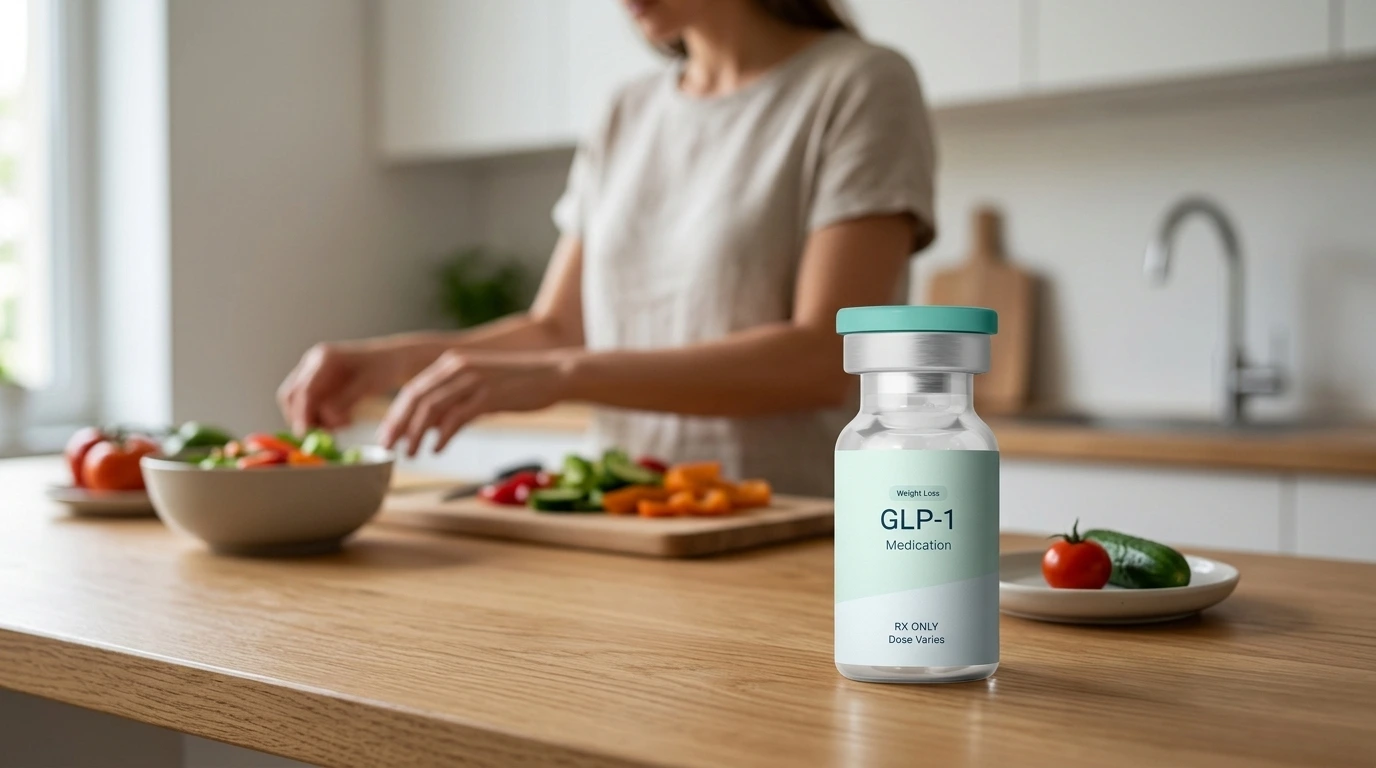
Standing at the pharmacy counter or opening your delivery, you might feel a sense of relief followed by a complex question: how can I make this medication last? Whether you are concerned about supply shortages, managing costs, or hoping to mitigate side effects by taking smaller amounts, the idea of splitting a dose is a common topic in online communities. At TrimRx, we understand the logistical and emotional frustrations that come with weight management journeys. We believe in providing clear, science-backed information to help you navigate these choices safely. This article explores the mechanics of the medication pens, the medical risks associated with dose-splitting, and the safer, personalized alternatives available through telehealth. While the desire to stretch a prescription is understandable, doing so with certain pen designs can lead to significant health risks and reduced effectiveness.
If you are exploring prescription GLP-1 treatment, you can take the free assessment quiz to learn whether a personalized program may be appropriate for you.
Quick Answer: You cannot safely split Wegovy® doses because the pen is a single-use, factory-sealed autoinjector designed to deliver one full dose. Attempting to “hack” the pen by transferring medication to a separate vial carries high risks of contamination and inaccurate dosing.
The Design of the Wegovy® Pen
To understand why splitting a dose is problematic, we must first look at how the medication is packaged. Wegovy® is a brand-name injectable medication containing semaglutide, a glucagon-like peptide-1 (GLP-1) receptor agonist. A GLP-1 receptor agonist is a type of medicine that mimics a natural hormone in your body that helps regulate appetite and blood sugar.
Unlike some other GLP-1 medications that come in a multi-dose “dial-a-dose” pen, this specific branded medication is distributed in a single-dose autoinjector. Each pen is pre-filled with exactly one dose of the medication. The needle is integrated into the device, and the mechanism is spring-loaded. Once the pen is pressed against the skin, the entire contents are discharged at once. After the injection is complete, the pen locks and cannot be used again.
For a broader explanation of how these medicines affect appetite, digestion, and blood sugar, read how GLP-1 medications help with weight loss.
Understanding the Autoinjector Mechanism
The autoinjector is designed for simplicity and safety. It ensures that the patient receives the exact amount prescribed by their doctor without needing to measure or handle a needle manually. However, this design also makes it physically impossible to “stop” the dose halfway through. The internal spring is calibrated to finish the delivery once triggered. This lack of a manual dial means there is no built-in way to select a partial dose.
Why People Consider Splitting Doses
The motivation to split doses usually stems from three main areas. First, the cost of branded GLP-1 medications can be a significant barrier. Some individuals hope that by purchasing a higher-dose pen and splitting it into two smaller doses, they can reduce their monthly expenses. Second, the global supply chain for these medications has been inconsistent. Patients may try to stretch their current supply to avoid a gap in treatment during a shortage.
Finally, some people experience gastrointestinal side effects like nausea or bloating. They may believe that taking a smaller dose more frequently—such as half a dose twice a week instead of a full dose once a week—will be easier on their digestive system. While these concerns are valid, the methods used to achieve a split dose often introduce more problems than they solve.
The Risks of Splitting Wegovy® Doses
When a patient tries to split a single-use dose, they typically have to use an off-label “hack.” This usually involves discharging the pen into a sterile glass vial and then using a separate insulin syringe to draw out smaller amounts. This process is not recommended by healthcare providers or manufacturers for several critical reasons.
For additional context on the risks and limitations of dividing semaglutide doses, see this guide to splitting semaglutide.
Accuracy and Dosing Errors
Dosing accuracy is the most immediate concern. When you move medication from a factory-sealed autoinjector into a secondary container, some of the liquid is inevitably lost. It may stick to the sides of the vial or stay inside the original pen’s needle. This makes it very difficult to know exactly how many milligrams of semaglutide you are actually injecting. GLP-1 medications are highly potent, and even a small error in measurement can lead to inadequate results or an accidental overdose, which can cause severe vomiting and dehydration.
Sterility and Infection Risk
The original pen is manufactured in a sterile, “clean-room” environment. Once the medication leaves that sealed environment and is exposed to the air or a non-professional vial, the risk of contamination increases. Bacteria can enter the solution during the transfer process. Injecting a contaminated substance can lead to localized skin infections, abscesses, or even systemic infections that require hospitalization.
Medication Stability and Potency
Semaglutide is a protein-based medication. Proteins are delicate molecules that can break down if they are exposed to light, heat, or excessive agitation. The process of forcefully “firing” the pen into a vial and then drawing it back into a needle can cause the protein to denature, or lose its shape. If the protein denatures, the medication becomes ineffective. You may be injecting the liquid, but your body can no longer use the active ingredient to support weight loss.
Key Takeaway: “Hacking” a single-use pen to split doses compromises the sterility and chemical stability of the medication, potentially leading to infections or making the treatment ineffective.
How GLP-1 Medications Work in the Body
To appreciate why the dose matters, it is helpful to understand how the medication interacts with your biology. Semaglutide works by targeting the areas of the brain that regulate hunger. It specifically mimics the GLP-1 hormone released by the gut after eating.
When you take the medication at the prescribed dose, it performs several functions:
- It slows down gastric emptying, meaning food stays in your stomach longer, making you feel full faster.
- It signals the brain’s satiety centers to reduce “food noise” or constant cravings.
- It helps the pancreas release the right amount of insulin when blood sugar levels are high.
These actions require a consistent, steady level of the medication in your bloodstream. The weekly dosing schedule is based on the “half-life” of the drug—the amount of time it takes for half of the substance to leave your system. Splitting doses in an unverified way can disrupt these levels, making the medication less effective at managing your appetite.
The Importance of the Standard Titration Schedule
Most weight loss programs involve a titration schedule, which is a gradual increase in dosage over several months. You might start at 0.25 mg per week and slowly move up to 2.4 mg. This slow increase is designed to help your body adjust to the medication and minimize side effects.
When people attempt to split doses, they often deviate from this clinically tested schedule. Bypassing the guidance of a healthcare provider to self-adjust your dose can lead to a plateau in your weight loss or a sudden onset of side effects that are difficult to manage. A personalized program ensures that your dosage is optimized for your specific health profile and weight loss goals.
Learn more about semaglutide dosage and titration before making assumptions about how your dose should change.
A Safer Alternative: Compounded Semaglutide
For those who are looking for more flexibility in dosing or who are concerned about branded supply shortages, compounded semaglutide may be a viable option. At TrimRx, we connect patients with licensed providers who can prescribe compounded versions of these medications.
Compounded medications are prepared by pharmacists to meet the specific needs of an individual patient. Unlike the branded Wegovy® pen, compounded semaglutide often comes in a multi-dose vial. This means the medication is intended to be drawn out with a syringe for each use. Because the vial is designed for multiple uses and the concentration is clearly labeled, your provider can adjust your dose precisely without the need for risky “hacks.”
Read more about what compounded semaglutide medicines are and how they may differ from branded options.
The Difference Between Compounded and Branded Options
It is important to understand the regulatory landscape of these options. Branded medications like Wegovy®, Ozempic®, Mounjaro®, and Zepbound® are FDA-approved products. Compounded semaglutide and compounded tirzepatide are not FDA-approved. However, they are prepared and shipped by FDA-registered, inspected compounding pharmacies. These pharmacies must adhere to strict quality standards to ensure the safety of the medications they produce.
Myth: Splitting a branded pen is the only way to get a customized dose.
Fact: Compounded medications from regulated pharmacies allow for precise, provider-supervised dose adjustments without the risks of self-splitting.
For more information about pharmacy considerations, review what to know about compounded semaglutide.
Managing Side Effects Without Splitting Doses
If your reason for wanting to split doses is to manage side effects, there are safer ways to address your discomfort. You should always consult with a healthcare professional before changing how you take your medication. They may suggest several strategies:
- Hydration: Many side effects are worsened by dehydration. Increasing your water intake, especially on injection day, can help.
- Dietary Adjustments: Eating smaller, more frequent meals and avoiding high-fat or greasy foods can reduce nausea.
- Injection Site Rotation: Some patients find that changing the injection site—for example, moving from the abdomen to the thigh—can alter how they experience side effects.
- Supplements: Nutrient support can play a role in how your body handles the transition. We offer options like GLP-1 Daily Support, which is designed to provide essential vitamins and minerals during your program.
A gradual, provider-guided approach to starting treatment can also help. See what to expect from a first semaglutide dose for additional guidance.
How to Store Your Medication Correctly
Whether you use a branded pen or a compounded vial, proper storage is non-negotiable. Semaglutide must generally be kept in the refrigerator. Exposure to temperatures above room temperature for extended periods can cause the medication to break down.
If you were to split a dose into a vial, the stability of that “extracted” medication is unknown. It is no longer protected by the specialized housing of the autoinjector pen. This is yet another reason why the DIY approach to dose splitting is discouraged by the medical community. To ensure your investment in your health is protected, always follow the storage instructions provided by the pharmacy and your healthcare team.
Starting Your Journey with a Personalized Program
Choosing the right path for weight loss involves more than just picking a medication; it requires a comprehensive system of support. Telehealth platforms like ours offer a streamlined way to access care without the need for in-person visits or long waits in a doctor’s office.
Step 1: Complete the Assessment
The process begins with a free assessment quiz. This helps us understand your health history, your current BMI, and your specific weight loss goals. This information is vital for a provider to determine if a GLP-1 medication is appropriate for you.
Step 2: Provider Consultation
A licensed healthcare provider reviews your assessment and lab work. They will discuss the benefits and risks of medications like compounded semaglutide or tirzepatide. This is the stage where you can ask questions about dosing and side effect management.
Step 3: Ongoing Support
Once a treatment plan is established, the medication is shipped directly to your door from a regulated pharmacy. You gain 24/7 access to a team of specialists who can guide you through each step, ensuring you never feel the need to resort to unsafe practices like dose-splitting.
Bottom line: Safety and accuracy are the pillars of successful medical weight loss. Utilizing a program that offers medical supervision and regulated medication is the most effective way to reach your goals.
Conclusion
While the temptation to split Wegovy® doses is a response to real challenges like cost and supply, the medical risks far outweigh the perceived benefits. Attempting to manually extract medication from a single-use autoinjector invites infection, dosing errors, and medication failure. At TrimRx, we are committed to an empathetic and transparent approach to weight loss. We believe that by providing access to personalized programs and compounded alternatives, we can help you achieve sustainable health improvements safely. Our mission is to merge clinical expertise with modern convenience, ensuring you have a science-backed partner at every stage of your journey.
If you are ready to take a realistic next step toward your health goals, complete a free eligibility assessment to see which personalized program is right for you.
FAQ
Can I dial back the dose on a Wegovy pen?
No, the Wegovy® pen is a single-use autoinjector and does not have a dial to adjust the dose. Once the pen is triggered, it will release the entire pre-measured amount of medication and then lock permanently.
Is it safe to move semaglutide from a pen to a vial?
It is not considered safe because it breaks the sterile seal of the medication. This process can introduce bacteria, lead to inaccurate dosing, and cause the active ingredients to break down and become ineffective.
Why do some people split their GLP-1 doses?
People often consider splitting doses to save money, manage medication shortages, or try to reduce side effects like nausea. However, these goals are better met through professional medical guidance and legitimate dosing options provided by a healthcare platform.
How can I get a custom dose of semaglutide?
A safer way to get a custom dose is through a personalized program that uses compounded semaglutide. Since compounded medication often comes in a multi-dose vial, your healthcare provider can give you a precise schedule for drawing up the exact amount you need. To discuss whether this approach may be appropriate, see if you qualify for a personalized program.
Disclaimer: This content is for informational purposes only and does not constitute medical advice. It is not intended to diagnose, treat, cure, or prevent any disease or condition. Individual results may vary. Always consult a qualified healthcare professional before starting any weight loss program or medication.

Transforming Lives, One Step at a Time
Keep reading
Can the Wegovy Pill Hold the Weight You Lost on Semaglutide Injections?
Most likely yes, once you reach the maintenance dose. The risk is not the destination but the trip: switching means restarting titration on the…

Wegovy Alternatives: What Else Works for Weight Loss
If Wegovy isn’t working out, the strongest alternative is tirzepatide (Zepbound), which tends to produce more weight loss, followed by other GLP-1 options and…

VK2735 vs Wegovy: Investigational Contender vs Proven Semaglutide
VK2735 and Wegovy sit at different stages of development. VK2735, an investigational drug from Viking Therapeutics, comes in both injectable and oral forms and…


