How to Stop Diarrhea When Taking Mounjaro
Introduction
Starting a weight loss journey often brings a sense of hope and momentum, but that progress can feel stalled when you are suddenly dealing with frequent, urgent trips to the bathroom. If you are experiencing digestive upset after your first few doses or a dosage increase, you are certainly not alone. Many people encounter gastrointestinal changes as their bodies adapt to new hormonal signals. If you are wondering whether a prescription program is the right next step, you can take the free assessment quiz to see whether a personalized plan makes sense for you. At TrimRx, we believe that managing side effects is just as important as the treatment itself to ensure you stay on track toward your health goals. This article will explain why these symptoms occur, which foods to prioritize or avoid, and how to effectively manage diarrhea to improve your comfort and long-term success. Understanding the biological triggers for these changes is the first step toward regaining control over your daily routine.
Why Mounjaro Causes Digestive Changes
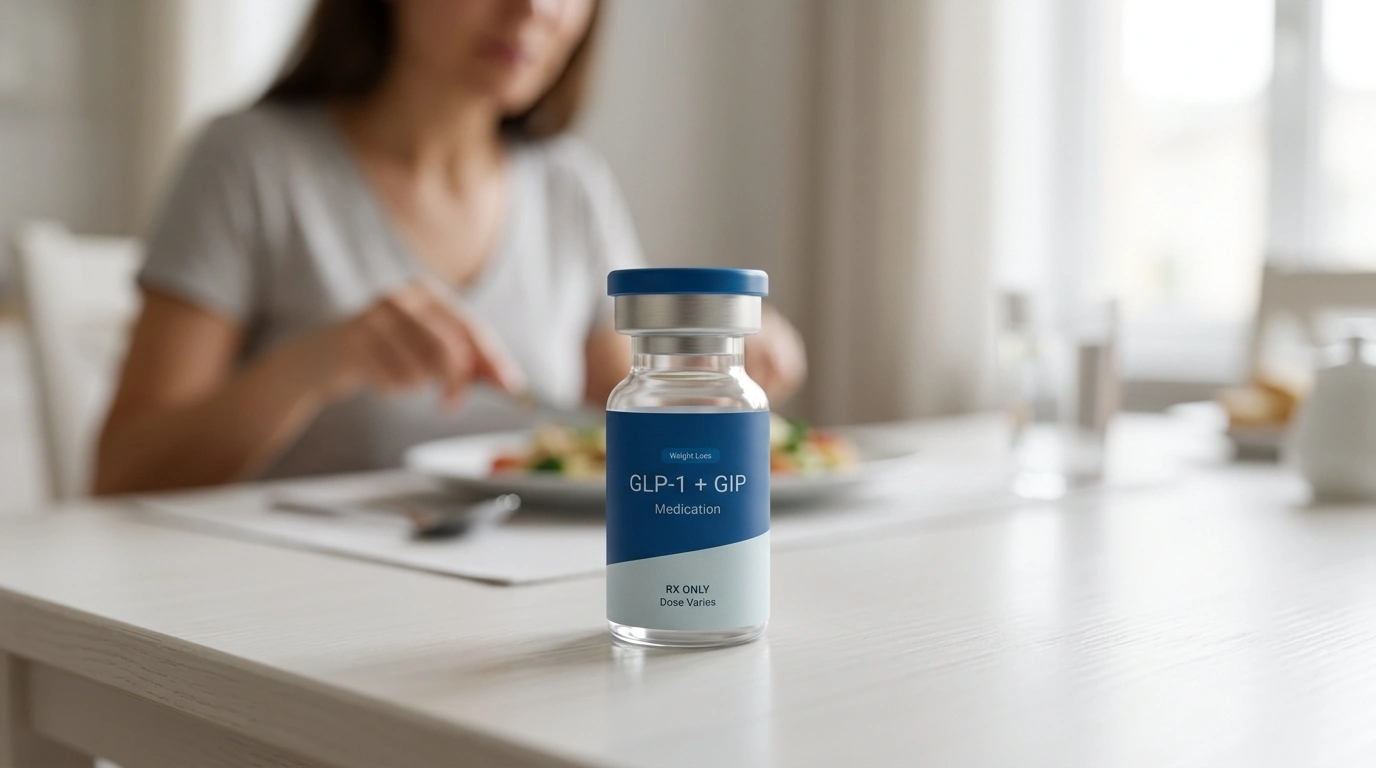
To understand how to stop diarrhea when taking Mounjaro® (tirzepatide), it is helpful to look at how the medication interacts with your internal systems. For a broader look at the digestive effects behind these symptoms, why GLP-1 medications cause GI issues is a helpful companion read. Mounjaro is a dual-agonist medication, meaning it mimics two different natural hormones in the body: glucagon-like peptide-1 (GLP-1) and glucose-dependent insulinotropic polypeptide (GIP). These hormones are responsible for regulating blood sugar, signaling fullness to the brain, and managing the speed at which food moves through your digestive tract.
The primary mechanism of these medications involves slowing down gastric emptying. This means food stays in your stomach longer, which helps you feel satisfied with smaller portions. However, this shift in timing can sometimes disrupt the rhythm of the rest of your digestive system. For a closer look at how stools and bowel patterns can change during treatment, GLP-1 medications and bowel changes: what’s normal is a useful reference. For some individuals, the change in hormone signaling causes the intestines to move more rapidly or affects how the colon absorbs water. When the colon does not absorb enough fluid from the waste passing through it, the result is loose, watery stools.
Individual sensitivity plays a major role in how these symptoms manifest. While some people may experience constipation due to slowed movement, others experience the opposite. This often occurs during the “dose escalation” phase—the period when your provider gradually increases your dosage to help your body acclimate.
Key Takeaway: Diarrhea is a common side effect of tirzepatide caused by changes in gut motility and hormone signaling as the body adjusts to slowed digestion and altered fluid absorption.
Dietary Strategies for Digestive Relief
Your diet is one of the most powerful tools you have to manage gastrointestinal side effects. When your digestive system is sensitized, certain foods act as triggers that can worsen irritation and urgency. If you want a deeper dive into how this side effect shows up in practice, Can Mounjaro Cause Diarrhea? is a helpful guide.
Avoiding Trigger Foods and Drinks
Certain substances are known to “speed up” the gut or draw more water into the intestines, which is exactly what you want to avoid during a bout of diarrhea.
- High-Fat and Greasy Foods: Fried foods, heavy sauces, and fatty meats are difficult to digest. Because Mounjaro® already slows down your stomach, these fats can sit longer and eventually cause significant irritation when they move into the intestines.
- Added Sugars and Sugar Alcohols: Many “diet” or “sugar-free” products contain sugar alcohols like xylitol, erythritol, or sorbitol. These are osmotic agents, meaning they pull water into the colon, often leading to a laxative effect.
- Dairy Products: Even if you aren’t normally lactose intolerant, a sensitized gut may temporarily struggle to process lactose. Reducing milk, soft cheeses, and ice cream can help calm the system.
- Caffeine and Alcohol: Both are known stimulants that can increase intestinal contractions. Caffeine, in particular, can act as a natural laxative, which may exacerbate existing diarrhea.
Embracing the BRAT Diet and Bland Foods
When symptoms are active, many clinicians recommend reverting to a “bland” diet for 24 to 48 hours. The most common framework is the BRAT diet: Bananas, Rice, Applesauce, and Toast. These foods are low in fiber and easy for the stomach to break down. They help provide bulk to the stool without overstimulating the intestines.
Other safe options include:
- Boiled or poached chicken (without skin)
- Whitefish
- Saltine crackers
- Soft-cooked carrots or squash
- Plain oatmeal (made with water)
The Role of Fiber
Fiber is usually the hero of a healthy diet, but when you are trying to stop diarrhea, you need to be strategic. There are two types of fiber: soluble and insoluble.
Soluble fiber absorbs water and turns into a gel-like substance, which can help thicken loose stools. Foods like oats, peeled apples, and beans (in moderation) are good sources. Insoluble fiber, found in the skins of fruits, whole wheat, and leafy greens, acts like a broom to speed things along. While you are struggling with diarrhea, it is often helpful to temporarily reduce insoluble fiber until your movements normalize.
Hydration and Electrolyte Management
One of the greatest risks of persistent diarrhea is dehydration. When your body loses fluids too quickly, it also loses essential minerals known as electrolytes—such as sodium, potassium, and magnesium—which are vital for heart, nerve, and muscle function. For another look at how tirzepatide-related diarrhea develops and is managed, this tirzepatide diarrhea guide offers more detail.
Boldly prioritize fluid intake by sipping water consistently throughout the day. Chugging large amounts of water at once can sometimes trigger an “urging” sensation in the gut, so small, frequent sips are usually better tolerated.
If your symptoms last more than 24 hours, water alone may not be enough. Consider incorporating:
- Bone broth or clear vegetable broth: These provide hydration along with natural sodium.
- Electrolyte replacements: Look for low-sugar or sugar-free electrolyte powders or drinks. Be careful with standard sports drinks, as their high sugar content can sometimes make diarrhea worse through osmotic pressure.
- Herbal teas: Peppermint or ginger tea can help soothe the stomach lining while contributing to your fluid goals.
Note: Signs of dehydration include extreme thirst, dark-colored urine, dizziness when standing up, and a dry mouth. If you experience these, increase your fluid intake and contact a healthcare professional.
Optimizing Your Eating Habits
How you eat can be just as impactful as what you eat. Because tirzepatide changes how your stomach processes food, your “old” eating habits might no longer serve your body’s new needs.
Eat smaller, more frequent meals. Instead of three large meals, try five or six small snacks throughout the day. This prevents the stomach from becoming overly full, which reduces the pressure on the digestive tract and can minimize the risk of “dumping” waste into the intestines too quickly.
Chew your food thoroughly. Digestion begins in the mouth. By breaking down food mechanically as much as possible before swallowing, you reduce the workload on your stomach and small intestine.
Listen to your satiety signals. One of the main benefits of medications like those discussed here is the feeling of fullness. If you continue to eat after you feel full, you are significantly more likely to experience nausea, vomiting, or diarrhea. The “one more bite” habit can be a major trigger for digestive upset.
Over-the-Counter Options and Supplements
If lifestyle changes are not providing enough relief, there are over-the-counter (OTC) options available. However, because GLP-1 and GIP medications affect the speed of drug absorption, you should always consult with a licensed healthcare provider before adding new medications to your routine. If you want extra nutritional support during GLP-1 treatment, the GLP-1 Daily Support supplement is one option to discuss with your care team.
- Loperamide (Imodium®): This is a common anti-diarrheal medication that works by slowing down the movement of the intestines. It can be effective for short-term relief.
- Bismuth subsalicylate (Pepto-Bismol®): This can help with upset stomach and diarrhea, though it should be used cautiously and for short periods.
- Probiotics: Some research suggests that certain strains of beneficial bacteria can help restore balance to the gut microbiome. While they may not stop acute diarrhea instantly, they can support long-term digestive resilience.
Myth: “I should stop taking my medication immediately if I get diarrhea.” Fact: Most digestive side effects are temporary and occur as the body adjusts. Stopping the medication abruptly can disrupt your progress. Instead, consult your provider about potentially adjusting the dose or staying at a lower dose for a longer period.
The Importance of Personalization and Supervision
At TrimRx, we recognize that every body reacts differently to metabolic treatments. This is why a “one size fits all” approach to weight loss often leads to frustration. Our platform connects you with licensed providers who can tailor your program to your specific needs. If you are ready to see whether a personalized plan is right for you, complete the free assessment quiz to get started.
If you are experiencing persistent diarrhea, your provider may suggest a slower titration schedule. This means staying on a lower dose for several extra weeks to give your gut more time to adapt before moving to a higher strength. This personalized pacing is a core component of our mission to make sustainable weight loss achievable and comfortable. Whether you are using compounded medications or looking for guidance on branded options, having a dedicated support team can make the difference between giving up and reaching your goals.
When to Seek Medical Professional Guidance
While mild to moderate diarrhea is a common side effect, there are instances where it may indicate a more serious issue or lead to severe complications. If you want a broader overview of common GLP-1 side effects, what to expect can help you compare normal adjustment symptoms with red flags. You should contact a healthcare provider immediately if you experience any of the following “red flag” symptoms:
- Diarrhea lasting more than 48–72 hours without any improvement.
- Severe abdominal pain or cramping that does not subside after a bowel movement.
- High fever (over 101.3°F).
- Blood in the stool or stools that appear black and tarry.
- Persistent vomiting that prevents you from keeping fluids down.
- Significant lightheadedness or fainting, which are signs of advanced dehydration.
It is also important to remember that while Mounjaro® and Zepbound® (tirzepatide) are FDA-approved for specific conditions, any medication can have contraindications. Always keep your provider informed of all other medications or supplements you are taking to avoid potential interactions.
Summary of Action Steps
If you are currently struggling with loose stools while on your weight loss journey, follow these steps to regain comfort:
- Simplify your diet: Switch to the BRAT diet for 24 hours and avoid fried, spicy, and high-sugar foods.
- Focus on hydration: Sip 2.5 to 3 liters of fluid daily, incorporating electrolytes if the diarrhea is frequent.
- Adjust meal timing: Switch to smaller, more frequent portions to avoid taxing your digestive system.
- Track your triggers: Keep a simple food diary to see if specific ingredients (like dairy or caffeine) worsen your symptoms.
- Communicate with your team: Reach out to your provider via the platform if symptoms persist or if you feel the dose is too high for your current level of tolerance.
Bottom line: Most cases of diarrhea on Mounjaro are temporary and manageable with dietary adjustments, proper hydration, and a patient approach to dose titration.
Conclusion
Managing the side effects of GLP-1 and GIP medications is a vital part of achieving long-term weight management success. While diarrhea can be a disruptive and uncomfortable experience, it is usually a signal that your body is in the process of adjusting to a new metabolic state. By focusing on gentle nutrition, consistent hydration, and mindful eating habits, you can often mitigate these symptoms without derailing your progress.
Our mission at TrimRx is to provide the science-backed tools and empathetic support needed to navigate these transitions safely. We believe that weight loss is not just about the number on the scale, but about feeling better in your body every day. If you are ready to take the next step with a program designed for your unique health profile, we invite you to begin your journey today.
Your Next Step: Are you ready to see which personalized weight loss program is right for you? Take our free assessment quiz to get started and receive a clinical evaluation from a licensed provider.
FAQ
How long does diarrhea typically last after starting Mounjaro?
For most individuals, digestive side effects like diarrhea are most common during the first few weeks of treatment or immediately following a dose increase. Symptoms typically subside within a few days to two weeks as the body becomes accustomed to the medication’s effects on gastric emptying and hormone levels.
Can I take over-the-counter anti-diarrheal medicine with tirzepatide?
In many cases, OTC medications like loperamide are safe to use for short-term relief, but you must consult your healthcare provider first. Because tirzepatide slows down digestion, the way your body processes other medications can change, and your doctor can ensure there are no contraindications specific to your health history.
Why do I get diarrhea even if I haven’t changed my diet?
Diarrhea on Mounjaro® is often caused by the medication’s direct effect on gut hormones and intestinal fluid balance, rather than just the food you eat. Even if your diet is consistent, the hormonal shift can change how quickly waste moves through your system and how much water your colon absorbs.
Should I skip my next dose if I am still having diarrhea?
You should never skip or adjust your medication dose without consulting your prescribing provider. If your symptoms are severe, your provider may recommend staying at your current dose for another month or even decreasing the dose temporarily, but these decisions should always be made under medical supervision to ensure the best outcomes for your health. If you want help deciding what a personalized plan may look like, take the free assessment quiz to discuss next steps with a licensed provider.
Disclaimer: This content is for informational purposes only and does not constitute medical advice. It is not intended to diagnose, treat, cure, or prevent any disease or condition. Individual results may vary. Always consult a qualified healthcare professional before starting any weight loss program or medication.

Transforming Lives, One Step at a Time
Keep reading

Mounjaro Alternatives: What Else to Consider
If Mounjaro isn’t the right fit, the closest alternatives are other GLP-1 medications, chiefly semaglutide (Ozempic for diabetes, Wegovy for weight), along with a…

Mounjaro vs Zepbound: Same Drug, Two Brands
Like their semaglutide counterparts, Mounjaro and Zepbound are the same medication (tirzepatide) sold under two names for two purposes: Mounjaro is approved for type…

Retatrutide vs Mounjaro: Triple Agonist vs Dual Agonist
The core difference between retatrutide and Mounjaro comes down to how many hormone targets each hits: retatrutide activates three receptors, while Mounjaro (tirzepatide) activates…


