How to Stop Feeling Cold on Wegovy
Introduction
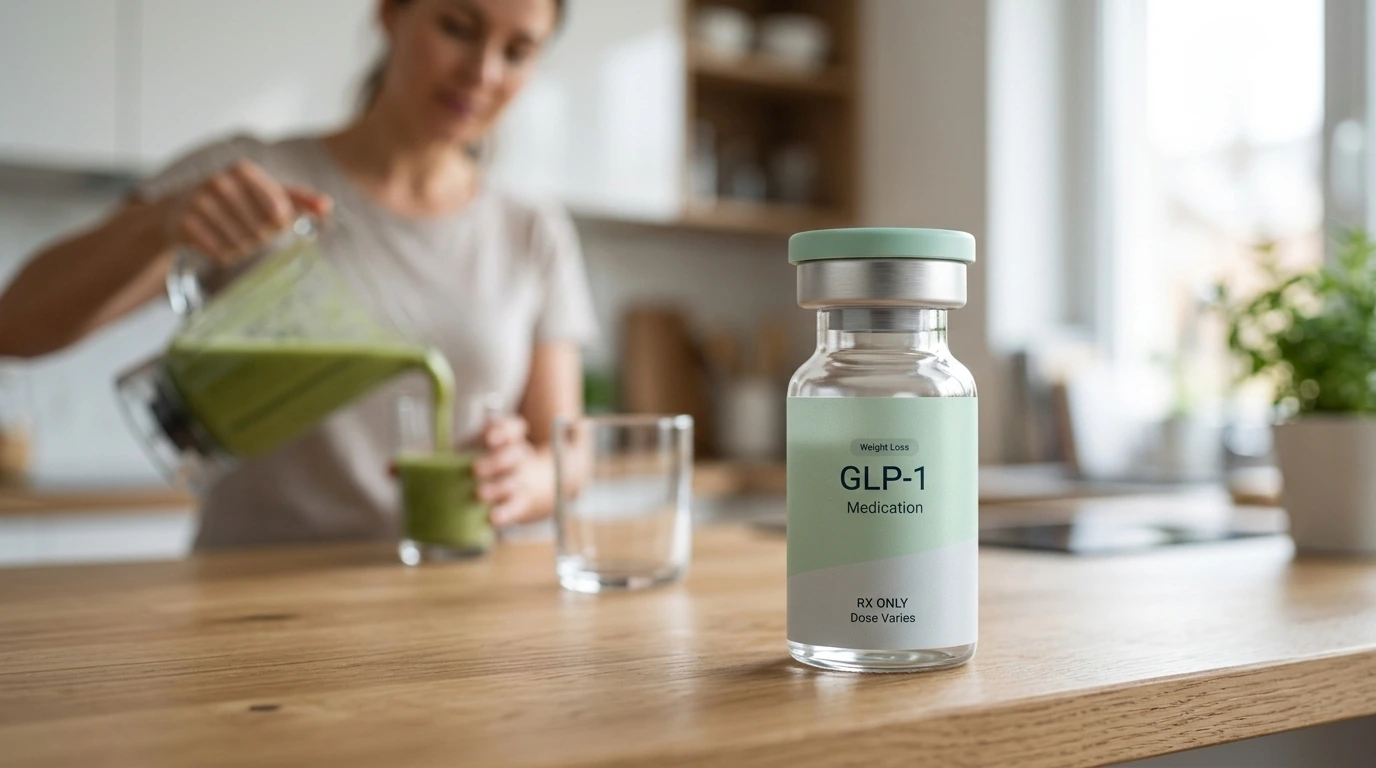
It starts as a slight shiver while sitting in a temperature-controlled room, or perhaps you find yourself reaching for a heavy sweater when everyone else seems perfectly comfortable. If you have recently started a weight loss journey using GLP-1 medications, you might be surprised to find that “feeling cold” is one of the most frequently discussed side effects in patient communities. While common, this sensation can be distracting and uncomfortable as you work toward your health goals. At TrimRx, we believe that understanding the biological “why” behind these symptoms is the first step toward managing them effectively. This post will cover the scientific reasons for temperature shifts, practical lifestyle adjustments to stay warm, and how our personalized programs support your metabolic health. By the end, you will have a clear toolkit to help regulate your body temperature while staying on track with your weight loss progress.
If you are exploring how GLP-1 medications work more broadly, this guide to how semaglutide works for weight loss can provide additional context.
Why Wegovy® May Make You Feel Cold
Wegovy®, which contains the active ingredient semaglutide, belongs to a class of medications known as GLP-1 receptor agonists (glucagon-like peptide-1). These medications mimic a natural hormone in the body that regulates appetite and blood sugar. While they are highly effective for weight management, they can also influence the body’s internal thermostat in several ways.
The Hypothalamus and Temperature Regulation
The hypothalamus is a small but vital region in the brain that acts as your body’s command center for homeostasis (the maintenance of a stable internal environment). It controls hunger, thirst, and, most importantly, body temperature. Research suggests that GLP-1 receptors are located within the hypothalamus. When these receptors are activated by medication, it may slightly alter the “set point” of your internal temperature or change how the brain perceives cold and heat.
For a broader explanation of semaglutide’s role in appetite and metabolism, read what semaglutide is and how it supports weight management.
Changes in Metabolic Rate
When you consume fewer calories, your body naturally tries to conserve energy. This is a survival mechanism often referred to as adaptive thermogenesis. As your caloric intake drops, your basal metabolic rate (the energy required to keep your body functioning at rest) may slow down. Because the process of burning calories generates heat, a slower metabolism can result in a lower core body temperature, making you feel chilled even in mild weather.
The Thermal Effect of Food
Every time you eat, your body generates heat through a process called the thermal effect of food (TEF). The act of breaking down, absorbing, and processing nutrients requires energy and produces warmth as a byproduct. Because medications like Wegovy® significantly reduce appetite and lead to smaller meal sizes, your body experiences fewer “heat spikes” from digestion throughout the day.
Key Takeaway: Feeling cold on GLP-1 medication is often a sign of your body adjusting to a lower caloric intake and changes in how your brain regulates its internal thermostat.
The Role of Fat Loss and Insulation
One of the most straightforward reasons people feel colder during significant weight loss is the reduction of physical insulation. Adipose tissue (body fat) serves as a protective layer that helps retain body heat.
Subcutaneous Fat Loss
Subcutaneous fat is the layer of fat located directly under your skin. This layer acts like a thermal blanket, trapping heat inside the body. As you lose this fat, your body becomes less efficient at preventing heat from escaping into the environment. Individuals who lose weight rapidly often notice they are particularly sensitive to drafts or air conditioning because they have fewer “layers” to shield their internal organs and blood vessels.
For another look at how weight loss and reduced calorie intake may contribute to cold sensitivity, explore this GLP-1 cold-sensitivity guide.
White Fat vs. Brown Fat
Not all fat is created equal when it comes to temperature. White adipose tissue is primarily used for energy storage and insulation. Brown adipose tissue, on the other hand, is metabolically active and responsible for thermogenesis (creating heat). During a weight loss journey, the reduction in white fat is a primary goal, but if the body is not effectively activating brown fat to compensate for the loss of insulation, the result can be a persistent feeling of being cold.
Practical Strategies to Stop Feeling Cold
If you are experiencing the “GLP-1 chills,” you do not have to simply wait for it to pass. There are several proactive steps you can take to support your body’s temperature regulation and improve your comfort levels.
Optimize Your Wardrobe
Managing your external environment is the easiest way to combat internal coldness.
- Layering: Wear moisture-wicking base layers made of synthetic fabrics or merino wool. These materials trap heat close to the skin while allowing the skin to breathe.
- Focus on Extremities: Heat is often lost through the head, hands, and feet. Wearing thick socks or indoor slippers can make a significant difference in your overall perceived warmth.
- Weighted Blankets: Many patients find that using a weighted blanket at night provides both warmth and a sense of security, which can be helpful if the medication impacts your sleep quality.
Prioritize Protein and Warm Foods
What you eat can influence how warm you feel. While your appetite may be lower, making specific choices about the type of food you consume can help.
- High Protein Intake: Protein has a higher thermal effect than fats or carbohydrates. This means your body works harder to digest it, producing more internal heat.
- Warm Liquids: Sip on herbal teas, bone broth, or warm lemon water throughout the day. This provides a direct source of heat to your core and helps maintain hydration.
- Spicy Ingredients: Ingredients like capsaicin (found in chili peppers) can temporarily boost your metabolic rate and induce a warming sensation.
Incorporate Resistance Training
Muscle mass is a “metabolic furnace.” Unlike fat, which provides passive insulation, muscle tissue is metabolically active and generates heat even when you are not moving.
- Preserving Lean Mass: Rapid weight loss can sometimes lead to muscle loss. By engaging in strength training two to three times a week, you help preserve your muscle mass, which keeps your basal metabolic rate higher.
- Improving Circulation: Physical activity increases blood flow to your extremities. Even a five-minute walk or some light stretching can help move warm blood to your fingers and toes.
Bottom line: A combination of strategic layering, protein-rich warm meals, and consistent movement is the most effective way to counteract the temperature drops associated with GLP-1 treatments.
If you are considering whether semaglutide may fit your health goals, you can complete a free eligibility assessment for a personalized review.
The Importance of Hydration and Electrolytes
It may seem counterintuitive, but staying hydrated is essential for staying warm. Water plays a critical role in blood volume and circulation. If you are dehydrated, your blood volume drops, and your body may prioritize keeping blood near your vital organs, leaving your hands and feet feeling icy.
Why Electrolytes Matter
When you are on a medication like Wegovy®, your body may process fluids differently. It is common to lose electrolytes like sodium, potassium, and magnesium. These minerals are necessary for proper nerve function and muscle contraction, including the tiny muscles in your blood vessels that help regulate blood flow.
At TrimRx, we often suggest that patients focus on comprehensive hydration. Our GLP-1 Daily Support supplement is designed to complement your journey by providing essential nutrients that may be lacking when your food intake decreases. Proper nutrient balance ensures that your body has the raw materials it needs to manage side effects like coldness and fatigue.
Nutrient Deficiencies and Temperature Sensitivity
In some cases, feeling cold is not just a side effect of the medication itself but a secondary result of nutrient gaps. When you eat significantly less, it becomes harder to meet your daily requirements for certain vitamins and minerals.
Iron and Anemia
Iron is a key component of hemoglobin, the protein in red blood cells that carries oxygen. If your iron levels are low, your cells may not receive enough oxygen to produce energy effectively, leading to a constant feeling of cold and exhaustion. If your chills are accompanied by extreme paleness or brittle nails, it is important to speak with a healthcare provider about checking your iron levels.
Vitamin B12
Vitamin B12 is essential for red blood cell formation and neurological function. Some studies suggest that GLP-1 medications can occasionally interfere with the absorption of certain nutrients, or the reduced food intake simply leads to lower B12 levels. A deficiency in B12 can cause “pins and needles” sensations or coldness in the hands and feet.
Lifestyle Adjustments for Daily Comfort
Beyond diet and clothing, changing how you interact with your environment can provide immediate relief.
Use External Heat Sources Safely
- Warm Baths or Showers: A warm soak before bed can raise your core temperature and help you transition into sleep more comfortably.
- Heating Pads: Using a low-heat setting on a heating pad while sitting at a desk or on the couch can provide localized relief.
- Infrared Saunas: Some people find that occasional sessions in an infrared sauna help “reset” their internal temperature, though you should always consult your provider before starting new heat-based therapies.
Monitoring Blood Sugar
Because Wegovy® affects how your body handles glucose, feeling cold can sometimes be associated with blood sugar fluctuations. While the medication is designed to stabilize blood sugar, significant drops (hypoglycemia) can cause shakiness and chills. Ensuring you eat small, frequent, nutrient-dense snacks can prevent these dips and keep your energy levels—and temperature—stable.
When to Consult Your Healthcare Provider
While feeling cold is a common and usually harmless side effect of GLP-1 medications, there are times when it warrants a conversation with a professional. Within the TrimRx platform, patients have access to specialists who can help distinguish between normal adjustments and more serious concerns.
You should seek medical guidance if:
- The coldness is accompanied by extreme lethargy or hair loss (this could indicate a thyroid issue).
- Your fingers or toes turn blue or white when cold (a sign of Raynaud’s phenomenon).
- You experience severe dizziness or fainting along with the chills.
- The sensation of cold is so intense that it prevents you from performing daily activities.
A licensed healthcare provider can order lab work to check your thyroid function (TSH levels), iron stores (ferritin), and blood glucose to ensure your weight loss program is progressing safely.
If you want to discuss whether a personalized prescription program is appropriate, you can see if you qualify for a personalized program.
Step-by-Step Checklist for Managing Chills
If you feel a chill coming on, follow this quick process to warm up and stay comfortable:
- Step 1: Check your hydration. Drink 8–12 ounces of room-temperature or warm water with electrolytes.
- Step 2: Add a layer. Put on a vest, a scarf, or thick socks immediately to stop heat loss.
- Step 3: Move your body. Perform 10 air squats or pace around the room for two minutes to stimulate blood flow.
- Step 4: Assess your last meal. If it has been more than four hours since you ate, have a small high-protein snack like a hard-boiled egg or a piece of turkey.
- Step 5: Check the environment. Ensure you are not sitting directly under an air conditioning vent or in a drafty area.
Supporting Your Journey with TrimRx
Navigating the side effects of weight loss medications can be challenging when you do it alone. At TrimRx, we provide a telehealth-first experience that connects you with the resources and clinical support needed for a successful transformation. Our personalized programs are designed around your unique health profile, ensuring that your dosage and treatment plan are optimized for both results and comfort.
We understand that sustainable weight loss is about more than just the number on the scale; it is about how you feel every day. By offering access to medications shipped from FDA-registered, inspected compounding pharmacies and providing 24/7 access to our team of specialists, we help you manage symptoms like the “Wegovy chills” so you can stay focused on your long-term health goals.
Conclusion
Feeling cold while taking Wegovy® is a common biological response to reduced caloric intake, the loss of insulating fat, and the medication’s interaction with your brain’s temperature-regulating centers. While it may be an annoying side effect, it is often a sign that your body is undergoing significant metabolic changes. By prioritizing protein, staying active to preserve muscle mass, and using smart layering techniques, you can effectively manage your temperature. Remember that every weight loss journey is unique, and having a supportive team behind you can make all the difference. Our mission at TrimRx is to help you embrace a healthier lifestyle through a transparent, science-backed, and empathetic approach to sustainable weight loss.
Key Takeaway: Don’t let the chills discourage you. Adjust your lifestyle to support your body’s new metabolic state, and always reach out for professional support when needed.
If you are ready to start a personalized weight loss program tailored to your needs, the first step is easy.
- Take the free assessment quiz to see if you are eligible for a prescription program.
- Explore our quick-access supplements like Weight Loss Boost for metabolic and energy support.
FAQ
Why does Wegovy® make me feel so cold?
The medication affects the hypothalamus, which regulates body temperature, and as you eat fewer calories, your body generates less heat through digestion. Additionally, losing the “insulating” layer of body fat makes it easier for heat to escape your body.
For additional background on semaglutide’s effects, read this detailed semaglutide explainer.
Is feeling cold a permanent side effect?
For many people, the sensation is most intense during the initial stages of weight loss or when the dosage is increased. As your body reaches a stable weight and adapts to its new metabolic rate, your temperature regulation may become more consistent.
Can I take supplements to help with the chills?
Supplements that support circulation and nutrient levels, such as iron, B12, or electrolytes, may be helpful if a deficiency is contributing to the problem. Our GLP-1 Daily Support is designed to provide the essential vitamins that can be missed during periods of reduced caloric intake.
How can I tell if my chills are serious?
If you experience “cold flashes” along with extreme fatigue, hair loss, or your skin turning blue or white in the cold, you should consult a healthcare provider. These could be signs of anemia, thyroid issues, or circulation disorders that require a professional diagnosis. You can also review this guide to getting semaglutide through a personalized program if you are considering treatment options.
Disclaimer: This content is for informational purposes only and does not constitute medical advice. It is not intended to diagnose, treat, cure, or prevent any disease or condition. Individual results may vary. Always consult a qualified healthcare professional before starting any weight loss program or medication.

Transforming Lives, One Step at a Time
Keep reading
Can the Wegovy Pill Hold the Weight You Lost on Semaglutide Injections?
Most likely yes, once you reach the maintenance dose. The risk is not the destination but the trip: switching means restarting titration on the…

Wegovy Alternatives: What Else Works for Weight Loss
If Wegovy isn’t working out, the strongest alternative is tirzepatide (Zepbound), which tends to produce more weight loss, followed by other GLP-1 options and…

VK2735 vs Wegovy: Investigational Contender vs Proven Semaglutide
VK2735 and Wegovy sit at different stages of development. VK2735, an investigational drug from Viking Therapeutics, comes in both injectable and oral forms and…


