How to Talk to Friends and Family About Taking Ozempic
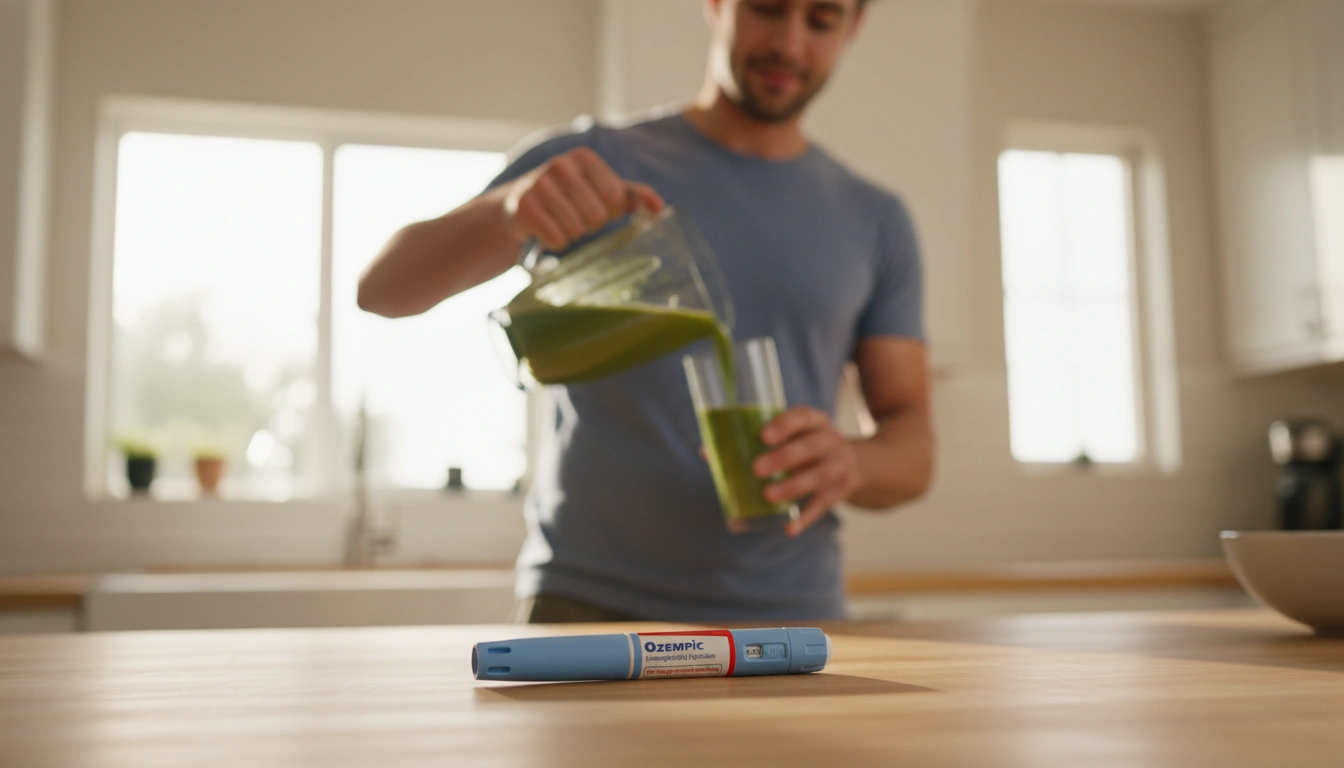
Starting a GLP-1 medication is a medical decision, and like most medical decisions, it’s fundamentally private. You don’t owe anyone an explanation. But the reality is that significant weight loss tends to generate questions, and the cultural conversation around Ozempic has made the medication unusually visible and unusually opinionated. Knowing how to navigate those conversations, on your own terms, is genuinely useful.
You Get to Decide Who Knows
The first thing worth establishing clearly is that you are under no obligation to disclose your medication to anyone outside your medical team. Weight loss is one of those topics people feel oddly entitled to comment on, and GLP-1 medications have attracted enough media attention that some people will ask directly. You’re allowed to decline to answer, redirect, or simply say it’s not something you’re discussing.
That said, most people find that some level of disclosure to people they’re close to makes the experience easier. Having support from a partner, a close friend, or a family member can make a real difference during the adjustment period, particularly when side effects are challenging or motivation wavers. The question isn’t whether to tell anyone. It’s who, how much, and when.
Starting With the People Closest to You
For most people, telling a partner or spouse is both practical and important. GLP-1 medications change eating patterns significantly, which affects shared meals, grocery shopping, restaurant choices, and social eating. A partner who understands what you’re doing and why is better positioned to be genuinely supportive rather than inadvertently undermining.
The conversation doesn’t need to be a formal announcement. Keeping it straightforward tends to work well. Something like: “I’ve started a medication to help with weight loss. It’s called semaglutide. My doctor and I decided it was the right approach for me, and I wanted you to know because it’ll probably change how I eat for a while.” That covers the basics without over-explaining or inviting debate.
With close friends, the calculus is similar. People who are genuinely in your corner will be supportive. And if someone responds poorly, that’s information worth having about the relationship.
Handling the “Ozempic Is the Easy Way Out” Response
This is the response many people dread most, and unfortunately it’s not uncommon. The cultural narrative around GLP-1 medications has included a significant amount of commentary about whether using medication for weight loss is somehow less legitimate than losing weight through diet and exercise alone.
If you encounter this from someone in your life, a few things are worth keeping in mind. First, you don’t need to defend your medical decisions to anyone. Second, if you choose to engage, the most effective response is usually factual rather than defensive. Obesity is a complex metabolic condition with strong genetic and neurological components. GLP-1 medications work by correcting hormonal dysregulation, not by doing the work for you while you do nothing.
You might say something like: “I understand why people think that, but obesity involves real hormonal and neurological factors that diet alone often can’t address. This medication helps correct those underlying issues. It’s not that different from taking medication for any other chronic condition.”
You don’t have to convince anyone. But having a clear, calm response ready takes the sting out of the comment and keeps you from feeling like you need to justify yourself in the moment.
When Colleagues or Acquaintances Notice and Ask
Significant weight loss is visible, and people who see you regularly will notice. Colleagues, acquaintances, and extended family members may comment or ask questions. These conversations require less disclosure than ones with close relationships.
“I’ve made some changes that are working well” is a complete answer. So is “I’ve been working with my doctor on some health goals.” Neither is dishonest, and neither invites follow-up the way a full explanation might.
If someone asks directly whether you’re taking Ozempic, you’re allowed to say “I’d rather keep my medical stuff private, but thank you for noticing” without any further explanation. Most people will respect that.
Navigating Family Dynamics Around Food
Family settings, particularly ones involving shared meals and strong food culture, can be where GLP-1 treatment creates the most friction. Eating less than usual, declining certain foods, or leaving food on the plate can generate commentary or concern from family members, especially older generations for whom feeding people is an expression of care.
It may help to give family members who cook for you a simple heads up: “I’m eating smaller portions these days, so please don’t be offended if I don’t eat as much. Everything is delicious, I’m just working on some health goals.” This frames the change as a positive without requiring a full medical explanation and gives them something to do with the information that doesn’t feel like rejection.
For a practical sense of how eating patterns shift and what to expect at the table, the article on eating out on Ozempic covers similar social dynamics in restaurant settings and translates fairly well to family meal situations too.
Dealing With Unsolicited Opinions and Advice
Once people know you’re on a GLP-1 medication, some will feel entitled to share opinions about it. You may hear concerns about long-term safety, skepticism about whether results will last, or commentary about the cost. Some of it will be well-meaning. Some of it won’t be particularly useful.
A neutral response that closes the topic without conflict: “I’ve done a lot of research and talked it through carefully with my doctor. I feel good about the decision.” That signals that the decision is made, you’re confident in it, and you’re not looking for further input.
Consider this scenario: a patient’s mother reads an article about GLP-1 medications and calls to express concern about side effects. Rather than getting into a lengthy debate, the patient says: “I really appreciate you looking out for me. My doctor and I have gone through all of that, and we’ve decided the benefits outweigh the risks for my situation. I’ll keep you posted on how it goes.” The conversation ends warmly rather than in argument.
Finding Community With People Who Understand
One of the most useful things you can do alongside navigating the conversations in your existing relationships is find community with others who are on the same journey. Online communities, patient forums, and support groups for people using GLP-1 medications have grown substantially in recent years. Being around people who understand the experience without needing explanation can reduce the emotional weight of managing everyone else’s reactions.
The emotional dimensions of weight loss on these medications go well beyond the social conversations. If you’re finding the psychological side of treatment more complex than expected, the article on body image and weight loss on GLP-1 addresses the internal experience in depth.
The Most Important Conversation Is With Yourself
Ultimately, how you talk to others about taking Ozempic is shaped by how you feel about it yourself. If you feel confident in your decision and clear about your reasons, those conversations tend to go better. If you’re still working through doubts or feel defensive about the choice, that tends to come through too.
You made a medical decision in consultation with a provider because you decided your health was worth prioritizing. That’s a decision worth standing behind. If you’re still in the process of figuring out whether GLP-1 treatment is the right move, starting with an intake assessment gives you a clearer picture of your options before you have any conversations at all.
This information is for educational purposes and is not medical advice. Consult with a healthcare provider before starting any medication. Individual results may vary.

Transforming Lives, One Step at a Time
Keep reading

Why Am I Hungry Again on Ozempic: What to Do
You started Ozempic, the appetite suppression kicked in, and for a while eating less felt almost effortless. Then something shifted. The hunger came back,…

Ozempic and Anxiety: Side Effects and What to Watch For
Anxiety isn’t listed as a primary side effect of Ozempic in the official prescribing information, but it shows up often enough in patient reports…

Ozempic and Depression: What the Research Shows
When a medication works directly on the brain, questions about mood and mental health aren’t just reasonable. They’re necessary. Ozempic and semaglutide activate GLP-1…


