Using Chia Seeds for Weight Loss: What Actually Works
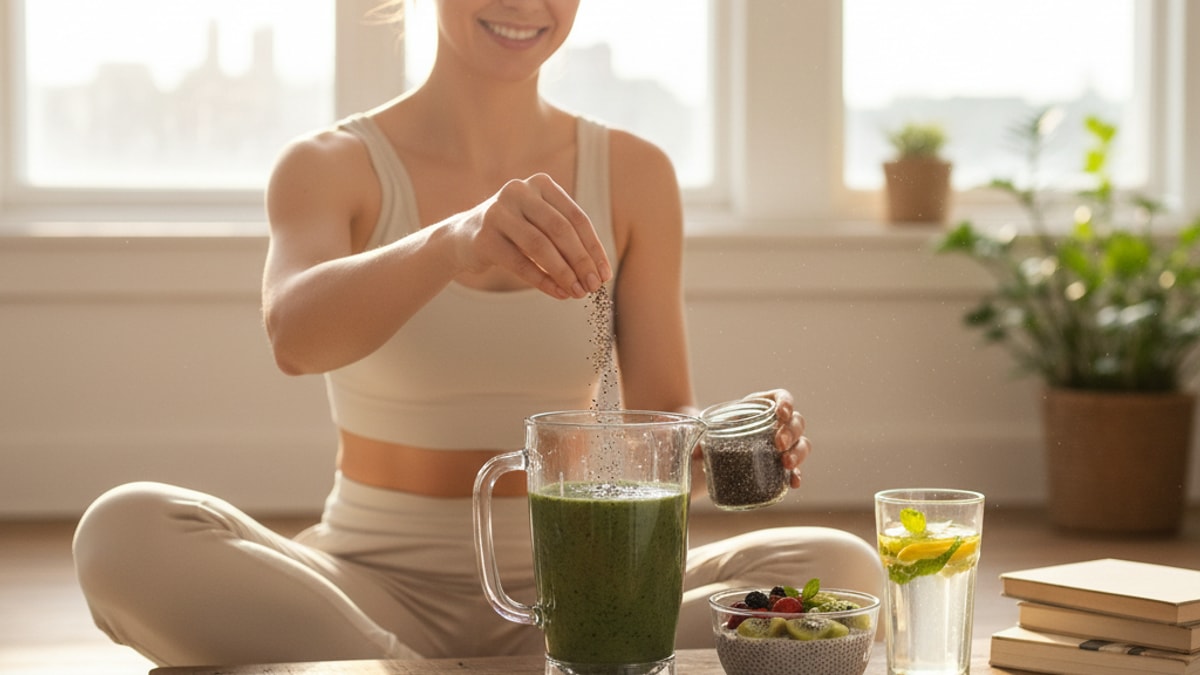
Your Definitive Guide on How to Use Chia Seeds for Weight Loss
Let's be direct. You've seen chia seeds everywhere. They're sprinkled on smoothie bowls in picture-perfect social media posts, touted in health magazines, and lined up in the wellness aisle of every grocery store. The internet is awash with sprawling claims that these tiny black and white seeds are a miracle cure for weight loss. A simple scoop a day, the story goes, and the pounds just melt away. It's a tempting narrative, isn't it? Especially when you're navigating the difficult, often moving-target objective of sustainable weight management.
Our team has spent years at the forefront of biotechnology and metabolic science, and we can tell you this with absolute certainty: there are no miracle cures. But there are powerful tools. And yes, chia seeds can be a genuinely effective tool in your weight loss arsenal—if you know how to use them correctly. It's not about magic; it's about mechanics. It’s about understanding the science of satiety, fiber, and hydration, and then leveraging it to your advantage. This is where we come in, to cut through the noise and give you a realistic, science-backed playbook.
Why Do Chia Seeds Even Work for Weight Loss?
Before we get into the how, we need to understand the why. What's actually happening inside your body when you eat these seeds that can contribute to weight loss? It’s not a single factor, but a powerful combination of three key properties.
First and foremost, it's about the fiber. This is the big one. Chia seeds are an absolute powerhouse of soluble fiber. When you mix them with liquid—whether it's water, almond milk, or even just the moisture in your stomach—they absorb it and swell up, forming a thick, gelatinous substance. This gel does a few remarkable things. It physically takes up space in your stomach, which sends signals to your brain that you're full. This feeling of fullness, or satiety, is a critical, non-negotiable element of any successful weight loss plan. It’s what helps you push back from the table sooner and resist mindless snacking between meals. This gel also dramatically slows down the digestion process. It means the energy from your food is released more slowly and steadily, preventing the sharp blood sugar spikes and subsequent crashes that lead to cravings for sugary or high-carb snacks. It's comprehensive.
Then there's the protein. While not as high in protein as, say, a chicken breast, chia seeds contain a respectable amount for a plant-based source. A two-tablespoon serving packs around 4-5 grams of complete protein, meaning it contains all nine essential amino acids. Protein is famously satiating, even more so than carbohydrates or fats. It contributes to that feeling of fullness and also plays a vital role in maintaining lean muscle mass. When you're in a calorie deficit to lose weight, your body can sometimes break down muscle for energy. We've seen it work time and again: ensuring adequate protein intake helps preserve that metabolically active muscle tissue, which is crucial for a healthy metabolism long-term.
Finally, we have the healthy fats. Chia seeds are one of the richest plant sources of alpha-linolenic acid (ALA), a type of omega-3 fatty acid. While the body isn't as efficient at converting ALA to the more potent forms (EPA and DHA) found in fish oil, it still offers significant anti-inflammatory benefits. Chronic, low-grade inflammation is often linked with obesity and metabolic dysfunction. By helping to quell some of that inflammation, the omega-3s in chia seeds can support overall metabolic health, creating a better internal environment for weight loss. It's a nuanced benefit, but an important one nonetheless.
The Right Way to Prepare Chia Seeds (And Common Mistakes)
This is where theory meets practice, and honestly, it’s where most people go wrong. You can't just toss dry seeds onto your food and expect the full benefits. Our team often consults with clients who've tried these 'superfood' hacks without understanding the mechanics. It's the how that matters, not just the what.
Soaking is non-negotiable.
To unlock that magical, gel-forming, satiety-inducing power, you absolutely must soak them. Eating a spoonful of dry chia seeds is not only less effective, but it can also be a genuine choking hazard as they can expand rapidly in your esophagus. We can't stress this enough. The goal is to let them fully hydrate and form that gel before they enter your digestive system.
A good starting ratio is about 1 part chia seeds to 4 parts liquid. For example, a quarter cup of chia seeds to one cup of water, milk, or juice. Stir them well, wait a few minutes, and stir again to break up any clumps. Then, let them sit for at least 20-30 minutes, or even better, overnight in the refrigerator. You'll know they're ready when they've absorbed all the liquid and have a texture similar to tapioca pudding.
Now, let's talk about the common pitfalls we've seen. The most frequent mistake is overdoing it. Remember, chia seeds are nutrient-dense, but they are also calorie-dense. A two-tablespoon serving contains roughly 140 calories. If you’re mindlessly dumping them into everything you eat, those calories can add up fast and sabotage your weight loss efforts. Another mistake is not drinking enough water throughout the day. Because they absorb so much liquid, if you're not adequately hydrated, they can pull water from your system and potentially lead to constipation or digestive discomfort. Think of them as tiny sponges; you need to provide the water for them to work with.
Practical, Delicious Ways to Add Chia to Your Diet
Knowing you need to eat them is one thing; making them a seamless and enjoyable part of your daily routine is another. The good news is that they have a very neutral flavor, so they are incredibly versatile. Here are some of our team’s go-to methods:
-
The Classic Chia Pudding: This is the most popular method for a reason. It's simple, preps in minutes, and you can customize it endlessly. The base is just chia seeds and a liquid (almond milk, coconut milk, or regular dairy milk all work well). Mix them in that 1:4 ratio, add a touch of sweetener like maple syrup or a few drops of stevia, maybe a splash of vanilla extract, and let it sit overnight. In the morning, you have a grab-and-go breakfast or snack. Top it with fresh berries, nuts, or a sprinkle of cinnamon.
-
Power Up Your Smoothies: This is perhaps the easiest way to start. Just add a tablespoon of chia seeds directly into your blender with your other smoothie ingredients. They'll add a boost of fiber, protein, and healthy fats without altering the flavor. They also act as a natural thickener, giving your smoothie a richer, more satisfying texture that can make it feel more like a meal.
-
An Effortless Yogurt & Oatmeal Topper: If you don't have time to pre-soak, you can still get some benefits. Sprinkle a tablespoon of seeds over your morning yogurt or stir them into hot oatmeal. The moisture in these foods will allow the seeds to start gelling, though not as fully as a long soak. It’s a great way to add texture and a nutritional punch to a breakfast staple.
-
Hydration with a Purpose: Chia Fresca: This is a traditional Mexican and Central American drink for a reason—it's incredibly hydrating and energizing. Simply stir 1-2 tablespoons of chia seeds into a large glass of water with the juice of a lime or lemon and a touch of your preferred sweetener. Let it sit for about 10 minutes, stirring occasionally. The seeds become suspended in the water, creating a drink that hydrates you while also delivering fiber to keep you full.
-
As an Egg Replacer in Baking: For those who enjoy baking healthier treats, a 'chia egg' is a fantastic trick. Mix one tablespoon of ground chia seeds with three tablespoons of water and let it sit for about 15 minutes until it forms a thick gel. This mixture can replace one egg in recipes for muffins, pancakes, and some breads. It's a great way to sneak extra fiber into baked goods while also reducing cholesterol.
How Much Is Too Much? Finding Your Dosage
This isn't about a one-size-fits-all prescription. Your ideal amount depends on your individual digestive system and overall diet. The golden rule our experts always recommend is to start slow. Seriously. Don't jump in with three tablespoons on day one.
Begin with just one tablespoon per day for the first week. See how your body feels. Are you noticing increased fullness? Any digestive changes? If all is well, you can gradually increase to two tablespoons per day. For most people, 2-3 tablespoons (about 25-40 grams) daily is the sweet spot. This amount provides a significant dose of fiber to aid in satiety without overwhelming your system.
Listen to your body. That's the key. If you experience bloating, gas, or discomfort, it's a sign you've either increased your intake too quickly or you're not drinking enough water to accompany the extra fiber. Scale back, increase your water intake, and then try to build up more slowly. This gradual approach allows the beneficial bacteria in your gut time to adapt to the increased fiber load, minimizing any potential side effects.
A Realistic Timeline: What to Expect
Let’s manage expectations right here. Adding chia seeds to your diet is not a 7-day fix that will result in dramatic weight loss. That's not how they work, and that's not how sustainable fat loss happens.
Results don't happen overnight.
The effect of chia seeds is indirect and cumulative. In the first week, you'll likely notice you feel fuller for longer after meals. This might lead you to naturally eat slightly smaller portions or cut out a daily snack. Over the course of a month of consistent use, this subtle calorie reduction can start to show up on the scale. The weight loss comes from the caloric deficit you create by displacing other, less nutrient-dense foods and by controlling your appetite more effectively. It’s a long-term strategy, a new habit that supports your goals, not a short-term hack.
Comparing Chia Seeds to Other Fiber Sources
Chia seeds are fantastic, but they're not the only players in the game. It's helpful to see how they stack up against other popular fiber sources. Our experience shows that a varied intake of different fibers is often best for gut health.
| Feature | Chia Seeds | Flax Seeds | Psyllium Husk | Rolled Oats |
|---|---|---|---|---|
| Fiber per 2 Tbsp | ~10 grams | ~6 grams | ~14 grams | ~4 grams (in 1/2 cup dry) |
| Protein per 2 Tbsp | ~4-5 grams | ~4 grams | Negligible | ~5 grams (in 1/2 cup dry) |
| Omega-3s (ALA) | Very High | Highest Source | None | None |
| Gelling Property | Excellent (forms a thick gel) | Good (forms a mucilage, but must be ground) | Excellent (forms a very thick, viscous gel) | Moderate (creates creamy texture when cooked) |
| Best Use Case | Puddings, smoothies, drinks, egg replacer | Ground into smoothies, baking, oatmeal topper | Added to water for pure fiber, baking agent | Cooked as porridge, in granola, baking |
| Key Consideration | Must be soaked for full benefit. | Must be ground to access nutrients. | Must be taken with lots of water. | Best when cooked to improve digestibility. |
As you can see, each has its unique strengths. Psyllium is a pure fiber powerhouse, while flax delivers the most omega-3s. What makes chia so popular is its unique combination of high fiber, protein, healthy fats, and its incredible ease of use and versatility. Simple, right?
When Diet Isn't Enough: The Bigger Picture
We've dedicated this entire discussion to one powerful nutritional tool. And we mean this sincerely: incorporating things like chia seeds into a balanced diet is a foundational step toward better health and weight management. But let's be unflinchingly honest. For many people, it's not enough.
You can have the most impeccable diet, a perfect exercise routine, and still find yourself stuck, fighting against a body that seems determined to hold onto every pound. This isn't a failure of willpower. It's often a battle against your own biology. Our bodies are hardwired with powerful hormonal feedback loops that regulate hunger, satiety, and fat storage. For individuals dealing with insulin resistance, hormonal imbalances, or a genetic predisposition to weight gain, these signals can become dysregulated, making weight loss a formidable, relentless challenge.
This is precisely where modern medicine and biotechnology can make a significant, sometimes dramatic shift. While chia seeds work from the outside-in by physically filling your stomach, advanced treatments work from the inside-out by recalibrating your body's own metabolic and appetite-regulating systems. Our work at TrimrX centers on this very principle. We utilize FDA-approved GLP-1 medications like Semaglutide and Tirzepatide, which are designed to work with your body's natural hormones. They enhance feelings of fullness at the neurological level, slow digestion in a controlled manner, and help regulate blood sugar—addressing the root biological drivers of weight gain.
Think of it this way: a healthy diet, rich with fiber from sources like chia seeds, builds the foundation. It provides the nutrients and support your body needs. But for those whose metabolic systems are fighting back, a medical intervention can be the crucial catalyst that allows those foundational efforts to finally succeed. It’s not one or the other; it’s about creating a powerful, synergistic system. For those who find that even the best dietary strategies aren't moving the needle, it might be time to explore a more comprehensive approach. Our medically-supervised programs are designed to address the underlying biology of weight. You can see if you're a candidate when you Take Quiz.
If you're tired of the cycle of trying and failing with diet alone and are ready to leverage science to achieve lasting results, you're in the right place. It's about taking control with the most effective tools available. If you're ready to move beyond dietary tweaks and address the root causes, it's time to Start Your Treatment Now.
So yes, embrace chia seeds. Use them wisely as part of a whole-foods diet. They are a fantastic ally on your journey. But never forget they are one component of a much larger, more complex picture. True, sustainable weight loss requires a holistic strategy that honors the intricate biology of your body, and sometimes, that means calling in the powerful support that only medical science can provide. It's about being smart, strategic, and using every effective tool at your disposal.
Frequently Asked Questions
Can I eat chia seeds every day for weight loss?
▼
Yes, it’s generally safe and beneficial to eat chia seeds daily. We recommend starting with one tablespoon and gradually increasing to two or three as your system adapts. Consistency is key for them to aid in satiety and support your weight loss efforts.
Do I have to soak chia seeds before eating them?
▼
Our team strongly recommends it. Soaking unlocks their full gelling potential, which is crucial for promoting fullness. Eating them dry can be a choking hazard and is far less effective for weight management.
How long does it take to see weight loss results from chia seeds?
▼
Weight loss from chia seeds is indirect and gradual. You’ll likely feel fuller immediately, but visible results on the scale may take several weeks or months of consistent use as part of a calorie-controlled diet.
Will chia seeds make me bloated?
▼
They can if you eat too many too quickly or don’t drink enough water. We advise starting with a small amount and increasing your intake slowly to allow your digestive system to adjust to the high fiber content.
What’s the best time of day to eat chia seeds for weight loss?
▼
Many of our clients find success having them with breakfast to promote satiety throughout the morning and prevent mid-day snacking. However, you can have them any time of day to help control hunger before a meal.
Can I just add chia seeds to water and drink it?
▼
Absolutely. This is often called a ‘chia fresca.’ Mix one to two tablespoons in a large glass of water, let it sit for 10-15 minutes to gel, and drink. It’s an excellent way to hydrate and get your fiber in.
Are black or white chia seeds better for weight loss?
▼
There is no significant nutritional difference between black and white chia seeds. Both offer the same benefits for weight loss, so you can choose based on personal preference or availability.
How many calories are in a tablespoon of chia seeds?
▼
One tablespoon of chia seeds contains approximately 70 calories. It’s important to be mindful of this as they are nutrient-dense but also calorie-dense, so portion control is key.
Do chia seeds help with belly fat specifically?
▼
No single food can target fat in a specific area. Chia seeds support overall weight loss by promoting satiety and a calorie deficit, which will lead to fat reduction from all over the body, including the belly.
Can chia seeds replace a meal?
▼
While a large chia pudding can be a satisfying snack or light breakfast, we don’t recommend using chia seeds to replace a full, balanced meal on their own. They lack the full spectrum of macronutrients and micronutrients your body needs.
Are chia seeds better than flax seeds for weight loss?
▼
Both are excellent fiber sources. Chia seeds have a slight edge in their gelling ability and don’t need to be ground, making them a bit more convenient. However, incorporating both into your diet is a great strategy.
How do chia seeds fit in with a medical weight loss plan like Semaglutide?
▼
They are an excellent supportive food. While a treatment like Semaglutide works on a hormonal level to control appetite, a high-fiber food like chia seeds helps improve digestive health and provides sustained energy, complementing the medication’s effects perfectly.

Transforming Lives, One Step at a Time
Keep reading

Do You Need a Prescription for GLP-1s? The 2026 Answer
Wondering ‘do you need a prescription for glp 1’ in 2026? Yes. We explain why a doctor’s oversight is critical for safe, effective results.

How to Get GLP-1 Covered By Insurance: Our 2026 Playbook
Struggling with how to get glp-1 covered by insurance? Our 2026 guide breaks down prior authorizations, appeals, and documentation.

Traveling with GLP-1s in 2026: Your Essential Trip-Proof Plan
Don’t let travel disrupt your GLP-1 treatment. Learn how to travel with glp 1 medications safely and stress-free in our 2026 expert guide.


