How to Use Chia Seeds for Weight Loss: What Really Works
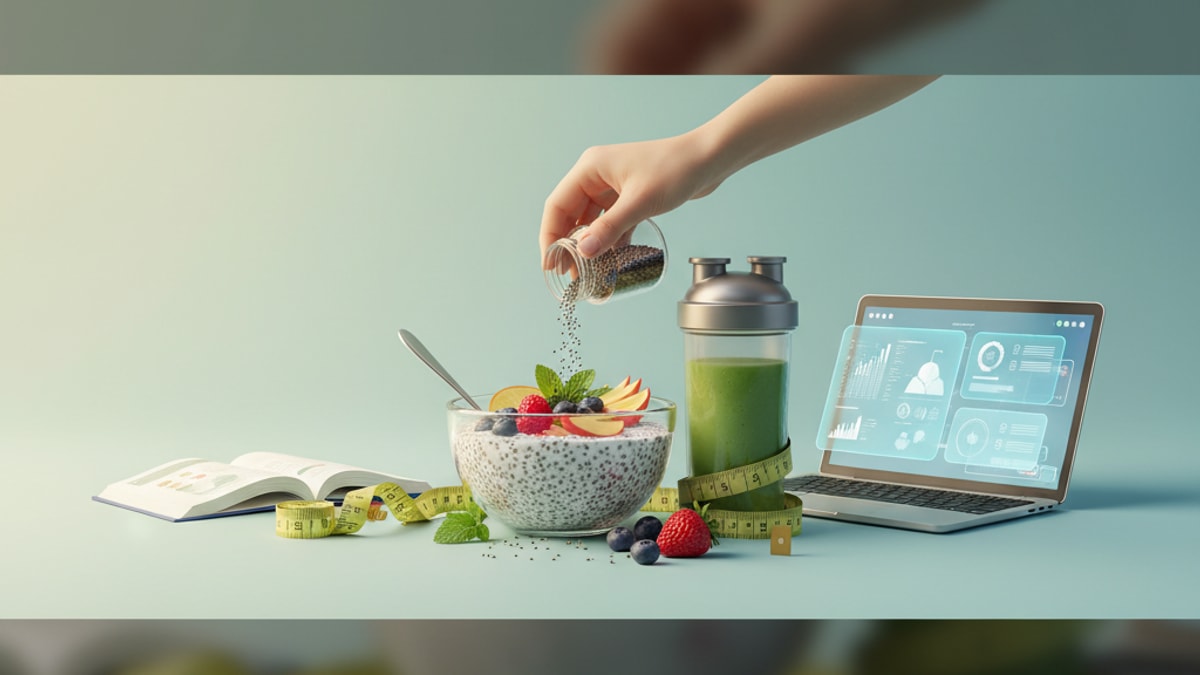
How to Use Chia Seeds for Weight Loss: A Realistic Look
It seems like every few months, a new 'superfood' explodes onto the scene, promising to be the one-stop solution for weight loss. We've seen it all. From exotic berries to obscure grains, the hype cycle is relentless. And right now, the tiny but mighty chia seed is having its moment in the spotlight. You've probably seen them dotting puddings and smoothies across social media, touted as a miracle for shedding pounds.
But let's be honest. As a team deeply rooted in the science of biotechnology and metabolic health, we approach these trends with a healthy dose of professional skepticism. Is there truth to the claims? Can you actually use chia seeds for weight loss in a meaningful way? The short answer is yes, but the full story is far more nuanced. They aren't a magic bullet, but they are an incredibly useful tool in your nutritional arsenal when used correctly. And understanding that distinction is everything.
The Real Science: Why Chia Seeds Can Help
Before we get into the 'how,' it's crucial to understand the 'why.' The effectiveness of chia seeds isn't based on some mystical property; it's grounded in their unique nutritional composition. We can't stress this enough: understanding the mechanism is key to using them effectively.
First and foremost, it's about the fiber. Chia seeds are packed with it, specifically soluble fiber. When you mix these seeds with liquid—whether it's water, milk, or just the natural fluids in your stomach—their hydrophilic (water-loving) nature takes over. They absorb many times their weight in liquid, swelling up to form a thick, viscous gel. This simple physical transformation has profound effects on your body's feeling of fullness.
That gel does two critical things. It physically takes up space in your stomach, which sends satiety signals to your brain telling you that you're full. It also dramatically slows down digestion. This means the energy from your food is released more slowly and steadily, preventing the sharp blood sugar spikes and subsequent crashes that lead to cravings for sugary snacks a couple of hours after a meal. It's a game-changer for appetite control.
Then there's the protein and healthy fats. While not as high in protein as some other seeds, chia still provides a decent amount, which further contributes to satiety and helps maintain muscle mass during weight loss—a critical, non-negotiable element of healthy body recomposition. They are also one of the richest plant-based sources of omega-3 fatty acids (specifically ALA), which are renowned for their anti-inflammatory properties. Chronic inflammation is often linked to weight gain and metabolic dysfunction, so addressing it is a smart, strategic move.
It's a powerful combination. Simple, right?
Practical Ways to Use Chia Seeds for Weight Loss
Knowing the science is one thing; putting it into practice in the middle of a grueling work week is another. Our team has found that the best methods are the ones that are simple, sustainable, and easily integrated into your existing routine. You don't need to become a gourmet chef. You just need a plan.
Here are the most effective strategies we recommend:
1. The Classic Chia Seed Pudding
This is perhaps the most popular method, and for good reason. It turns the seeds into a satisfying, pudding-like meal or snack. It's incredibly easy to prep ahead of time, making it perfect for busy mornings or as a healthy dessert alternative.
- The Base Recipe: Mix 2-3 tablespoons of chia seeds with 1/2 cup of liquid (unsweetened almond milk, coconut milk, or regular milk all work well). Add a splash of vanilla extract and a touch of natural sweetener like stevia or monk fruit if you like. Stir well, wait a few minutes, stir again to break up clumps, and then refrigerate for at least 2-3 hours, or overnight.
- Our Pro-Tip: Don't sabotage your efforts with high-sugar toppings. Instead of loading it with maple syrup or honey, top it with a handful of fresh berries, a sprinkle of cinnamon, or some slivered almonds for extra protein and crunch. The goal is to create a nutrient-dense, low-glycemic meal.
2. The 30-Second 'Chia Fresca' or Chia Water
This is the minimalist's approach. It's fast, efficient, and surprisingly effective at curbing pre-meal hunger. We often suggest this to clients who struggle with overeating at lunch or dinner.
- How to Do It: Simply stir 1-2 tablespoons of chia seeds into a large glass of water. Squeeze in some fresh lime or lemon juice for flavor. Let it sit for about 10-15 minutes to allow the seeds to gel up slightly. Drink it about 20-30 minutes before your main meal.
- Why It Works: That gel hits your stomach before your food does, creating an initial feeling of fullness. This makes you far less likely to overfill your plate or go back for second helpings. It's a simple, powerful behavioral hack.
3. The Smoothie Supercharger
If you're already a smoothie drinker, this is the easiest integration imaginable. Adding chia seeds to your blend is a fantastic way to boost its fiber and protein content, turning a light drink into a more substantial meal replacement that will keep you satisfied for hours.
- The Method: Just add 1-2 tablespoons of whole or ground chia seeds directly into the blender with your other ingredients (leafy greens, a scoop of protein powder, a small amount of low-sugar fruit like berries, and a liquid base). The blender does all the work.
- A Word of Caution: The seeds will thicken the smoothie considerably, especially if you let it sit. You might need to add a little extra liquid to get your preferred consistency. Our experience shows this makes smoothies vastly more effective for hunger management.
4. The 'Secret' Thickener and Egg Replacer
This is where the versatility of chia seeds really shines. The same gelling property that makes great pudding also makes them an excellent thickener for soups, stews, and sauces without adding empty calories or starches. You can also create a 'chia egg' for baking by mixing one tablespoon of ground chia seeds with three tablespoons of water and letting it sit for 15 minutes. This is perfect for healthy muffins, pancakes, or oatmeal bakes.
Common Mistakes We See People Make
As with any tool, there's a right way and a wrong way to use it. We've seen countless people get excited about chia seeds, only to make simple mistakes that either negate the benefits or cause uncomfortable side effects. Avoid these common pitfalls.
- Going All-In, Too Fast: If your body isn't used to a high-fiber diet, suddenly dumping a quarter-cup of chia seeds into your system can be a shock. The result? Bloating, gas, and digestive distress. Start with a small amount, like one tablespoon a day, and gradually increase as your system adapts.
- Forgetting to Hydrate: This is the big one. We can't stress this enough. Because chia seeds absorb so much water, you must increase your water intake throughout the day. If you don't, the seeds can absorb water from your digestive tract, leading to constipation and discomfort. For every tablespoon of chia you eat, aim to drink an extra glass of water.
- The 'Health Halo' Effect: This is a classic psychological trap. People add chia seeds to an otherwise unhealthy meal—like a sugary yogurt parfait, a high-calorie commercial smoothie, or a bowl of processed cereal—and think it magically becomes healthy. Chia seeds add nutritional value; they don't cancel out sugar, unhealthy fats, and empty calories. They must be part of an overall healthy eating pattern.
- Relying on Them Exclusively: Believing that chia seeds alone will solve your weight loss challenges is a recipe for disappointment. They are a supporting actor, not the star of the show. True, sustainable weight loss requires a holistic approach that includes a balanced diet, regular physical activity, and addressing other lifestyle factors like sleep and stress.
How Chia Seeds Stack Up: A Quick Comparison
It's helpful to see how chia seeds compare to other popular seeds often used for similar purposes. Here's a quick breakdown our team put together.
| Feature | Chia Seeds | Flax Seeds | Hemp Seeds (Hearts) |
|---|---|---|---|
| Primary Benefit | Extreme Satiety (Fiber Gel) | Hormonal Balance (Lignans) | High-Quality Protein |
| Soluble Fiber | Very High | High | Low |
| Protein (per 2 tbsp) | ~4g | ~3.5g | ~10g |
| Omega-3 (ALA) | Very High | Highest | Moderate |
| Ease of Use | Very Easy (no grinding needed) | Needs Grinding for absorption | Very Easy (eaten raw) |
| Best For Weight Loss | Appetite control, meal prepping | Blood sugar control, fiber boost | Boosting protein in meals |
As you can see, while all are healthy, chia's unique gelling ability gives it a distinct advantage specifically for managing hunger and promoting a feeling of fullness, which is a cornerstone of successful weight management.
Beyond the Seeds: When Your Biology Pushes Back
So, you're doing everything right. You're incorporating chia seeds to manage hunger, you're eating whole foods, you're exercising. Yet, the scale refuses to budge. Or worse, it creeps back up. This is an incredibly common and frustrating scenario. It's often the point where people give up, blaming themselves for a lack of willpower.
But what if it's not about willpower? What if it's about biology?
Our work at TrimrX is centered on this very problem. We operate at the intersection of nutrition, lifestyle, and cutting-edge biotechnology because our experience shows that for many individuals, weight loss is a formidable metabolic headwind. Years of dieting, stress, and other factors can lead to hormonal imbalances and insulin resistance, creating a biological environment that actively resists weight loss. Your body's own systems start working against you, defending a higher set point. It's a difficult, often moving-target objective.
In these situations, even perfect adherence to a diet featuring powerful tools like chia seeds may not be enough to overcome the underlying biological resistance. That's not failure; it's a signal that a more powerful tool is needed to recalibrate the system.
A Modern, Medically-Guided Approach
This is where modern medical advancements have become a total game-changer. We're talking about FDA-registered GLP-1 medications like Semaglutide and Tirzepatide. These aren't old-school diet pills. They are sophisticated treatments that work with your body's natural hormone systems to address the root causes of weight loss resistance.
GLP-1s work by mimicking hormones that regulate appetite and blood sugar. They quiet the 'food noise' in your brain, enhance the feeling of fullness from smaller portions (synergizing perfectly with what chia seeds do!), and improve how your body processes sugar. Essentially, they level the playing field, turning down the volume on the biological signals that drive overeating and fat storage.
This approach isn't a replacement for a healthy lifestyle. It’s an enhancement. We see it as the missing piece for those who are already putting in the work. It allows the healthy habits—like using chia seeds, eating balanced meals, and staying active—to finally produce the results they should. It's about making your efforts count.
If you've been fighting an uphill battle and feel like your body is working against you, it might be time to explore a more comprehensive strategy. A medically-supervised program can provide the support and the biological reset needed to finally break through the plateau. If this sounds familiar, we encourage you to Take Quiz to see if you might be a candidate for this kind of transformative approach. It's the first step toward understanding if there's more to your story than just diet and exercise.
Ultimately, chia seeds are a fantastic addition to a healthy diet. They can absolutely support your weight loss journey by helping you manage hunger, stabilize your energy, and improve your overall nutrition. Use them. Use them wisely.
But please, don't expect them to be the entire solution. The journey to sustainable weight management is multifaceted. It's about building a comprehensive toolkit that includes smart nutrition, consistent movement, and, when necessary, advanced medical support to address the complex biology of your body. When you're ready for a plan that covers all the bases, it might be time to Start Your Treatment with a team that understands the complete picture. The goal isn't just to lose weight; it's to restore metabolic health for the long term.
Frequently Asked Questions
How much chia seed per day is safe for weight loss?
▼
We generally recommend starting with one to two tablespoons per day. This provides significant fiber benefits without overwhelming your digestive system. You can gradually increase this amount as your body adjusts, but most people find 2-4 tablespoons daily to be a sufficient and effective dose.
Should I eat chia seeds whole or ground?
▼
For most uses, like making pudding or adding to water, whole seeds are perfect. Their gelling property works best when they are whole. If you’re adding them to baked goods or want a smoother texture in smoothies, grinding them can be beneficial and may make their nutrients slightly more bioavailable.
Can I eat chia seeds dry?
▼
We strongly advise against eating chia seeds dry. Because they absorb so much liquid, eating them dry can pose a choking hazard as they may expand in your esophagus. Always mix them with sufficient liquid and allow them to gel before consuming.
When is the best time of day to consume chia seeds for weight loss?
▼
There’s no single ‘best’ time, but two strategic times are in the morning to promote satiety throughout the day, or about 20-30 minutes before your largest meal (like lunch or dinner) to help control your portion size. The key is consistency.
Will chia seeds help me lose belly fat specifically?
▼
No single food can target fat loss in a specific area of your body—that’s a myth. However, by promoting overall weight loss through appetite control and improved metabolic health, a diet including chia seeds can contribute to a reduction in belly fat as part of your total body fat reduction.
How long does it take to see weight loss results from chia seeds?
▼
Chia seeds are not a quick fix. You may notice improved appetite control and better digestion within a few days, but measurable weight loss depends on your entire diet and lifestyle. Think of them as a long-term support tool, not an overnight solution.
Can chia seeds replace a meal?
▼
A chia seed pudding can be part of a light meal, but on its own, it’s typically not balanced enough to be a full meal replacement. To make it more complete, we recommend adding a source of protein like protein powder or Greek yogurt, and healthy fats from nuts or seeds.
Do chia seeds have any side effects?
▼
The most common side effect is digestive discomfort (bloating, gas) if you consume too much too quickly, or if you don’t drink enough water. Start with a small amount and increase your fluid intake to minimize any potential issues.
Are chia seeds better than flax seeds for weight loss?
▼
Both are excellent, but they have different strengths. Chia seeds excel at creating a thick gel, which is superior for satiety and appetite control. Flax seeds are higher in lignans, which can offer hormonal benefits. For pure hunger management, our team finds chia often has the edge.
Can I add chia seeds to hot liquids like coffee or tea?
▼
Yes, you absolutely can. Adding chia seeds to hot beverages will cause them to gel much faster than in cold liquids. Some people enjoy the texture it adds to oatmeal or even a cup of tea, turning it into a more filling drink.
Do chia seeds expire?
▼
Yes, like all seeds containing natural oils, they can go rancid over time. Stored in a cool, dark, and dry place, they can last for a couple of years. If they have a bitter or unpleasant smell, it’s best to discard them.
Are black or white chia seeds better for weight loss?
▼
From a nutritional standpoint, there is virtually no difference between black and white chia seeds. Their fiber, protein, and fat content are nearly identical. The choice between them is purely a matter of aesthetic preference.

Transforming Lives, One Step at a Time
Keep reading

Do You Need a Prescription for GLP-1s? The 2026 Answer
Wondering ‘do you need a prescription for glp 1’ in 2026? Yes. We explain why a doctor’s oversight is critical for safe, effective results.

How to Get GLP-1 Covered By Insurance: Our 2026 Playbook
Struggling with how to get glp-1 covered by insurance? Our 2026 guide breaks down prior authorizations, appeals, and documentation.

Traveling with GLP-1s in 2026: Your Essential Trip-Proof Plan
Don’t let travel disrupt your GLP-1 treatment. Learn how to travel with glp 1 medications safely and stress-free in our 2026 expert guide.


