Red Light Therapy for Weight Loss: What Our Experts Say
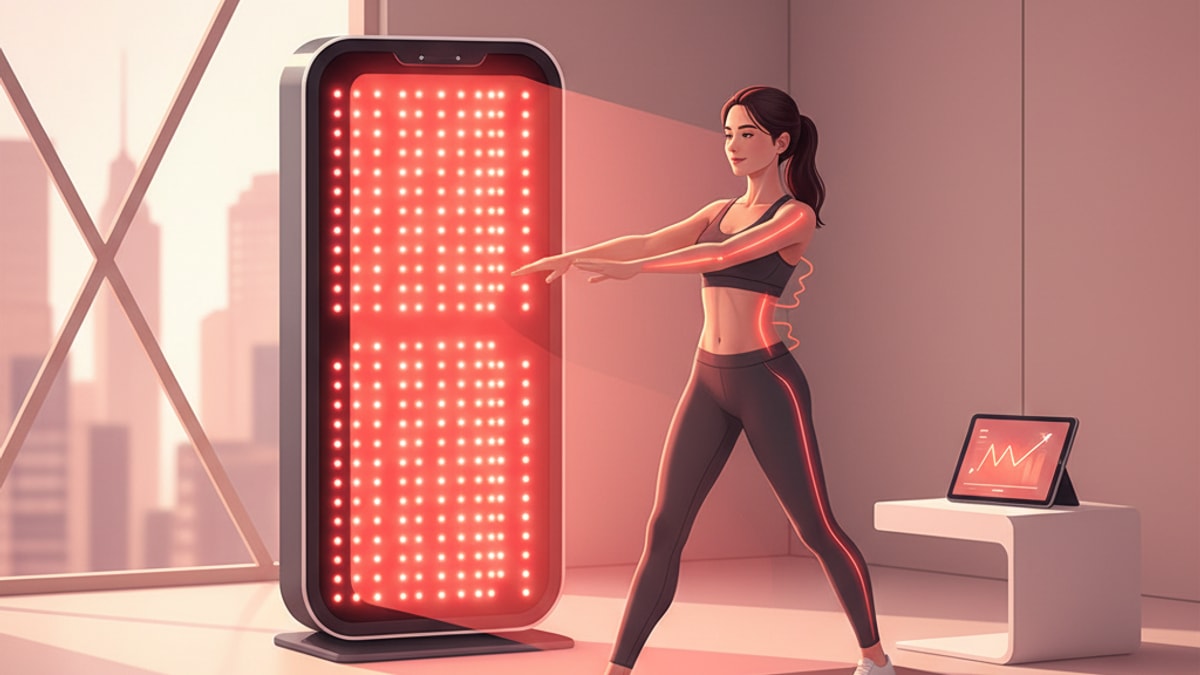
Let's talk about weight loss. For many, it's a difficult, often moving-target objective, littered with conflicting advice and frustrating plateaus. You've probably tried it all—the diets, the grueling workout regimens, the supplements that promise the world. It’s exhausting. Our team at TrimrX works every single day with people who are looking for a smarter, more sustainable path forward, one grounded in medical science. We specialize in powerful, FDA-registered GLP-1 treatments that fundamentally change the biological conversation around weight management.
So, where does something like red light therapy fit into this sophisticated, science-first picture? It’s a question we get asked more and more. The wellness world is buzzing about it, with claims ranging from skin rejuvenation to, yes, weight loss. But is it just hype, or is there something substantial here? As a team dedicated to evidence-based solutions, we felt it was our responsibility to take an unflinching look at the technology, the science, and the practical application. We’re here to cut through the noise and give you our professional take on how to use red light therapy for weight loss as a legitimate supportive tool, not a magic wand.
First Things First: What is Red Light Therapy?
Before we dive into weight loss, it’s critical to understand what we're actually talking about. Red light therapy, known in scientific circles as photobiomodulation (PBM), is a therapeutic technique that uses specific, low-level wavelengths of red and near-infrared (NIR) light. This isn't the same as the light from a tanning bed or a sauna. Not even close. We're talking about very precise slivers of the light spectrum—typically in the ranges of 630-660 nanometers (nm) for red light and 810-850 nm for near-infrared light.
Why these specific wavelengths? Because they have a unique ability to penetrate the skin and interact with our cells on a mitochondrial level. Think of the mitochondria as the tiny power plants inside every cell in your body. They’re responsible for producing adenosine triphosphate (ATP), which is the primary energy currency of all life. When these specific wavelengths of light hit the mitochondria, they essentially give them a jump-start. It’s like a turbo-charger for your cellular engines.
This stimulation kicks off a cascade of beneficial biological processes. ATP production ramps up, giving cells more energy to perform their functions, repair damage, and regenerate. It also helps reduce oxidative stress—a form of cellular-level wear and tear linked to inflammation and aging—and improves circulation. This foundational cellular boost is the reason RLT is studied for everything from muscle recovery and joint pain to skin health and, the topic of the day, metabolic function.
The Connection: How Red Light Could Influence Weight Loss
Now, this is where it gets interesting. How does stimulating cellular power plants translate into losing pounds? The mechanism isn't a single, simple pathway; our research shows it's a multi-pronged approach that can support a broader weight loss strategy. It’s not about “melting” fat away with light. The reality is far more nuanced and, frankly, more scientifically compelling.
One of the most talked-about effects is RLT's potential impact on adipocytes, or fat cells. Some compelling research suggests that specific wavelengths of red light can affect the membranes of these fat cells, creating temporary micropores. This process, sometimes called lipolysis, allows lipids (the fatty acids stored inside) to seep out of the cell. The fat cell doesn't die; it just empties its contents, shrinking in size. These released fats then enter the lymphatic system to be processed and eventually eliminated by the body. This is a significant, sometimes dramatic shift in how we think about fat reduction.
But that's just one piece of the puzzle. Our team has found that the most sustainable results come from a holistic approach. Here's what else is happening:
- Enhanced Metabolism: By boosting ATP production across the body, you're essentially giving your entire system more energy to work with. This can contribute to a subtle but meaningful increase in your basal metabolic rate (BMR), meaning you burn more calories even at rest. It's not a dramatic fire-stoking, but a gentle, consistent nudge in the right direction.
- Reduced Systemic Inflammation: There’s a well-established, destructive link between chronic inflammation and metabolic dysfunction, including insulin resistance and weight gain. Red light therapy is a potent anti-inflammatory agent. By calming this systemic inflammation, it helps create a more favorable internal environment for weight loss and overall health.
- Improved Muscle Performance and Recovery: This is a big one. Feeling sore and exhausted for days after a workout is a major barrier to consistency. RLT has been shown to significantly reduce post-exercise muscle soreness and speed up recovery time. What does this mean for weight loss? It means you can get back to your next workout sooner, with more intensity and less dread. Better workouts, performed more consistently, are a critical, non-negotiable element of any successful weight management plan.
- Better Sleep Quality: Don't underestimate the power of sleep. Poor sleep wreaks havoc on the hormones that control hunger and satiety, namely ghrelin and leptin. Red light exposure, particularly in the evening, has been shown to help regulate the body's circadian rhythm and support the production of melatonin, leading to deeper, more restorative sleep. When your sleep is dialed in, your appetite regulation and energy levels are much easier to manage.
It’s the combination of these effects that makes red light therapy such a compelling supportive player in a larger weight loss strategy.
How to Use Red Light Therapy for Weight Loss: The TrimrX Protocol
Alright, let's get practical. You're sold on the science, but how do you actually do it? Simply buying a device and flipping a switch isn't enough. Strategy matters. Our experience shows that consistency and proper technique are what separate mediocre results from genuinely impressive ones. Here's the protocol our team recommends for integrating RLT into your weight loss journey.
First, you need to choose the right tool for the job. Not all devices are created equal, and understanding the differences is key.
| Feature | In-Clinic Professional Systems | At-Home Panels | Handheld/Wearable Devices |
|---|---|---|---|
| Power (Irradiance) | Very High | Moderate to High | Low to Moderate |
| Coverage Area | Full Body (Beds/Booths) | Large, targeted areas (e.g., torso, back) | Small, highly specific spots |
| Typical Cost | High (per session or package) | Moderate to High (one-time purchase) | Low to Moderate (one-time purchase) |
| Convenience | Low (requires appointments) | High (use anytime at home) | Very High (portable) |
| Best For | Maximum potency, clinical oversight | Consistent, full-body support | Targeted pain relief, skin treatment |
For weight loss, our team generally recommends at-home panels. They offer the best balance of power, coverage area, and the convenience needed for daily consistency. You want a device that can treat a large surface area, like your abdomen, back, or thighs, simultaneously.
Here’s what you need to know for your sessions:
- Wavelengths are Everything: Ensure your device offers both red light (around 660nm) and near-infrared light (around 850nm). Many of the metabolic and fat-cell-related benefits are linked to the deeper penetration of NIR light. A good panel will let you use both simultaneously.
- Session Duration: We've found the sweet spot is typically 10 to 20 minutes per treatment area. Longer isn't necessarily better. There's a concept of a 'biphasic dose response,' meaning too much light can actually negate the benefits. Stick to the manufacturer's guidelines, but 15 minutes is a great starting point.
- Frequency: Consistency is your best friend. For active weight loss support, we recommend using your device 4 to 6 times per week. You can do it every day. The effects are cumulative, so making it a regular part of your routine—like brushing your teeth—is what drives results.
- Distance and Exposure: This is crucial. You should position yourself about 6 to 12 inches away from the panel. You want to be close enough to feel a gentle, pleasant warmth, but not so close that it feels hot. The skin you're treating should be fully exposed and clean—no lotions, no clothes. The light needs direct access to work its magic.
- Timing Your Sessions: You have flexibility here, but we've seen great results with two specific strategies. Using RLT before a workout can act as a pre-conditioner for your muscles, potentially boosting performance and endurance. Using it after a workout is fantastic for accelerating recovery and reducing soreness. If you're not working out that day, any time is fine, though some people find an evening session helps with sleep.
This is a Tool, Not a Miracle
Let’s be honest, this is crucial. We can't stress this enough: red light therapy is a powerful ally, but it is not a standalone solution for significant weight loss. You cannot sit on the couch eating poorly, do 15 minutes of red light therapy, and expect to transform your body. That's not how biology works. It’s a bio-hack, yes, but it doesn’t hack the fundamental laws of energy balance.
True, sustainable weight loss is a comprehensive, multi-faceted endeavor. It requires a nutritional strategy that works for your body, consistent physical activity, and often, a medical intervention that addresses the underlying biology of weight gain. This is the entire foundation of our work at TrimrX. We use powerful GLP-1 medications like Semaglutide and Tirzepatide because they target the hormonal and metabolic dysregulation that makes weight loss feel like an impossible, uphill battle.
Think of it this way: a medically-supervised program like ours is the engine of your car—it provides the core power to get you to your destination. Red light therapy is like the high-performance fuel and premium tires. It optimizes the system, enhances performance, and makes the journey smoother and more efficient. It can help you break through plateaus, recover faster from the exercise that's essential for success, and improve your metabolic health at a cellular level. It complements the heavy lifting being done by your diet, your activity, and, if you're a patient of ours, your prescribed medical treatment. For those who are ready to build that powerful foundation, you can Start Your Treatment and see how a comprehensive, medically-guided plan can change everything.
Maximizing Your RLT Investment for Weight Loss
Okay, so you're using RLT as part of a broader strategy. Smart. How do you squeeze every last drop of benefit out of it? Here's what we've learned.
Hydrate, Hydrate, Hydrate. This is non-negotiable. Remember how RLT helps fat cells release their lipid contents? Well, those fatty acids need to be flushed out of your system. Your lymphatic system, which is responsible for this cleanup job, relies heavily on water. We recommend drinking a large glass of water both before and after your RLT session to ensure this process runs as smoothly as possible. Dehydration can create a bottleneck, trapping those freed fats in your system.
Move Your Body Post-Session. After you’ve encouraged those fat cells to open up, the best thing you can do is burn off those newly released fatty acids for energy. This is the perfect time for some light to moderate activity. A brisk 20-30 minute walk, a quick bodyweight circuit, or even just doing some household chores can be incredibly effective. Don’t just lie down on the couch afterward. Use the fuel you’ve just unlocked!
Pair It With a Clean Diet. You can’t out-therapy a bad diet. Simple as that. The cellular energy boost you get from RLT will be wasted if you're fueling your body with processed, inflammatory foods. A diet rich in whole foods, lean proteins, healthy fats, and plenty of vegetables creates the optimal environment for your cells to thrive and for the RLT to work its magic. It’s all part of the same system.
Safety, Side Effects, and Who Should Be Cautious
One of the most appealing aspects of red light therapy is its stellar safety profile. For the vast majority of people, it's incredibly well-tolerated. There are no chemicals, no invasive procedures, and no downtime. The most common reported side effect is temporary redness or tightness in the skin, which usually fades within an hour.
That said, it's not for everyone. We always advise a cautious, medically-informed approach. Our team recommends that you consult with your healthcare provider before starting RLT, especially if you fall into one of these categories:
- Pregnancy: There isn't enough research on the effects of RLT on a developing fetus, so it's best to err on the side of caution and avoid it.
- Active Cancer: While RLT is being studied for its potential to mitigate the side effects of cancer treatments, you should not use it directly over known tumor sites due to its ability to stimulate cellular activity.
- Photosensitivity: If you take medications that increase your sensitivity to light (like certain antibiotics or acne medications), RLT could potentially cause a skin reaction.
And one more thing: protect your eyes. While the light itself isn't inherently damaging in the same way UV light is, high-powered panels are extremely bright. Most reputable devices come with protective eyewear. Use it. It’s a simple step to ensure long-term eye health.
Red light therapy represents a fascinating intersection of technology and biology. It's a tool that can help optimize your body from the inside out, supporting your metabolism, enhancing your physical performance, and improving your recovery. When you learn how to use red light therapy for weight loss correctly—as a strategic part of a comprehensive, medically-sound plan—it can be a formidable component of your health toolkit.
The journey to sustainable weight loss is rarely about finding one single secret. It's about intelligently stacking proven, effective strategies. It's about combining powerful medical treatments with supportive lifestyle changes and innovative technologies. This integrated approach is the future of weight management, and it's how we help our patients achieve results that last. It’s comprehensive. It’s science-backed. And we've seen it work.
Frequently Asked Questions
How long does it take to see weight loss results from red light therapy?
▼
Results vary, but with consistent use (4-6 times per week), most people begin to notice changes like improved energy and reduced soreness within a few weeks. Noticeable changes in body composition, when combined with diet and exercise, can often be seen within 8 to 12 weeks.
Can I use red light therapy on my stomach every day?
▼
Yes, it is generally safe to use red light therapy on your stomach or other target areas every day. We recommend sessions of 10-20 minutes. Consistency is more important than long, infrequent sessions.
Does red light therapy actually melt fat?
▼
The term ‘melt’ is a bit of a misnomer. RLT doesn’t destroy fat cells. Instead, research suggests it can cause fat cells to release their stored lipids, effectively shrinking them. These released fats are then processed and eliminated by the body’s natural metabolic processes.
What’s better for weight loss: red light or near-infrared light?
▼
Both are important, which is why we recommend a device that offers both. Red light (around 660nm) is great for skin health and surface-level tissue, while near-infrared (around 850nm) penetrates deeper to reach muscles, organs, and deeper fat layers, making it particularly crucial for metabolic benefits.
Should I use red light therapy before or after a workout?
▼
Both have benefits! Using it before a workout can help ‘pre-condition’ your muscles, potentially improving performance. Using it afterward is excellent for reducing inflammation and accelerating muscle recovery, allowing you to train more consistently.
Do I need to wear eye protection during red light therapy?
▼
Yes, our team strongly recommends it. While the light is not inherently harmful like UV, modern at-home panels are very bright and can cause eye strain or discomfort. Reputable manufacturers always include protective goggles—use them.
Can red light therapy help with loose skin after weight loss?
▼
Red light therapy can be very supportive for skin health. By stimulating collagen and elastin production at the cellular level, it may help improve skin firmness and elasticity, which can be beneficial for addressing concerns about loose skin during a weight loss journey.
Will I regain the weight if I stop using red light therapy?
▼
Red light therapy is a supportive tool, not the primary driver of weight loss. Sustainable results depend on your overall lifestyle, including nutrition and exercise. If you stop using RLT but maintain these healthy habits, you should not regain the weight.
Can I use RLT at the same time as a GLP-1 medication?
▼
Yes, red light therapy can be an excellent complementary therapy to use alongside a medically-supervised weight loss program that includes GLP-1 medications. It supports overall cellular health and exercise recovery, which enhances the results of the primary treatment. Always consult your doctor before adding a new therapy.
Are at-home red light therapy devices as effective as professional ones?
▼
Professional, in-clinic devices are typically more powerful, but at-home panels have become incredibly effective. For weight loss support, the consistency offered by an at-home device often outweighs the raw power of a clinical unit you might only use once a week. The best device is the one you’ll use regularly.
Does red light therapy increase appetite?
▼
There is no scientific evidence to suggest that red light therapy increases appetite. In fact, by helping to regulate sleep and reduce inflammation, it may contribute to better regulation of hunger hormones like ghrelin and leptin, supporting appetite control.
What does red light therapy feel like?
▼
During a session with a quality LED panel, you should feel a very gentle, soothing warmth on your skin. It should be a pleasant and relaxing experience. It should not feel hot, and there is no burning or stinging sensation involved.

Transforming Lives, One Step at a Time
Keep reading

Do You Need a Prescription for GLP-1s? The 2026 Answer
Wondering ‘do you need a prescription for glp 1’ in 2026? Yes. We explain why a doctor’s oversight is critical for safe, effective results.

How to Get GLP-1 Covered By Insurance: Our 2026 Playbook
Struggling with how to get glp-1 covered by insurance? Our 2026 guide breaks down prior authorizations, appeals, and documentation.

Traveling with GLP-1s in 2026: Your Essential Trip-Proof Plan
Don’t let travel disrupt your GLP-1 treatment. Learn how to travel with glp 1 medications safely and stress-free in our 2026 expert guide.


