Hydration and Weight Loss: How Much Water Should I Drink While Taking Ozempic?
Introduction
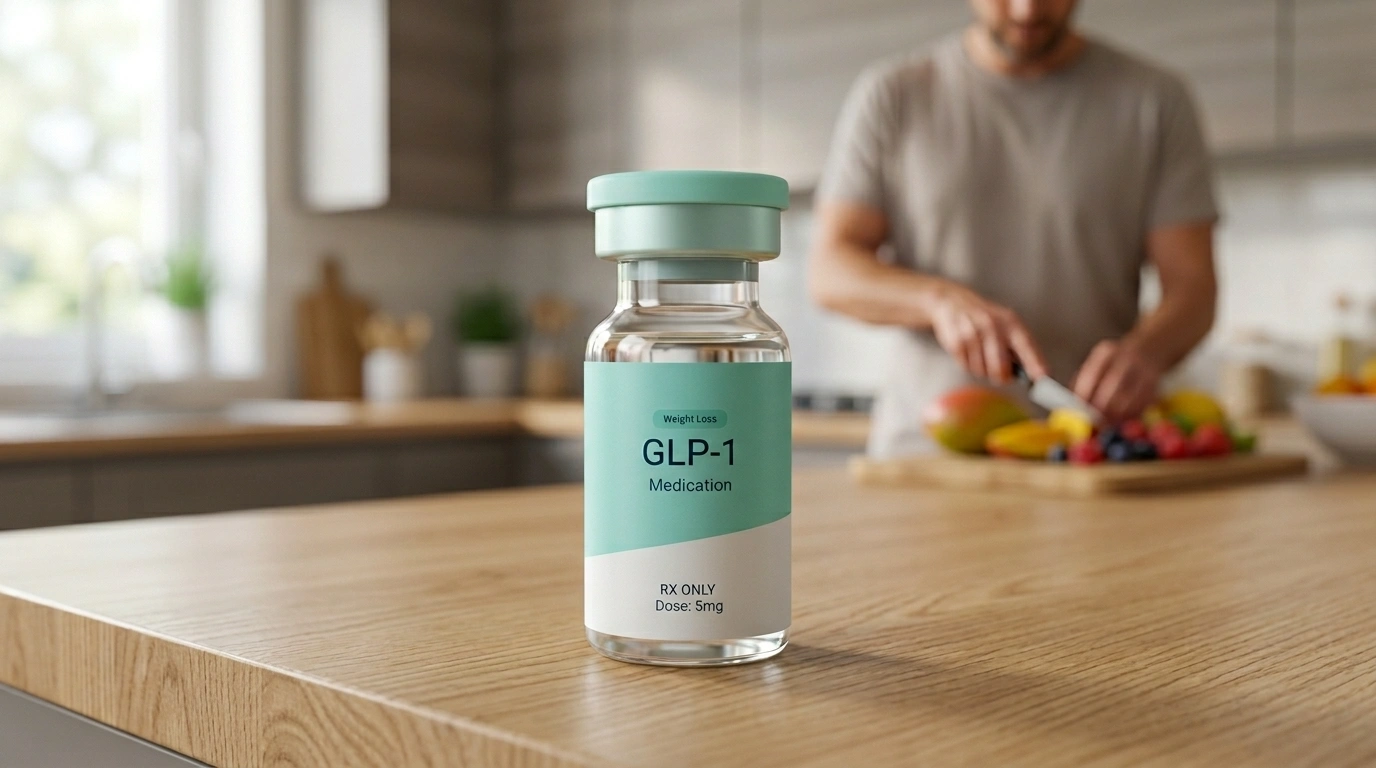
Did you know that nearly 75% of Americans live in a state of chronic dehydration? While this is a significant concern for the general population, it becomes a critical factor for those embarking on a medical weight loss journey. When we introduce a powerful GLP-1 receptor agonist like Ozempic® into our routine, our body’s internal chemistry undergoes a profound transformation. This shift makes the question of “how much water should I drink while taking Ozempic” not just a matter of thirst, but a pillar of therapeutic success.
At TrimRx, our journey began with a shared vision: to help individuals embrace healthier lifestyles by merging cutting-edge telehealth innovations with effective weight loss solutions. We believe that sustainable weight loss should be achieved through science, empathy, and a transparent approach. Our platform provides a user-friendly and supportive space where individuals receive personalized, medically supervised care. Understanding the role of hydration is a vital part of the education we provide to ensure your journey is as comfortable and effective as possible.
The purpose of this article is to provide a comprehensive look at the relationship between hydration and GLP-1 medications. You will learn the biological reasons why your thirst cues might change, the specific amount of water recommended based on clinical standards, and how staying hydrated can actually amplify your weight loss results while minimizing common side effects. We will cover the risks of dehydration, practical strategies for increasing fluid intake, and how our personalized programs can support your unique needs.
This guide is designed for anyone currently using or considering medications like Ozempic®, Wegovy®, or compounded Semaglutide. Whether you are just starting or have been on the medication for months, the insights here will help you fine-tune your daily habits. We will also discuss how our quick-access supplements, such as GLP-1 Daily Support, can play a role in your overall wellness strategy.
By the end of this post, you will have a clear, actionable plan for managing your fluid intake. We have structured this guide to take you from the basic biological mechanisms of GLP-1s to advanced hydration strategies. Together, we will explore the science of hydration so you can feel empowered and informed as you work toward your health goals.
Quick Answer: How Much Water Should You Aim For?
For most adults taking Ozempic, a practical daily target is between 80 and 100 ounces (2.4 to 3 liters) of total fluids. This figure represents your baseline “total fluid intake,” which includes plain water, other beverages, and the water naturally found in your food.
While individual needs vary based on your weight and activity level, hitting this window helps counteract the thirst-masking effects of GLP-1 therapy. If you find plain water difficult to tolerate due to nausea, remember that this goal is for total hydration; clear broths, herbal teas, and even water-rich vegetables contribute to this daily number.
The Biological Connection Between GLP-1s and Hydration
To understand why hydration is so critical, we must first look at how medications like Ozempic® (an FDA-approved branded medication) and compounded Semaglutide function within the body. These medications mimic the GLP-1 hormone, which is naturally produced in the gut. This hormone targets areas of the brain that regulate appetite and food intake.
Slower Gastric Emptying and Fluid Absorption
One of the primary mechanisms of GLP-1 medications is the slowing of gastric emptying. This means food and liquids stay in the stomach longer, which helps us feel full for extended periods. However, because the movement of the digestive tract is slowed, the rate at which we naturally reach for a glass of water may also decrease. We often drink when we eat; if we are eating less frequently, we may inadvertently drink less as well.
The Suppression of Thirst Cues
Research indicates that GLP-1 receptor agonists may influence the central nervous system’s regulation of thirst. Just as the medication suppresses “food noise” or the constant urge to snack, it can also subtly dampen the signal that tells us we are thirsty. This is why many people find themselves reaching the end of the day only to realize they have had very little to drink. To see if a personalized treatment plan is right for you, we encourage you to take our free assessment quiz to determine your eligibility for our prescription programs.
Determining Your Daily Water Goal
There is no “one size fits all” answer to how much water one should drink, as every individual’s journey is unique. However, we can look at clinical benchmarks to establish a safe and effective baseline.
The Half-Body-Weight Rule
A widely accepted rule of thumb in the wellness community is to consume half of your body weight in ounces of water each day. For example, an individual weighing 200 pounds would aim for 100 ounces of water. When using medications like Zepbound® or Mounjaro®, this baseline is especially important because the body is processing metabolic changes that require adequate fluid for waste removal.
National Academy of Medicine Recommendations
For a more standardized approach, the National Academy of Medicine suggests a total daily fluid intake of:
- Approximately 125 ounces (3.7 liters) for men.
- Approximately 91 ounces (2.7 liters) for women.
It is important to note that about 20% of this intake typically comes from the foods we eat, while the remaining 80% should come from beverages. If you are experiencing side effects such as nausea or increased sweating from exercise, these numbers should be treated as a minimum rather than a maximum.
Adjusting for Dosage Changes and Side Effects
At TrimRx, we prioritize a transparent approach to care. Our commitment to consistent service means that your support remains steady even as your dosage changes. As you move to higher doses of Compounded Tirzepatide or Oral Semaglutide, the intensity of the medication’s effects may increase. During these transition periods, your hydration needs may spike as your body adjusts to the new metabolic rate.
What if I feel nauseated or can’t finish my water?
It is common to feel a sense of “early fullness” even with liquids. If you are struggling with nausea, vomiting, or diarrhea during a dose increase, do not try to chug large amounts of water. Instead, focus on small, frequent sips throughout the day. If you cannot tolerate plain water, try an oral rehydration solution or a clear, salty broth, which can be easier on a sensitive stomach while replacing lost minerals.
Why Water is the Secret Ingredient for Success
Staying hydrated is not just about avoiding thirst; it is a functional requirement for the medication to work at its peak. When we provide our bodies with enough water, we are essentially “greasing the wheels” of our metabolism.
Enhancing Medication Efficacy
Medications must be processed and transported through the bloodstream to reach their target receptors. Dehydration can lead to lower blood volume, which may theoretically slow the distribution of the medication. By maintaining high hydration levels, we ensure that our circulatory system is optimized to carry the active ingredients where they need to go. If you are interested in a comprehensive service that includes medication and unlimited support, you can explore our personalized weight loss programs.
Mitigating Common Side Effects
Many of the side effects associated with GLP-1s are actually exacerbated by low fluid intake. By proactively drinking water, we can often reduce the severity of these issues:
- Nausea: A dehydrated stomach is more sensitive. Small, frequent sips of cold water can often settle the digestive system.
- Constipation: Because GLP-1s slow digestion, the colon has more time to absorb water from waste, leading to harder stools. Increased water intake keeps things moving smoothly.
- Headaches: One of the first signs of dehydration is a tension headache. Many people find their “medication-induced” headaches disappear when they increase their water intake.
- Fatigue: Our cells require water to produce energy. If you feel sluggish after your injection, it may be a sign that your body is struggling to maintain its electrolyte balance.
To support your body through these changes, we recommend our GLP-1 Daily Support, which is designed to complement your journey and help maintain overall wellness.
The Risks of Dehydration While on GLP-1 Therapy
We must be vigilant about dehydration because the consequences can be more than just uncomfortable—they can be health-altering. GLP-1 medications are processed through the kidneys, and these organs require significant fluid to function safely.
Kidney Health and Function
FDA-registered and inspected pharmacies provide the medications we facilitate, ensuring that the highest safety standards are met. According to the official Ozempic prescribing information (DailyMed), there have been reports of acute kidney injury and worsening of chronic renal failure in patients treated with GLP-1 receptor agonists.
While these cases are often linked to severe gastrointestinal side effects like vomiting and diarrhea, the FDA Adverse Event Reporting System (FAERS) highlights the importance of maintaining hydration to protect renal function. Dehydration can place undue stress on the kidneys. If a person experiences severe vomiting or diarrhea—potential but manageable side effects—the risk of acute kidney injury increases if fluids are not replaced immediately.
Special Considerations for High-Risk Conditions
It is vital to consult your primary healthcare provider before following a generic hydration target if you have certain pre-existing conditions. If you have a history of kidney disease, heart failure, or are on fluid-restricting diets, a high-volume water goal may not be safe for you. Similarly, those taking diuretics (water pills) for blood pressure must have their fluid levels closely monitored, as the combination of diuretics and Ozempic can significantly increase the risk of rapid dehydration.
Blood Sugar Stability
For those using Ozempic® or Mounjaro® for blood sugar management, hydration is key to preventing spikes and crashes. Water helps the kidneys flush out excess glucose. Without enough water, the concentration of sugar in the blood can rise, making it harder for the medication to maintain steady levels. Our focus on science-based results means we always emphasize this connection to our members.
Practical Strategies for Staying Hydrated
Knowing you need to drink more is one thing; actually doing it is another. We believe in making sustainable weight loss attainable through modern technology and practical advice.
A Better Way to Sip: Pacing Your Hydration
Because Ozempic slows your digestion, drinking a large amount of water all at once (chugging) can lead to discomfort, bloating, or even nausea. Instead of trying to hit your goal in 20-ounce intervals, try the “sip and steady” method:
- The Morning Start: Drink 8 to 10 ounces of water as soon as you wake up to kickstart your metabolism.
- Frequent Small Sips: Carry a straw-top bottle and take small sips every 15 to 20 minutes rather than large gulps.
- The “Between Meals” Rule: Since Ozempic makes you feel full quickly, try to avoid drinking large amounts of water 30 minutes before or after a meal to leave room for nutrient-dense food.
Utilize Technology and Tools
In the same way that we use telehealth to make medical care accessible, you can use technology to make hydration accessible.
- Smart Bottles: Some bottles sync with your phone to track every ounce you drink.
- Reminder Apps: Setting an alarm every hour to drink 8 ounces of water can break the goal into manageable chunks.
- Visual Cues: Using a large, marked tumbler can show you exactly how much progress you have made by noon.
Hydration Through Food
We should not overlook the water content in our diet. Incorporating water-rich foods is an excellent way to supplement your intake, especially if you find it difficult to drink large volumes of plain water.
- Cucumbers and Celery: These are nearly 95% water and provide a satisfying crunch.
- Watermelon and Strawberries: High in water and antioxidants, these can satisfy a sweet craving while hydrating.
- Broth-based Soups: These are gentle on the stomach and provide both fluids and essential salts.
For an extra boost in your nutritional strategy, our Weight Loss Boost can be a great addition to your routine, supporting your metabolism as you work toward your goals.
The Role of Electrolytes
When we talk about “how much water should I drink while taking Ozempic,” we must also talk about balance. Drinking massive amounts of plain water can sometimes flush out essential minerals like sodium, potassium, and magnesium. This is known as hyponatremia.
Why Electrolytes Matter
Electrolytes are responsible for conducting electrical impulses in the body, which control muscle contractions and nerve signaling. If you are drinking upwards of 120 ounces of water a day, you may need to replenish these minerals. This is particularly true if you are active or living in a warmer climate.
If you are experiencing active fluid loss from vomiting or diarrhea, a simple glass of water may not be enough. In these cases, an oral rehydration solution (ORS) is often necessary. These solutions contain a specific ratio of salt and sugar that helps your intestines absorb water more efficiently than plain water alone.
Choosing the Right Supplements
Not all electrolyte drinks are created equal. Many “sports drinks” are loaded with sugars that can interfere with the glycemic benefits of medications like Wegovy® or Zepbound®. We recommend looking for sugar-free electrolyte powders or simply adding a pinch of high-quality sea salt and a squeeze of lemon to your water. For those looking for immediate access to wellness products, our GLP-1 Daily Support offers a convenient way to support your system during this transition.
Personalized Care: Why Your Journey is Unique
At TrimRx, we believe that your weight loss plan should be as unique as your DNA. This is why our personalized assessment quiz is the first step for anyone looking to start a prescription program.
Factors That Influence Your Fluid Needs
- Body Composition: Muscle tissue holds more water than fat tissue. As you lose weight and potentially gain muscle through a lifestyle that includes exercise, your hydration needs will evolve.
- Activity Level: If you are following our recommendation to include physical activity, such as walking or strength training, your fluid loss through sweat will be higher.
- Climate: Humidity and heat play a massive role in how much water evaporates from our skin.
- Other Medications: If you take diuretics for blood pressure, your risk of dehydration is higher, necessitating a more aggressive hydration strategy.
We partner with FDA-registered pharmacies to ensure you receive high-quality medication, but the “supervised” part of our philosophy comes from our commitment to your education and safety. We don’t just provide a product; we provide a pathway to a healthier life.
Recognizing the Warning Signs
It is vital to know when your hydration levels have dipped into a concerning range. While we strive for a supportive and positive experience, we also prioritize safety and transparency.
Mild to Moderate Dehydration
If you notice the following, it is time to increase your intake immediately:
- Dark Urine: Your urine should be the color of pale straw. If it looks like apple juice, you are dehydrated.
- Dry Mouth: Often dismissed as a side effect of the medication, it is frequently a plea from your body for more water.
- Dizziness: If you feel lightheaded when standing up quickly, your blood volume might be low due to lack of fluids.
When to Contact a Professional
While TrimRx does not provide direct medical supervision, we work with medical professionals who can guide you. You should seek advice if you experience:
- Inability to keep any liquids down for more than 12 hours.
- Extreme lethargy or confusion.
- A complete absence of urination for an extended period.
Monitoring these signs is part of being an active participant in your health. To get started with a team that values your safety, take our quiz today.
Long-term Sustainability and Hydration
Sustainable weight loss is a marathon, not a sprint. The habits you build today—like carrying a water bottle and prioritizing mineral balance—are the same habits that will help you maintain your goal weight in the future.
Building the Habit
It takes an average of 66 days for a new behavior to become automatic. During the first two months of your program with Compounded Semaglutide or Oral Tirzepatide, focus intensely on your water intake. Soon, you won’t even have to think about it; you will naturally reach for your water as part of your daily rhythm.
The TrimRx Philosophy
Our brand is empathetic and results-oriented. We know that changing your life is hard work, and we are here to provide the tools that make it easier. From our Weight Loss Boost to our comprehensive prescription programs, everything we do is designed with your long-term success in mind. We believe that by combining advanced medical science with compassionate care, we can help you achieve the results you’ve always wanted.
Conclusion
Mastering your hydration is one of the most effective ways to ensure your experience with GLP-1 medications is a success. We have explored the biological reasons why your body needs more fluid, established clear daily goals, and identified the practical steps you can take to stay on track. By drinking roughly half your body weight in ounces of water, focusing on electrolyte balance, and utilizing water-rich foods, you can minimize side effects and help your medication work more effectively.
At TrimRx, our commitment to your health goes beyond just providing access to medication. We are here to partner with you, offering a supportive space where innovation meets empathy. Whether you are interested in Ozempic®, Zepbound®, or our quick-access supplements, we are dedicated to helping you achieve a healthier lifestyle.
Are you ready to take the next step in your personalized weight loss journey? We invite you to take our free assessment quiz and see how we can help you reach your goals with a plan tailored specifically to you. Together, we can make sustainable weight loss a reality.
Frequently Asked Questions
1. Can I drink coffee or tea instead of water while taking Ozempic®?
While coffee and tea contribute to your total fluid intake, they also contain caffeine, which acts as a mild diuretic. This means they can encourage your body to flush out fluids more quickly. For every cup of coffee you enjoy, we recommend drinking an extra glass of water to maintain balance. It is also wise to avoid high-sugar additives in your coffee that could impact your weight loss progress.
2. Why do I feel more thirsty even though Ozempic® can suppress thirst cues?
This is often due to the “water weight” phase. As your body begins to burn through glycogen stores for energy, it releases the water that was bound to that glycogen. This can lead to a dry sensation in the mouth and an increased need for replenishment. Listening to these signals and responding with structured hydration is the best way to support your metabolism during this phase.
3. Are electrolyte drinks necessary for everyone on a GLP-1?
While not strictly “necessary” for everyone, they are highly recommended if you are experiencing side effects like nausea or if you have a very active lifestyle. Electrolytes help your cells actually absorb the water you are drinking. Our GLP-1 Daily Support is a great way to ensure you are supporting your body’s needs without the added sugars found in many commercial sports drinks.
4. Is it possible to drink too much water?
Yes, a condition called hyponatremia can occur if you drink excessive amounts of water in a very short period, which dilutes the sodium in your blood. This is why we recommend spreading your intake throughout the day rather than “chugging” large amounts at once. Aim for consistency, and if you are drinking significantly more than the recommended 125 ounces, ensure you are also consuming adequate minerals through your diet or supplements.

Transforming Lives, One Step at a Time
Keep reading

Ozempic Alternatives: Your Options Compared
If Ozempic isn’t the right fit, whether because of cost, side effects, availability, or results, you have real alternatives. The closest ones are other…
Ozempic vs Wegovy: Same Drug, Different Purpose
Here’s the fact that surprises most people: Ozempic and Wegovy are the same medication (semaglutide), just sold under different brand names, at different doses,…

When Do “Ozempic Vulva” Changes Start and Stabilize? A Timeline
Vulvar and genital changes from GLP-1 weight loss follow the pace of your weight loss, so they typically begin within the first few months…


