Hydration on Tirzepatide: Why Water Intake Matters More Than You Think
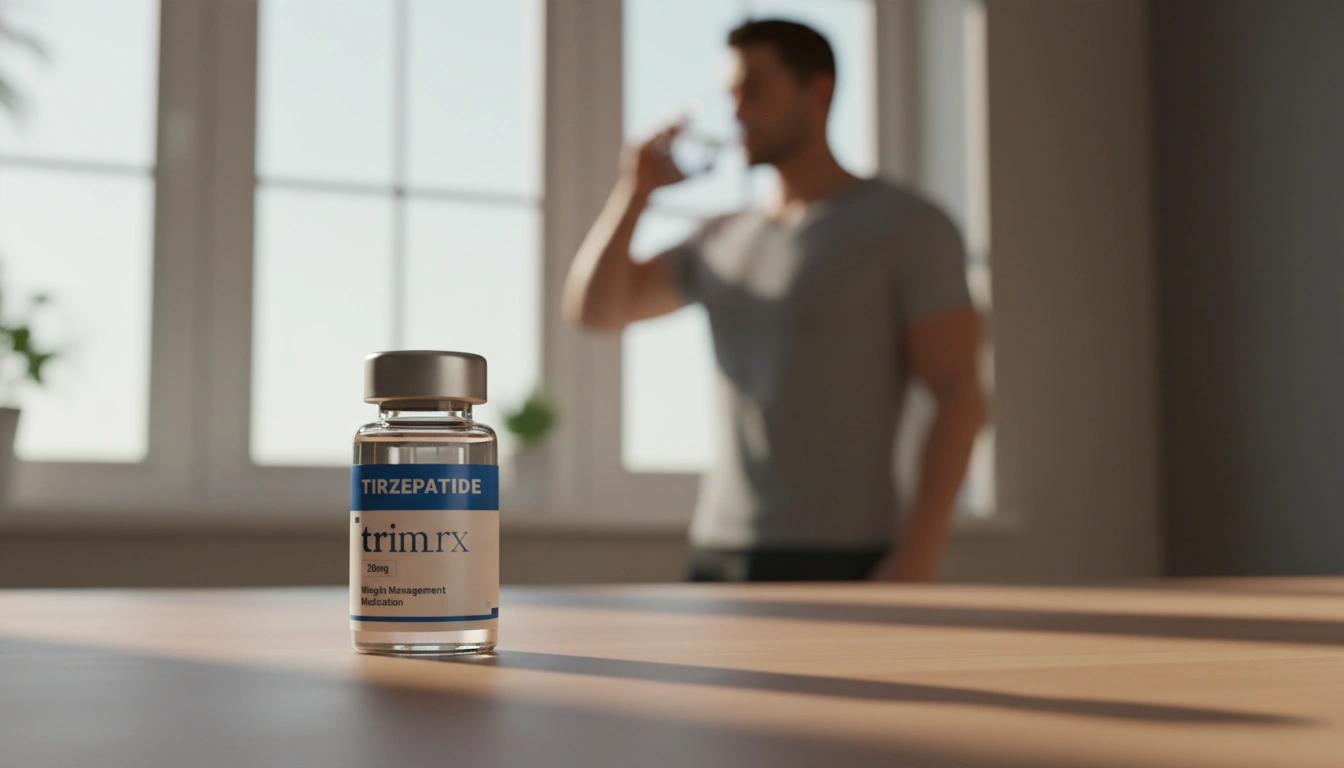
Most people starting tirzepatide focus on appetite changes, injection schedules, and weight loss timelines. Hydration rarely makes the list. That’s a mistake, because water intake becomes meaningfully more important once you’re on a GLP-1 medication, and getting it wrong can amplify side effects, slow your progress, and leave you feeling worse than you need to.
Why Tirzepatide Changes Your Hydration Needs
Tirzepatide works through two complementary mechanisms: it activates GLP-1 receptors (like semaglutide) and GIP receptors, which together reduce appetite, slow gastric emptying, and improve insulin sensitivity. These same mechanisms affect how your body handles fluids in ways that aren’t always obvious.
Here’s what’s happening physiologically. When you eat less, you also drink less, because a significant portion of daily fluid intake comes from food. Fruits, vegetables, soups, and even cooked grains contribute water to your daily total. If tirzepatide cuts your food volume by 30 to 40 percent, your passive fluid intake drops alongside it. Many patients don’t compensate by drinking more water, because the appetite suppression that reduces food intake also blunts the sensation of thirst to some degree.
At the same time, the GI effects of tirzepatide, particularly nausea, vomiting, and diarrhea that some patients experience, especially early in treatment or after dose increases, can accelerate fluid and electrolyte losses. The combination of reduced intake and increased loss creates a real dehydration risk that’s easy to overlook when you’re focused on other aspects of treatment.
Signs You’re Not Drinking Enough on Tirzepatide
Dehydration on tirzepatide can look like a lot of things that patients attribute to the medication itself.
Persistent fatigue is one of the most common. If you’re feeling more drained than expected several days after your injection, low fluid intake is worth considering before assuming the medication is the cause. Headaches are another signal, particularly in the first few weeks of treatment or after dose escalations.
Constipation is strongly associated with inadequate hydration on GLP-1 medications. Tirzepatide slows gastric emptying, which already increases constipation risk. Without enough water moving through the GI tract, that risk compounds further. Patients who complain of constipation on Mounjaro or Zepbound are often simply not drinking enough.
Dizziness, particularly when standing up quickly, can reflect low blood volume from dehydration. Some patients interpret this as a medication side effect when it’s actually a hydration issue with a straightforward fix.
Dark urine is the most reliable everyday signal. Pale yellow is the target. If your urine is consistently dark yellow or amber, you need more fluids.
How Much Water Do You Actually Need on Tirzepatide?
The standard “eight glasses a day” guidance is a starting point, not a precise target, and it doesn’t account for body size, activity level, or the specific changes tirzepatide creates.
A more practical approach for most GLP-1 patients is to aim for a minimum of 64 to 80 ounces of water per day from beverages alone, separate from whatever fluid comes from food. On days when you experience GI side effects, you need more, not less, to compensate for losses.
If you’re exercising regularly, add roughly 16 ounces for every hour of moderate activity. The articles on cardio on semaglutide and exercise fatigue on GLP-1 both touch on the energy and recovery factors that hydration directly affects.
One useful habit: drink a full glass of water with your tirzepatide injection. It creates a consistent anchor for hydration and ensures you’re starting the post-injection window with good fluid status, which is when GI side effects are most likely.
Electrolytes Matter Too, Not Just Water
Plain water alone isn’t the complete picture, especially if you’re experiencing nausea or diarrhea. Electrolytes, particularly sodium, potassium, and magnesium, are lost alongside fluids during GI episodes and need to be replaced.
Magnesium is worth specific attention on tirzepatide. It plays a role in muscle function, sleep quality, and GI motility, and many patients are already mildly deficient before starting treatment. Reduced food intake on tirzepatide can deepen that deficiency. Adding a magnesium supplement or prioritizing magnesium-rich foods (leafy greens, pumpkin seeds, almonds) is a reasonable step for most patients.
Sodium gets a bad reputation in general nutrition discussions, but it’s an essential electrolyte and low sodium is a real risk when fluid losses are high. Broth, pickles, and electrolyte drinks without excessive sugar are practical ways to maintain sodium levels during GI-heavy periods.
For a detailed breakdown of electrolyte management on GLP-1 medications, the article on electrolytes on semaglutide covers this topic thoroughly, and the principles apply equally to tirzepatide.
Practical Strategies for Staying Hydrated When You’re Not Hungry or Thirsty
The challenge with hydration on tirzepatide isn’t knowledge, it’s implementation. When appetite and thirst are both suppressed, drinking feels like a chore. These strategies help.
Anchor hydration to existing habits. Drink a glass of water when you wake up, before each meal, and before bed. These four moments alone get you 32 ounces without relying on thirst as a trigger.
Use a marked water bottle. Bottles with time markers (“drink to here by noon”) remove the guesswork and create visible progress throughout the day. This is a simple behavioral nudge that works well for patients whose appetite suppression extends to thirst.
Warm fluids count. Herbal tea, broth, and warm water with lemon are all valid hydration sources and may be easier to tolerate when nausea is present. Some tirzepatide patients find cold water uncomfortable when their stomach is slow to empty. Warm fluids move more easily.
Eat hydrating foods intentionally. Cucumbers, celery, watermelon, zucchini, and leafy greens are all high water content foods that contribute meaningfully to fluid intake. On days when drinking feels difficult, prioritizing these foods helps close the gap.
Set reminders if needed. There’s nothing wrong with a phone alarm every two hours that simply says “drink water.” Behavioral prompts are underused and genuinely effective.
Hydration and Weight Loss: The Direct Connection
Beyond side effect management, hydration has a direct relationship with weight loss outcomes on tirzepatide. A 2019 study published in Obesity found that increased water intake was independently associated with greater weight loss in adults on calorie-restricted diets, partly through thermogenic effects and partly through reduced caloric intake when water was consumed before meals.
On tirzepatide, where appetite is already suppressed, the additional appetite-blunting effect of pre-meal water may be modest. But the metabolic benefits of adequate hydration, better kidney function, more efficient fat metabolism, improved energy for exercise, and reduced constipation, all support better treatment outcomes.
Dehydration also creates a false signal on the scale. Patients who are mildly dehydrated retain less water in tissue temporarily but then rebound, creating fluctuations that can look like stalled weight loss. Consistent hydration produces more consistent scale readings and more accurate progress tracking.
When to Contact Your Provider
Most hydration issues on tirzepatide are manageable with the strategies above. But contact your prescribing provider if you experience severe vomiting or diarrhea lasting more than 24 hours, signs of significant dehydration (extreme dizziness, very dark urine, inability to keep fluids down), or if GI symptoms are severe enough to prevent adequate fluid intake for more than a day or two.
These situations may warrant a temporary dose adjustment, anti-nausea medication, or other clinical support. TrimRx providers are available to help patients navigate side effects at any stage of treatment. If you haven’t started yet and want to explore whether compounded tirzepatide is right for you, take the intake quiz to get started.
This information is for educational purposes and is not medical advice. Consult with a healthcare provider before starting any medication. Individual results may vary.

Transforming Lives, One Step at a Time
Keep reading
Can You Build Muscle While Losing Weight on Tirzepatide?
Possible for some people and unlikely for others, and the difference is mostly about where you are starting from. Someone new to resistance training…

Anxiety Around Food Got Worse on Tirzepatide, Not Better
Most people expect appetite suppression to make eating simpler. For a meaningful number it does the opposite, and there are four identifiable reasons why….

Why Guilt About Eating Normally on Tirzepatide Deserves Attention
The guilt is the thing worth looking at here, not the eating. Feeling bad after eating an ordinary amount of food is not evidence…


