Injection Site Red, Lumpy or Bruised on a GLP-1?
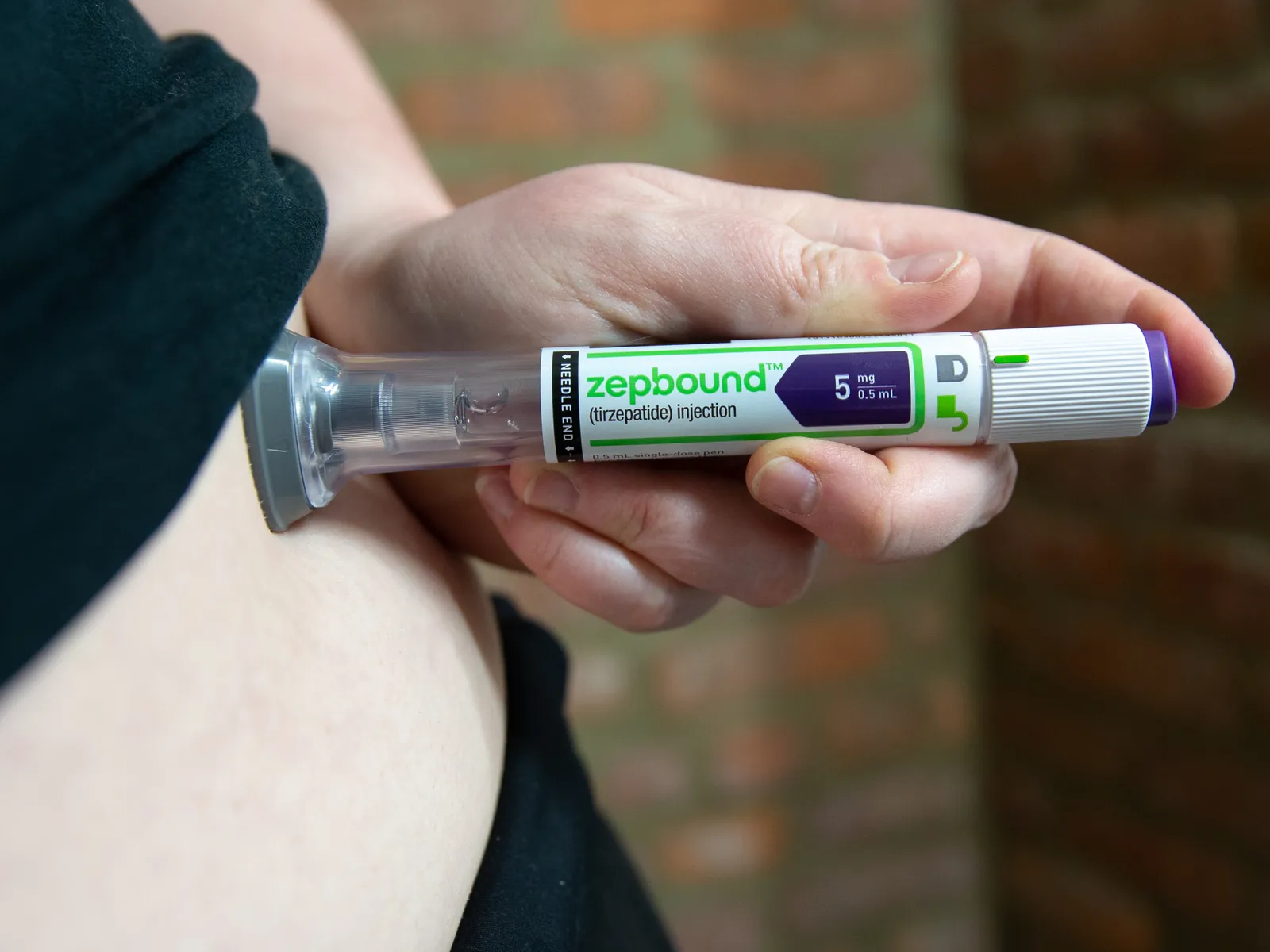
Most of what shows up at an injection site is either normal healing or a technique problem with a straightforward fix. A short list is neither, and that list is worth knowing first.
Contact a clinician the same day if
- Redness that is spreading outward, rather than staying put and fading
- The area is hot to touch, and increasingly so
- Pus or any discharge
- Fever or feeling generally unwell alongside a sore site
- Pain that is getting worse after the first day or two rather than better
- A hard, tender, expanding lump
Those suggest infection, which needs treating rather than watching.
Seek emergency care for hives spreading beyond the site, swelling of the lips, tongue or throat, difficulty breathing, or feeling faint. Those are signs of a systemic allergic reaction and they are not an injection site problem.
Everything below assumes none of that applies.
What is ordinary
A small bump or wheal right after injecting. That is the fluid you just placed under the skin. It settles within minutes to an hour.
Mild redness for a day or so, staying the same size or shrinking.
Itching around the site, usually brief.
A bruise. Very common and mostly luck, since you cannot see the small vessels you are aiming between.
A tender spot for a day or two.
The pattern that distinguishes ordinary from concerning is direction. Ordinary reactions are at their worst early and get better. Infections start later and get worse.
The technique things that cause most of it
Injecting it cold, straight from the fridge. This is the commonest cause of stinging and irritation, and the fix is free: take it out and let it reach room temperature before injecting. Do not warm it artificially, do not put it anywhere hot, just leave it out for a while.
Injecting before the alcohol has dried. Alcohol carried under the skin stings and irritates. Let the site dry fully.
Injecting through clothing. It blunts the needle and it is not clean.
Reusing a needle. A used needle is blunt, and blunt needles cause bruising, pain, and more tissue trauma. Every injection gets a new one.
Rubbing the site afterwards. Press gently if you need to, do not massage.
Not rotating. Repeatedly injecting the same spot causes tissue changes that build up over months, and the affected area can absorb medication less reliably. That is the one that quietly matters, because it can affect how well your dose works rather than just how the skin looks. Our guide on rotating injection sites covers how to do it systematically, and our guide on GLP-1 injection sites covers where the options are and what each involves.
Injecting into scar tissue, moles, or areas that are bruised or irritated. Pick fresh skin each time.
Consider this scenario: someone has been injecting into more or less the same spot on the same side for eight months, because it is the one that is easy to reach and does not hurt. The area has become subtly firm, and they have noticed the last few months feel less effective than the earlier ones. They have been discussing a dose increase with their provider. The site was never mentioned, because it did not look like a problem, and nobody thought to ask.
Bruising specifically
If you bruise every single time, a few things are worth checking.
Whether you are pressing too hard before or after, whether you are injecting too quickly, and whether the needle is new each time. Also whether you take anything that thins the blood, including aspirin and some supplements, which makes bruising far more likely and is worth mentioning to your provider rather than worrying about alone.
Bruising is cosmetic and not a reason to stop. It is a reason to review technique.
Lumps that stay
A lump that persists for weeks after an injection, without the infection signs above, is worth showing to your provider rather than watching indefinitely. It is usually a tissue reaction and it usually resolves, but persistent lumps also affect where you should be injecting next, and that is the practical consequence.
Do not keep injecting into a lump while waiting for it to go.
If it is happening every time
Repeated reactions at every site, despite good technique, is a different conversation. It may be about the formulation rather than the technique.
Format is worth raising here too. Pens and vials involve different needles and different handling, and people sometimes tolerate one noticeably better than the other. Our guide on pens versus vials covers the differences, and switching is a reasonable thing to ask about if your skin is consistently unhappy.
Tell your provider what you are seeing, at which sites, how long it lasts, and what your technique is. A short description of your actual routine is more useful than a description of the reaction, because that is usually where the fix is.
What not to do
Do not skip doses because of site reactions without discussing it. Almost all of this is fixable without interrupting treatment.
Do not apply anything to the site beyond what a clinician suggests. Most of what people reach for adds irritation.
Do not keep injecting into an area that is firm, lumpy, or discolored. Move somewhere fresh and mention it.
Do not reuse needles to save money. If cost is the reason, say so to your provider, because that is a different problem with better solutions.
The short version
Spreading redness, heat, pus, fever, or pain that worsens after day two means infection and a same-day call. Swelling of the face or throat means emergency care. Almost everything else is technique: let it warm up, let the alcohol dry, new needle every time, no injecting through clothes, no rubbing afterwards, and rotate properly. Rotation is the one worth being disciplined about, because the consequence is not cosmetic. And if every site reacts despite all that, raise the format question rather than putting up with it.
If you want a provider who will troubleshoot your actual technique rather than tell you it is normal, TrimRx includes ongoing provider access alongside treatment.
This information is for educational purposes and is not medical advice. Consult with a healthcare provider before starting any medication. Individual results may vary.

Transforming Lives, One Step at a Time
Keep reading

Cruise on a GLP-1: Seasickness, Buffets and Storage
A cruise combines three things that each interact with these medications: motion, unlimited food, and a week away from your usual routine and pharmacy….

Getting Married on a GLP-1: Planning Dose Timing, Fittings and the Day
A wedding puts three things on a calendar that do not usually meet: a medication with a weekly rhythm, a garment fitted to a…

Running Out of Your GLP-1 Abroad
Your bag went missing, the cooler failed, or you simply counted wrong. You are in another country and the next dose is due. Here…


