Iron Deficiency on Semaglutide: Why It Happens and How to Prevent It
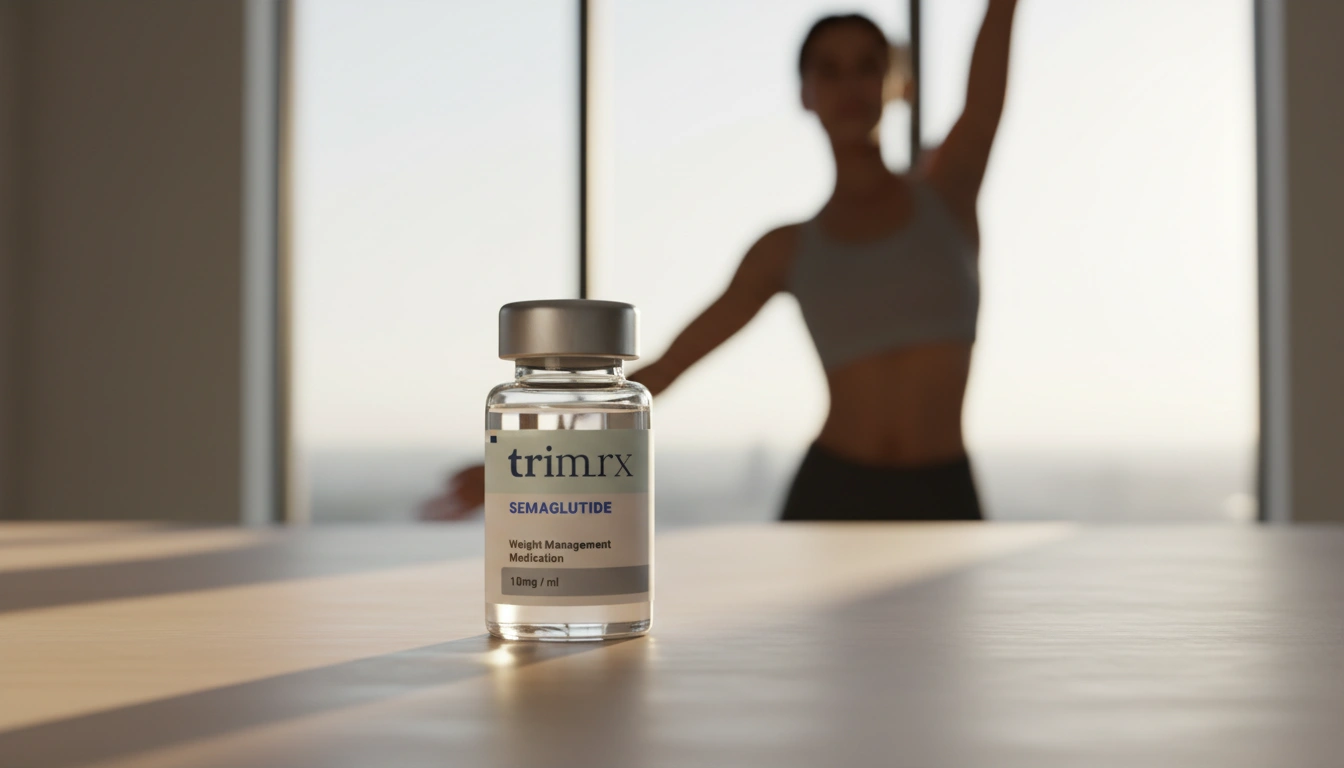
Fatigue on semaglutide gets blamed on a lot of things: caloric restriction, adjusting to a new medication, disrupted sleep. Those are all real contributors. But there’s another cause that gets overlooked more often than it should: iron deficiency. Reduced food intake, changes in digestion, and shifts in dietary patterns during GLP-1 treatment can all chip away at iron status over time, and the symptoms overlap enough with other common complaints that it often goes unaddressed.
If you’ve been on semaglutide for several months and feel persistently tired, cold, or short of breath despite things otherwise going well, iron is worth putting on your radar.
Why Semaglutide Increases Iron Deficiency Risk
Iron deficiency on semaglutide isn’t caused by the medication directly interfering with iron metabolism. It’s more indirect than that, and it comes from several directions at once.
Reduced Food Intake
The most straightforward reason is the same one driving magnesium and calcium concerns: eating less means taking in less of everything, including iron. The recommended daily intake for iron is 8 mg for adult men and postmenopausal women, and 18 mg for premenopausal women. That gap between 8 and 18 mg matters a lot, and it’s why iron deficiency disproportionately affects women of reproductive age even before GLP-1 medications enter the picture.
On a 1,200 to 1,400 calorie diet during active weight loss, hitting 18 mg of iron from food requires deliberate choices. Red meat, organ meats, shellfish, legumes, and fortified cereals are the primary dietary sources. When appetite suppression makes eating feel like a chore, these foods often fall out of rotation in favor of whatever is easiest to tolerate.
Changes in Stomach Acid and Absorption
Semaglutide slows gastric emptying, which changes the digestive environment. Iron absorption, particularly non-heme iron from plant sources, depends on stomach acid to convert it into a form the body can absorb. Any reduction in gastric acid activity or changes in the rate at which food moves through the stomach can reduce iron absorption efficiency, even when dietary intake looks adequate on paper.
This is compounded if a patient is also taking a proton pump inhibitor or antacid for GI symptoms during semaglutide treatment, both of which reduce stomach acid and further impair iron absorption.
Food Aversions During Early Treatment
Nausea is a common early side effect of semaglutide, and it tends to make certain foods particularly unappealing. Red meat and shellfish, two of the richest sources of highly bioavailable heme iron, are frequently reported as difficult to tolerate during the first weeks of treatment. If those aversions persist or become habitual, iron intake can drop significantly without the patient consciously noticing the shift.
Who Is Most at Risk
Not everyone on semaglutide faces the same level of iron risk. The patients most likely to develop deficiency include:
Premenopausal women, who already need more than twice the iron of men and have monthly losses to account for. Women who have heavy menstrual periods are at particularly elevated risk. Vegetarians and vegans, whose iron intake comes entirely from non-heme plant sources, which are absorbed at a fraction of the rate of heme iron from animal products. People with a prior history of iron deficiency or anemia, since existing low stores leave less buffer when intake drops. Patients who have had bariatric surgery before starting semaglutide, since surgical changes to the GI tract already impair iron absorption. Anyone using acid-reducing medications regularly alongside semaglutide treatment.
Recognizing the Symptoms
Iron deficiency develops gradually and its symptoms are easy to attribute to other aspects of treatment. The early signs tend to be:
Persistent fatigue that doesn’t improve with rest, feeling cold when others around you are comfortable, reduced exercise tolerance or unusual breathlessness during activity, difficulty concentrating or brain fog, headaches, and pale skin or pale inner eyelids.
More advanced iron deficiency anemia adds symptoms like heart palpitations, dizziness, brittle nails, and unusual cravings for non-food substances like ice or clay (a condition called pica). Reaching that point means the deficiency has been developing for a while.
The overlap with general semaglutide side effects and caloric restriction symptoms makes iron deficiency easy to miss. Fatigue is common early in treatment for many reasons. That’s exactly why getting baseline labs before or shortly after starting semaglutide is worth doing.
Getting Tested
The most useful initial test for iron status is a complete blood count combined with serum ferritin. Ferritin reflects iron stores in the body and is a more sensitive early indicator of deficiency than hemoglobin alone. Someone can have normal hemoglobin but low ferritin, meaning their stores are depleted even before anemia develops. Catching it at that stage is much easier to address.
A 2020 review published in the American Journal of Clinical Nutrition found that ferritin levels below 30 micrograms per liter are associated with iron depletion even in the absence of anemia, and that addressing deficiency at this stage prevents progression to symptomatic anemia. If your provider is ordering labs during your GLP-1 treatment, asking to include ferritin alongside a standard CBC gives you a clearer picture than CBC alone.
For a broader overview of what lab work to expect during treatment, the article on what lab tests to expect while on GLP-1 medications covers the full context of monitoring while on semaglutide or tirzepatide.
How to Maintain Iron Status on Semaglutide
Prevention starts with food, and then moves to supplementation if food isn’t enough.
Prioritizing Dietary Iron
Heme iron from animal sources is absorbed at roughly 15 to 35 percent efficiency. Non-heme iron from plants is absorbed at 2 to 20 percent depending on what else is eaten at the same meal. That difference matters when overall food intake is reduced.
The best heme iron sources that tend to work reasonably well on semaglutide include lean beef, chicken thighs and legs, canned clams, oysters, and sardines. These are also protein-dense, which aligns with the protein-first eating pattern most GLP-1 patients follow.
For plant-based patients, lentils, tofu, edamame, pumpkin seeds, and fortified cereals are the strongest options. Pairing them with vitamin C significantly improves absorption. A squeeze of lemon over lentils or eating bell pepper alongside tofu isn’t just culinary preference — it meaningfully increases how much iron your body actually absorbs from the meal.
Conversely, coffee, tea, calcium-rich foods, and high-fiber foods consumed at the same time as iron-rich meals can inhibit absorption. This doesn’t mean avoiding those foods, but spacing them out from iron-focused meals when possible is worth doing.
When Supplementation Makes Sense
If dietary intake is consistently falling short and symptoms or low ferritin suggest deficiency, supplemental iron is the next step. Standard iron supplements come in several forms. Ferrous sulfate is the most common and least expensive, but it’s also the most likely to cause constipation, nausea, and GI discomfort, which are the last things you want to layer onto semaglutide side effects.
Ferrous bisglycinate (iron bisglycinate) is a chelated form that’s gentler on the GI tract and reasonably well absorbed. It’s worth paying a little more for if GI tolerance is a concern. Iron supplements are best taken on an empty stomach for maximum absorption, but if that causes discomfort, taking them with a small amount of food (ideally with vitamin C and without calcium or coffee nearby) is a reasonable compromise.
Don’t supplement iron without confirmed or strongly suspected deficiency. Unlike magnesium or vitamin D, excess iron accumulates in tissues and can cause harm at high levels. This is one nutrient where testing before supplementing matters more than it does for others.
Talking with your provider about your iron status, particularly if you’re a premenopausal woman or fall into another higher-risk group, is the right first step. If you’re looking for supervised GLP-1 treatment with ongoing clinical support, the TrimRx intake quiz is where to start.
For related reading, the article on how much protein you need on Ozempic or semaglutide covers how dietary priorities shift during treatment in ways that directly affect iron intake decisions.
This information is for educational purposes and is not medical advice. Consult with a healthcare provider before starting any medication or supplement. Individual results may vary.

Transforming Lives, One Step at a Time
Keep reading

Perimenopause or Semaglutide? Telling Which Is Causing Your Symptoms
Pattern is what separates them, and there is no blood test that will do it for you. Medication effects follow your injection and your…

Feeling Flat and Unmotivated on Semaglutide: Medication or Weight Loss?
The distinction that matters most is not which one caused it. It is whether the flatness is confined to food or extends across your…

Why You Might Like Your Body Less After Losing Weight on Semaglutide
This is a documented pattern rather than an individual failure, and it is worth saying plainly at the start: losing more weight generally does…


