Is 7.5 mg of Zepbound a Lot for Your Weight Loss Journey?
Introduction
Standing in front of the mirror or looking at the pharmacy label, it is natural to wonder if your current dosage is the “right” amount for your body. If you have recently been moved up from a lower dose, you might be asking yourself: is 7.5 mg of zepbound a lot? For many, this specific dose represents a significant milestone in their treatment, often serving as the bridge between the introductory phases and the higher therapeutic levels. At TrimRx, we understand that navigating the nuances of metabolic medication can feel overwhelming, especially when you are trying to balance efficacy with how you feel day-to-day. This article will explain where the 7.5 mg dose sits in the standard treatment timeline, how it affects your body’s hunger signals, and what you should consider as you progress through your personalized program.
Quick Answer: In the context of the full treatment range, 7.5 mg is considered a mid-level dose. Because Zepbound® (tirzepatide) goes up to a maximum of 15 mg, the 7.5 mg dose is exactly the midpoint of the titration schedule and is often where many people begin to see more consistent weight loss results.
The Role of 7.5 mg in Your Medication Schedule
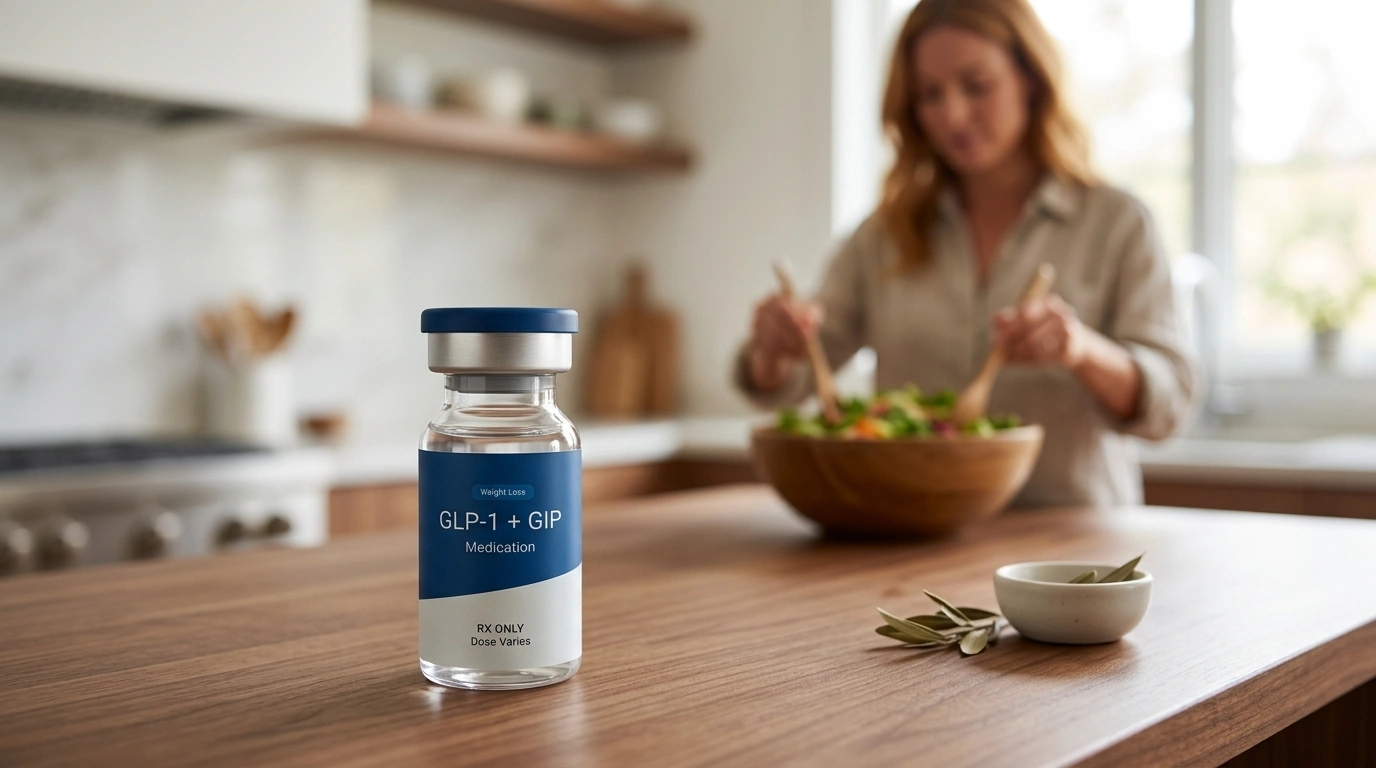
To understand if 7.5 mg is “a lot,” we must first look at how this medication is designed to be used. Zepbound® is a brand-name medication containing tirzepatide, a dual-receptor agonist. This means it mimics two different hormones in your body: glucagon-like peptide-1 (GLP-1) and glucose-dependent insulinotropic polypeptide (GIP). These hormones work together to regulate blood sugar, slow down digestion, and signal to your brain that you are full.
The medication is administered through a process called titration. This is a gradual increase in dosage designed to help your body adjust to the hormonal changes while minimizing potential side effects. The standard schedule usually follows a predictable pattern of 2.5 mg increments every four weeks. For a closer look at this process, review this guide to tirzepatide dosing and personalized treatment.
The Standard Titration Timeline
The journey typically begins at a 2.5 mg dose. This is primarily an “initiation dose” intended to introduce the medicine to your system; it is not usually considered a therapeutic dose for significant weight loss. After four weeks, most individuals move to 5 mg.
If your weight loss has slowed or your hunger cues have returned at the 5 mg level, a healthcare provider may move you to 7.5 mg. Because the maximum dose is 15 mg, 7.5 mg represents the 50% mark of the medication’s total potential strength. It is a step up from the starting phases but still leaves plenty of room for future adjustments if needed. You can also review what dose is used to begin Zepbound treatment before discussing your next step with a provider.
Is 7.5 mg of Zepbound a Lot Clinically?
From a clinical perspective, 7.5 mg is not considered a high dose. It is categorized as a mid-range therapeutic dose. Many clinical trials, such as the SURMOUNT studies, evaluated the effectiveness of tirzepatide at 5 mg, 10 mg, and 15 mg. In these studies, 7.5 mg often serves as a transition point for those who need more support than the 5 mg dose provides but may not be ready for the double-digit dosages.
Boldly put, whether a dose is “a lot” depends entirely on your individual biology. For some people, 7.5 mg is the “sweet spot” where they achieve significant weight loss with very few side effects. For others, it is simply a temporary stop on the way to 10 mg or 15 mg. If you are considering whether prescription treatment may fit your health profile, you can complete a free eligibility assessment.
Key Takeaway: 7.5 mg is the midpoint of the Zepbound® dosing spectrum. It is stronger than the initiation doses but is only half of the maximum allowable dose of 15 mg.
Why Your Provider Might Increase Your Dose to 7.5 mg
The decision to move to 7.5 mg is usually based on how your body responded to the 5 mg dose. A licensed healthcare provider will typically look for a few specific indicators before recommending an increase.
The most common reason for a dose increase is a weight loss plateau. If you have stayed at the same weight for several weeks despite following your program, your body may have adapted to the 5 mg dose. Increasing to 7.5 mg can provide the additional metabolic “push” needed to restart progress. Our guide on what to do when weight loss stalls on a GLP-1 explores other factors that may affect progress.
Another factor is the return of “food noise.” This term refers to the intrusive, constant thoughts about food and eating that many people with weight struggles experience. If the 5 mg dose no longer keeps these thoughts at bay for the full seven days between injections, moving to 7.5 mg may help maintain appetite suppression more consistently.
Note: Dosage changes should only be made under the direct supervision of a licensed medical professional who can evaluate your progress and health history.
How 7.5 mg Affects Your Body
When you reach the 7.5 mg level, the concentration of tirzepatide in your bloodstream is higher than in the previous months. This leads to several physiological changes that support weight management.
- Slower Gastric Emptying: The medication slows down the speed at which food leaves your stomach. At 7.5 mg, this effect is often more pronounced than at 5 mg, meaning you feel physically full for a longer duration after eating.
- Enhanced Insulin Sensitivity: The GIP component of the medication helps your body use insulin more effectively, which can stabilize blood sugar levels and reduce cravings for sugary foods.
- Brain Signaling: The medication acts on the areas of the brain responsible for reward and hunger. At this mid-range dose, many people report a significant “quieting” of hunger signals.
For more background on injection routines and treatment administration, read this step-by-step guide to taking tirzepatide injections.
Managing Side Effects at the 7.5 mg Dose
Because 7.5 mg is a higher concentration of the medication, some individuals may notice a temporary increase in side effects during the first week or two of the transition. These are usually gastrointestinal in nature as the body adapts to the slower digestion.
Common side effects at this dose include nausea, constipation, diarrhea, or indigestion. Most of these are mild and tend to fade as your body becomes accustomed to the 7.5 mg level. If you experience side effects, it does not necessarily mean the dose is “too much” for you; rather, it often means your body needs time to recalibrate. This tirzepatide side effect management guide covers common symptoms and practical considerations.
Strategies for a Smooth Transition
To manage the transition to 7.5 mg, consider the following steps:
- Prioritize Hydration: Drinking plenty of water is essential, as the medication can change how your body processes fluids.
- Focus on Protein: Consuming adequate protein helps preserve lean muscle mass during weight loss and can help keep you feeling satisfied.
- Eat Smaller Meals: Since your stomach will empty more slowly at 7.5 mg, eating large meals can lead to discomfort or nausea.
- Limit High-Fat Foods: Greasy or fried foods are harder to digest and may worsen gastrointestinal side effects.
If you find that side effects are interfering with your daily life, we recommend discussing a support strategy with a professional. Some people find that our GLP-1 Daily Support supplement helps provide the necessary nutrients and comfort during these dose increases.
Compounded Tirzepatide and Personalized Dosing
While Zepbound® is a specific branded product, some individuals may access the same active ingredient, tirzepatide, through different avenues. Due to demand and supply chain issues, many people turn to telehealth platforms to connect with providers who can prescribe compounded tirzepatide.
It is important to understand the distinction: Compounded tirzepatide is not FDA-approved. However, it is prepared by licensed, FDA-registered, and inspected compounding pharmacies. These pharmacies create personalized medications based on a specific prescription. This can sometimes offer more flexibility for patients who need to stay at a certain dose, like 7.5 mg, for a longer period if the branded medication is unavailable. Read more about personalized tirzepatide dosing before discussing options with a licensed provider.
At TrimRx, we focus on connecting you with providers who understand these nuances. Our platform facilitates access to high-quality compounded medications that are shipped directly to your door, ensuring your journey remains consistent even if branded supplies fluctuate.
What if 7.5 mg Feels Like Too Much?
While 7.5 mg is a mid-range dose, every individual’s sensitivity to medication is unique. Some people may find that they reach their goals or experience optimal appetite suppression at 5 mg and never need to move up to 7.5 mg.
If you move to 7.5 mg and experience persistent, severe nausea or an inability to eat enough calories to sustain your energy, it is important to speak with your provider. A “personalized program” means that the dosage should fit the patient, not the other way around. There is no shame in staying at a lower dose if it is working for you. The goal is sustainable, healthy weight loss, not reaching the highest possible dose.
Bottom line: 7.5 mg is a standard step in the journey, but your specific health profile and comfort levels are the most important factors in determining if it is the right amount for you.
Maximizing Your Results on a Mid-Range Dose
Whether you stay at 7.5 mg for one month or six, your lifestyle choices play a massive role in the medication’s effectiveness. Medication is a tool that makes healthy choices easier to maintain, but it does not replace the fundamentals of metabolic health.
Physical activity is particularly important as you reach these therapeutic doses. As the weight begins to come off more rapidly, engaging in resistance training can help ensure that the weight you lose is primarily fat, not muscle. Additionally, focusing on sleep hygiene and stress management can help keep your cortisol levels in check, which further supports the metabolic benefits of the 7.5 mg dose. For additional strategies, explore these ways to support weight loss while using GLP-1 medication.
If you are looking for an extra edge, some patients incorporate our Weight Loss Boost supplement. This is designed to complement the work the medication is doing in your body, providing metabolic support without requiring a prescription or a medical quiz.
Why a Telehealth Approach Works for Dosing
Navigating the shift from 5 mg to 7.5 mg requires consistent communication with a healthcare professional. This is where the telehealth model excels. Instead of waiting weeks for an in-person appointment to discuss a dose adjustment, our platform provides 24/7 access to a team of specialists.
We believe that weight loss is a dynamic process. Your needs at 2.5 mg are different than your needs at 7.5 mg. Through TrimRx, you receive a comprehensive service model that includes doctor consultations and lab work. This ensures that as you move through these dosages, a professional is always monitoring your progress and adjusting your plan as needed.
Key Takeaway: Success at the 7.5 mg dose is about more than just the injection; it is about having a dedicated support system to help you navigate the changes in your body and lifestyle.
Conclusion
So, is 7.5 mg of zepbound a lot? In the grand scheme of weight loss treatment, it is a perfectly balanced, mid-level dose designed to help you continue your progress safely. It represents a commitment to your long-term health and a step toward your ultimate goals. Whether this becomes your steady maintenance dose or just a brief chapter in your titration story, the key is to listen to your body and work closely with your clinical team.
Our mission is to help you embrace a healthier lifestyle through a transparent, personalized approach. We merge clinical expertise with the convenience of modern technology to ensure you never have to navigate these dosage questions alone. If you are ready to see if a personalized tirzepatide program is right for you, your next step is simple.
Ready to start your personalized journey? Take the free assessment quiz today to see which program fits your health profile and goals.
FAQ
Is 7.5 mg of Zepbound considered a high dose?
No, 7.5 mg is considered a mid-range therapeutic dose. Since the medication is prescribed in increments up to 15 mg, the 7.5 mg dose is the exact midpoint of the available strengths.
How long do I have to stay on the 7.5 mg dose?
Most people stay on the 7.5 mg dose for at least four weeks before considering an increase to 10 mg. However, if you are losing weight steadily and have minimal side effects, your provider may suggest staying at 7.5 mg for a longer period. Your provider can also use the free assessment quiz to determine whether a personalized program may be appropriate for you.
Will I lose more weight on 7.5 mg than on 5 mg?
For many people, the answer is yes, as the higher concentration of the medication provides stronger appetite suppression and slower digestion. However, individual results vary based on your diet, activity level, and how your unique metabolism responds to the medication.
What should I do if I have side effects after moving to 7.5 mg?
Mild side effects like nausea often resolve within a few days as your body adjusts. To manage them, focus on small meals, stay hydrated, and avoid fatty foods; if side effects are severe or persistent, contact your healthcare provider through our platform for guidance.
Disclaimer: This content is for informational purposes only and does not constitute medical advice. It is not intended to diagnose, treat, cure, or prevent any disease or condition. Individual results may vary. Always consult a qualified healthcare professional before starting any weight loss program or medication.

Transforming Lives, One Step at a Time
Keep reading

Massage on Zepbound: What to Know Before Your Appointment
A massage or a spa day should be relaxing. If you take Zepbound or compounded tirzepatide, a few simple steps make sure it is:…

College Move-In Day on Zepbound
Moving a child into college is one of the bigger days in a parent’s life. It is also physically demanding: a long drive, waiting…

Dental Hygienists on Zepbound
Dental hygiene is close, physical work. You see a patient roughly every hour, spend most of the day leaning over the chair, wear a…


