Is Almond Butter Healthy for Weight Loss? Our Experts Weigh In
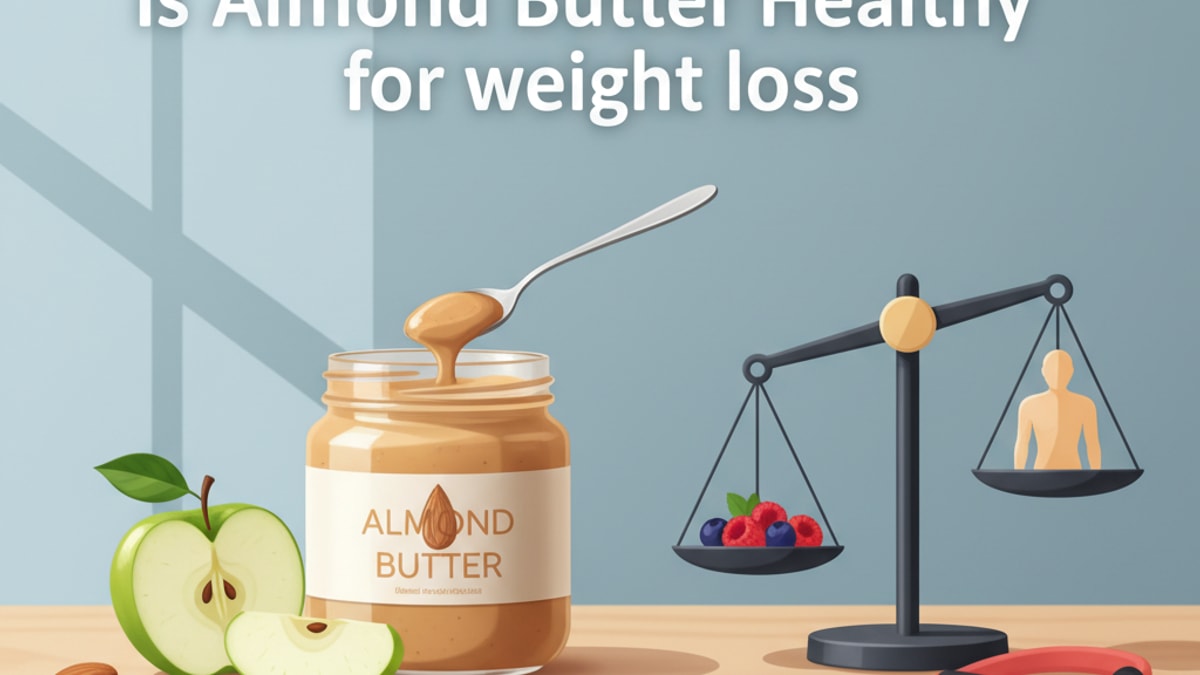
Let's be honest. When you're focused on weight loss, the food landscape can feel like a minefield. One day a food is a superfood, the next it's a villain. And right in the middle of this confusion sits almond butter. It's creamy, it's satisfying, and it's made from a nut we all know is healthy. But that calorie count on the label can be daunting, right? It leaves so many people asking the same exact question: is almond butter healthy for weight loss, or is it secretly sabotaging my efforts?
Our team at TrimrX deals with this kind of nutritional nuance every single day. We guide patients through medically-supervised weight loss programs, often using advanced treatments like GLP-1 medications, and a huge part of that journey is building a sustainable, healthy relationship with food. It’s not about restriction; it's about understanding. So, we're going to pull back the curtain on almond butter, moving beyond the hype and giving you the straightforward, science-backed perspective you need to make it work for you, not against you.
The Nutritional Breakdown: What's Really in a Spoonful?
Before we can even talk about weight loss, we have to understand what we're working with. A typical two-tablespoon serving of almond butter isn't just a blob of calories; it's a dense package of powerful macronutrients and micronutrients. Thinking of it just in terms of calories is missing the entire point.
First, let's talk fats. This is where most of the calories come from, and it's also where people get nervous. But we can't stress this enough: the type of fat matters immensely. Almond butter is packed with monounsaturated fats. These are the same heart-healthy fats you find in olive oil and avocados. Our experience shows that diets rich in these fats are fantastic for improving cholesterol levels and reducing inflammation—two factors that often go hand-in-hand with weight challenges. They also play a critical, non-negotiable role in hormone production and absorbing fat-soluble vitamins. So, yes, it's fat, but it's the highly functional, beneficial kind of fat your body craves.
Then there's the protein and fiber. A single serving delivers a respectable amount of both, typically around 6-7 grams of protein and 3-4 grams of fiber. This combination is the secret to almond butter's incredible satiety power. Protein is famously effective at making you feel full and satisfied, reducing the likelihood that you'll be reaching for another snack an hour later. Fiber does something similar but with a different mechanism. It slows down digestion, which helps stabilize your blood sugar levels. No dramatic sugar spikes, and more importantly, no dramatic crashes that trigger cravings for high-sugar, low-nutrient foods. This one-two punch of protein and fiber is a formidable ally in managing hunger, which is arguably the biggest battle in any weight loss journey.
And we can't forget the micronutrients. Almond butter is an excellent source of Vitamin E, a powerful antioxidant that protects your cells from damage. It's also rich in magnesium, a mineral that's involved in hundreds of bodily processes, including energy production, muscle function, and, crucially, blood sugar control. Many people are deficient in magnesium, and this can subtly undermine their metabolic health. A spoonful of almond butter is a delicious way to help bridge that gap.
Calories and Portion Control: The Elephant in the Room
Okay, let's address the big number. A two-tablespoon serving of almond butter typically contains around 190-200 calories. There's no getting around it—it's a calorically dense food. And this is precisely where intention becomes everything.
This is the critical distinction our team makes with patients: there's a huge difference between a food being 'unhealthy' and a food being 'calorically dense.' A can of soda is unhealthy. It's packed with sugar and offers zero nutritional value. Almond butter is the opposite; it's dense with nutrition. The danger isn't in the food itself but in the portion. It’s incredibly easy to turn a healthy two-tablespoon serving into a 500-calorie snack without even realizing it. We've all been there, dipping a spoon back into the jar 'just one more time.'
This is why we consider a food scale or at least a set of measuring spoons to be non-negotiable tools for anyone serious about weight management. You have to be meticulous. Eyeballing a serving of almond butter is a recipe for accidentally consuming double or triple the calories you intended. It's not about being obsessive; it's about being accurate and honest with yourself. Weight loss, at its core, requires a calorie deficit. Almond butter can absolutely fit into that equation, but only if you account for its caloric contribution accurately.
So, is it 'bad' because it's high in calories? Absolutely not. It’s a tool. A powerful one. But like any tool, you have to know how to use it correctly. Use it strategically to add flavor, healthy fats, and satiety to a meal or snack, and it's a huge win. Eat it mindlessly out of the jar while watching TV, and it can stall your progress. Simple as that.
How Almond Butter Actually Supports Weight Loss Goals
Now, this is where it gets interesting. We've established that almond butter is nutritious but calorie-dense. So how does it actively help you lose weight? The mechanisms are more complex than just 'calories in, calories out.'
It all comes back to satiety and blood sugar regulation. Let's paint a picture. Imagine you have a 200-calorie snack. You could have a couple of rice cakes with a tiny bit of jam, or you could have two tablespoons of almond butter with some celery sticks. The rice cake snack will likely cause a quick spike in blood sugar, followed by a crash, leaving you hungry again in an hour. Your body burned through it quickly. The almond butter snack, however, digests slowly thanks to its fat, protein, and fiber content. It keeps your blood sugar stable and your hunger hormones in check. You feel full and satisfied for hours.
Which snack do you think is better for weight loss? It’s the one that prevents you from eating another 300 calories an hour later. That's the power of almond butter. It helps you control your overall calorie intake by keeping hunger at bay. Our team has found that incorporating satiating foods like this is one of the most effective strategies for long-term adherence to a healthier eating plan. When you're not constantly fighting hunger, you have the mental energy to make better choices throughout the day.
Furthermore, the quality of the calories matters. The monounsaturated fats in almond butter can improve insulin sensitivity. Better insulin sensitivity means your body is more efficient at using carbohydrates for energy instead of storing them as fat. The magnesium content also contributes to this effect. This creates a more favorable metabolic environment for weight loss. It’s a subtle, sometimes dramatic shift that happens on a cellular level. You're not just eating fewer calories; you're helping your body's systems function more optimally.
Almond Butter vs. Peanut Butter: A Head-to-Head Comparison
It’s the classic showdown in the nut butter aisle. For years, peanut butter was the undisputed king, but almond butter has emerged as a formidable contender, often marketed as the 'healthier' choice. But what does the data actually say? Let's break it down.
| Nutrient (per 2 tbsp serving) | Natural Almond Butter | Natural Peanut Butter |
|---|---|---|
| Calories | ~196 | ~191 |
| Total Fat (g) | ~18 | ~16 |
| Monounsaturated Fat (g) | ~11 | ~8 |
| Protein (g) | ~7 | ~7 |
| Fiber (g) | ~3.3 | ~2.6 |
| Sugar (g) | ~1.4 | ~2.1 |
| Vitamin E (% DV) | ~50% | ~15% |
| Magnesium (% DV) | ~25% | ~15% |
So, what's the verdict? Honestly, they are remarkably similar. Almond butter has a slight edge in a few key areas: it contains significantly more heart-healthy monounsaturated fat, more fiber, more Vitamin E, and more magnesium. It also tends to be slightly lower in sugar (assuming you're comparing natural, unsweetened versions of both). Peanut butter, on the other hand, is not far behind and is usually much more affordable.
Our professional observation is this: unless you have a specific allergy or a strong personal preference, the difference between the two is not significant enough to make or break your weight loss journey. The most important factor is choosing a high-quality version of either nut butter. That means one with a simple ingredient list: just nuts, and maybe a little salt. The real enemy isn't the peanut; it's the added sugar, hydrogenated oils, and other fillers found in many conventional brands.
Choosing the Right Almond Butter: Not All Jars Are Created Equal
Walking down the supermarket aisle can be overwhelming. You'll see jars labeled 'natural,' 'creamy,' 'no-stir,' and 'honey roasted.' This is where a little label-reading savvy becomes your superpower.
We can't stress this enough: flip the jar over and read the ingredients. The ideal almond butter has one ingredient: almonds. A close second is a jar with two ingredients: almonds and salt. That's it. That's the gold standard.
Be extremely wary of any brand that includes 'added sugar' in any form (cane sugar, corn syrup, honey, molasses). This turns a healthy, blood-sugar-stabilizing food into a sweet treat that can trigger the very cravings you're trying to avoid. Also, look out for added oils, especially 'hydrogenated oil' or 'palm oil.' These are often added to prevent the natural oil separation and create a 'no-stir' product. Hydrogenated oils are a source of unhealthy trans fats, and while palm oil isn't a trans fat, its addition is often a sign of a lower-quality, more processed product. Natural oil separation is a good thing! It means the product is pure. Just give it a good stir when you get it home and store it in the fridge to keep it mixed.
Our team recommends looking for brands that specify 'raw' or 'dry-roasted' almonds without added oils. Roasting can slightly alter the nutritional profile, but the difference is minimal. The key is avoiding the additions. Your best bet is often found in the health food section or from brands known for their simple, clean ingredient lists. It might cost a little more, but you're paying for quality and avoiding the junk that undermines your health goals.
Smart Ways to Incorporate Almond Butter Into Your Diet
So, you've bought a high-quality jar of almond butter and you're armed with your measuring spoons. Now what? The key is to use it as a component of a balanced meal or snack, not as the main event.
Here's what we've learned works best for our patients:
- Pair it with Fiber: Don't just eat it off a spoon. Spread your measured tablespoon on apple slices, celery sticks, or a whole-grain rice cake. The added fiber and water content from the fruit or vegetable will enhance satiety and add volume for very few calories.
- Boost Your Breakfast: Swirl a tablespoon into your morning oatmeal or Greek yogurt. This adds healthy fats and protein that will keep you full until lunchtime, preventing a mid-morning energy crash and the temptation of office donuts.
- Smoothie Enhancer: Add a tablespoon to your protein smoothie. It provides a creamy texture and a dose of healthy fats to make the smoothie more nutritionally complete and satisfying. It helps blunt the glycemic impact of any fruit you add.
- A Better Spread: Use it in place of butter or cream cheese on 100% whole-wheat toast. You're swapping less-healthy fats for a powerhouse of monounsaturated fats and fiber.
Think of almond butter as a 'satiety booster.' It's the ingredient you add to an already healthy food to make it more filling and delicious, ensuring your healthy habits are also enjoyable and sustainable. That's the key.
The Bigger Picture: Almond Butter in a Holistic Weight Loss Plan
Almond butter is a fantastic tool, but it's just one tool in the toolbox. Sustainable, significant weight loss rarely comes down to a single food choice. It requires a comprehensive, multi-faceted approach. This is the core philosophy behind everything we do at TrimrX. We understand that for many individuals, especially those with metabolic challenges or a history of struggling with weight, diet and exercise alone can feel like an uphill battle.
This is where a medical approach can be a true game-changer. Our programs utilize advanced GLP-1 medications like Semaglutide and Tirzepatide, which work by targeting the underlying biology of hunger and metabolism. These treatments help regulate appetite, improve how your body processes sugar, and make it fundamentally easier to stick to a healthy eating plan. They don't replace healthy habits; they work synergistically with them.
Imagine combining the blood-sugar-stabilizing power of almond butter with a medication that is also optimizing your body's insulin response and reducing cravings at a hormonal level. The effect is amplified. The journey becomes less about white-knuckling through constant hunger and more about building positive routines in a body that is finally working with you. If you've been doing all the right things—like choosing healthy foods and controlling portions—but aren't seeing the results you deserve, it might not be a lack of willpower. It could be that your biology needs additional support. If that sounds like you, we encourage you to Take Quiz to see if a medical weight loss program is the right next step.
Common Pitfalls to Avoid With Nut Butters
Even with the best intentions, it's easy to go wrong. Our clinical experience shows a few common traps people fall into when it comes to nut butters.
First is the 'health halo' effect. Because almond butter is 'healthy,' people feel they have a license to eat it freely. As we've discussed, this is a fast track to a calorie surplus. You must respect its caloric density.
Second is unhealthy pairing. Spreading your healthy, no-sugar-added almond butter on a slice of highly processed white bread with a thick layer of sugary jelly negates many of the benefits. The refined carbs and sugar will spike your blood sugar, defeating the purpose. Always pair it with high-fiber, whole foods.
Third is mindless snacking. The jar-and-spoon combo is the most dangerous. Never eat directly from the container. Always portion out your serving onto a plate and put the jar away. This simple act of mindfulness creates a barrier between you and overconsumption. It forces you to be intentional about what you're eating.
So, is almond butter healthy for weight loss? The answer is a resounding yes, but with a crucial asterisk. It can be a powerful ally if you choose a high-quality product, practice meticulous portion control, and integrate it intelligently into a balanced diet. It's not a magic bullet, but it is an incredibly effective tool for managing hunger, stabilizing blood sugar, and providing your body with essential nutrients. View it as a strategic ingredient in your broader health strategy, and you'll unlock its true potential. And if you're ready to build a comprehensive strategy that addresses all the factors holding you back, it might be time to Start Your Treatment Now.
Frequently Asked Questions
How much almond butter can I eat per day for weight loss?
▼
We generally recommend sticking to one serving, which is two tablespoons, per day. This provides the nutritional benefits without adding excessive calories to your daily intake, making it easier to maintain a calorie deficit.
Will eating almond butter make me gain weight?
▼
Almond butter will only cause weight gain if it leads you to consume more calories than you burn. By practicing strict portion control and incorporating it into a balanced diet, it can actually support weight loss by promoting fullness.
What’s the best time of day to eat almond butter for weight loss?
▼
There’s no single ‘best’ time, but many of our patients find it helpful at breakfast to promote satiety throughout the morning, or as an afternoon snack to prevent pre-dinner cravings. The key is using it to manage hunger when you need it most.
Is raw or roasted almond butter better for weight loss?
▼
The nutritional difference between raw and roasted almond butter is minimal. The most important factor is choosing a product without added sugars or oils. Both can be excellent choices in a weight loss plan.
Can almond butter really help control blood sugar?
▼
Yes, absolutely. The combination of healthy fats, protein, and fiber in almond butter slows down the absorption of carbohydrates, which helps prevent sharp spikes and crashes in blood sugar levels. This is a significant benefit for metabolic health.
Is almond butter a good source of protein?
▼
It’s a decent source, offering about 6-7 grams per two-tablespoon serving. While not as high as meat or a protein shake, it contributes valuable protein to your daily total, which is crucial for muscle maintenance and satiety during weight loss.
Why is ‘no-stir’ almond butter often a worse choice?
▼
Many ‘no-stir’ varieties contain added palm oil or hydrogenated oils to prevent the natural oil from separating. We advise avoiding these and choosing natural almond butter where the only ingredient is almonds, even if you have to stir it yourself.
Does almond butter slow down your metabolism?
▼
No, this is a common myth. Foods high in protein and healthy fats, like almond butter, actually support a healthy metabolism. The protein requires more energy to digest (the thermic effect of food), and the nutrients support overall metabolic function.
Can I eat almond butter every day?
▼
Yes, you can certainly eat a measured portion of almond butter every day as part of a varied and balanced diet. Variety is important, so ensure you’re also getting healthy fats and nutrients from other sources like avocados, seeds, and olive oil.
Is organic almond butter necessary for weight loss?
▼
While organic is a personal preference that ensures almonds are grown without certain pesticides, it isn’t strictly necessary for weight loss. The more critical factor is an ingredient list free of added sugars and unhealthy oils.
What’s a good, low-calorie food to pair with almond butter?
▼
Our team recommends pairing it with high-fiber, high-water content foods. Apple slices, celery sticks, bell pepper strips, or a whole-grain rice cake are all excellent choices that add volume and nutrients for very few calories.
How does almond butter fit into a medically-supervised weight loss plan?
▼
In a plan like ours at TrimrX, almond butter is a strategic food used to manage hunger and ensure adequate nutrient intake. It works synergistically with treatments like GLP-1 medications, which reduce appetite, making it easier to eat appropriate portions of healthy, satiating foods.

Transforming Lives, One Step at a Time
Keep reading

Do You Need a Prescription for GLP-1s? The 2026 Answer
Wondering ‘do you need a prescription for glp 1’ in 2026? Yes. We explain why a doctor’s oversight is critical for safe, effective results.

How to Get GLP-1 Covered By Insurance: Our 2026 Playbook
Struggling with how to get glp-1 covered by insurance? Our 2026 guide breaks down prior authorizations, appeals, and documentation.

Traveling with GLP-1s in 2026: Your Essential Trip-Proof Plan
Don’t let travel disrupt your GLP-1 treatment. Learn how to travel with glp 1 medications safely and stress-free in our 2026 expert guide.


