Is Avocado Toast Good for Weight Loss? Our Team’s Honest Answer
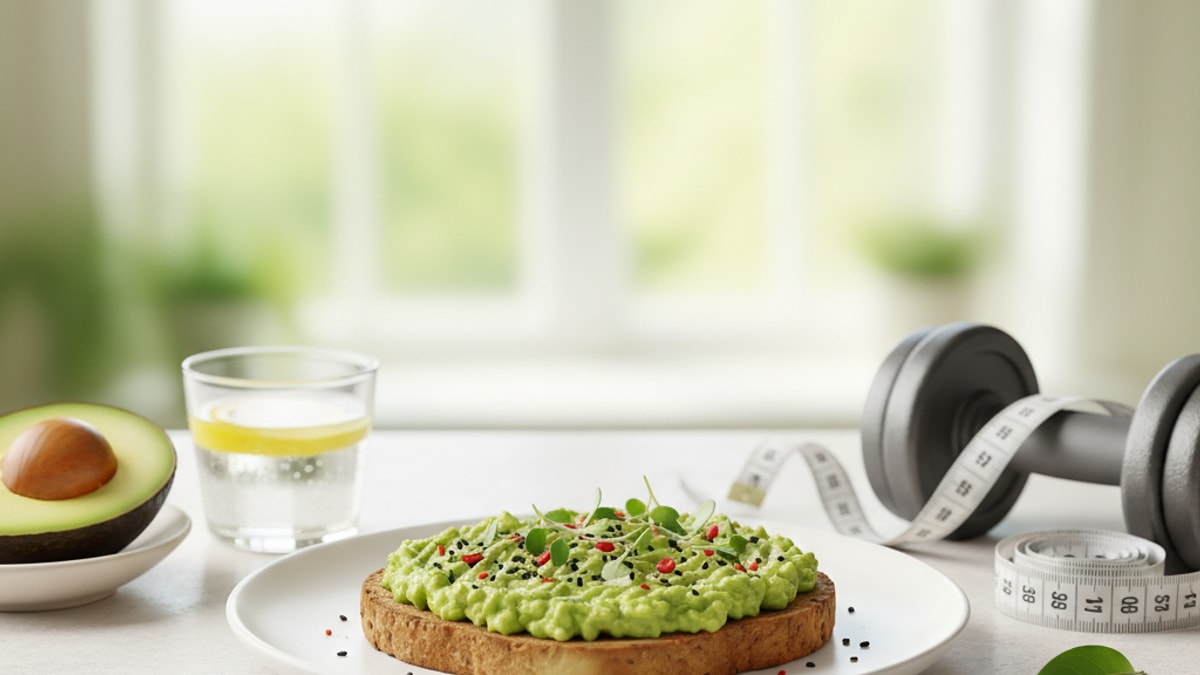
It’s everywhere. On brunch menus, on social media feeds, and probably in your own kitchen. Avocado toast has become the unofficial symbol of modern healthy eating. But amid all the hype, a critical question keeps coming up, one we hear from our clients all the time: is avocado toast good for weight loss? The answer isn't a simple yes or no. It's more nuanced, and honestly, it depends entirely on how you approach it.
Here at TrimrX, our team works with individuals navigating the complexities of weight management every single day. We're not just looking at food trends; we're looking at the biological and metabolic impact of what you eat. So, we're going to pull back the curtain on this beloved dish. We'll look at its nutritional power, the hidden calorie traps, and how to make it a strategic ally—not an accidental saboteur—in your journey toward sustainable weight loss. Let’s get into it.
The Nutritional Breakdown: Why We Love Avocado Toast
First, let's talk about why avocado toast got so popular. It's not just marketing. At its core, the dish is built on two potentially powerhouse ingredients: avocados and whole-grain toast. When you break it down, the nutritional profile is impressive. Avocados are loaded with heart-healthy monounsaturated fats. These aren't the fats to be afraid of; they're the ones that support your body. Our experience shows that clients who successfully incorporate healthy fats into their diet report feeling more satisfied and have fewer cravings. That's a huge win.
These fats play a crucial role in satiety—the feeling of being full and satisfied. When you eat a meal rich in healthy fats, it slows down the digestion of carbohydrates, which helps stabilize your blood sugar levels. You avoid the dramatic spike and subsequent crash that comes from a carb-heavy, low-fat meal (like a plain bagel or sugary cereal). This stabilization is a critical, non-negotiable element of managing hunger and controlling your overall calorie intake. It's not just about feeling full; it's about staying full and hormonally balanced.
Beyond the amazing fats, avocados are a fantastic source of dietary fiber. A single avocado can contain a significant portion of your daily fiber needs. Fiber is another weight-loss superstar. It adds bulk to your meals without adding a lot of calories, aids in digestion, and further contributes to that all-important feeling of fullness. Then you have the vitamins and minerals: potassium (more than a banana!), Vitamin K, Vitamin E, Vitamin C, and a host of B vitamins. It’s a nutrient-dense food, no question about it. And when you pair it with the right kind of toast—we're talking dense, 100% whole-grain or sprouted-grain bread—you’re adding even more fiber and a bit of protein. That’s the foundation.
The Calorie Question: Where Things Get Complicated
Alright, let’s be honest. This is where the dream can turn into a bit of a problem. While avocados are incredibly nutritious, they are also very calorie-dense. This is the crucial detail that often gets overlooked. A medium-sized avocado can pack anywhere from 250 to 320 calories. That's before you even add the bread. A thick slice of artisan whole-grain bread can easily be another 120-150 calories. So, a simple slice of avocado toast can start at around 400 calories. Simple, right?
But who stops there? Many people use a whole avocado and two slices of bread. Now you’re looking at 700-800 calories. Add a drizzle of olive oil (another 40 calories per teaspoon) or some crumbled feta cheese, and you've suddenly created a meal that has the caloric weight of a double cheeseburger. We can't stress this enough: portion control is everything.
Our team has found that this is one of the most common pitfalls for people who are diligently trying to eat healthy. They see 'avocado' and think 'unlimited.' They're making a good choice nutritionally, but a difficult one calorically. It’s a classic case of too much of a good thing. The perception of healthiness can provide a 'halo effect' that masks the reality of the energy intake. This isn't about villainizing avocados—it's about understanding and respecting their density. A quarter or a third of an avocado is often plenty for a single slice of toast. It delivers all the creamy texture and nutritional benefits without derailing your calorie budget for the day. This is the kind of mindful adjustment that separates frustrating plateaus from real, sustainable progress.
Healthy Fats and Weight Management: The Real Science
For decades, fat was public enemy number one. The 'low-fat' craze led to a market flooded with products stripped of fat but pumped full of sugar and refined carbohydrates to make them palatable. We now know this was a catastrophic misstep in public health guidance. The science has made a significant, sometimes dramatic shift. We've learned that the type of fat you eat is far more important than the amount of fat.
Monounsaturated fatty acids (MUFAs), the kind that are abundant in avocados, olive oil, and nuts, are incredibly beneficial. They've been shown to help reduce levels of LDL ('bad') cholesterol, which is a major factor in heart disease risk. Furthermore, they have anti-inflammatory properties. Chronic inflammation is increasingly being linked to a host of health issues, including obesity and metabolic syndrome. By choosing foods rich in these fats, you're not just helping your waistline; you're supporting your entire system.
From a weight management perspective, the mechanism is clear. Fat takes longer to digest than carbohydrates. When you consume a meal that includes healthy fats, it stays in your stomach longer, promoting a slow, steady release of energy. This prevents the rapid blood sugar fluctuations that can trigger intense hunger and cravings for sugary or high-carb foods. In our programs at TrimrX, we focus on this principle. Sustainable weight loss isn't about constant hunger and deprivation. It's about hormonal and metabolic balance. It’s about sending the right signals to your brain that you are nourished and satisfied. Healthy fats are a primary tool for sending those powerful signals. That’s the key.
Building a Smarter Avocado Toast for Your Goals
So, how do you make avocado toast work for you, not against you? You have to build it with intention. Think of it less as a casual snack and more as a structured meal component. Here's what we recommend to our clients.
First, the foundation: the bread. This is a non-negotiable. Ditch the fluffy, processed white bread. It offers almost no nutritional value and will spike your blood sugar. Instead, opt for a dense, fiber-rich bread. Sprouted grain bread (like Ezekiel bread) is an excellent choice because the sprouting process makes the nutrients more bioavailable and it's typically higher in protein and fiber. A hearty, dark rye or a true sourdough bread are also fantastic options. The goal is to choose a slice that's structurally sound and nutritionally robust, usually around 80-120 calories.
Next, the star of the show: the avocado. As we discussed, portion is paramount. Aim for one-quarter to one-half of a medium avocado. Mash it with a fork and add a squeeze of lemon or lime juice (this prevents browning and adds flavor without calories), a pinch of salt, and maybe some red pepper flakes for a metabolic kick. That's your base. Don't go beyond that.
Now, for the most critical step: the protein boost. This is what transforms your toast from a high-fat snack into a balanced, legitimate meal that will keep you full for hours. Without adequate protein, you'll likely be hungry again in 90 minutes. Top your toast with one or two eggs—poached, fried, or scrambled. Or, add a layer of smoked salmon. For a plant-based option, a sprinkle of roasted chickpeas or a smear of hummus underneath the avocado works beautifully. Even a tablespoon or two of crumbled feta or goat cheese adds a decent protein punch. This single addition can double the satiety factor of your meal.
Finally, the finishing touches. Load it up with veggies for volume and extra nutrients. A handful of arugula or spinach, some sliced cherry tomatoes, thinly sliced radishes for a peppery crunch, or some pickled red onions for a tangy bite. These add texture, flavor, and micronutrients for virtually zero calories. This approach—which we've refined over years—delivers real results.
Common Mistakes That Sabotage Your Progress
It's just as important to know what not to do. We've seen countless well-intentioned efforts get derailed by a few simple missteps. Let's walk through the most common ones so you can avoid them.
The most glaring mistake is ordering it at a restaurant. Honestly, just don't. Restaurant and cafe versions of avocado toast are often a formidable diet-wrecker. They typically use massive, thick-cut slices of brioche or white bread that have been pan-fried in butter or oil. They're not using a quarter of an avocado; they're slathering on a whole one, often mixed with other fats. The final dish can easily top 1,000 calories, and you'd have no idea. It looks green and healthy, but it's a calorie bomb in disguise. Making it at home gives you complete control.
Another frequent error is the 'healthy' add-ons that aren't actually helping. A drizzle of olive oil sounds great, but if you're not measuring, that 'drizzle' can quickly become two or three tablespoons, adding hundreds of extra calories. The same goes for nuts and seeds. While nutritious, they are incredibly calorie-dense. A sprinkle is great; a heavy-handed pour is not. And of course, steer clear of things like bacon or sugary balsamic glazes, which add loads of sodium, unhealthy fats, and empty sugar calories.
Finally, there's the mindset mistake: viewing it as a 'light' snack. Because of its healthy reputation, people often eat it in addition to their regular meals. They'll have a slice at 3 PM as a pick-me-up, forgetting that it can have more calories than a dedicated protein bar or a piece of fruit with yogurt. If you're going to have avocado toast, treat it as a meal. It's breakfast. It's lunch. It is not a casual, mindless snack to have while standing in the kitchen.
Avocado Toast vs. Other Breakfasts: A Comparison
Context is everything. To really understand the value of a well-made avocado toast, it helps to see how it stacks up against other typical breakfast choices. The differences can be stark.
| Breakfast Option | Typical Calories | Protein (g) | Fiber (g) | Satiety Factor |
|---|---|---|---|---|
| Smart Avocado Toast (1 slice sprouted bread, 1/4 avocado, 1 egg) | ~280-320 | ~12-15g | ~8-10g | High |
| Sugary Cereal (1.5 cups with 1 cup 2% milk) | ~350-400 | ~10g | ~2-3g | Low |
| Plain Bagel with Cream Cheese (1 medium bagel, 2 tbsp full-fat cream cheese) | ~400-450 | ~12g | ~2g | Low-Medium |
| Two Scrambled Eggs with Spinach (2 large eggs, 1 cup spinach, 1 tsp oil) | ~200-220 | ~13g | ~1g | Medium-High |
| Fruit Smoothie (store-bought, 16 oz) | ~300-500+ | ~2-20g | ~4-8g | Low-Medium |
What this table clearly shows is that the right kind of avocado toast offers a superior balance of moderate calories, high protein, and especially high fiber compared to many common breakfast staples. The combination of protein and fiber is the one-two punch for satiety. The bagel and the cereal, while similar in calories, offer very little fiber and are composed of fast-digesting carbs, leading to a quicker return of hunger. The eggs are a great low-calorie, high-protein option, but they lack the substantial fiber that the toast and avocado provide. A well-built avocado toast truly holds its own as a balanced, satisfying meal.
The Bigger Picture: Avocado Toast in a Holistic Weight Loss Plan
Here’s the reality. No single food, not even a perfectly constructed slice of avocado toast, will make or break your weight loss journey. It's a tool in the toolbox, not a magic wand. Sustainable weight management is a sprawling, complex puzzle involving your overall dietary pattern, physical activity, sleep quality, stress levels, and—critically—your underlying biology.
At TrimrX, we work with the science of metabolism. We understand that for many individuals, weight loss isn't just a simple 'calories in, calories out' equation. Hormonal imbalances, metabolic adaptations, and powerful biological hunger signals can make it an incredibly difficult, often moving-target objective. This is where a comprehensive, medically-supervised approach can make all the difference. Our programs, which often utilize advanced, FDA-registered treatments like Semaglutide and Tirzepatide, are designed to work with your body's biology, not against it.
These GLP-1 medications help regulate appetite and improve how your body processes sugar, fundamentally changing the game for those who have struggled for years. Within this framework, a nutrient-dense, satisfying meal like a smart avocado toast becomes even more powerful. It's not just a 'healthy meal'; it's a strategic choice that aligns perfectly with the metabolic and hormonal balance our treatments help to create. It provides sustained energy, quality nutrition, and genuine satisfaction, making it easier to adhere to your overall plan.
If you feel like you're doing everything right—choosing the healthy foods, watching your portions—but the scale refuses to budge, it may not be a failure of willpower. It might be a sign that your biology is working against you. If that sounds familiar, it might be time to explore a more powerful solution. You can Start Your Treatment with a medical team that understands the complete picture.
Ultimately, avocado toast can absolutely be a fantastic food for weight loss. It’s packed with healthy fats, fiber, and micronutrients. But it demands respect. You have to be mindful of the portion sizes, intentional with your add-ons, and consistent with your choices. Use it as a satisfying, nutrient-dense meal to fuel your day, and it will serve you well. Just remember it’s one piece of a much larger, more important puzzle.
Frequently Asked Questions
How many times a week can I eat avocado toast for weight loss?
▼
There’s no magic number, but incorporating it 3-4 times a week as a balanced meal is perfectly reasonable. Variety is key for a balanced diet, so we recommend rotating it with other high-protein, high-fiber breakfast options.
Is avocado toast a good post-workout meal?
▼
Yes, it can be excellent. The combination of carbohydrates from the whole-grain toast helps replenish glycogen stores, while the protein (especially if you add an egg) aids in muscle repair. The healthy fats also help reduce exercise-induced inflammation.
What is the absolute best bread to use for avocado toast?
▼
Our team recommends sprouted whole grain bread, like Ezekiel bread, because it’s high in fiber and protein and its nutrients are more easily absorbed. A dense rye or authentic sourdough are also top-tier choices.
Can I eat avocado toast for dinner and still lose weight?
▼
Absolutely. It can be a quick, satisfying, and nutritious dinner. Just ensure it’s built correctly with a solid protein source like smoked salmon or eggs to make it a complete meal that will keep you full through the night.
How many calories are in a typical slice of avocado toast?
▼
It varies wildly, but a ‘smart’ slice made at home with one piece of whole-grain bread, a quarter of an avocado, and an egg will be around 280-320 calories. A restaurant version can easily be double or even triple that amount.
Does putting lemon juice on avocado actually do anything?
▼
Yes, it does two things. The ascorbic acid (Vitamin C) in lemon juice significantly slows down the oxidation process, which is what turns the avocado brown. It also adds a bright, fresh flavor without adding any significant calories.
Is it better to use mashed or sliced avocado?
▼
From a nutritional standpoint, it makes no difference. However, we’ve found that mashing the avocado allows you to get better coverage on your toast with a smaller amount, which can be a great strategy for portion control.
Are pre-made guacamole packs a good substitute for fresh avocado?
▼
They can be a convenient option, but you must read the label carefully. Look for brands with minimal ingredients—ideally just avocado, lime juice, and salt. Avoid those with added sugars, oils, or excessive sodium.
Can avocado toast help with belly fat?
▼
No single food can target fat in a specific area. However, the monounsaturated fats in avocados have been linked to improved metabolic health and reduced inflammation, which are factors in overall fat loss, including visceral belly fat, as part of a comprehensive weight loss plan.
What are some good low-calorie toppings for avocado toast?
▼
We love adding fresh arugula, sliced radishes, cherry tomatoes, pickled red onions, and fresh herbs like cilantro or dill. A sprinkle of red pepper flakes or everything bagel seasoning adds a ton of flavor for virtually no calories.
Will avocado toast keep me full until lunch?
▼
If you build it correctly, yes. The key is combining the fiber from the bread and avocado with a significant protein source like eggs or smoked salmon. This combination of fiber, fat, and protein is the trifecta for long-lasting satiety.

Transforming Lives, One Step at a Time
Keep reading

Do You Need a Prescription for GLP-1s? The 2026 Answer
Wondering ‘do you need a prescription for glp 1’ in 2026? Yes. We explain why a doctor’s oversight is critical for safe, effective results.

How to Get GLP-1 Covered By Insurance: Our 2026 Playbook
Struggling with how to get glp-1 covered by insurance? Our 2026 guide breaks down prior authorizations, appeals, and documentation.

Traveling with GLP-1s in 2026: Your Essential Trip-Proof Plan
Don’t let travel disrupt your GLP-1 treatment. Learn how to travel with glp 1 medications safely and stress-free in our 2026 expert guide.


