Is Bai Good for Weight Loss? Our Unfiltered 2026 Analysis
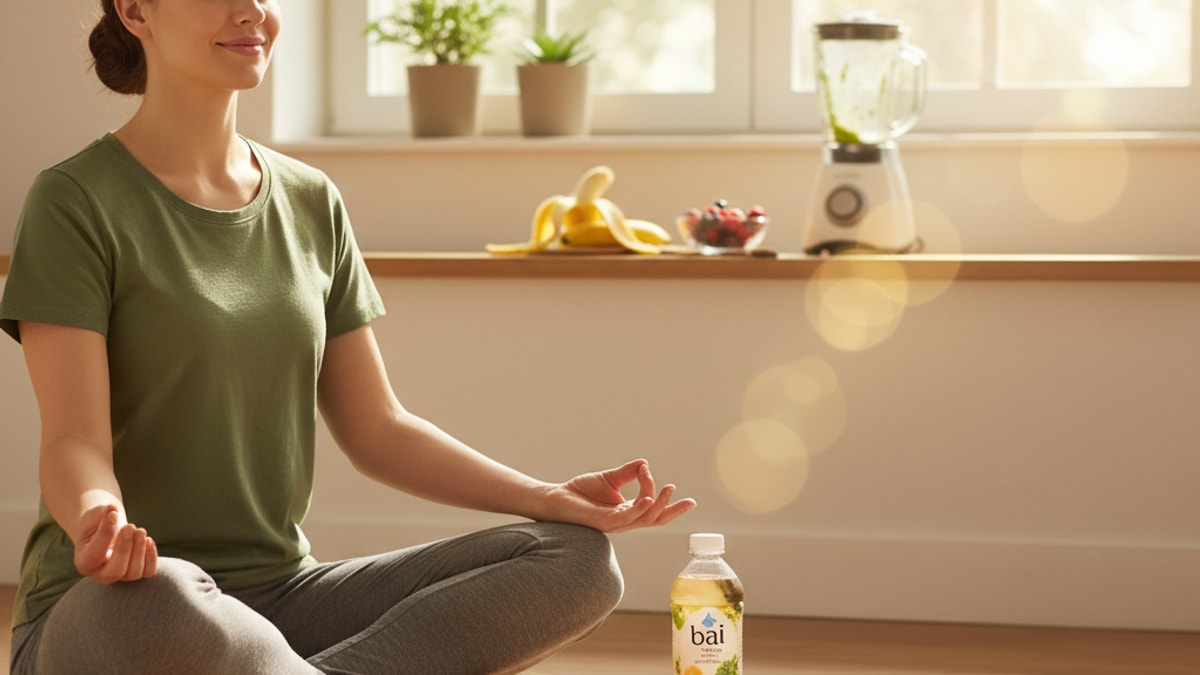
You're standing in the beverage aisle. It's a sprawling, almost overwhelming wall of colorful bottles, all promising some version of health, energy, or hydration. Your eyes land on Bai. The packaging is clean, it mentions antioxidants, and the flavor names sound like a tropical vacation. It feels like a smart choice, especially when you're trying to lose weight. You grab one, feeling good about dodging that high-fructose corn syrup-laden soda a few shelves over.
But is that feeling justified? Is Bai actually good for weight loss? It’s a question our team at TrimrX hears in various forms all the time. Patients want to know which swaps and substitutes will move the needle on their health journey. And let’s be honest, it’s a fantastic question. In a world of clever marketing and confusing labels, cutting through the noise is critical. We've spent years analyzing the science behind metabolic health and sustainable weight management, so we’ve developed a pretty sharp eye for what truly works versus what’s just a marginally better choice. So let's break it down, shall we?
What Exactly Is in a Bottle of Bai?
Before we can judge its role in weight loss, we need to look under the hood. It’s not just flavored water. The ingredient list tells a story, and understanding the main characters is the first step. While flavors vary, the core components are generally consistent across the brand's main lineup.
First up, you have filtered water. No surprise there. The bulk of the drink is hydration, which is a definite plus. Then comes the proprietary sweetener blend, and this is where things get interesting. Bai primarily uses erythritol and stevia leaf extract. We’ll dive deep into these in a moment, but for now, know that these are non-nutritive sweeteners. They provide a sweet taste without the calories or the blood sugar spike of regular sugar. This is Bai's central value proposition.
Next, you’ll usually see juice concentrates, but in very small amounts (typically listed as less than 1%). This is for flavor and color, not for significant nutritional value or, thankfully, a high dose of fruit sugar (fructose). You'll also find natural flavors, citric acid for that tangy kick, and an antioxidant boost from coffeefruit extract and white tea extract. That coffeefruit extract also provides a bit of caffeine, usually around 55mg per bottle, which is less than a standard cup of coffee but more than a can of Coke. It's a small lift, not a massive jolt.
So, the formula is simple: water, non-caloric sweeteners, a hint of flavor, and a touch of caffeine. On paper, it looks pretty clean.
The Calorie Equation: Why 'Low-Calorie' Matters
Let’s talk numbers. A typical bottle of Bai contains about 10 calories. Compare that to a 12-ounce can of regular cola, which packs around 140 calories and a staggering 39 grams of sugar. From a pure calorie-in, calorie-out perspective, the choice is a no-brainer. Swapping one soda per day for one Bai could save you over 900 calories a week. Over a year, that's a significant deficit that could, in theory, contribute to weight loss. It’s simple math.
This is where Bai wins its most obvious victory. It provides the satisfying ritual of drinking something flavorful and sweet without the catastrophic metabolic consequences of a sugar bomb. For someone trying to wean themselves off a heavy soda or juice habit, Bai can be a fantastic transitional tool. We've seen patients use this exact strategy to cut down on liquid calories, which are notoriously easy to overconsume because they don’t provide the same feeling of fullness as solid food.
But—and this is a big but—the story doesn't end with calories. Our experience at TrimrX, guiding patients through medically-supervised weight loss, has shown us that long-term success is far more nuanced than just a calorie-counting game. It's about hormones, appetite signaling, gut health, and behavior. And that’s where we need to look closer at those sweeteners.
The Great Sweetener Debate: Erythritol and Stevia
This is where the conversation gets more complex, and frankly, where a lot of the online debate happens. Bai doesn't use aspartame or sucralose, which are the artificial sweeteners found in most traditional diet sodas. Instead, it uses erythritol (a sugar alcohol) and stevia (a plant-based sweetener). Let's look at them individually.
Erythritol: This is a sugar alcohol that occurs naturally in some fruits. It's created for commercial use through fermentation. Your body doesn't really have the enzymes to break it down, so most of it passes through your system unabsorbed and is excreted in urine. Because of this, it provides almost no calories and doesn't impact blood sugar or insulin levels. For this reason, it’s incredibly popular in keto and low-carb products. The downside? For some people, sugar alcohols can cause digestive upset, like bloating or gas, especially in larger quantities.
Stevia Leaf Extract: Derived from the stevia plant, this is another natural, zero-calorie sweetener. It's been used for centuries as a sweetener and is generally recognized as safe. Like erythritol, it doesn’t raise blood sugar levels.
The use of these 'natural' non-nutritive sweeteners is a key part of Bai's marketing. They feel healthier than the 'chemical-sounding' names in diet sodas. And for managing blood sugar, they are undeniably effective. But here’s the professional observation our team wants to emphasize: the long-term impact of these sweeteners on the body is still an area of active research in 2026. Some studies suggest that intense sweeteners, even natural ones, can potentially alter the gut microbiome. Others propose that they might affect appetite regulation by providing an intensely sweet taste without the corresponding calories, which could confuse the brain's reward pathways over time and, for some individuals, even increase cravings for other sweet things.
We're not saying this to be alarmist. For most people, moderate consumption is likely fine. But it's a critical, non-negotiable element of a successful weight loss plan to be aware that a 'free pass' on sweetness might have hidden costs. It’s not a magic bullet.
Hydration: Bai's Unsung Superpower
Let’s switch gears to a massive, undeniable positive: hydration. Most people are walking around in a state of mild, chronic dehydration. This can lead to fatigue, brain fog, headaches, and even mistaken hunger cues. Sometimes when you think you're hungry, you're actually just thirsty.
This is where Bai can be genuinely helpful. If you're someone who finds plain water boring and struggles to drink enough of it, a flavorful, low-calorie option like Bai can be a game-changer for your hydration habits. Better hydration supports a healthy metabolism, improves energy levels for workouts, and can help you feel fuller. So, if a bottle of Bai gets you to drink 16 ounces of fluid you otherwise would have skipped, that is a clear and direct win for your overall health and weight management efforts.
It's a tool for a specific job: making water more appealing. Simple, right?
Bai vs. The Competition: A Head-to-Head Look
Context is everything. To really understand Bai's place, you have to see how it stacks up against the other options in that beverage aisle. We've put together a quick comparison table based on what we typically discuss with our patients.
| Drink Option | Typical Calories (12oz) | Sugar (grams) | Sweetener Type | Pros | Cons |
|---|---|---|---|---|---|
| Regular Soda | 140+ | 39+ | Sugar/HFCS | Widely available | Causes massive blood sugar spike, high in empty calories, inflammatory. |
| Diet Soda | 0 | 0 | Aspartame, Sucralose | Zero calorie, satisfies soda craving | Controversial artificial sweeteners, potential gut microbiome impact. |
| Bai Antioxidant Infusion | ~8-10 | 1 | Erythritol, Stevia | Low calorie, 'natural' sweeteners, antioxidants, provides hydration. | Can cause digestive upset for some, questions about long-term sweetener impact. |
| Sparkling Water | 0 | 0 | None (Natural Flavors) | Zero calories, zero sugar, zero sweeteners, good hydration. | Can be an acquired taste, some dislike carbonation. |
| Plain Water | 0 | 0 | None | The gold standard. Essential for life, zero calories, perfect hydration. | Can be perceived as 'boring', lacks flavor. |
Looking at this table, Bai clearly occupies a middle ground. It's astronomically better than regular soda. It offers a more 'natural' sweetener profile than diet soda, which appeals to many. But it’s also more 'processed' than sparkling or plain water. It’s a compromise, and whether it’s the right compromise depends entirely on what you’re compromising from.
The Psychological Trap of the 'Health Halo'
Now, this is where it gets interesting, and it’s a phenomenon our team sees constantly. It’s called the 'health halo' effect. Because a food or drink is perceived as 'healthy' or 'better for you', people can unconsciously give themselves permission to make less healthy choices elsewhere. It's a mental loophole.
Have you ever done this? You order a big, greasy burger and fries, but you get a diet soda with it, and it somehow feels like you've balanced things out. The same can happen with Bai. Someone might drink a Bai instead of water and feel so virtuous about their 'healthy' choice that they then rationalize eating a cookie or a bag of chips later. They think, "I was good with my drink, so this is fine." In the end, this behavior can completely negate the calorie savings from the drink swap and even lead to a net calorie surplus.
We can't stress this enough: a single product does not make a diet healthy. Your overall pattern of eating and behavior is what drives results. Bai can be part of a healthy pattern, but it can also be used as a crutch that enables an unhealthy one. Awareness of this psychological trap is half the battle.
So, Is Bai Good for Weight Loss? The TrimrX Verdict
After looking at the calories, the sweeteners, the hydration benefits, and the psychological factors, what's our final take? Here it is:
Bai is not a weight loss drink. It is a harm reduction tool.
Let’s be very clear about that distinction. Drinking Bai will not magically cause you to lose weight. It contains no special fat-burning ingredients. However, if you consistently choose a 10-calorie Bai instead of a 150-calorie sugary drink, you are reducing the caloric and metabolic damage you are doing to your body. That is a positive change that can support a broader weight loss effort. It is a better choice, not an inherently 'good' or 'magic' one.
In our professional experience, true, sustainable weight loss rarely comes from simply swapping one brand for another. That’s tinkering around the edges. Real, life-changing results come from addressing the fundamental biology of appetite, metabolism, and insulin resistance. It's about changing the underlying systems that control body weight. This is precisely why the medical advancements in weight management, like the GLP-1 medications (such as Semaglutide and Tirzepatide) we use in our programs at TrimrX, are so revolutionary. They don't just help you manage a craving; they work with your body's own hormones to fundamentally reduce hunger and improve how your body processes energy. They change the game entirely.
When you're on a program like ours, a drink like Bai fits in perfectly. It's a great-tasting, low-impact hydration option that aligns with a healthy, low-sugar lifestyle. But it's a supporting player, not the star of the show. The star is the comprehensive, medically-guided strategy.
Beyond the Bottle: Building a Real Weight Loss Strategy for 2026
Thinking that a specific drink will solve your weight loss challenges is like thinking that buying a new set of expensive running shoes will automatically make you a marathon runner. The gear might help, but it's the training, the consistency, and the strategy that get you across the finish line.
In 2026, we have more tools than ever to build a formidable, science-backed weight loss plan. It’s about creating a holistic system that works for you. That system should include:
- A Foundational Nutrition Plan: Focusing on whole foods, lean proteins, healthy fats, and fiber to nourish your body and promote satiety.
- Consistent Movement: Finding physical activities you enjoy and can stick with to build muscle, boost metabolism, and improve cardiovascular health.
- Prioritizing Sleep: Quality sleep is a critical, non-negotiable element for regulating hunger hormones like ghrelin and leptin.
- Managing Stress: Chronic stress raises cortisol, which can lead to increased appetite and fat storage, particularly around the abdomen.
And for many people who have struggled with the difficult, often moving-target objective of weight loss, a fifth pillar is essential: Medical Support.
This is where we come in. The treatments we offer at TrimrX are designed to work on your body's biology, making the entire process of adhering to a healthy lifestyle feel less like a relentless battle. GLP-1s help regulate your appetite, so you're not fighting constant, intense cravings. They help control your blood sugar, preventing the energy crashes that lead to reaching for quick-fix snacks. They provide the biological support that allows your behavioral changes to finally stick.
If you're tired of tinkering at the edges and are ready to build a powerful, medically-supervised plan that creates lasting change, maybe it's time to see what a modern approach can do for you. You can learn more and Start Your Treatment Now by exploring our programs.
The journey to a healthier weight is a big one. A bottle of Bai can be a pleasant companion on that journey, a small and helpful choice you make along the way. But it isn't the map, and it isn't the engine. The real power comes from having the right strategy, the right support, and the right medical tools to make your goals a reality.
Frequently Asked Questions
Will drinking Bai every day help me lose weight?
▼
Drinking Bai daily won’t cause weight loss on its own. However, if you replace a high-calorie, sugary drink with Bai every day, the resulting calorie deficit can contribute to a weight loss plan. It’s a supportive swap, not a solution in itself.
Is the erythritol in Bai bad for my gut health?
▼
For most people, the amount of erythritol in a single bottle of Bai is unlikely to cause issues. However, some individuals are sensitive to sugar alcohols and may experience bloating or digestive upset, especially with higher consumption.
How much caffeine is in a bottle of Bai?
▼
Most 18-ounce bottles of Bai contain about 55mg of caffeine from coffeefruit and white tea extract. This is less than a typical 8-ounce cup of coffee, which has around 95mg, but more than a can of cola.
Can I drink Bai if I’m on a ketogenic diet?
▼
Yes, Bai is generally considered keto-friendly. With only about 1 gram of net carbs and sweeteners like erythritol and stevia that don’t impact blood sugar, it can fit well within the macros of a ketogenic diet.
Does Bai taste like diet drinks with an artificial sweetener aftertaste?
▼
Many people find that the combination of erythritol and stevia in Bai results in less of the ‘artificial’ aftertaste associated with traditional diet sweeteners like aspartame. However, taste is subjective, and some may still notice a non-sugar sweetness.
Is Bai healthier than diet soda?
▼
Many people consider Bai a healthier choice because it uses plant-based sweeteners (stevia) and sugar alcohols (erythritol) instead of artificial ones like aspartame. It also contains some antioxidants, but ultimately, both are low-calorie alternatives to sugary drinks.
Will drinking Bai break my intermittent fast?
▼
Technically, yes. Since Bai contains 10 calories, consuming it will break a ‘clean’ fast, which typically allows only zero-calorie beverages like water, black coffee, or plain tea. The impact on a ‘dirty’ fast is less clear but it does initiate a small metabolic response.
Are the antioxidants in Bai significant for my health?
▼
Bai contains antioxidants from coffeefruit and white tea extract, which is a nice bonus. However, the concentration is likely modest compared to eating a diet rich in whole foods like berries, leafy greens, and other vegetables, which should be your primary source.
How does Bai compare to a drink like Vitaminwater Zero?
▼
Both are low-calorie, sweetened beverages. Bai uses erythritol and stevia, while Vitaminwater Zero also uses erythritol and stevia (depending on the specific product line in 2026). The main difference comes down to flavor profiles and the specific vitamin and antioxidant blends they are fortified with.
Can children drink Bai?
▼
While Bai is generally safe, parents should be mindful of the caffeine content (55mg). The American Academy of Pediatrics recommends against caffeine for children under 12. For teenagers, consumption should be limited.
Is Bai a good choice for diabetics?
▼
Because it contains negligible sugar and uses sweeteners that do not typically impact blood glucose or insulin levels, Bai can be a suitable beverage choice for many people with diabetes. As always, our team recommends consulting with your doctor or endocrinologist.
Why does Bai have 10 calories if it has no sugar?
▼
The small number of calories in Bai comes from the tiny amount of fruit juice concentrate used for flavoring and the erythritol, which, while mostly non-caloric, is technically counted as providing about 0.2 calories per gram.

Transforming Lives, One Step at a Time
Keep reading

Do You Need a Prescription for GLP-1s? The 2026 Answer
Wondering ‘do you need a prescription for glp 1’ in 2026? Yes. We explain why a doctor’s oversight is critical for safe, effective results.

How to Get GLP-1 Covered By Insurance: Our 2026 Playbook
Struggling with how to get glp-1 covered by insurance? Our 2026 guide breaks down prior authorizations, appeals, and documentation.

Traveling with GLP-1s in 2026: Your Essential Trip-Proof Plan
Don’t let travel disrupt your GLP-1 treatment. Learn how to travel with glp 1 medications safely and stress-free in our 2026 expert guide.


