Is Being Cold a Side Effect of Mounjaro? Causes and Management
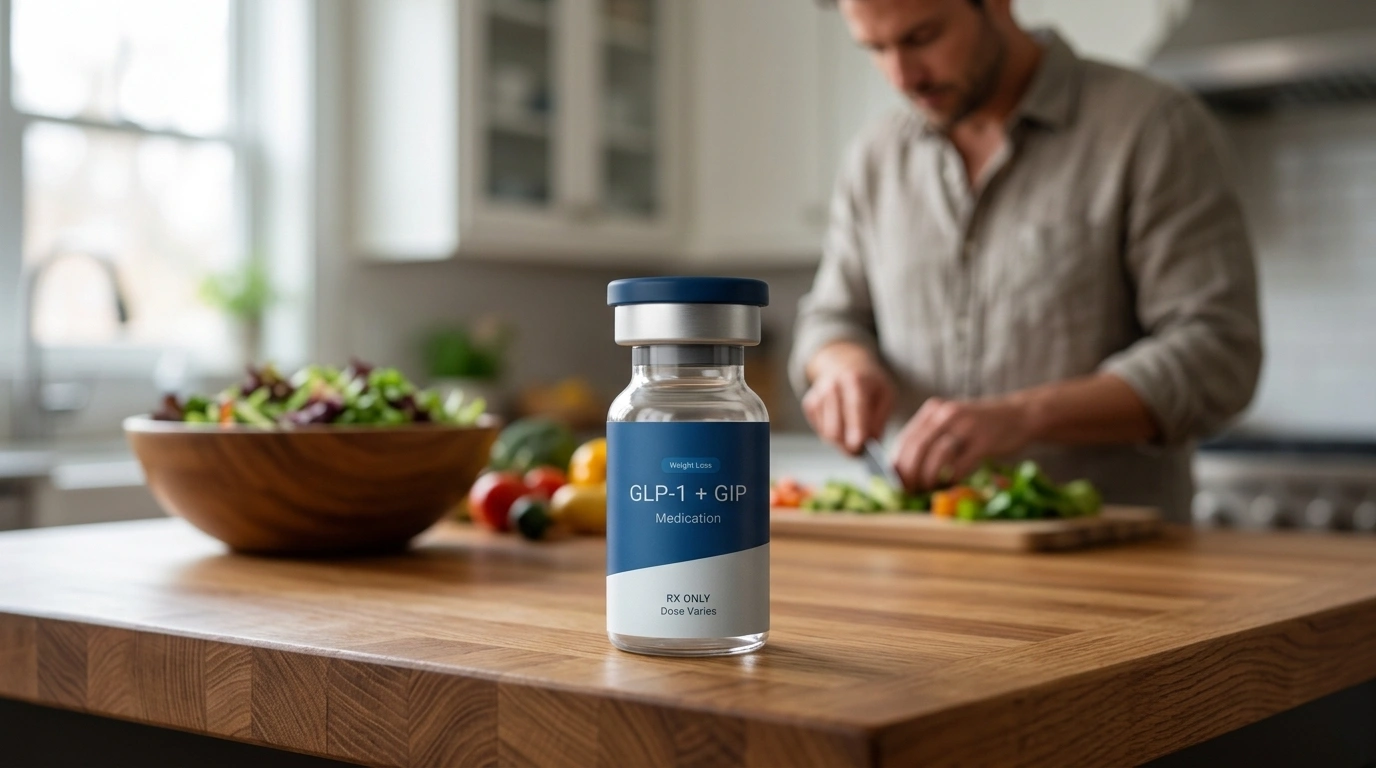
Table of Contents
- Introduction
- The Science of Temperature Regulation and Mounjaro®
- Why Does Weight Loss Make You Feel Cold?
- The Role of Brown Adipose Tissue (BAT)
- How Common Is This Side Effect?
- Practical Ways to Manage Feeling Cold
- When Feeling Cold Might Be Something More
- Comparing Mounjaro® to Other Medications
- Support During Your Journey
- Summary Checklist for Staying Warm
- Conclusion
- FAQ
Introduction
You are sitting in a room that everyone else finds perfectly comfortable, yet you are reaching for a second sweater or shivering under a blanket. If you have recently started a weight loss journey using GLP-1 medications, this experience might feel confusing. While many people anticipate common digestive shifts, many are surprised to find themselves suddenly sensitive to lower temperatures.
At TrimRx, we believe that understanding the “why” behind your body’s changes is the first step toward a successful and comfortable transformation. While feeling chilly is not always listed as a primary clinical side effect in early documentation, it is a frequent topic of conversation among those using tirzepatide. This article will explore why being cold can be a side effect of Mounjaro®, the biological mechanisms at play, and how you can manage this sensitivity while staying on track with your health goals. If you are exploring whether a medically supervised GLP-1 program may be appropriate for you, you can complete a free eligibility assessment.
Quick Answer: Feeling cold is a common anecdotal side effect of Mounjaro®, often caused by rapid fat loss, reduced caloric intake, and changes in how the brain regulates internal temperature. While usually harmless, it can be managed through proper nutrition, layering, and lifestyle adjustments.
The Science of Temperature Regulation and Mounjaro®
To understand why you might feel cold, it is helpful to first look at how Mounjaro® works in the body. Mounjaro® is a brand-name medication containing tirzepatide, a dual-receptor agonist. A receptor agonist is a type of medication that mimics naturally occurring hormones to trigger a specific response in the body. For additional context, learn how GLP-1 medications work.
Tirzepatide mimics two specific hormones: glucagon-like peptide-1 (GLP-1) and glucose-dependent insulinotropic polypeptide (GIP). These hormones are naturally released by the gut after eating. They help regulate blood sugar, slow down digestion, and signal to the brain that you are full.
However, these hormones do more than just manage hunger. They interact closely with the hypothalamus, which is a small but vital region of the brain that acts as your body’s internal thermostat. By influencing the signals sent to the hypothalamus, medications like Mounjaro® can indirectly affect how your body perceives and regulates its core temperature.
Why Does Weight Loss Make You Feel Cold?
Feeling cold is often a side effect of the weight loss process itself, rather than just the medication. When you lose weight, especially at a steady or rapid pace, several physiological changes occur that can leave you reaching for a heater. A broader overview of tirzepatide side effects and management strategies can help put this experience in context.
Loss of Natural Insulation
Body fat, specifically subcutaneous fat located just under the skin, serves as a layer of thermal insulation. It helps trap body heat and protects you from external temperature drops. As you lose this fat, you essentially lose a layer of protection. For an individual who has carried significant weight for a long time, the sudden loss of this “insulation” can make standard room temperatures feel much colder than they used to.
Reduced Caloric Intake
When you are on a personalized program that includes tirzepatide, your appetite is significantly reduced. This leads to a lower intake of calories. Calories are units of energy, and your body burns this energy to produce heat through a process called thermogenesis.
When you consume fewer calories, your body has less “fuel” to burn for heat production. Think of your metabolism like a furnace; if you put less wood in the fire, the room will eventually get cooler. This decrease in diet-induced thermogenesis is one of the most common reasons people feel a chill shortly after starting their treatment.
Metabolic Adaptation
As you lose weight, your body may enter a state known as metabolic adaptation. Your system is highly efficient and wants to conserve energy when it perceives that you are eating less. To save energy, your body may slightly lower its basal metabolic rate (BMR), which is the number of calories you burn at rest. A side effect of this energy-saving mode is a slight drop in internal heat production, making your extremities, like your hands and feet, feel cold.
Changes in Blood Flow
The body is designed to prioritize the warmth of its vital organs, such as the heart, lungs, and liver. When your internal thermostat (the hypothalamus) senses a drop in energy or temperature, it may constrict blood vessels in your skin and extremities to keep warm blood circulating around your core. This process, called vasoconstriction, is why many patients report that their “ice-cold hands” are the most noticeable part of being cold on Mounjaro®.
Key Takeaway: Feeling cold is often a “bystander effect” of successful weight loss. As your body loses insulating fat and adapts to a lower calorie intake, it prioritizes core warmth, leaving your hands and feet feeling chilled.
The Role of Brown Adipose Tissue (BAT)
Recent research has suggested an even deeper connection between GLP-1 medications and body temperature involving “brown fat.” Unlike white fat, which stores energy, brown adipose tissue (BAT) is responsible for burning energy to generate heat.
Some studies suggest that GLP-1 receptor agonists may activate brown fat pathways. While this sounds like it should make you feel warmer, the way the body balances this heat production with other metabolic signals is complex. In some cases, the activation of these pathways, combined with overall weight loss, can shift your “thermal neutral zone,” meaning you might start shivering at temperatures that previously felt fine.
How Common Is This Side Effect?
In clinical trials for Mounjaro®, the most frequently reported side effects were gastrointestinal, such as nausea, diarrhea, or constipation. Cold sensitivity was not officially listed as a “common” side effect (occurring in more than 5% of participants). For a wider look at expected reactions, review this guide to common GLP-1 side effects.
However, as the medication has become more widely used, “chills” and “cold intolerance” have become very common anecdotal reports. Many healthcare providers now recognize this as a legitimate, though usually mild, side effect of the medication’s impact on metabolism and rapid weight loss.
Practical Ways to Manage Feeling Cold
If the cold is becoming a distraction, there are several steps you can take to stay comfortable without compromising your progress. If you are considering treatment or need support managing medication-related changes, you can see whether you qualify for a personalized program.
1. Focus on Protein Intake
Digesting protein requires more energy than digesting fats or carbohydrates. This is known as the thermic effect of food (TEF). By ensuring every meal includes a lean protein source—such as chicken, fish, tofu, or legumes—you can slightly increase your body’s internal heat production during digestion.
2. Dress in Layers
This may seem obvious, but many people are caught off guard by how quickly their temperature can drop. Wearing moisture-wicking base layers can help trap body heat against your skin. Keeping a pair of warm socks or a cardigan nearby can help manage those sudden “chills” that often occur an hour or two after a meal.
3. Stay Hydrated with Warm Fluids
Dehydration can make you feel colder because water is essential for maintaining blood volume and circulation. If drinking ice water feels unappealing, switch to warm herbal teas, broth, or warm lemon water. These provide hydration while physically warming your core.
4. Incorporate Gentle Movement
While your energy levels might fluctuate as you adjust to your program, gentle physical activity can help. A short 10-minute walk or some light stretching improves circulation and moves warm blood to your hands and feet.
5. Monitor Your Nutrient Levels
Sometimes, feeling cold can be a sign of something more than just weight loss. Nutritional deficiencies, particularly iron or Vitamin B12, can lead to anemia, which often manifests as feeling cold and fatigued. If you are following a reduced-calorie plan, it is important to ensure you are getting adequate vitamins and minerals.
Bottom line: While feeling cold can be uncomfortable, it is usually a manageable sign that your body is undergoing significant metabolic changes and responding to the medication.
When Feeling Cold Might Be Something More
While feeling chilly is usually a benign side effect, there are times when it warrants a closer look. It is important to distinguish between “feeling a bit cold” and symptoms that suggest an underlying medical issue. You can also review this guide to managing tirzepatide side effects for additional context.
Thyroid Function
Your thyroid gland is the primary regulator of your metabolism. If your thyroid becomes underactive (hypothyroidism), one of the first symptoms is extreme cold intolerance. While GLP-1 medications are not typically known to cause hypothyroidism, significant weight changes can sometimes affect how thyroid hormones are utilized in the body.
Low Blood Sugar (Hypoglycemia)
In some cases, feeling cold or “clammy” can be a sign of low blood sugar. This is more common in individuals who are also taking other medications for type 2 diabetes, such as insulin or sulfonylureas. If your coldness is accompanied by dizziness, shakiness, or confusion, you should check your blood sugar levels and consult your healthcare provider.
Raynaud’s Phenomenon
Some people may experience Raynaud’s, a condition where the small arteries that supply blood to your skin narrow, limiting blood circulation to affected areas (usually fingers and toes). If your fingers turn white or blue when you feel cold, this is something you should discuss with a doctor.
Comparing Mounjaro® to Other Medications
You may wonder if this side effect is unique to tirzepatide. Reports of feeling cold have also been noted by patients using Ozempic® and Wegovy® (semaglutide). Because all of these medications work through the GLP-1 pathway and result in weight loss and reduced caloric intake, the “chilly” side effect is common across the entire class of GLP-1 receptor agonists.
However, some users report that Mounjaro® causes a more pronounced feeling of cold, potentially due to its dual action on the GIP receptor, which may lead to even more significant metabolic shifts or faster weight loss in some individuals.
Support During Your Journey
At TrimRx, we understand that every side effect, no matter how small, can affect your daily life. Our personalized programs are designed to look at the whole person, not just the number on the scale. When you work with us, you have access to a dedicated team of specialists who can help you navigate these shifts.
If you are experiencing persistent coldness, our specialists can help you review your nutritional intake or suggest lifestyle adjustments to keep you comfortable. We focus on science-backed strategies to ensure your weight loss is sustainable and that you feel your best throughout the process.
Summary Checklist for Staying Warm
If you are feeling the “Mounjaro® chill,” try these steps:
- Check your protein: Ensure you are getting enough lean protein to support thermogenesis.
- Stay active: Use light movement to boost circulation to your extremities.
- Layer up: Use thermal socks and undershirts to retain body heat.
- Hydrate warmly: Swap cold water for tea or warm broth.
- Consult a professional: If the cold is accompanied by extreme fatigue or skin color changes, reach out to your healthcare provider.
Conclusion
Is being cold a side effect of Mounjaro®? While it may not be the first side effect mentioned in a clinical brochure, the answer for many patients is a resounding “yes.” This sensation is typically a natural byproduct of your body’s metabolic adjustment, the loss of insulating fat, and a reduction in caloric intake. It is a sign that your body is changing and that the medication is working to shift your energy balance.
Our mission at TrimRx is to provide a supportive, transparent environment where you can reach your health goals with confidence. We combine medical expertise with a human touch to ensure you never feel alone in your journey. If you are ready to take the next step toward a healthier version of yourself, we are here to guide you.
Next Step: Ready to see if a personalized weight loss program is right for you? Take the free assessment quiz today to explore your options and start your journey with expert support.
FAQ
Why do my hands and feet feel especially cold on Mounjaro®?
When your body detects a lower caloric intake or a drop in external temperature, it prioritizes keeping your vital core organs warm. It does this by constricting the blood vessels in your extremities, which reduces warm blood flow to your hands and feet.
Will the feeling of being cold go away?
For many people, cold sensitivity is most intense during the initial months of weight loss or when increasing their dosage. As your weight stabilizes and your body adjusts to its new metabolic rate, the sensation often becomes less noticeable or disappears entirely.
Could feeling cold be a sign that I’m not eating enough?
Yes, feeling persistently cold can sometimes indicate that your caloric intake is too low to sustain basic heat production. It is important to follow a balanced, personalized program that ensures you are getting enough nutrients and energy while still achieving your weight loss goals.
Is feeling cold a sign of an allergic reaction?
No, feeling cold is not a typical symptom of an allergic reaction to tirzepatide. Signs of a serious allergic reaction include swelling of the face or throat, difficulty breathing, or a severe rash; if you experience these, you should seek immediate medical attention.
Disclaimer: This content is for informational purposes only and does not constitute medical advice. It is not intended to diagnose, treat, cure, or prevent any disease or condition. Individual results may vary. Always consult a qualified healthcare professional before starting any weight loss program or medication.

Transforming Lives, One Step at a Time
Keep reading

Mounjaro Alternatives: What Else to Consider
If Mounjaro isn’t the right fit, the closest alternatives are other GLP-1 medications, chiefly semaglutide (Ozempic for diabetes, Wegovy for weight), along with a…

Mounjaro vs Zepbound: Same Drug, Two Brands
Like their semaglutide counterparts, Mounjaro and Zepbound are the same medication (tirzepatide) sold under two names for two purposes: Mounjaro is approved for type…

Retatrutide vs Mounjaro: Triple Agonist vs Dual Agonist
The core difference between retatrutide and Mounjaro comes down to how many hormone targets each hits: retatrutide activates three receptors, while Mounjaro (tirzepatide) activates…


