Is Biking Good for Weight Loss? Here’s What Our Experts Say
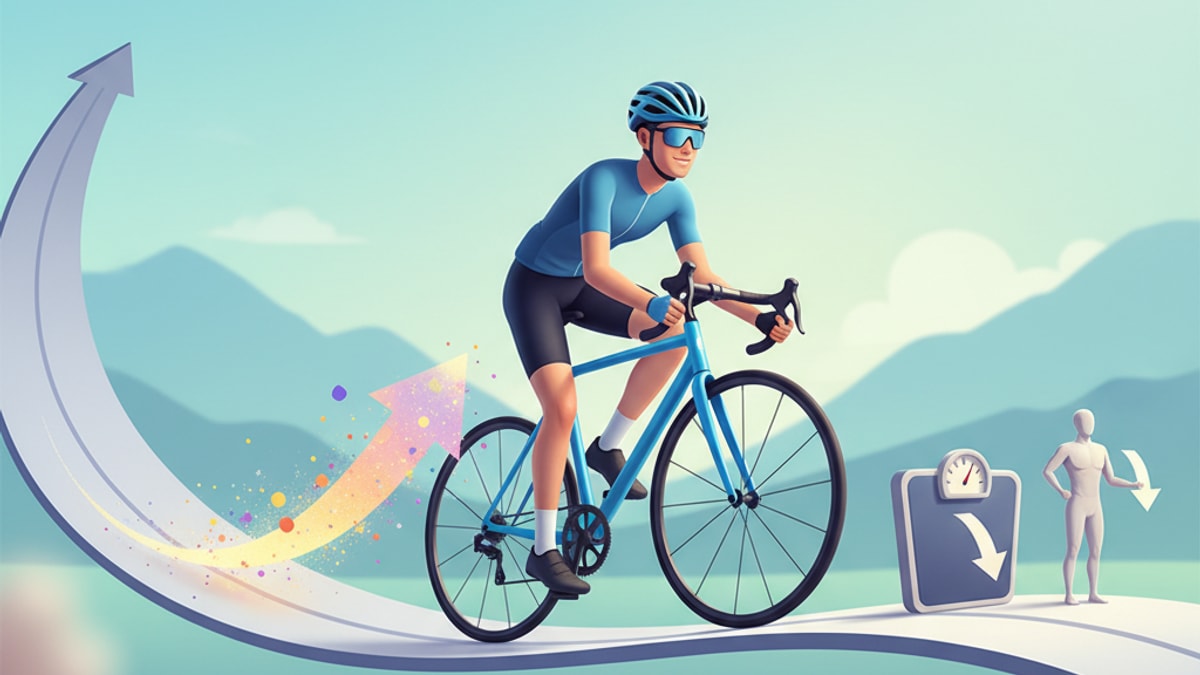
Let’s get right to it. It’s a question we hear all the time from patients looking for effective, sustainable ways to support their health journey: is biking good for weight loss? The short answer is a resounding yes. But honestly, that’s not the whole story. It's a bit like asking if a hammer is good for building a house. It’s an incredibly useful tool, but its effectiveness depends entirely on how you use it and what other tools you have in your belt.
Here at TrimrX, we're focused on the complete picture of metabolic health. Our expertise lies in medically-supervised weight loss programs, often incorporating advanced GLP-1 medications that address the complex biology of weight. But we’ve also seen firsthand that the most profound, lasting transformations happen when these medical innovations are paired with smart, sustainable lifestyle changes. And cycling? It's one of the absolute best. It’s accessible, low-impact, and powerfully effective. So, let’s move beyond the simple 'yes' and dig into the nuanced reality of how to make biking a true engine for your weight loss goals.
The Real Science Behind Biking and Burning Fat
When you hop on a bike, you’re doing more than just moving your legs. You’re kicking off a cascade of physiological processes that directly impact weight loss. It's not just about the calories you burn during the ride, although that’s certainly part of it. The magic is deeper.
First, there's the cardiovascular element. Biking is a premier aerobic exercise, meaning it forces your heart and lungs to work harder to pump oxygen-rich blood to your muscles. This sustained effort burns a significant number of calories. A 155-pound person, for example, can burn anywhere from 250 to 700+ calories in an hour, depending entirely on the intensity of the ride. But we've found that fixating on the calorie counter on your watch or bike computer can be misleading. The real benefits are metabolic.
This is where it gets interesting. Consistent cycling helps improve your body's insulin sensitivity. Why does that matter? Poor insulin sensitivity means your cells resist taking up glucose from your blood, which can lead to higher blood sugar and increased fat storage, particularly around the abdomen. By improving this sensitivity, biking helps your body manage blood sugar more effectively and reduces its tendency to store energy as fat. This is a critical, non-negotiable element of sustainable weight management, and it’s a key reason we see such powerful synergy between exercise like cycling and GLP-1 treatments, which also work to improve this exact mechanism.
And another consideration: muscle. Biking is a fantastic form of resistance training for your lower body. You're building and strengthening some of the largest muscles in your body—your glutes, quadriceps, hamstrings, and calves. The more lean muscle mass you have, the higher your basal metabolic rate (BMR) becomes. This means you burn more calories at rest, 24/7. It’s a long-term investment in your body's fat-burning furnace. Every pedal stroke is contributing to a more metabolically active you, even when you’re sitting at your desk.
Not All Biking is Created Equal: HIIT vs. Steady-State
You could ride for two hours at a leisurely pace, or you could do a 25-minute session that leaves you breathless. Both are 'biking,' but they deliver starkly different results for weight loss. Our team generally categorizes cycling workouts into two main camps: High-Intensity Interval Training (HIIT) and Low-Intensity Steady-State (LISS). Understanding the difference is crucial.
HIIT involves short bursts of all-out effort followed by brief recovery periods. Think sprinting up a hill for 30 seconds, then cruising for 60 seconds to recover, and repeating that cycle 10-15 times. It's grueling. It's also incredibly time-efficient. The primary benefit of HIIT is something called EPOC, or Excess Post-exercise Oxygen Consumption. Your body has to work incredibly hard to return to its normal resting state after an intense workout, and this recovery process burns a significant number of calories for hours after you’ve racked your bike. It's the 'afterburn' effect, and it’s a powerful tool for fat loss.
LISS, on the other hand, is what most people picture when they think of biking: a long, sustained ride at a moderate, conversational pace. You’re keeping your heart rate in a steady, lower-intensity zone for an extended period, maybe 60-90 minutes. While LISS doesn't create the same dramatic afterburn as HIIT, it primarily uses fat for fuel during the workout itself. It’s also much less stressful on the body, making it easier to recover from and something you can do more frequently. It's also fantastic for building an aerobic base and mental endurance.
So, which is better? That’s the wrong question. Our experience shows the best approach is a combination of both. You need the metabolic spike from HIIT and the fat-burning endurance from LISS.
Here's a simple breakdown we often share with our patients:
| Feature | High-Intensity Interval Training (HIIT) | Low-Intensity Steady-State (LISS) |
|---|---|---|
| Typical Duration | 20-30 minutes | 45-90+ minutes |
| Intensity Level | All-out effort followed by recovery (9/10) | Consistent, conversational pace (5-6/10) |
| Primary Fuel Source | Carbohydrates (Glycogen) | Fat Stores |
| Key Benefit | Significant 'afterburn' (EPOC), time-efficient | Burns more fat during the workout, easier recovery |
| Our Recommendation | 1-2 sessions per week | 2-3 sessions per week |
| Best For | Breaking through plateaus, boosting metabolism | Building endurance, active recovery, consistency |
We can't stress this enough: a plan that includes two HIIT sessions and two or three LISS rides per week is a formidable strategy for anyone serious about weight loss.
Indoor vs. Outdoor: Does It Really Matter?
This debate is almost as old as the stationary bike itself. Does a spin class count as much as a ride through the countryside? For weight loss, the location is less important than the effort. They both offer unique advantages, and the 'better' option is the one you'll actually stick with.
Indoor cycling offers unmatched convenience. There's no traffic, no bad weather, and no flat tires to derail your workout. It's a controlled environment, which is perfect for structured training like the HIIT sessions we just discussed. You can precisely control resistance and cadence, making it easy to follow a specific workout plan designed for fat loss. The rise of interactive platforms has also made indoor cycling more engaging than ever, with live classes and virtual worlds that can make a 45-minute session fly by.
Outdoor biking, however, engages your body and mind in a way an indoor bike can't. The constantly changing terrain—hills, descents, turns—forces you to recruit more stabilizer muscles in your core and upper body. It's a more holistic workout. You're also fighting wind resistance, which adds a significant, variable challenge you can't perfectly replicate indoors. Plus, the mental health benefits are undeniable. Getting outside, soaking up some Vitamin D, and connecting with nature is a powerful stress reliever. And managing stress (and the associated cortisol levels) is a critical piece of the weight loss puzzle.
Our professional observation? Don't choose. Do both. Use an indoor bike for your structured, high-intensity workouts during a busy work week. Then, use the weekend for a long, exploratory outdoor ride to clear your head and build endurance. This hybrid approach provides variety, prevents burnout, and ensures you can stay consistent no matter what the weather or your schedule looks like.
The TrimrX Advantage: How Biking Supercharges a Medical Plan
Now, this is where it gets really powerful. Biking is a fantastic tool on its own. But when you integrate it into a medically-supervised weight loss program like ours at TrimrX, its effects are amplified. This is the synergy we work to create for our patients every single day.
Our programs are built on a foundation of cutting-edge science, utilizing GLP-1 medications like Semaglutide and Tirzepatide. These treatments are game-changers. They work with your body's natural hormones to regulate appetite, reduce cravings, and improve how your body processes sugar. Essentially, they handle the complex biological and hormonal headwinds that make weight loss feel like an uphill battle. They create a state where your body is primed for fat loss.
But the medication is only one part of the equation. What happens once your appetite is managed and your body is more receptive to losing fat? That's where biking comes in. We encourage our patients to adopt a consistent cycling routine for several critical reasons:
-
Preserving and Building Muscle: When you're in a calorie deficit, your body can sometimes break down muscle tissue for energy along with fat. This is something you want to avoid at all costs, as it lowers your metabolism. The resistance provided by biking signals your body to preserve—and even build—that precious, metabolically active lean muscle in your legs and glutes. This ensures that the weight you're losing is primarily fat.
-
Boosting Cardiovascular Health: Weight loss isn't just about the number on the scale; it's about improving your overall health. GLP-1s are already known to have cardiovascular benefits, and when you add in regular aerobic exercise like biking, you're creating a powerful one-two punch for heart health, lowering blood pressure and improving cholesterol levels.
-
Creating Sustainable Habits: Our goal isn't just to help you lose weight; it's to help you maintain it for life. The medications provide the initial momentum, but the habits you build along the way are what ensure long-term success. Biking is an enjoyable, low-impact activity that people can stick with for decades, long after they've reached their goal weight. It becomes part of a new, healthier identity.
This integrated approach is the core of our philosophy. The medical treatment makes the process more manageable by tackling the biology, while the exercise reshapes your body, boosts your metabolism, and builds the foundation for lifelong health. If this comprehensive strategy sounds like the support you've been looking for, we encourage you to Start Your Treatment and see how our medical team can tailor a plan for you.
The Common Pitfalls We See (And How to Avoid Them)
We've guided countless patients on this journey, and we've seen a few common mistakes that can sabotage even the best intentions. Knowing them ahead of time can make all the difference.
First is the 'more is always better' trap. People get excited, buy all the gear, and start riding for two hours every single day. Within a few weeks, they're exhausted, sore, and burned out. This is overtraining. Your body builds muscle and gets stronger during recovery, not during the workout itself. Rest is not optional; it's a mandatory part of the process. We recommend starting with 3-4 rides a week and making sure you have dedicated rest days.
Second, and this is a big one, is trying to out-ride a poor diet. It is remarkably easy to consume more calories in five minutes than you can burn in an hour of hard cycling. A post-ride pastry and sugary sports drink can instantly undo all your hard work. Biking makes you hungry, and it's essential to refuel with high-quality protein and complex carbs, not junk. Nutrition is the foundation of weight loss. Exercise is the accelerator. You absolutely need both.
Finally, there's the problem of inconsistency. Riding hard for one week and then taking two weeks off won't move the needle. The body adapts to consistent stimuli. A 30-minute ride three times a week, every week, is infinitely more effective than a heroic three-hour ride once a month. Start with a schedule that feels almost too easy. Build the habit first. The intensity and duration can come later. It's about creating a rhythm that fits into your real life, not a grueling road warrior hustle that's impossible to maintain.
Biking isn't a magic wand for weight loss. Nothing is. But it is one of the most effective, enjoyable, and sustainable methods for transforming your body and your health. It builds muscle, revs up your metabolism, and strengthens your heart, all while being gentle on your joints. It's a tool that works.
When you combine that powerful tool with a medically-guided plan that addresses the underlying biology of weight, the results can be truly life-changing. It's about working smarter, not just harder—using science to clear the path and sustainable habits to walk it. The journey is yours, but you don't have to take it alone.
Frequently Asked Questions
How long should I bike each day to lose weight?
▼
For sustainable weight loss, we recommend aiming for 30-60 minutes of moderate-intensity biking, 3-5 times per week. The key is consistency over duration, so a shorter ride you do regularly is better than a long ride you only do once.
Is an indoor exercise bike or an outdoor bike better for weight loss?
▼
Both are excellent. Indoor bikes are great for convenience and structured high-intensity workouts, while outdoor biking can be more engaging and works more muscle groups. Our team finds that a hybrid approach, using both, often leads to the best long-term adherence and results.
Can I lose belly fat just by biking?
▼
You can’t ‘spot reduce’ fat from one specific area. However, biking is fantastic for burning overall body fat, which will include belly fat. It also helps improve insulin sensitivity, a key factor in reducing abdominal fat storage.
Will biking make my legs bulky?
▼
This is a common concern, but for most people, the answer is no. Biking, especially endurance-style riding, builds lean, toned muscle, not massive bulk. The physique of a professional track sprinter comes from very specific, heavy resistance training, not typical cycling for fitness.
How does biking compare to running for weight loss?
▼
Both are effective calorie burners. Running may burn slightly more calories per hour, but biking is a low-impact activity, meaning it’s much easier on your joints (knees, hips, and ankles). This allows for greater consistency and a lower risk of injury, which is critical for a long-term plan.
What should I eat after a bike ride to support weight loss?
▼
After a ride, focus on replenishing your body with protein and some complex carbohydrates. A protein shake, Greek yogurt with berries, or grilled chicken with quinoa are great options. This helps repair muscle and restore energy without consuming excess calories.
Is it effective to bike on an empty stomach in the morning?
▼
This is known as ‘fasted cardio,’ and some studies suggest it can increase fat burning. However, it can also lead to a less intense workout due to low energy. We suggest experimenting to see what works for you; for many, a small, easily digestible snack beforehand leads to a better overall workout.
How can I incorporate biking into a plan with GLP-1 medications like Semaglutide?
▼
Biking is an ideal partner for GLP-1 treatments. The medication helps manage appetite and blood sugar, creating an optimal state for weight loss, while biking helps ensure you’re losing fat while preserving lean muscle mass and boosting cardiovascular health. Our medical team helps patients create a synergistic plan.
Do I need expensive gear like cycling shoes and padded shorts to start?
▼
Absolutely not. To start, all you need is a safe, functional bike and comfortable athletic clothing and sneakers. Specialized gear can enhance comfort and performance as you become more serious, but it’s not a barrier to getting started and seeing results.
What’s a good beginner biking workout for weight loss?
▼
A great starting point is a 30-minute ride at a steady, conversational pace, three times a week. After a couple of weeks, you can introduce intervals: warm up for 5 minutes, then alternate 1 minute of harder effort with 2 minutes of easy recovery, repeating 5-6 times before cooling down.
How quickly can I expect to see weight loss results from biking?
▼
Results vary based on consistency, intensity, and nutrition. Most people feel better within the first week (more energy, better sleep). Visible weight loss typically begins within 2-4 weeks when biking is combined with a proper diet.
Is it better to focus on speed or distance for weight loss?
▼
For weight loss, intensity (which relates to speed) is generally more impactful than distance. A shorter, faster ride with intervals will often do more to boost your metabolism than a long, slow ride. Focus on the quality and effort of your workout, not just the miles.

Transforming Lives, One Step at a Time
Keep reading
Is Bupropion an SSRI or a Different Antidepressant?
A lot of people ask the same question at some point: is bupropion an SSRI? It usually comes up after hearing about medications like…

Do You Need a Prescription for GLP-1s? The 2026 Answer
Wondering ‘do you need a prescription for glp 1’ in 2026? Yes. We explain why a doctor’s oversight is critical for safe, effective results.

How to Get GLP-1 Covered By Insurance: Our 2026 Playbook
Struggling with how to get glp-1 covered by insurance? Our 2026 guide breaks down prior authorizations, appeals, and documentation.


