Is Black Coffee Good for Weight Loss? An Unflinching Look.
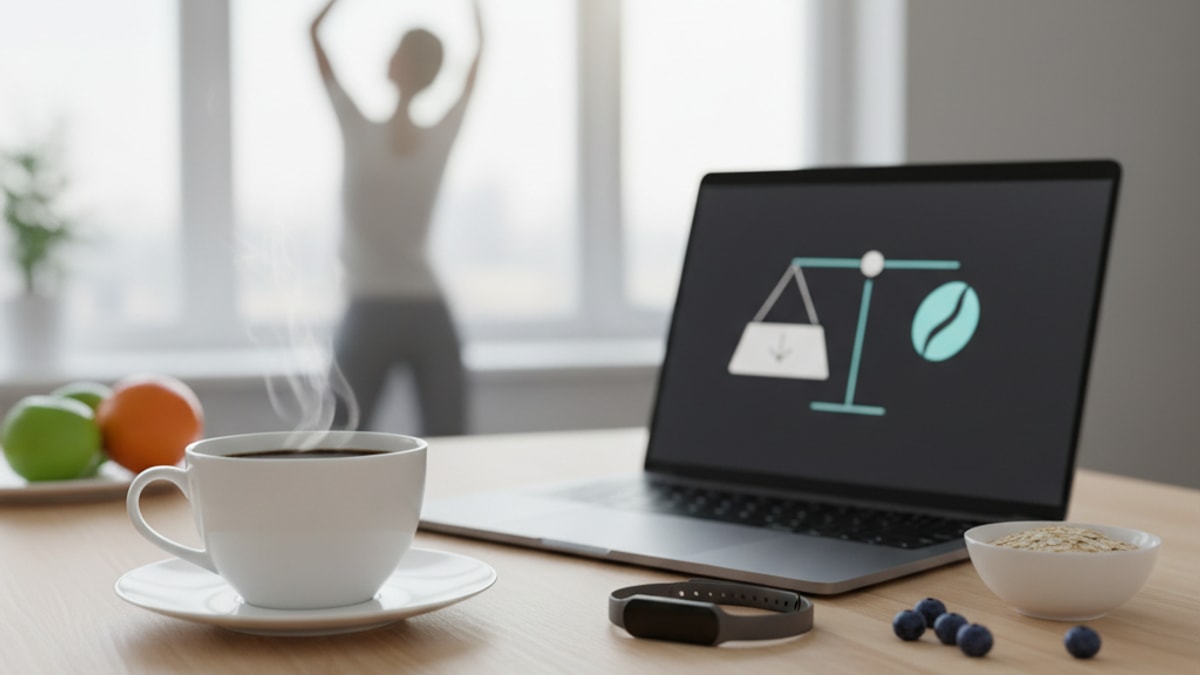
We get this question a lot. In fact, it's one of the most common topics that comes up when people are starting to get serious about their health journey. You're cleaning up your diet, you're moving more, and you're looking at every single thing you consume, wondering: 'Is this helping or hurting?' And right there on your desk, every morning, is that steaming mug of coffee. It's a ritual. It's a necessity. But is black coffee good for weight loss?
The short answer is yes, it can be a valuable tool. But the long answer is far more nuanced and, frankly, more important. Here at TrimrX, our entire approach is built on medical science and a deep understanding of metabolic health. We don't deal in quick fixes or magic bullets. We deal in what works, what's sustainable, and what's biologically sound. So let's cut through the noise and have a real conversation about coffee, your metabolism, and what it actually takes to achieve lasting weight loss.
Let's Be Honest: What Coffee Can and Cannot Do
First, let's set the stage properly. Black coffee is not a weight loss strategy in itself. It’s an adjunct. A helper. A small but potentially useful part of a much larger, more comprehensive plan. We've seen countless people try to 'coffee diet' their way to a smaller size, and it's a strategy that's doomed from the start. Why? Because it ignores the fundamental biology of weight management.
Weight loss isn't about one trick. It's about creating a sustainable energy deficit and, more importantly, regulating the complex hormonal signals that govern hunger, satiety, and fat storage. That's the reality. So, when we talk about coffee, we're talking about a tool that can slightly influence one or two of these factors. It's not the whole game. Not even close.
That being said, the influence it does have can be meaningful when leveraged correctly. We're talking about minor metabolic upticks, a blunting of appetite, and improved physical performance. These are real, scientifically observed effects. The key is understanding them, using them to your advantage, and never, ever mistaking them for the foundation of your efforts.
The Science: How Black Coffee Actually Influences Your Body
This is where it gets interesting. The power of coffee in the context of weight management really comes down to its active ingredient: caffeine. It's a potent central nervous system stimulant, and its effects ripple throughout the body in ways that can be beneficial for someone trying to lose weight.
Here’s what our team focuses on when explaining this to our patients:
1. A Temporary Metabolic Boost
This is the most talked-about benefit. Caffeine is a known thermogenic, which means it can increase the amount of heat your body produces, thereby burning more calories. It does this by stimulating the release of catecholamines, like adrenaline, which signal your body to liberate fatty acids from fat tissues into the bloodstream, making them more available to be used for energy.
Studies have consistently shown that caffeine can temporarily increase your resting metabolic rate (RMR) by anywhere from 3% to 11%. That sounds impressive, right? But let's put it in perspective. For someone with an RMR of 1,800 calories, a 5% boost is an extra 90 calories burned over the course of an entire day. That's roughly the caloric equivalent of a small apple. It's something, but it's not going to melt pounds away on its own. It's a small nudge in the right direction. Our experience shows that this effect is also more pronounced in individuals who are already lean and can diminish over time as you build a tolerance to caffeine. It's a factor, but a minor one.
2. A Noticeable Effect on Appetite
This one is often more impactful for our patients. Caffeine can have a significant, albeit temporary, appetite-suppressing effect. It appears to influence hunger hormones, potentially lowering levels of ghrelin (the 'hunger hormone') and increasing levels of peptide YY (a hormone that promotes feelings of fullness).
Have you ever noticed that after a morning cup of coffee, you don't really think about food for a couple of hours? That's this effect in action. For someone practicing intermittent fasting or simply trying to manage cravings between meals, this can be a game-changer. It makes sticking to a structured nutrition plan easier. It reduces the mental burden of constantly fighting off hunger pangs. This, in our professional observation, is one of the most practical benefits of incorporating black coffee into a weight loss regimen.
3. Enhanced Physical Performance and Fat Oxidation
This is a big one. A critical, non-negotiable element of sustainable weight loss is physical activity. And this is where coffee truly shines. Caffeine is one of the most effective and well-researched ergogenic aids available. By stimulating your nervous system, it can decrease your perception of effort, reduce muscle pain during exercise, and increase focus and drive.
The result? You can work out harder, for longer. A 30-minute jog might feel easier, so you push it to 40. You might be able to squeeze out one or two more reps on your final set of squats. Over weeks and months, these small improvements in workout quality compound into a significant increase in total calories burned and muscle built. Furthermore, by mobilizing fatty acids, caffeine encourages your body to burn more fat for fuel during exercise, particularly during moderate-intensity aerobic activity. This makes your workouts more efficient at targeting fat stores. A cup of black coffee 30-60 minutes before hitting the gym is a strategy we frequently recommend.
The 'Black' in Black Coffee Is Absolutely Critical
We can't stress this enough. All the potential benefits we just discussed are immediately and catastrophically negated the moment you start adding things to your coffee. That innocent-looking pump of vanilla syrup, that splash of oat milk, that swirl of whipped cream—they transform your near-zero-calorie metabolic support tool into a sugar-laden, high-calorie dessert.
This is the single biggest mistake we see people make. They think 'coffee is good for me' and then proceed to drink a 400-calorie concoction that spikes their insulin, promotes fat storage, and triggers more cravings later in the day. It's a classic case of one step forward, ten steps back. Your daily caramel macchiato isn't a coffee; it's a liquid candy bar that's sabotaging your efforts.
To see the dramatic difference, let's break it down.
| Drink Type | Typical Calories (16 oz) | Typical Sugar (grams) | Weight Loss Impact |
|---|---|---|---|
| Black Coffee | ~5 | 0g | Positive: Supports metabolism and suppresses appetite with virtually no caloric cost. |
| Latte (2% Milk) | ~190 | 18g | Negative: Adds significant calories and sugar, blunting fat burning. Less impactful than black coffee. |
| Flavored Latte (Syrup) | ~250-350 | 35-50g | Highly Negative: A major source of liquid sugar and empty calories. Spikes insulin and actively works against weight loss goals. |
| Frappuccino (w/ whip) | ~400-500+ | 50-65g+ | Catastrophic: This is a milkshake, not a coffee. A primary driver of weight gain, not loss. |
| 'Bulletproof' Coffee | ~450 | 0g | Highly Negative: While low in sugar, it's a massive dose of pure fat. It adds extreme caloric density without providing meaningful nutrients, directly hindering the creation of a calorie deficit. |
Looking at this table, the conclusion is unavoidable. If your goal is weight loss, your coffee must be black. Period. If you absolutely cannot stand it black, a tiny splash of unsweetened almond milk or a dash of cinnamon are acceptable compromises, but the goal should always be to get as close to zero-calorie as possible.
Timing Is Everything: When and How Much
How you use coffee matters just as much as what's in it. It's not a beverage to be consumed mindlessly all day long. Strategic timing maximizes the benefits and minimizes the drawbacks.
The Best Times to Drink Coffee:
- In the Morning: Your body's cortisol levels are naturally highest in the morning. While some argue to wait until it dips, for most people with demanding schedules, a morning cup helps kickstart the day, provides that helpful appetite suppression, and gets the metabolic gears turning.
- 30-60 Minutes Before a Workout: This is the sweet spot for leveraging its performance-enhancing effects. The caffeine will have reached peak levels in your bloodstream, ready to help you push harder and burn more fat.
The Worst Times to Drink Coffee:
- Late Afternoon and Evening: This is a non-negotiable rule. Caffeine has a half-life of about 5-6 hours, meaning it can significantly disrupt your sleep architecture even if you don't feel 'wired'. Poor sleep is disastrous for weight loss. It raises cortisol (a stress hormone linked to belly fat storage), increases ghrelin (the hunger hormone), and decreases leptin (the satiety hormone). You wake up stressed, hungrier, and more likely to crave high-calorie foods. Sacrificing sleep for a late-afternoon caffeine buzz is one of the worst trades you can make for your health.
As for quantity, more is not better. The effective dose for most people is between 100mg and 400mg of caffeine per day, which translates to about one to four 8-ounce cups of standard brewed coffee. Pushing beyond this often leads to diminishing returns and increased side effects like jitters, anxiety, digestive upset, and, as mentioned, wrecked sleep. Find the minimum amount you need to feel the benefits and stick with that.
Coffee's Role in a Modern, Medically-Supervised Plan
So, where does this simple cup of black coffee fit into a sophisticated, science-backed weight loss program like the ones we design at TrimrX? We view it as a 'Tier 3' tool.
Tier 1 is the unshakable foundation: addressing your body's core metabolic and hormonal signaling. This is where clinically-proven GLP-1 medications like Semaglutide and Tirzepatide come in. These treatments work at a biological level to regulate appetite, improve insulin sensitivity, and fundamentally change your relationship with food. They are the heavy lifters that make significant, sustainable weight loss possible for those struggling with biological resistance.
Tier 2 is building the essential, non-negotiable lifestyle habits: a nutrient-dense, whole-foods-based diet, consistent physical activity, stress management, and optimized sleep. These are the pillars that support long-term health and wellness.
Tier 3 is where optimizations like black coffee come into play. It's a supportive supplement. It can make sticking to your Tier 2 habits a little easier. The appetite suppression helps you adhere to your nutrition plan. The performance boost helps you get more out of your workouts. It’s a valuable tool, but it supports the main strategy—it is not the strategy itself.
Thinking that drinking black coffee will solve a complex metabolic issue is like trying to fix a faulty engine by getting a new air freshener. It might make the ride a little more pleasant, but it doesn't address the root cause of the problem. If your body's hormonal signals are working against you, no amount of coffee will override them. That’s why a comprehensive approach is so critical. If you feel like you've been doing everything right but the scale won't budge, it might be time to look deeper than your coffee cup. If you're ready to explore a plan that addresses the biology of weight, we're here to help. You can see if you're a candidate when you Start Your Treatment with our medical team.
Ultimately, black coffee is a friend to your weight loss journey, but it's not the hero. It's a sidekick. A reliable one, to be sure, but one that needs a powerful, science-led hero to follow. Embrace it for what it is: a simple, effective tool to give you a slight edge as you execute a much larger, more meaningful strategy for reclaiming your health.
Frequently Asked Questions
Can I drink black coffee while taking a GLP-1 medication like Semaglutide?
▼
Yes, for most people, it’s perfectly fine. Black coffee doesn’t interfere with the mechanism of GLP-1 medications. However, both can sometimes cause digestive effects, so we recommend starting with small amounts to see how your body tolerates the combination.
How many cups of black coffee a day is ideal for weight loss?
▼
There’s no single magic number, but most research suggests the benefits are found in the 1-4 cup range (about 100-400mg of caffeine). More than that often leads to negative side effects like poor sleep, which can hinder weight loss. Listen to your body.
Does adding a small splash of milk ruin the weight loss benefits?
▼
It doesn’t ‘ruin’ them, but it does dilute them. A tiny splash of unsweetened almond milk adds minimal calories. A splash of whole milk or creamer adds more. The goal is to keep the additions as close to zero-calorie as possible to maximize the benefits.
Will drinking black coffee break my intermittent fast?
▼
Technically, since black coffee contains a few calories, it does break a ‘pure’ fast. However, for the purposes of weight loss and metabolic benefits, most experts agree that a cup of black coffee is perfectly acceptable and won’t disrupt the positive effects of fasting.
Is iced black coffee as effective for weight loss as hot coffee?
▼
Yes, absolutely. The temperature of the coffee doesn’t change its caffeine content or its effects on metabolism and appetite. As long as it’s black, with no added sugar or milk, both iced and hot versions are equally effective tools.
What are the biggest downsides of relying on coffee for weight loss?
▼
The biggest downsides are sleep disruption and building a tolerance. Caffeine consumed too late in the day can wreck your sleep quality, which raises cortisol and increases hunger. Over time, your body also adapts, and the metabolic boost can become less pronounced.
Can drinking too much coffee cause belly fat?
▼
This is an indirect link. While coffee itself doesn’t cause belly fat, drinking too much can disrupt sleep and increase cortisol (a stress hormone). Chronically elevated cortisol is strongly linked to the storage of visceral fat in the abdominal area.
Should anyone avoid using coffee for weight loss?
▼
Yes. Individuals who are pregnant, have severe anxiety, certain heart conditions, or are sensitive to caffeine should avoid it. It’s always best to consult with a healthcare provider to ensure it’s a safe choice for your specific health profile.
Does the type of coffee bean or roast level matter for weight loss?
▼
The differences are minimal and not worth stressing over. While lighter roasts technically contain slightly more caffeine, the variance is small. The most important factor by far is that you drink it black, not the specific origin or roast of the bean.
Can I use artificial sweeteners in my black coffee without hurting my weight loss?
▼
This is a debated topic. While zero-calorie sweeteners don’t add calories, some research suggests they can still impact gut health and even insulin signaling in some people, potentially affecting cravings. Our team generally recommends aiming to appreciate the natural taste of coffee without any sweeteners.
How long does the metabolic boost from coffee last?
▼
The thermogenic effect of caffeine typically peaks within 1-2 hours of consumption and can last for about 3-4 hours. It’s a temporary effect, which is why it’s best used strategically, such as before a workout, rather than viewed as an all-day metabolism solution.
Is espresso better than drip coffee for weight loss?
▼
Neither is inherently ‘better.’ Espresso has less caffeine per serving, but it’s more concentrated. What matters is the total caffeine intake and, most importantly, that you’re not adding sugar or milk. Choose the type of black coffee you enjoy most.

Transforming Lives, One Step at a Time
Keep reading

Do You Need a Prescription for GLP-1s? The 2026 Answer
Wondering ‘do you need a prescription for glp 1’ in 2026? Yes. We explain why a doctor’s oversight is critical for safe, effective results.

How to Get GLP-1 Covered By Insurance: Our 2026 Playbook
Struggling with how to get glp-1 covered by insurance? Our 2026 guide breaks down prior authorizations, appeals, and documentation.

Traveling with GLP-1s in 2026: Your Essential Trip-Proof Plan
Don’t let travel disrupt your GLP-1 treatment. Learn how to travel with glp 1 medications safely and stress-free in our 2026 expert guide.


