Is Boost Actually Good for Weight Loss? Our Unflinching Answer
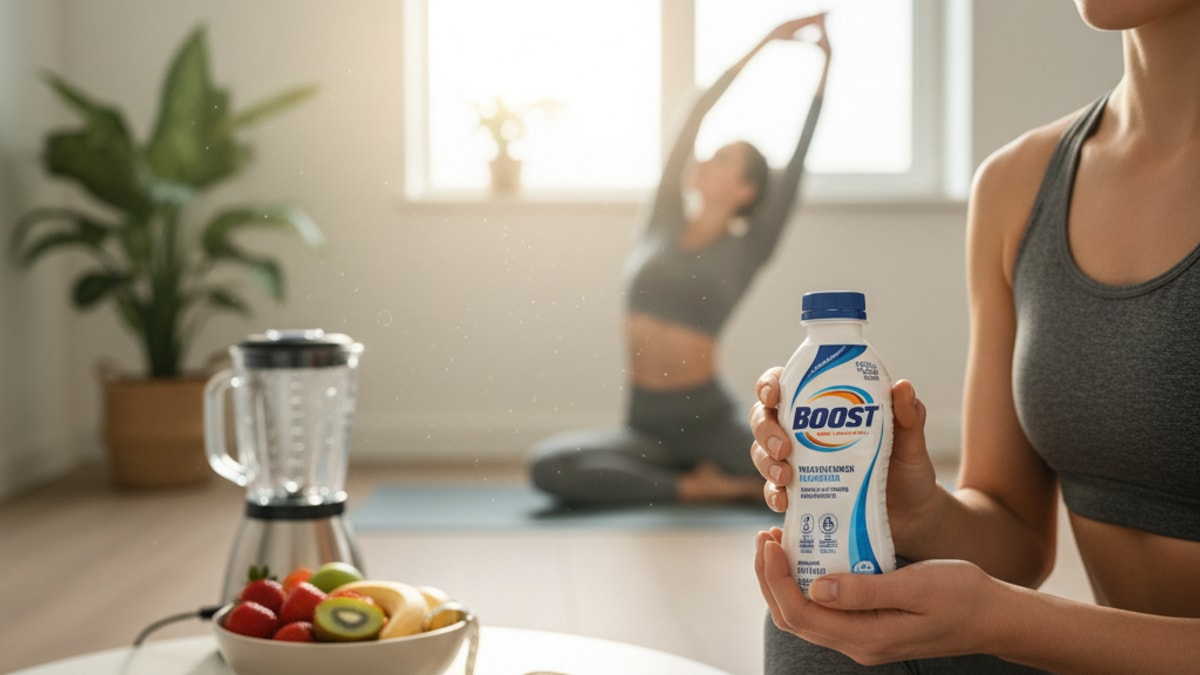
You’re in the pharmacy or grocery store, scanning the aisles. You see the neat, uniform bottles of Boost and a question pops into your head: could this be it? Could this simple, pre-packaged drink be the key to finally moving the needle on the scale? It’s a tempting thought. We get it. The promise of a quick, easy, and nutritionally 'complete' meal is powerful, especially when you're juggling a thousand other things.
The search for a straightforward answer to weight management is something our team at TrimrX encounters every single day. People are tired of complex diets, conflicting advice, and the frustrating cycle of losing and regaining weight. So when we get asked, “Is Boost good for weight loss?” our answer isn't a simple yes or no. It's more nuanced. Let's be honest, the real answer is critical to your long-term success. It requires a deeper look at what these drinks are, what they do to your body, and what they don't do.
First, What Exactly Is In a Bottle of Boost?
Before we can talk about its role in weight loss, we have to understand the product itself. Boost is, at its core, a brand of nutritional shakes. It was originally designed to help people who have difficulty eating or are at risk of malnutrition gain or maintain weight. Think of hospital patients or the elderly. It's packed with calories, protein, vitamins, and minerals to deliver a dense source of nutrition in an easy-to-consume format.
There are several formulations, but a typical bottle of Boost Original contains:
- Calories: Usually around 240 calories per bottle.
- Protein: About 10 grams. Protein is crucial for feeling full and maintaining muscle mass, especially during weight loss.
- Carbohydrates: This is where it gets tricky. They often contain a significant amount of carbs, with a large portion coming from sugars—sometimes as much as 20 grams or more. That's like eating five teaspoons of sugar.
- Vitamins & Minerals: They are fortified with a broad spectrum of micronutrients, like Vitamin D, Calcium, and Iron.
On the surface, it looks pretty good. Controlled calories, some protein, and a bunch of vitamins. It seems like a logical meal replacement. But the story is far more complex than what's written on the nutrition label.
The Argument for Using Boost for Weight Loss
Let's play devil's advocate for a moment. Our team believes in looking at all sides of an issue, and there are specific, limited scenarios where a shake like Boost could theoretically fit into a weight loss plan. It all comes down to one fundamental principle of weight management: the calorie deficit.
To lose weight, you must consume fewer calories than your body burns. It's a foundational concept. And in that very narrow context, Boost can be a tool. Swapping a 600-calorie breakfast sandwich for a 240-calorie shake creates an immediate calorie deficit. It's simple math. This is the primary appeal and the reason so many people consider it.
Here’s where it can seem helpful:
- Convenience and Portion Control: There's no measuring, no cooking, no cleanup. The portion is pre-defined, which removes the guesswork that often leads to overeating. For someone with a grueling schedule, grabbing a bottle is undeniably easier than preparing a balanced meal.
- Calorie Awareness: For individuals who are just beginning their weight loss journey and have little concept of calorie counts, it can be an entry point into understanding energy balance. It makes tracking calories incredibly simple.
- Nutritional Stopgap: If the alternative is skipping a meal entirely or grabbing a high-calorie pastry and coffee, then yes, a Boost shake is arguably the better choice. It provides some protein and micronutrients that the donut certainly doesn't.
So, if you're replacing one, maybe two, high-calorie meals with a Boost shake and eating a sensible third meal, you will likely create a calorie deficit. And you will probably lose some weight, at least initially. But—and this is a massive but—this approach is deeply flawed for long-term, sustainable fat loss and overall health. We've seen this short-term strategy fail time and time again.
The Uncomfortable Truth: Why Boost Often Fails for Lasting Weight Loss
This is where our clinical experience at TrimrX really comes into play. We've moved beyond the simplistic 'calories in, calories out' model because we know it's an incomplete picture. Your body isn't a simple calculator; it's a complex biological system governed by hormones. And this is where relying on sugary nutritional shakes becomes a formidable problem.
First, there's the sugar issue. That 20+ grams of sugar per serving is a huge red flag. When you consume a sugary liquid, your blood sugar spikes dramatically. Your pancreas then releases a flood of insulin to manage that sugar. Insulin is a fat-storage hormone. When insulin levels are high, your body is in storage mode, not fat-burning mode. Doing this day after day can contribute to insulin resistance, a condition that makes losing weight feel nearly impossible and is a precursor to type 2 diabetes. It's a catastrophic metabolic cycle.
Second, liquid calories are not your friend when it comes to satiety. Your body simply doesn't register liquid calories in the same way it registers solid food. The physical act of chewing, the stretching of your stomach, and the slower digestion of whole foods all send powerful signals to your brain that you're full. A shake bypasses most of these mechanisms. You can drink 240 calories in 60 seconds and feel hungry again an hour later, making you more likely to snack and ultimately consume more calories throughout the day. It actively works against your body's natural appetite-regulating systems.
Third, and we can't stress this enough, it teaches you nothing about sustainable nutrition. Lasting weight management is about building healthy habits. It’s about learning how to construct a balanced plate with lean protein, fiber-rich vegetables, and healthy fats. It’s about understanding your body's hunger and fullness cues. Relying on a pre-made shake for your meals is a crutch, not a lesson. The moment you stop using the shakes, what happens? If you haven't built the underlying skills and habits, the weight almost inevitably comes back. We've seen it work that way for countless patients before they came to us.
It’s a temporary fix for a permanent problem. And that’s a recipe for frustration.
Comparing Approaches: A Clearer Picture
Let's put this into perspective. How does relying on a meal replacement shake stack up against other methods? The difference is stark.
| Feature | Boost Shake Diet | Whole Foods Diet | Medically-Supervised Program (TrimrX) |
|---|---|---|---|
| Satiety & Fullness | Low. Liquid calories are poorly registered by the body, often leading to hunger. | High. Fiber, protein, and chewing promote strong satiety signals. | Very High. GLP-1 medications directly target brain receptors to reduce hunger and increase fullness. |
| Metabolic Impact | Negative. High sugar content can spike insulin, promoting fat storage. | Positive. Balanced macros and fiber support stable blood sugar and insulin levels. | Highly Positive. Directly improves insulin sensitivity and regulates blood sugar at a hormonal level. |
| Sustainability | Very Low. Doesn't build lasting habits; reliance on a product is unsustainable. | High. Teaches lifelong skills in nutrition, cooking, and mindful eating. | Very High. Uses medication as a tool to enable the formation of sustainable, healthy habits. |
| Nutrient Quality | Fortified, but lacks fiber, phytonutrients, and the complexity of whole foods. | Excellent. Rich in fiber, antioxidants, and a full spectrum of natural nutrients. | Guided by medical professionals to ensure optimal nutrition alongside treatment. |
| Support System | None. You're on your own to figure it out. | Self-guided or requires hiring a separate nutritionist. | Comprehensive. Includes medical supervision, personalized dosing, and ongoing support. |
Looking at this, the path becomes much clearer. While a shake might offer a short-term calorie-cutting tool, it falls apart when you look at the biological and behavioral factors that drive real, lasting change.
Beyond the Shake: Understanding the Biology of Weight Loss
This is where the conversation needs to shift. For decades, we were told that weight loss was about willpower—about eating less and moving more. If you failed, it was a personal failing. We now know, unequivocally, that this is wrong. Weight is regulated by a complex interplay of hormones, genetics, and environment.
Hormones like ghrelin (the 'hunger hormone'), leptin (the 'satiety hormone'), and, crucially, GLP-1 (glucagon-like peptide-1) run the show. They tell your brain when you're hungry, when you're full, and what your body should do with the energy you consume. For many people who struggle with their weight, these hormonal signaling systems are dysregulated. Their bodies are actively working against their best efforts.
This is why a simple calorie-counting approach, like the one a Boost diet facilitates, so often fails. It's like trying to fix a complex software bug by just turning the computer on and off. You're not addressing the root cause.
At TrimrX, our entire approach is built on this modern, biological understanding of weight. We use advanced medical treatments, specifically GLP-1 medications like Semaglutide and Tirzepatide, to address the problem at its source. These aren't stimulants or old-school diet pills. They are bio-identical hormones that work with your body to restore balance. They amplify your body's natural satiety signals, slow down digestion so you feel fuller longer, and help regulate your blood sugar and insulin response. It's a complete game-changer.
Suddenly, the constant 'food noise' in your head quiets down. You can eat a small, sensible meal and feel genuinely satisfied. Cravings diminish. You're no longer fighting a constant, losing battle against your own biology. Instead, your biology is now working with you. If you're curious about whether this modern approach is a good fit for you, you can Take Quiz to see if you qualify. It’s a simple first step.
Why Medical Supervision is a Non-Negotiable Element
Now, you might see these medications advertised elsewhere, but this is another area where we must be unflinchingly clear. Using powerful, metabolism-altering medications without proper medical supervision is a terrible idea. It's not just ineffective; it can be dangerous.
Our process at TrimrX is built around safety, efficacy, and personalization. Every single patient works with a licensed medical provider. We conduct a thorough review of your medical history to ensure you're a suitable candidate. We don't use a one-size-fits-all dose; we tailor the treatment to your specific needs and adjust it based on your progress and response. This meticulous oversight is what separates a legitimate medical treatment from a risky online purchase.
This is the critical difference: we're not just providing a prescription. We're providing a comprehensive medical program. We're your partners in this journey, ensuring you get the incredible benefits of these medications while minimizing any potential side effects. This is the standard of care you should demand. It's the standard we provide.
When you're ready to move past temporary fixes and address the real drivers of weight gain, you can Start Your Treatment with the confidence that comes from having a dedicated medical team behind you.
Building the Foundation for a New Future
The ultimate goal isn't just to lose weight. It's to keep it off and live a healthier, more vibrant life. The beauty of a medically-supervised GLP-1 program is that it provides the biological support necessary to finally build those lasting habits.
When you're not constantly battling hunger and cravings, you have the mental space and energy to learn. You can focus on choosing nutritious foods because you want to, not because you're forcing yourself. You can learn to listen to your body's fullness cues because, for the first time, they're loud and clear. The medication is the bridge. It gets you from a state of metabolic dysregulation to a state of balance, creating the perfect window of opportunity to rewire your relationship with food for good.
So, back to the original question: is Boost good for weight loss? Our professional verdict is clear. As a primary strategy, absolutely not. It's a tool with a very narrow, short-term use case that is overshadowed by significant metabolic and behavioral downsides. It fails to address the root biological issues that drive weight gain and doesn't equip you for long-term success.
True, sustainable weight loss isn't found in a bottle on a supermarket shelf. It's found in understanding and addressing your unique biology. It’s about moving beyond the outdated advice of the past and embracing the medical science of today. It's about choosing a path that fixes the underlying problem instead of just patching over the symptoms. When you’re ready to take that step, you can Start Your Treatment Now and begin building a healthier future on a foundation of real science and expert care.
Frequently Asked Questions
Can I lose weight by replacing two meals a day with Boost?
▼
You might lose weight initially due to a calorie deficit, but our team doesn’t recommend this. It’s an unsustainable strategy that can lead to nutritional deficiencies, metabolic issues from high sugar intake, and a rebound in weight once you stop.
Is Boost Plus or Boost High Protein better for weight loss?
▼
While the higher protein versions might offer slightly better satiety than the original, they still suffer from the same core problems. They are highly processed, often contain significant sugar or artificial sweeteners, and don’t teach sustainable eating habits.
What is a healthier alternative to a Boost shake for a quick meal?
▼
We’d recommend a simple protein smoothie made with unsweetened protein powder, a handful of spinach, berries for fiber, and a healthy fat like avocado or almond butter. This provides protein and fiber without the high sugar load of pre-made shakes.
Does Boost cause weight gain?
▼
Ironically, yes it can. If you add Boost shakes to your diet without replacing meals, you’re simply adding extra calories, which will lead to weight gain. Their high sugar content can also contribute to a metabolic environment that favors fat storage.
Are meal replacement shakes ever a good idea?
▼
They can have a very limited role as an occasional, emergency meal when the alternative is something much worse or skipping a meal entirely. However, they should never be the foundation of a weight loss strategy.
How is a program like TrimrX different from a diet using shakes?
▼
It’s fundamentally different. Shake diets just manipulate calories temporarily. TrimrX uses medically-supervised GLP-1 treatments to correct the underlying hormonal imbalances that regulate hunger and metabolism, enabling long-term, sustainable change.
Why is sugar in liquid form so bad for weight loss?
▼
Your body absorbs liquid sugar incredibly fast, causing a sharp spike in blood sugar and a large insulin release. This process halts fat burning and promotes fat storage. It also doesn’t make you feel full, leading to more calorie consumption later.
Can I use Boost while on a Semaglutide or Tirzepatide program?
▼
While you technically could, it would be counterproductive. The goal of GLP-1 medications is to help you build a healthier relationship with whole, nutritious foods. Relying on a processed, sugary shake works against that primary objective.
Do I need to exercise when using Boost for weight loss?
▼
Exercise is always beneficial for overall health, but it cannot overcome a poor diet. Relying on Boost and exercise is less effective than focusing on a sustainable, whole-foods diet, which is the cornerstone of any successful weight management plan.
What’s the biggest mistake people make with meal replacement shakes?
▼
The biggest mistake we see is believing they are a long-term solution. They are a temporary crutch that prevents people from developing the skills and habits—like cooking, portion control, and mindful eating—that are essential for keeping weight off for good.
Is Ensure the same as Boost for weight loss?
▼
Ensure is a very similar product to Boost, designed for supplemental nutrition. It faces the exact same limitations for weight loss: high sugar content, low satiety from liquid calories, and a failure to address the root causes of weight gain.

Transforming Lives, One Step at a Time
Keep reading

Do You Need a Prescription for GLP-1s? The 2026 Answer
Wondering ‘do you need a prescription for glp 1’ in 2026? Yes. We explain why a doctor’s oversight is critical for safe, effective results.

How to Get GLP-1 Covered By Insurance: Our 2026 Playbook
Struggling with how to get glp-1 covered by insurance? Our 2026 guide breaks down prior authorizations, appeals, and documentation.

Traveling with GLP-1s in 2026: Your Essential Trip-Proof Plan
Don’t let travel disrupt your GLP-1 treatment. Learn how to travel with glp 1 medications safely and stress-free in our 2026 expert guide.


