Is Brown Rice Good for Weight Loss? The Unfiltered Truth.
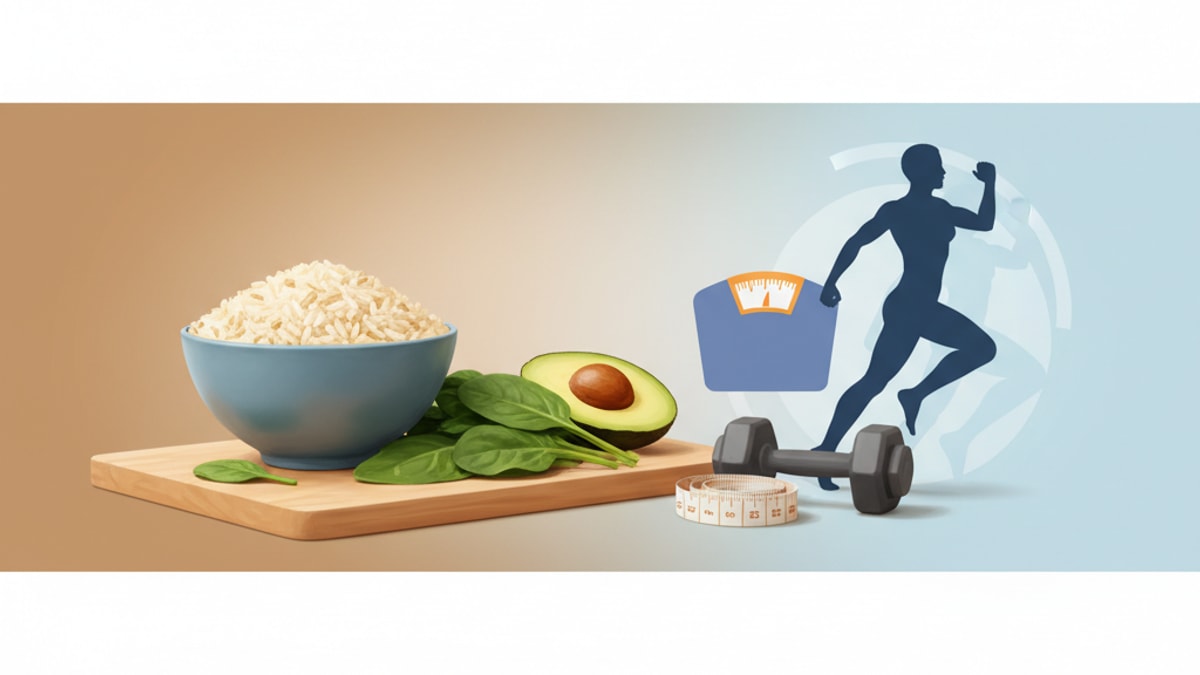
Let’s get straight to it. The question, “is brown rice good for weight loss?” is one our team hears constantly. It’s a debate that rages on in fitness forums, nutrition blogs, and casual conversations alike. On one side, you have advocates praising it as a whole-grain hero. On the other, you have carb-phobes who lump it in with every other grain they’ve sworn off. The endless back-and-forth is exhausting, and frankly, it misses the entire point.
Here at TrimrX, we specialize in the biology of weight loss. Our work with GLP-1 medications like Semaglutide and Tirzepatide gives us a unique, science-backed perspective on how the body manages hunger, processes nutrients, and sheds fat. So when we look at a food like brown rice, we’re not just looking at a carb. We’re looking at a tool. And like any tool, its effectiveness depends entirely on how, when, and why you use it. This isn't about a simple 'yes' or 'no.' It’s about understanding the mechanics so you can make it work for you within a larger, more effective strategy.
First Off, What Actually Makes Brown Rice… Brown?
It sounds like a basic question, but the answer is the foundation for this entire discussion. The difference between brown and white rice isn't a matter of different species. It's about processing. Or, more accurately, the lack of it.
A grain of rice, in its natural state, is a whole grain. It has three key parts: the bran, the germ, and the endosperm.
- The Bran: This is the tough, fibrous outer layer. It’s packed with the majority of the grain’s fiber, B vitamins, and minerals.
- The Germ: This is the embryo of the grain, a tiny nutrient powerhouse containing healthy fats, more B vitamins, and antioxidants.
- The Endosperm: This is the starchy center, the largest part of the grain, which serves as the food supply for the germ. It's mostly carbohydrate.
To make white rice, manufacturers mill the grain, a process that aggressively strips away the bran and the germ. All that’s left is the starchy endosperm. It cooks faster, has a softer texture, and a longer shelf life, but it's been nutritionally gutted. Brown rice, on the other hand, is the whole package. It keeps the bran and germ intact, which is precisely why its color, texture, and nutritional profile are so dramatically different. That’s the key. The parts that are removed are the parts that matter most for weight management.
The Fiber Factor: Your Secret Weapon for Satiety
We can't stress this enough: fiber is a non-negotiable element for sustainable weight loss. When we talk about brown rice, we’re really talking about its fiber content. The bran is a fiber-delivery system, and this has profound effects on your body’s hunger and fullness signals.
When you eat fiber-rich foods like brown rice, a few things happen. First, the fiber physically takes up space in your stomach and takes longer to digest. This mechanical process sends signals to your brain that you're full and satisfied, which can help curb overeating. Think of it as a natural, built-in portion control mechanism. It’s a stark contrast to the experience of eating highly refined carbs (like white rice or white bread), where you can consume a lot of calories quickly without feeling that same sense of fullness, often leading to a hunger rebound just an hour or two later.
Our experience shows that clients who successfully manage their weight are masters of satiety. They don't rely on sheer willpower, which is a finite resource. Instead, they build meals that keep them feeling full and energized. This is where strategic food choices become so powerful. Incorporating a sensible portion of brown rice with lean protein and vegetables creates a meal that has staying power. It quiets the food noise and allows you to go longer between meals without feeling deprived or ravenous. It's a fundamental shift from battling hunger to proactively managing it.
Blood Sugar, Insulin, and the Weight Gain Cycle
Now, this is where it gets really interesting from a biological perspective. Managing blood sugar is paramount for weight loss, and this is another area where brown rice shines compared to its refined counterpart. Because of its fiber content, the carbohydrates in brown rice are broken down and absorbed into the bloodstream much more slowly.
This results in a lower, more gradual rise in blood sugar.
Why does that matter so much? A rapid spike in blood sugar (like the kind you get from white rice or sugary drinks) triggers a massive release of insulin from your pancreas. Insulin’s job is to shuttle that sugar out of your blood and into your cells for energy. But when there’s too much sugar at once, insulin gets another job: it signals your body to store the excess as fat. What follows is the infamous “crash”—your blood sugar plummets, leaving you feeling tired, irritable, and hungry again, often craving more simple carbs. It’s a vicious, fat-storing cycle.
Brown rice helps you break that cycle. By promoting a stable blood sugar level, it requires a much smaller, more measured insulin response. This keeps your body in a state that is more conducive to burning fat for energy, rather than storing it. This principle of insulin management is at the very core of what makes modern medical weight loss treatments, like the GLP-1 agonists we use at TrimrX, so effective. These medications help regulate your body's natural insulin response and improve metabolic function, creating an internal environment where healthy eating choices can finally have the impact they're supposed to.
White Rice vs. Brown Rice: A Clear Comparison
Sometimes, seeing the numbers side-by-side makes all the difference. While calorie counts are similar, the nutritional story is completely different. Let's be clear, this isn't about demonizing white rice, but about understanding the distinct advantages brown rice offers when weight loss is the primary objective.
| Nutrient (per 1 cup cooked) | White Rice (Long-Grain) | Brown Rice (Long-Grain) | Why It Matters for Weight Loss |
|---|---|---|---|
| Calories | ~205 kcal | ~215 kcal | Virtually identical. The difference is negligible and not the deciding factor. |
| Dietary Fiber | ~0.6 g | ~3.5 g | CRITICAL. This is the game-changer for fullness, digestion, and blood sugar control. |
| Magnesium | ~19 mg (5% DV) | ~84 mg (21% DV) | Essential for energy metabolism and insulin sensitivity. Better insulin function aids weight management. |
| Manganese | ~0.7 mg (35% DV) | ~1.8 mg (88% DV) | A powerhouse mineral for bone health, metabolism, and antioxidant function. |
| Glycemic Index (GI) | ~73 (High) | ~50 (Low) | The lower GI of brown rice prevents sharp blood sugar spikes and subsequent fat storage signals. |
| B Vitamins (Thiamin, Niacin) | Fortified, but low | Naturally high | These vitamins are crucial for converting the food you eat into usable energy. |
Looking at this table, the conclusion is pretty stark. You’re getting far more metabolic bang for your buck with brown rice. You’re not just getting calories; you’re getting fiber and micronutrients that actively support the very biological processes required for weight loss.
The Real Answer: It's a Tool, Not a Magic Bullet
So, after all that, is brown rice good for weight loss? Our professional, unfiltered answer is: yes, it is an excellent tool for weight loss when used correctly. The problem is that most people don't use it correctly.
Here’s the reality. Eating brown rice won’t make you lose weight if you're still in a calorie surplus. You cannot ignore portion sizes. We've seen clients who switch to brown rice but serve themselves heaping mountains of it, thinking its “health halo” grants them a free pass. A sensible portion is typically around half a cup to one cup, cooked. It’s meant to be a component of your plate, not the entire foundation.
What you pair it with is just as important. Brown rice with a small portion of grilled chicken and a huge serving of steamed broccoli is a fantastic weight-loss meal. Brown rice smothered in a creamy, high-fat sauce with fried chicken is… not. It should be a vehicle for lean proteins, healthy fats, and tons of non-starchy vegetables. The rice provides the sustained energy and satiety, while the protein and vegetables provide additional nutrients and volume for very few calories.
Ultimately, brown rice works best as part of a holistic strategy. It’s a strategic swap that improves the nutritional quality of your diet, helps you manage hunger, and stabilizes your blood sugar. But it's just one piece of a much larger, more complex puzzle.
Integrating Brown Rice into a Modern, Medically-Supported Plan
This is where we connect the dots between diet and biology. For many people, especially those who have struggled with yo-yo dieting for years, the battle isn't just about making good choices. It's about fighting against powerful biological signals—relentless hunger, intense cravings, and a metabolism that seems to be working against them. Let's be honest, this is a formidable challenge.
This is why a comprehensive, medically-supervised approach can be so transformative. When you use a treatment like a GLP-1 medication, you’re fundamentally changing the conversation your body is having about hunger. These treatments work with your natural hormones to significantly reduce appetite and enhance feelings of fullness. Suddenly, choosing a sensible portion of brown rice over a giant bowl of pasta isn't an act of heroic self-denial. It’s just… easier. The biological urge to overeat is quieted.
When your body's hormonal signals are balanced, healthy habits can finally take root and flourish. The nutritional advice you’ve heard for years starts to click because your internal chemistry is now supporting your efforts instead of sabotaging them. You can build a plate with brown rice, salmon, and asparagus and feel genuinely satisfied. This approach, which combines advanced medical treatment with sound nutritional principles, is what creates dramatic, sustainable results. If this struggle sounds familiar, it might be time to see how a medically-supervised plan can change the equation. You can take our quiz to see if you're a candidate.
Common Pitfalls We See (And How to Avoid Them)
Our clinical team has guided thousands of patients, and we've seen the same mistakes pop up time and again. Here are the most common pitfalls when it comes to incorporating foods like brown rice into a weight loss plan.
- The Portion Distortion Trap: As we mentioned, this is the big one. People see "whole grain" and their portion control goes out the window. Use measuring cups for a week or two. You’ll probably be surprised at what a true serving size looks like. It’s an eye-opening exercise.
- Caloric Condiments and Toppings: You can easily undo all the benefits of brown rice by dousing it in sugary teriyaki sauce, creamy dressings, or piles of cheese. Flavor your meals with herbs, spices, a squeeze of lemon or lime, or a modest amount of healthy fat like avocado or olive oil.
- The Lone Wolf Mistake: Thinking that simply switching from white to brown rice is enough. It's not. You still need to manage your overall calorie intake, prioritize protein, drink enough water, get adequate sleep, and manage stress. Brown rice supports the plan; it isn't the whole plan.
- Inconsistency: Eating brown rice once every two weeks won't have a measurable impact. For it to help with satiety and blood sugar regulation, it needs to be a regular, consistent part of your eating pattern, replacing more refined carbohydrates.
Avoiding these common errors is critical. It requires a mindful, intentional approach to eating, which is a skill that builds over time. It’s about creating a system, not just eating a 'good' food.
Beyond Brown Rice: A World of Whole Grains
While brown rice is a fantastic option, we always recommend dietary variety. Getting stuck in a food rut can lead to boredom and potential nutrient gaps. The great news is that there are many other excellent whole grains that offer similar, and in some cases superior, benefits for weight loss.
- Quinoa: A complete protein, meaning it contains all nine essential amino acids. It’s also rich in fiber and has a low glycemic index. It’s technically a seed, but it cooks and eats like a grain.
- Oats: Specifically steel-cut or rolled oats (not the instant, sugary packets). The soluble fiber in oats, called beta-glucan, is incredibly effective at promoting satiety and supporting heart health.
- Barley: This chewy grain is ridiculously high in fiber. It consistently ranks as one of the most filling foods you can eat, making it a superstar for appetite control.
- Farro: An ancient wheat grain with a nutty flavor and satisfying chew. It’s another great source of fiber and plant-based protein.
Rotating through these and other whole grains keeps your meals interesting and provides a broader spectrum of vitamins and minerals. The principle remains the same: choose whole, minimally processed carbohydrates that deliver fiber and nutrients alongside energy.
Brown rice is, without a doubt, a valuable ally in the quest for weight loss. Its superiority over white rice isn’t a myth; it’s a nutritional fact rooted in the power of fiber, vitamins, and minerals. It helps you stay fuller longer, keeps your blood sugar stable, and provides the steady energy you need to power through your day. But it's crucial to see it for what it is: one component of a much larger, personalized strategy. True, lasting weight loss is achieved when you combine smart nutritional choices with a deep understanding of your own biology. Building a plan that truly works for your body is the only sustainable path forward. If you're ready for that, you can Start Your Treatment with us today.
Frequently Asked Questions
How much brown rice should I eat for weight loss?
▼
We generally recommend a portion size of about 1/2 to 1 cup (cooked). This provides fiber and nutrients without excessive calories. The ideal amount depends on your total daily calorie target, activity level, and overall meal composition.
Is quinoa better than brown rice for weight loss?
▼
Neither is definitively ‘better’—they’re both excellent choices. Quinoa has a slight edge in protein and contains all essential amino acids, but brown rice is also a fantastic source of fiber and minerals. We recommend rotating between them for dietary variety.
Can I eat brown rice every day while trying to lose weight?
▼
Yes, you certainly can, as long as it fits within your daily calorie and carbohydrate goals. The key is to ensure the rest of your diet is varied and rich in lean proteins, healthy fats, and plenty of vegetables to cover all your nutritional bases.
Does the way I cook brown rice affect its weight loss benefits?
▼
The core benefits remain, but preparation matters. Steaming or boiling is ideal. Avoid cooking it in excessive oil, butter, or high-calorie broths, and be mindful of adding high-fat or high-sugar sauces after cooking.
What if I hate the taste or texture of brown rice?
▼
Don’t force it! The best diet is one you can stick with. If you dislike brown rice, explore other whole grains like quinoa, farro, barley, or even whole-wheat couscous. The goal is to find a fiber-rich carbohydrate source you genuinely enjoy.
Will brown rice make me bloated?
▼
For some people, a sudden increase in fiber can cause temporary bloating. We suggest introducing it into your diet gradually and ensuring you’re drinking plenty of water, which helps fiber move through your digestive system smoothly.
Is brown rice good for people on a low-carb diet?
▼
It depends on how low-carb you’re going. For very strict ketogenic diets, brown rice is generally too high in carbohydrates. However, for more moderate low-carb or carb-cycling plans, a small portion can fit in, especially around workouts.
What’s the difference between short-grain and long-grain brown rice for weight loss?
▼
Nutritionally, they are very similar. The main difference is texture; short-grain is stickier while long-grain is fluffier. For weight loss purposes, either is a fine choice, so go with your personal preference.
Can eating brown rice help with belly fat specifically?
▼
No single food can target fat in one specific area. However, a diet rich in whole grains like brown rice is linked to lower overall body fat and better metabolic health, which contributes to reducing abdominal fat as part of overall weight loss.
How does brown rice fit with a medically-supervised weight loss plan like one using GLP-1s?
▼
It fits perfectly. GLP-1 medications help control appetite and regulate blood sugar, which makes it much easier to choose and feel satisfied with appropriate portions of healthy, high-fiber foods like brown rice. They work together to support your weight loss goals.
Is organic brown rice better for weight loss?
▼
From a weight loss perspective, the nutritional difference between organic and conventional brown rice is negligible. The calories, fiber, and macronutrients are essentially the same. The choice to buy organic is more about personal preferences regarding farming practices.

Transforming Lives, One Step at a Time
Keep reading

Is Bupropion an SSRI or a Different Antidepressant?
A lot of people ask the same question at some point: is bupropion an SSRI? It usually comes up after hearing about medications like…

Do You Need a Prescription for GLP-1s? The 2026 Answer
Wondering ‘do you need a prescription for glp 1’ in 2026? Yes. We explain why a doctor’s oversight is critical for safe, effective results.

How to Get GLP-1 Covered By Insurance: Our 2026 Playbook
Struggling with how to get glp-1 covered by insurance? Our 2026 guide breaks down prior authorizations, appeals, and documentation.


