Is Cabbage Good for Weight Loss? Our Team’s Unflinching Look
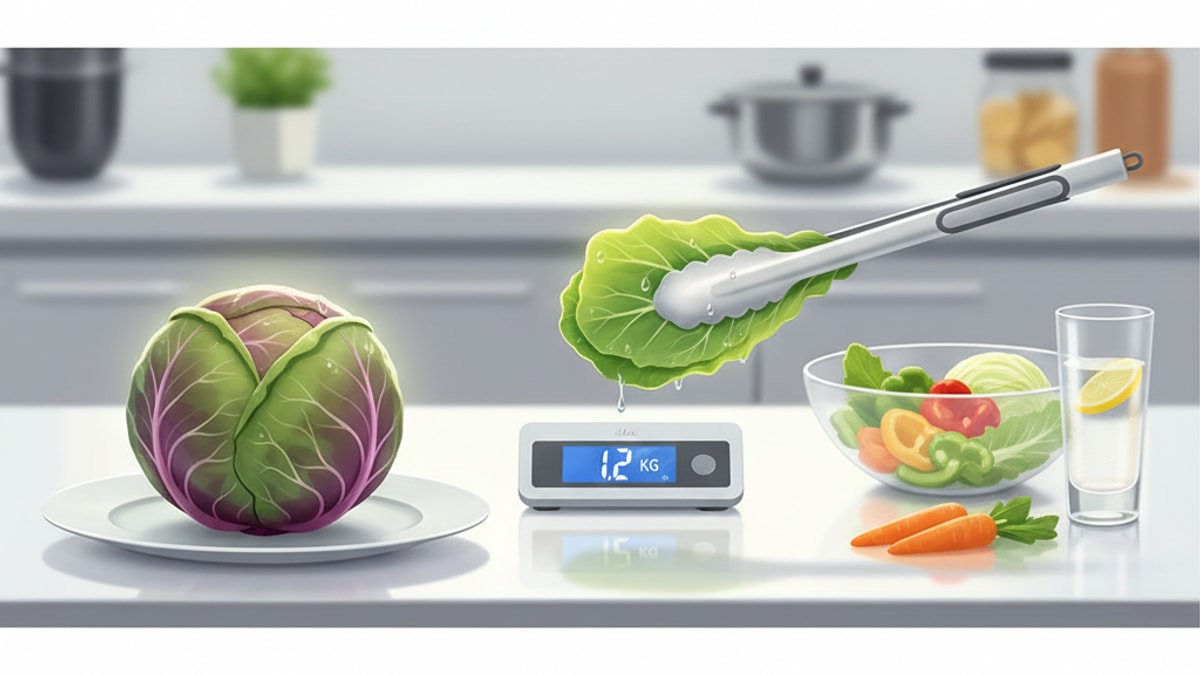
Let's be honest. The question "is cabbage good for weight loss" is loaded. For many, it immediately conjures images of the infamous, bland, and frankly punishing Cabbage Soup Diet from decades past. It was a fad built on deprivation, promising rapid results that vanished as quickly as they appeared. We've seen the aftermath of those cycles for years in our patients. The rebound weight gain, the metabolic damage, the sheer frustration.
So, we want to tackle this question differently. As a team dedicated to medically-supervised, sustainable weight loss, we look at every tool—from foundational nutrition to advanced GLP-1 medications—through a scientific lens. Cabbage is one of those tools. It's not a magic bullet. It's not a week-long cure-all. But when you understand its properties and how to use it strategically, it can be a formidable ally in a serious, long-term health journey. Let’s get into the real story.
The Unvarnished Truth About Cabbage and Calories
At its core, weight management involves energy balance. This is where cabbage first steps into the spotlight. It's incredibly low in calories. Astonishingly so.
A cup of chopped green cabbage contains only about 22 calories. That’s it. You could eat an entire small head of cabbage for fewer calories than a single candy bar. This isn't just a trivial fact; it's the foundation of its utility. Our team often talks about the concept of caloric density, which is the number of calories in a given amount of food. Foods with low caloric density, like cabbage, allow you to eat a larger, more satisfying volume of food without overloading your daily energy intake. It’s a simple equation.
This is a critical, non-negotiable element for anyone struggling with hunger and portion control. Think about it. Have you ever finished a meal and felt physically full but mentally unsatisfied, knowing you consumed a massive number of calories? Cabbage flips that script. You can add a heaping portion of sautéed cabbage to your plate, bulking up your meal and triggering the stretch receptors in your stomach that signal fullness to your brain. This creates a feeling of satiety that is both physical and psychological. It’s a game-changer. We've seen this simple strategy help patients break a lifelong habit of over-serving starches or fats, creating an immediate, sometimes dramatic, shift in their daily calorie load.
Beyond Calories: The Nutritional Powerhouse Hiding in Plain Sight
If the story ended with calories, cabbage would be useful but uninspired. Just a filler. But its real power lies in what those few calories deliver. Honestly, it’s a nutritional heavyweight disguised as a humble vegetable.
The most significant player here is fiber. Cabbage is packed with it, containing both insoluble and soluble fiber. Why does this matter so much? Insoluble fiber adds bulk to your stool, promoting regularity and keeping your digestive system running smoothly—a crucial part of overall health. But for weight loss, the soluble fiber is where the magic happens. It dissolves in water to form a gel-like substance in your gut. This gel slows down digestion. Food stays in your stomach longer, which means you feel fuller for a much longer period after eating. It also helps stabilize blood sugar levels by slowing the absorption of sugar, which can crush the energy spikes and crashes that lead to cravings for high-carb snacks. We can't stress this enough: managing blood sugar is central to managing hunger.
And the benefits don't stop there. Cabbage is loaded with essential vitamins and minerals. It's an excellent source of Vitamin K, which is vital for blood clotting and bone health, and Vitamin C, a powerful antioxidant that supports your immune system. It also contains folate, manganese, and Vitamin B6. When you're in a calorie deficit, getting maximum nutritional bang for your buck is paramount. A body that's well-nourished functions better, has more stable energy levels, and is better equipped to burn fat efficiently.
Finally, we have to talk about its unique compounds. Cabbage is a cruciferous vegetable, part of the same family as broccoli, kale, and cauliflower. These vegetables are renowned for containing sulfur-containing compounds called glucosinolates. While research is ongoing, these compounds have been linked to powerful antioxidant and anti-inflammatory benefits. Chronic inflammation is increasingly being recognized as a driver of obesity and metabolic syndrome, so incorporating anti-inflammatory foods is a smart, proactive strategy for anyone on a weight loss journey.
The Cabbage Soup Diet: A Ghost We Need to Address
We have to go there. We can't talk about cabbage and weight loss without dissecting the Cabbage Soup Diet. This fad is the perfect example of taking a good concept—a low-calorie, high-fiber food—and twisting it into something unsustainable and harmful.
The diet typically involves eating almost nothing but a low-calorie cabbage soup for seven days, with a few other foods allowed in tiny amounts on specific days. Does it cause weight loss? Yes, absolutely. You're in a state of extreme caloric deprivation. But what kind of weight are you losing? In the beginning, it's mostly water weight. Then, because you're consuming virtually no protein, your body starts breaking down precious muscle tissue for energy. Fat loss is actually a smaller part of the equation.
Our experience shows this approach is catastrophic for long-term success. Here's what we've learned happens:
- Metabolic Slowdown: When your body senses starvation, it slams the brakes on your metabolism to conserve energy. This makes it harder to lose weight in the future.
- Nutrient Deficiencies: A diet of only cabbage soup is dangerously low in protein, healthy fats, iron, calcium, and a host of other essential nutrients. This leads to fatigue, weakness, and other health problems.
- Muscle Loss: Losing muscle is the opposite of what you want. Muscle is metabolically active tissue; the more you have, the more calories you burn at rest. Losing it just sets you up for future weight gain.
- The Inevitable Rebound: After a week of misery, you return to normal eating, but now with a slower metabolism and intense cravings. The weight comes back on, and often, you end up heavier than when you started. It's a vicious cycle that erodes both physical health and mental resolve.
This is why at TrimrX, we focus on sustainable science. It’s not about a seven-day blitz. It's about fundamentally changing your body's metabolic and hormonal signaling for good.
How Our Team Recommends Integrating Cabbage Smartly
So, how do you use cabbage as the powerful tool it is, without falling into the deprivation trap? You make it a part of a varied, balanced, and satisfying eating plan. It should be a component, not the centerpiece of every single meal. Here are some of the most effective methods we recommend to our patients:
- The Foundation for Hearty Soups and Stews: Use cabbage to add bulk and nutrients to your favorite soup recipes. A chicken vegetable soup or a beef and barley stew can become far more filling with the addition of a few cups of chopped cabbage, without adding significant calories.
- The Crunch in Salads and Slaws: Thinly shredded raw cabbage is a fantastic base for salads. It’s much sturdier than lettuce, so it holds up well to dressings and can be prepped in advance. Forget those creamy, sugary coleslaws. We suggest a vinaigrette made with apple cider vinegar, a touch of olive oil, and herbs for a zesty, healthy side.
- A Simple, Flavorful Side Dish: Roasting cabbage is a revelation. Cut a head of cabbage into wedges, toss with a little olive oil, salt, and pepper, and roast until the edges are crispy and caramelized. It brings out a subtle sweetness you’d never expect. Sautéing it with garlic and a splash of soy sauce is another quick and delicious option.
- The Probiotic Power of Fermentation: Don't forget about sauerkraut and kimchi! Fermented cabbage is not only delicious but also a fantastic source of probiotics. A healthy gut microbiome is a critical, non-negotiable element of effective weight management. It influences everything from digestion and nutrient absorption to inflammation and even mood. Adding a spoonful of sauerkraut to your plate is an easy way to support your gut health.
Cabbage vs. Other Cruciferous Vegetables: A Quick Comparison
Cabbage is great, but variety is key. It's helpful to see how it stacks up against its cruciferous cousins. Each brings something unique to the table, and our team recommends rotating through all of them to get a broad spectrum of nutrients.
| Vegetable | Calories (per 100g) | Fiber (g) | Vitamin C (% DV) | Key Feature |
|---|---|---|---|---|
| Green Cabbage | ~25 | 2.5 | 61% | Extremely low-calorie, versatile base |
| Broccoli | ~34 | 2.6 | 148% | High in Vitamin C & Sulforaphane |
| Cauliflower | ~25 | 2.0 | 80% | Low-carb rice/mash substitute |
| Kale | ~49 | 3.6 | 200% | Nutrient-dense, high in Vitamins A, K, C |
As you can see, while all are excellent choices, they have slightly different profiles. Cabbage and cauliflower are the calorie kings, while kale and broccoli pack a bigger punch in terms of certain vitamins. The best strategy? Eat them all.
The Bigger Picture: Where Cabbage Fits in a Medical Weight Loss Plan
Here’s what we’ve learned after years of guiding patients through transformative weight loss: success is never about one thing. It's not just about eating cabbage. It's not just about exercise. For many people, especially those who have struggled for years, weight loss is a complex biological puzzle involving hormones, genetics, and deeply ingrained metabolic patterns.
This is where a comprehensive, medical approach becomes essential. Foods like cabbage are part of the nutritional pillar—they help you manage the energy-in side of the equation by promoting satiety and providing nutrients. But what if the hunger signals your body is sending are relentless and overwhelming? What if your body is fighting you every step of the way? That’s not a failure of willpower; it’s a biological reality.
This is the precise problem that modern medical treatments, like the GLP-1 medications we use at TrimrX, are designed to solve. Medications like Semaglutide and Tirzepatide work on a completely different level. They address the underlying biology. They work with your body's natural hormones to regulate appetite, reduce cravings, slow down how quickly your stomach empties (enhancing that feeling of fullness), and improve how your body processes sugar. They quiet the biological 'food noise' that makes sticking to a healthy eating plan so incredibly difficult.
The synergy is profound. When a patient is on a GLP-1 medication, their body is no longer screaming for high-calorie, low-nutrient foods. This creates the space for healthier habits to take root. Suddenly, choosing to build a meal around lean protein and a large portion of roasted cabbage isn't a monumental struggle. It feels natural. It feels right. The medication handles the powerful biological signals, allowing you to focus on building the nutritional and lifestyle habits that will sustain your success long-term. One approach supports the other, creating a powerful, positive feedback loop.
If you've been on the diet rollercoaster and feel like you're fighting a losing battle against your own biology, it might be time to explore a more comprehensive strategy. You can see if you're a candidate when you Take Quiz on our site. It's about combining smart nutritional tools like cabbage with powerful medical science to finally achieve the lasting results you deserve.
Potential Downsides and Considerations We've Seen
To provide a complete picture, we have to be upfront about the potential downsides of going all-in on cabbage. Credibility means looking at the whole story, not just the highlights.
First, there's the digestive aspect. Cabbage is high in fiber and contains raffinose, a type of sugar that humans can't easily digest. For some people, especially those not used to a high-fiber diet, a sudden increase in cabbage intake can lead to gas and bloating. It's usually temporary, but our advice is always to start slow. Introduce it into your diet gradually to give your digestive system time to adapt.
Second is the thyroid concern you may have read about online. Cabbage contains goitrogens, substances that can potentially interfere with thyroid function. This sounds scary, but the context is critical. For a person with normal thyroid function and adequate iodine intake, the amount of cabbage you would need to eat to have any negative effect is enormous—far more than anyone would consume in a normal diet. The risk is primarily for individuals with a pre-existing thyroid condition coupled with an iodine deficiency. Furthermore, cooking cabbage significantly reduces its goitrogenic compounds. So, for the vast majority of people, this is not a practical concern.
Finally, the risk of monotony is real. Relying too heavily on any single food, no matter how healthy, can lead to burnout and potential nutrient gaps. Cabbage is a star player, but it needs a strong supporting cast. A colorful plate is a healthy plate. Mix it with other non-starchy vegetables, lean proteins, and healthy fats.
So, is cabbage good for weight loss? The answer is an emphatic yes, but with a crucial qualifier. It is an excellent tool within a broader, smarter strategy. It is not the strategy itself. Thinking of it as a magic solution leads back to the world of fad diets and disappointment. But viewing it as a low-calorie, high-fiber, nutrient-dense ally that can help you manage hunger and nourish your body—that's the perspective that leads to real, sustainable success. It’s about building a plan where powerful tools, from the humble cabbage to advanced medical science, work in concert to help you achieve your goals and maintain them for life.
Frequently Asked Questions
Can eating cabbage every day help me lose weight?
▼
Eating cabbage daily can certainly help with weight loss as part of a balanced diet. Its low-calorie and high-fiber content promotes fullness, but it’s crucial to also include a variety of other foods, especially lean proteins and healthy fats, to ensure you meet all your nutritional needs.
Which type of cabbage is best for weight loss?
▼
All types of cabbage—green, red, Savoy, and Napa—are excellent for weight loss due to their low calorie counts. Red cabbage has a slight edge as it contains anthocyanins, powerful antioxidants that give it its color, but the best approach is to enjoy a variety of them.
Does cooking cabbage destroy its weight loss benefits?
▼
No, cooking does not destroy its primary weight loss benefits. While some water-soluble vitamins, like Vitamin C, may be slightly reduced, cooking makes cabbage easier to digest for some people and doesn’t affect its low-calorie or high-fiber nature. Steaming or light sautéing are excellent methods.
How much cabbage should I eat for weight loss?
▼
There’s no magic amount, but incorporating 1-2 cups of cabbage into your daily meals is a great strategy. Use it to bulk up salads, soups, or as a side dish to help you feel full on fewer calories without overdoing it.
Can cabbage alone burn belly fat?
▼
No single food, including cabbage, can specifically target and burn belly fat. Fat loss occurs throughout the body when you maintain a consistent calorie deficit. Cabbage aids this process by helping you create that deficit without feeling deprived, but it’s not a spot-reduction tool.
Is red cabbage better than green cabbage for weight loss?
▼
Both are fantastic for weight loss. They have nearly identical calorie and fiber counts. Red cabbage offers the added benefit of anthocyanins, which have antioxidant properties, but from a pure weight management perspective, either is an excellent choice.
Will the Cabbage Soup Diet make me gain weight back?
▼
Yes, it is extremely likely. The Cabbage Soup Diet causes rapid loss of water and muscle mass, and it slows your metabolism. Our experience shows that nearly everyone who follows such a restrictive plan regains the weight, and often more, once they return to normal eating patterns.
Can I use cabbage as a substitute for carbs like pasta or rice?
▼
Absolutely. Using shredded or chopped cabbage as a base for dishes where you might normally use pasta or rice is a brilliant low-calorie, high-fiber substitution. It’s a common strategy we recommend to patients to reduce overall carbohydrate intake while keeping meals voluminous and satisfying.
What are the side effects of eating too much cabbage?
▼
The most common side effect of a sudden increase in cabbage intake is digestive discomfort, such as gas and bloating. This is due to its high fiber content and certain sugars. To avoid this, we recommend introducing it into your diet gradually.
How does cabbage help with cravings?
▼
Cabbage helps manage cravings primarily by stabilizing blood sugar and promoting satiety. The high fiber content slows digestion, preventing the sharp blood sugar spikes and crashes that often trigger cravings for sugary or high-carb foods. Feeling physically full for longer also naturally reduces the urge to snack.
Is cabbage a good food to eat while on GLP-1 medications?
▼
Yes, cabbage is an ideal food for a diet supported by GLP-1 medications like Semaglutide or Tirzepatide. Since these medications slow gastric emptying, low-calorie, high-fiber foods like cabbage enhance the feeling of fullness, making it easier to adhere to a reduced-calorie plan comfortably and effectively.

Transforming Lives, One Step at a Time
Keep reading
Is Bupropion an SSRI or a Different Antidepressant?
A lot of people ask the same question at some point: is bupropion an SSRI? It usually comes up after hearing about medications like…

Do You Need a Prescription for GLP-1s? The 2026 Answer
Wondering ‘do you need a prescription for glp 1’ in 2026? Yes. We explain why a doctor’s oversight is critical for safe, effective results.

How to Get GLP-1 Covered By Insurance: Our 2026 Playbook
Struggling with how to get glp-1 covered by insurance? Our 2026 guide breaks down prior authorizations, appeals, and documentation.


