Is Cheese Good for Weight Loss? Our Team’s Surprising Answer
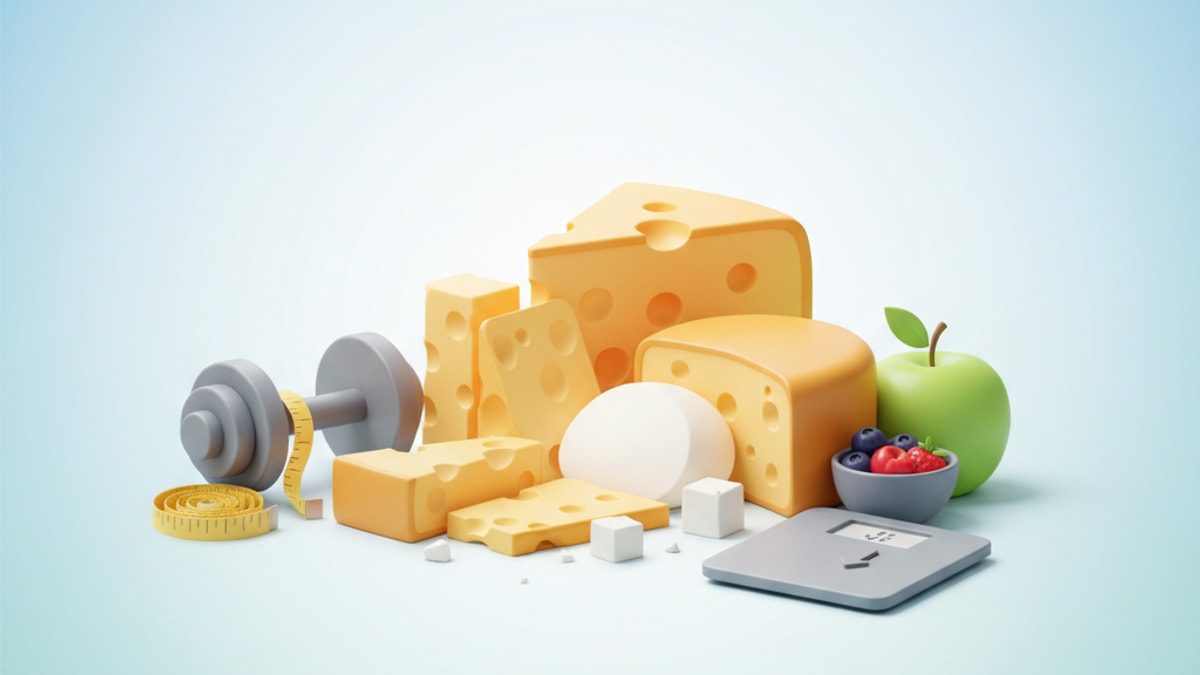
Let's get right to it. The question we hear all the time is, "Is cheese good for weight loss?" It's a loaded question, isn't it? For decades, cheese has been painted as the ultimate dietary villain—a delicious, tempting food packed with fat and calories, seemingly designed to derail any weight loss effort. We've all been there, staring at a cheese board with a mix of desire and dread, convinced that a single slice of cheddar could undo a week of hard work.
But what if that's not the whole story? Our team at TrimrX works at the intersection of biotechnology and human metabolism every single day, and we can tell you that the conversation around food and weight loss is often wildly oversimplified. The reality is far more nuanced. It's not about 'good' foods and 'bad' foods. It's about understanding how certain foods impact your unique biology, your hormones, and your sense of satiety. So, let’s unpack the science behind cheese and its place in a modern, effective weight loss strategy. You might be surprised by what we've found.
The Great Cheese Debate: Why We're Even Asking This
The reputation of cheese as a diet-wrecker stems from a pretty straightforward, if outdated, line of thinking. It's energy-dense. A small amount contains a significant number of calories, largely from fat. In the era of low-fat-everything, cheese was public enemy number one. The logic was simple: fat has more calories per gram than protein or carbs, so to lose weight, you must cut fat. This led to aisles filled with rubbery, tasteless low-fat cheese alternatives that, let's be honest, satisfied no one.
But nutritional science has evolved dramatically. We've moved past the simplistic view that a calorie is just a calorie. We now understand that the source of those calories matters. A lot. The macronutrient composition—the blend of protein, fat, and carbohydrates—has a profound effect on your body's hormonal response, your appetite signals, and how efficiently you store or burn energy. This is the core of what we focus on: the biological mechanics of weight loss. It's not just a math problem; it's a chemistry problem. And cheese, it turns out, has a very interesting chemical makeup that challenges its bad reputation.
A Closer Look at the Nutrition Inside Cheese
To truly understand if cheese is good for weight loss, you have to look beyond the calorie count on the label. You have to look at its components and how they work together within your body. It’s a concept known as the 'food matrix,' where the structure of a food influences how its nutrients are absorbed and utilized. And cheese has a fascinating matrix.
First, there's the protein. Cheese is a fantastic source of high-quality, complete protein, which is a critical, non-negotiable element of any successful weight loss plan. Protein does a few incredible things. It’s the most satiating macronutrient, meaning it keeps you feeling fuller for longer than carbs or fat. This helps crush cravings and reduce overall calorie intake without feeling deprived. Seriously, we can't stress this enough. Furthermore, when you're in a calorie deficit to lose weight, adequate protein intake is essential to preserve lean muscle mass. Losing muscle is a catastrophic outcome during weight loss because it tanks your metabolic rate, making it harder to keep the weight off long-term. Our experience shows that clients who prioritize protein have far more sustainable results.
Then there's the fat. Yes, cheese contains saturated fat, which has been a source of controversy for years. However, the science is becoming clearer that not all saturated fats are created equal, and their effect is highly dependent on the food source. The fat in cheese also plays a huge role in satiety. It slows down digestion, leading to a gradual release of energy and preventing the blood sugar spikes and crashes that often lead to mindless snacking. Some compounds in dairy fat, like conjugated linoleic acid (CLA), have even been studied for potential positive effects on body composition.
And let's not forget the micronutrients. Cheese is one of the best dietary sources of calcium. You might associate calcium with bone health, and you'd be right, but emerging research suggests it also plays a role in regulating fat metabolism. Some studies indicate that higher calcium intake may promote greater fat excretion. It’s also packed with other nutrients like phosphorus, zinc, and vitamins A and B12. This nutritional density is something you simply don't get from highly processed, low-fat snack foods.
To put this into perspective, here’s a quick comparison of some popular cheeses. Notice the huge variation in protein and calories.
| Cheese Type | Serving Size (1 oz / ~28g) | Calories (Approx.) | Protein (Approx.) | Fat (Approx.) |
|---|---|---|---|---|
| Cottage Cheese (1%) | 1/2 cup (113g) | 81 | 14 g | 1 g |
| Feta Cheese | 1 oz (28g) | 75 | 4 g | 6 g |
| Parmesan (Hard) | 1 oz (28g) | 111 | 10 g | 7 g |
| Swiss Cheese | 1 oz (28g) | 108 | 8 g | 8 g |
| Cheddar Cheese | 1 oz (28g) | 114 | 7 g | 9 g |
| Brie (Soft) | 1 oz (28g) | 95 | 6 g | 8 g |
| Goat Cheese (Soft) | 1 oz (28g) | 75 | 5 g | 6 g |
As you can see, a hard cheese like Parmesan offers a tremendous protein punch for its calorie count, while cottage cheese remains the undisputed champion for a low-fat, high-protein option.
How Your Body Actually Processes Cheese
This is where it gets really interesting from a biotech perspective. When you eat cheese, your body doesn't just see a lump of fat and protein. It initiates a complex hormonal and metabolic response. One of the most significant factors is cheese's effect on blood sugar. Because it's virtually carbohydrate-free, cheese has a glycemic index of nearly zero. This means it doesn't cause a rapid spike in blood glucose and, consequently, doesn't trigger a large release of insulin.
Why is this so important? Insulin is your body's primary fat-storage hormone. When insulin levels are chronically high (often due to a diet rich in refined carbohydrates and sugar), your body is in a constant state of storage mode, making it incredibly difficult to tap into fat reserves for energy. By choosing foods like cheese that keep insulin levels stable, you're helping to create a metabolic environment that is more conducive to fat burning. This principle is a cornerstone of modern weight management and aligns with the mechanisms of advanced treatments like GLP-1 medications, which also work to regulate insulin and glucose response. It's all connected.
This brings us to the so-called 'full-fat dairy paradox.' For years, we were told to choose skim milk and low-fat yogurt. Yet, large-scale observational studies have repeatedly found that populations consuming more full-fat dairy do not have higher rates of obesity or cardiovascular disease. In some cases, the opposite is true. While this doesn't prove that full-fat dairy causes weight loss, it strongly suggests that it isn't the dietary demon we once thought. The combination of protein, fat, and the unique food matrix of dairy likely contributes to better appetite regulation, which is a formidable ally in any weight loss journey.
The Best Cheeses for Your Weight Loss Journey
Okay, so we've established that cheese isn't off the table. But are some choices better than others? Absolutely. Our team recommends focusing on cheeses that give you the most nutritional bang for your caloric buck.
1. Cottage Cheese: This one's a classic for a reason. It's incredibly high in casein protein, a slow-digesting protein that promotes satiety for hours. It's versatile—you can eat it plain, with fruit, or even blend it into smoothies for a protein boost. It's the leanest option by a long shot.
2. Parmesan, Pecorino, and other Hard Cheeses: These are flavor powerhouses. Because they are aged and have a lower moisture content, their flavor is incredibly concentrated. You only need a small sprinkle of real Parmigiano-Reggiano to add a huge umami and savory kick to salads, roasted vegetables, or soups. You get maximum satisfaction from minimal calories and a great dose of protein.
3. Feta and Goat Cheese: Both are typically lower in calories and fat than many harder cow's milk cheeses. Their tangy, sharp flavor profile means a little goes a long way. Crumbled over a Greek salad or a beet and arugula salad, they provide creaminess and flavor that elevates the entire dish, making a simple plate of vegetables feel like a satisfying meal.
4. Swiss Cheese: Known for its holes, Swiss is also a solid choice. It's naturally lower in sodium and fat compared to many other popular cheeses like cheddar, and it still packs a respectable 8 grams of protein per ounce. It's great for melting into an omelet or layering in a lettuce wrap.
Cheeses to Approach with Caution (Not Avoid!)
Notice the phrasing there. We don't believe in labeling foods as 'off-limits' because that mindset often leads to a cycle of restriction and binging. Instead, we advocate for awareness. Some cheeses are simply less aligned with weight loss goals and should be enjoyed more mindfully.
Processed Cheeses: This includes things like individually wrapped American cheese slices, cheese sprays, and many pre-shredded cheese blends that contain anti-caking agents like potato starch. They are often lower in protein and higher in sodium and artificial ingredients. While convenient, they offer less nutritional value and satiety than their whole-food counterparts.
Triple-Cream Cheeses: Think rich, decadent Brie or Camembert. These are delicious, but they are made by adding extra cream, which significantly increases the fat and calorie content. They can absolutely be enjoyed on special occasions, but they aren't the best choice for a daily snack when you're focused on a calorie deficit.
Cheese Spreads and Dips: Often, the cheese is just one ingredient among many, including vegetable oils, sugar, and various preservatives. Always read the label. If cheese isn't one of the first few ingredients, you're likely getting a highly processed food product rather than the nutritional benefits of real cheese.
The Golden Rules: Incorporating Cheese Without Derailing Progress
So, how do you make it work? How do you enjoy cheese and continue to see the number on the scale go down? It comes down to strategy and intention. Here's what we've learned works best.
Rule 1: Portion Control is Everything. This is the big one. A serving of hard cheese is one ounce (28 grams). That's about the size of a pair of dice or your thumb. It's not a giant wedge. We recommend using a food scale for a week or two to calibrate your eyes. It’s a simple step that provides invaluable data and prevents mindless overconsumption.
Rule 2: Pair it Wisely. What you eat with the cheese is just as important as the cheese itself. Pairing a slice of cheddar with a pile of refined white crackers is going to have a very different metabolic effect than pairing it with a crisp apple slice. The apple provides fiber and water, which enhances fullness and slows down sugar absorption. Think of cheese as a partner to fiber-rich foods: pair it with celery sticks, bell pepper slices, a large salad, or a handful of berries.
Rule 3: Focus on Flavor, Not Volume. As we mentioned with Parmesan, choosing intensely flavored cheeses allows you to use less while still achieving a high level of satisfaction. A sharp aged cheddar, a smoky gouda, or a pungent blue cheese can deliver a powerful flavor experience in a very small portion.
Rule 4: See the Big Picture. Cheese fits into your overall daily intake. It’s not a 'free' food. You have to account for its calories and macros within your total budget. A balanced approach means you can enjoy the foods you love while still making consistent progress toward your goals. It's about sustainability, not perfection.
How Cheese Fits into a Modern Weight Loss Plan
At TrimrX, our entire philosophy is built on using the latest science to create sustainable, long-term health transformations. Extreme restriction diets fail. It's a fact. They're not sustainable because they're not enjoyable. The key to lasting success is finding a way of eating that you can maintain for life, and that includes being able to enjoy foods like cheese.
For our patients on medically-supervised weight loss programs, especially those utilizing powerful GLP-1 medications like Semaglutide and Tirzepatide, nutrition becomes even more critical. These treatments are incredibly effective at reducing appetite and improving metabolic health, but they work best when paired with a smart nutritional strategy. Because appetite is reduced, every bite counts. We guide our patients to prioritize protein to protect their muscle mass and metabolic rate. In this context, a carefully chosen portion of cheese isn't just an indulgence; it's a strategic tool to help meet protein goals and stay full.
The reduced cravings and 'food noise' that people experience on these treatments also make moderation fundamentally easier. You can have that one-ounce portion of cheese, truly savor it, and feel completely satisfied without the overwhelming urge to eat the whole block. It's a significant, sometimes dramatic shift in one's relationship with food.
Understanding how your body metabolizes food is the first step. If you're ready to move beyond the endless cycle of dieting and explore a medically-supervised path tailored to your biology, you can Take Quiz to see if our program is a fit for you. We combine advanced medication with personalized nutritional guidance to help you achieve results that last.
Ultimately, the answer to "is cheese good for weight loss?" is a resounding yes… with a few important conditions. When you choose high-quality, protein-rich varieties, control your portions, and pair them intelligently, cheese can be a delicious and satisfying part of your journey. It provides critical nutrients, promotes satiety, and makes healthy eating feel less like a punishment and more like a pleasure. For those who need a more comprehensive strategy to finally reach their goals, it might be time to Start Your Treatment with a plan that leverages the best of medical science.
So go ahead, enjoy that slice of cheese. Just do it with knowledge and intention. Your weight loss journey doesn't have to be a story of deprivation. It can be a story of informed choices, delicious food, and sustainable success. That’s the reality. It all comes down to a smarter, more scientific approach.
Frequently Asked Questions
Can I eat cheese every day and still lose weight?
▼
Yes, you absolutely can. The key is strict portion control—sticking to about one ounce per day—and ensuring it fits within your total daily calorie and macronutrient goals. Choose high-protein options and pair them with fiber-rich foods.
What is the single best cheese for weight loss?
▼
From a purely nutritional standpoint, 1% cottage cheese is the winner due to its exceptionally high protein-to-calorie ratio. For a traditional hard cheese, Parmesan is an excellent choice because its strong flavor allows you to use less while still getting a good protein boost.
Does full-fat cheese cause more weight gain than low-fat cheese?
▼
Not necessarily. Our team has found that the fat in cheese aids in satiety, keeping you fuller for longer, which can prevent overeating later. Many low-fat cheeses have added sugars or fillers to improve taste, which can be less beneficial for weight loss.
Is dairy inflammatory and bad for weight loss?
▼
While some individuals have a genuine sensitivity or allergy to dairy, for most people, fermented dairy products like cheese and yogurt are not inflammatory. In fact, they can contain probiotics that support gut health, which is closely linked to weight management.
How much cheese is considered one serving?
▼
A standard serving size for hard cheese like cheddar or Swiss is one ounce (28g), which looks like a pair of dice. For shredded cheese, it’s about 1/4 cup, and for soft cheese like goat cheese, it’s about two tablespoons.
Why is protein in cheese so important for weight loss?
▼
Protein is vital for two main reasons. It is highly satiating, which helps control your appetite, and it helps preserve lean muscle mass during a calorie deficit. Maintaining muscle is crucial for keeping your metabolism running efficiently.
Should I avoid cheese if I’m on a GLP-1 medication like Semaglutide?
▼
No, not at all. In fact, cheese can be a great tool. Since GLP-1s reduce appetite, it’s important to make your calories count with nutrient-dense, high-protein foods. A small portion of cheese can help you meet your protein targets and stay full.
What’s the worst kind of cheese for weight loss?
▼
Highly processed cheese products, like cheese in a can or plastic-wrapped singles, are generally the worst choices. They are often lower in protein and higher in sodium and artificial ingredients, offering minimal nutritional benefit.
Does melting cheese make it less healthy?
▼
No, melting cheese doesn’t change its nutritional profile. However, be mindful of how you use it. Melting a large amount of cheese over high-calorie foods like nachos or pasta can easily lead to overconsumption of calories.
Can lactose-intolerant people eat cheese for weight loss?
▼
Many can. The cheesemaking process removes a significant amount of lactose. Hard, aged cheeses like Parmesan, cheddar, and Swiss are naturally very low in lactose and are often well-tolerated by people with lactose intolerance.
Is goat cheese a better option than cow’s milk cheese?
▼
Goat cheese can be a great option. It is often slightly lower in calories and fat, and some people find the type of fat and protein in it easier to digest. Nutritionally, it’s very comparable to many cow’s milk cheeses.
How does the sodium in cheese affect weight loss?
▼
Cheese can be high in sodium, which can cause temporary water retention and bloating, but it doesn’t cause fat gain. We recommend choosing lower-sodium options like Swiss or fresh mozzarella and balancing your intake with plenty of water.

Transforming Lives, One Step at a Time
Keep reading

Do You Need a Prescription for GLP-1s? The 2026 Answer
Wondering ‘do you need a prescription for glp 1’ in 2026? Yes. We explain why a doctor’s oversight is critical for safe, effective results.

How to Get GLP-1 Covered By Insurance: Our 2026 Playbook
Struggling with how to get glp-1 covered by insurance? Our 2026 guide breaks down prior authorizations, appeals, and documentation.

Traveling with GLP-1s in 2026: Your Essential Trip-Proof Plan
Don’t let travel disrupt your GLP-1 treatment. Learn how to travel with glp 1 medications safely and stress-free in our 2026 expert guide.


