Is Chicken and Rice Good for Weight Loss? The Unfiltered Truth
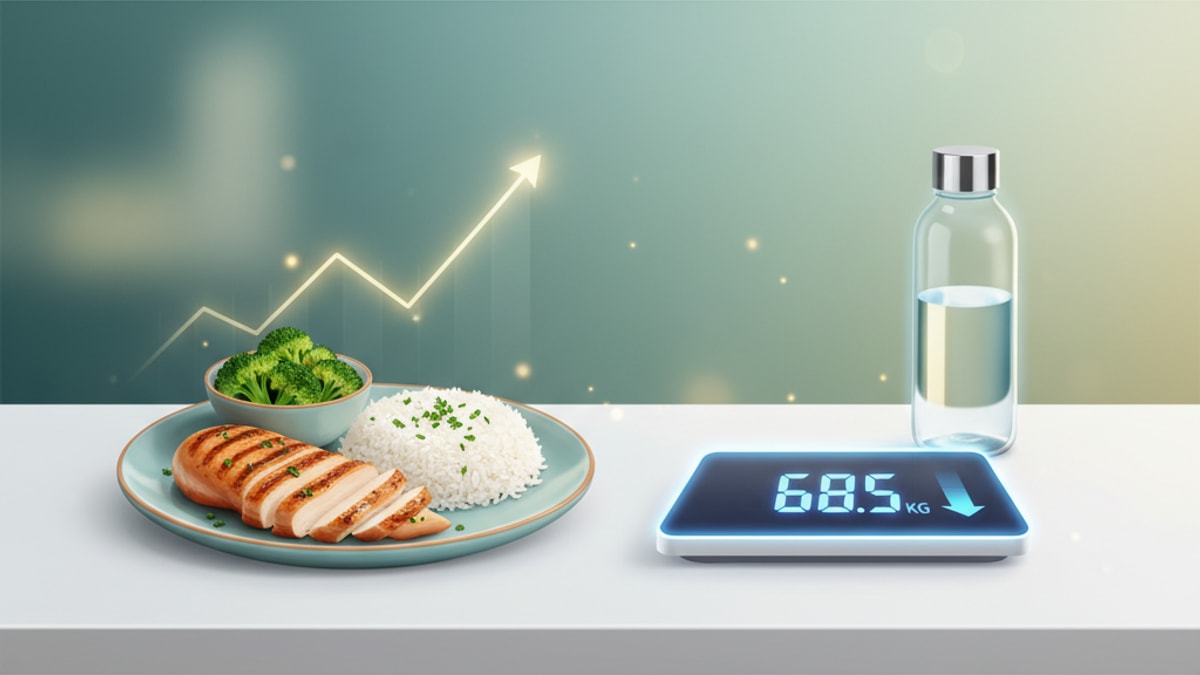
Is Chicken and Rice the Answer to Your Weight Loss Goals?
It’s the quintessential meal of disciplined dieters and bodybuilders everywhere. A clean, simple plate of grilled chicken breast and steamed rice. We’ve all seen it, and many of us have tried it. The logic seems sound: it’s basic, it’s predictable, and it feels like the epitome of “clean eating.” The question we hear all the time is straightforward: is chicken and rice good for weight loss? The answer, however, is far from simple. It’s nuanced, and frankly, it depends entirely on how you approach it.
Our team at TrimrX has spent years guiding patients through the complexities of weight management, and we've seen this exact diet trend come and go in countless forms. While it can be a tool in your toolbox, viewing it as a magic bullet is one of the most common missteps we see. It can lead to frustration, nutritional gaps, and eventual burnout. So, let's unpack the real science behind this meal, explore its legitimate benefits, and—most importantly—discuss the formidable pitfalls that can derail your progress. This isn't just about one meal; it's about building a sustainable strategy that works with your body's biology, not against it.
The Nutritional Breakdown: What's Really on Your Plate?
Before we can judge its effectiveness, we need to understand the components. At its core, this meal is a combination of a lean protein source and a primary carbohydrate source. Simple, right? But the details matter immensely.
Let’s start with the chicken. When people talk about chicken for weight loss, they’re almost always referring to boneless, skinless chicken breast. It’s an absolute powerhouse of lean protein. A typical 4-ounce serving packs around 25-30 grams of high-quality protein with very little fat, clocking in at roughly 120-150 calories. Protein is a critical, non-negotiable element of any effective weight loss plan for several key reasons:
- Satiety: Protein is the most satiating macronutrient. It helps you feel fuller for longer, which naturally helps reduce overall calorie intake. You're less likely to be hunting for snacks an hour after a protein-rich meal.
- Thermic Effect of Food (TEF): Your body actually burns more calories digesting protein compared to fats and carbs. This metabolic boost, while not massive, contributes to your total daily energy expenditure.
- Muscle Preservation: When you're in a calorie deficit to lose weight, your body can break down muscle tissue for energy along with fat. A high protein intake helps preserve that precious, metabolically active muscle mass. We can't stress this enough: losing muscle is a catastrophic outcome for long-term metabolic health.
But not all chicken is created equal. Swapping that lean breast for a skin-on chicken thigh dramatically changes the nutritional profile. The thigh will have more flavor, yes, but it also contains significantly more fat and calories. The preparation method is also a huge variable. A grilled or baked chicken breast is one thing; a breaded and fried cutlet is an entirely different beast, loaded with refined carbs and inflammatory oils.
Now, for the rice. Rice is your primary source of carbohydrates, providing the energy your body and brain need to function. The debate between white and brown rice is a classic one. Brown rice is a whole grain, meaning it retains its bran and germ. This gives it more fiber, vitamins, and minerals. The fiber helps slow down digestion, leading to a more gradual rise in blood sugar and promoting a longer feeling of fullness. White rice, on the other hand, has had the bran and germ removed, making it easier to digest and quicker to spike blood sugar. For most people, most of the time, our team recommends brown rice for its superior nutritional profile and fiber content. However, for post-workout recovery, some athletes prefer white rice for its ability to quickly replenish glycogen stores. It’s all about context.
Why This Simple Meal Can Be Effective (In the Short Term)
So, with a lean protein and a complex carb, what makes this combination potentially effective for shedding pounds? It really boils down to two things: calorie control and simplicity.
Weight loss fundamentally occurs when you are in a consistent calorie deficit, meaning you burn more calories than you consume. There's no escaping this law of thermodynamics. The chicken and rice meal is, by its very nature, easy to portion and control. A 4-ounce chicken breast and a cup of cooked brown rice comes in at around 350-400 calories. It's a known quantity. For someone just starting their journey, removing the guesswork from meals can be a huge advantage. You don't have to meticulously calculate the calories in complex sauces, dressings, or cooking oils. It's simple, it's repeatable, and it makes tracking your intake incredibly straightforward.
This simplicity is a powerful psychological tool. When you're overwhelmed with choices, it's easy to make poor ones. We've all been there—standing in front of the fridge after a grueling day, too tired to cook a complex, healthy meal. The allure of takeout is strong. A pre-planned, simple meal of chicken and rice eliminates that decision fatigue. It becomes your default, your go-to, making it easier to stay on track. This approach can build initial momentum and confidence, which is a critical part of the early stages of a weight loss journey.
But momentum can fade. And that's where the problems begin.
The Unspoken Downsides: Where the Chicken and Rice Diet Fails
Here’s the unfiltered truth that many diet gurus won't tell you: relying solely on chicken and rice is a terrible long-term strategy. Our experience shows that while it might produce initial results, it's often unsustainable and can even be counterproductive over time.
First and foremost is the risk of nutrient deficiencies. Your body is a complex machine that requires a sprawling array of vitamins, minerals, healthy fats, and antioxidants to function optimally. Chicken and rice provide protein and carbs, but they are sorely lacking in a host of micronutrients. Where are the healthy fats for hormone production? Where are the vitamins C, K, and A from colorful vegetables? Where is the diverse array of fibers needed to support a healthy gut microbiome? A diet this restrictive, maintained for weeks or months, can lead to fatigue, a weakened immune system, and poor gut health. It’s the opposite of nourishing your body.
Then there's the formidable challenge of dietary boredom. Let's be honest. How long can anyone eat the same bland meal, day in and day out? The initial discipline gives way to monotony, which then breeds cravings. When your diet is devoid of flavor, texture, and variety, the temptation of hyper-palatable junk food becomes almost irresistible. We've seen it time and time again: a week of perfect, bland eating followed by a weekend binge that completely undoes all the progress. It's a vicious cycle. Sustainability is the key to lasting results, and a diet you dread is, by definition, not sustainable.
Here's a comparison our team often uses to illustrate the nutritional trade-offs:
| Meal Component | Basic Chicken & Rice Meal | Balanced, Nutrient-Dense Meal | Typical Fast Food Meal (Burger & Fries) |
|---|---|---|---|
| Protein Source | Grilled Chicken Breast | Baked Salmon | Fried Beef Patty |
| Carbohydrate Source | White Rice | Quinoa & Roasted Sweet Potato | White Bun & Fried Potatoes |
| Added Nutrients | Minimal | Broccoli, Spinach, Avocado | Lettuce, Tomato, Cheese (processed) |
| Approx. Calories | ~400 kcal | ~550 kcal | ~950 kcal |
| Key Micronutrients | Low | High (Omega-3s, Vitamins, Fiber) | Low (High in Sodium, Saturated Fat) |
| Satiety Level | Moderate | High | Low (followed by a crash) |
| Sustainability | Low | High | Very Low |
This table makes it clear. While the chicken and rice meal is low in calories, it pales in comparison to a truly balanced meal that provides a wealth of nutrients and is far more enjoyable to eat. It's about optimizing for health, not just restricting calories.
Beyond the Plate: Biology, Hormones, and a Smarter Strategy
This brings us to a crucial point that we, as a medically-supervised weight loss clinic, have to emphasize. For many people, the struggle to lose weight isn't just about food choices or a lack of willpower. It's far deeper than that. It's rooted in biology, hormones, and individual metabolic health.
Your body has powerful systems in place to regulate your weight. Hormones like ghrelin (the hunger hormone) and leptin (the satiety hormone) send signals to your brain, driving your appetite and cravings. For many individuals, especially those who have struggled with weight for a long time, these signaling systems can become dysregulated. You might feel hungry even when you've eaten enough, or your cravings for high-calorie foods might feel relentless. It’s not a personal failing; it’s a biological reality.
This is where a purely dietary approach like the chicken and rice diet falls short. It tries to use willpower to fight against powerful biological urges. It can work for a while, but for many, biology eventually wins. This is precisely why we've built our programs at TrimrX around a more comprehensive, scientific approach. We use FDA-registered GLP-1 medications like Semaglutide and Tirzepatide, which work with your body's own systems to help restore balance.
GLP-1 agonists are not a magic pill, but they are a revolutionary tool. They work by mimicking a natural gut hormone that helps regulate appetite and blood sugar. This means you feel fuller sooner and for longer, quieting the constant 'food noise' in your brain. It allows you to make healthier food choices not out of sheer, white-knuckled discipline, but because you genuinely feel less hungry. This creates the space for you to build sustainable, healthy habits without the constant battle against your own body. If you've been struggling with this cycle and want to see if a medical approach is right for you, you can Take Quiz on our site to get started.
When you combine this medical support with a smart nutritional strategy, the results can be transformative. The goal is no longer just about restriction; it's about re-calibrating your body's systems for long-term success.
Making Chicken and Rice Work for You (The Right Way)
So, should you throw out the chicken and rice entirely? Not at all. It can still be a valuable part of a balanced and effective weight loss plan. The key is to treat it as a base, not the entire building.
Here’s how our team recommends incorporating it:
-
Load Up on Vegetables: This is non-negotiable. Add a huge portion of non-starchy vegetables to your plate. We’re talking broccoli, spinach, bell peppers, zucchini, asparagus, or a large side salad. This adds volume, fiber, and a massive dose of the micronutrients that a simple chicken and rice meal lacks. It makes the meal more filling and infinitely more nutritious.
-
Introduce Healthy Fats: Don’t fear fat! Healthy fats are essential for hormone function and satiety. Add half an avocado, a sprinkle of nuts or seeds, or cook your chicken with a teaspoon of olive oil. This adds flavor and helps keep you full for hours.
-
Use Flavor—Liberally: Bland food is the enemy of sustainability. Use herbs, spices, garlic, onion, and low-sodium marinades to make your chicken delicious. A squeeze of lemon or lime over the finished dish can elevate it instantly. There's a world of flavor available that adds virtually no calories.
-
Practice Portion Control: Even with a healthy meal, portions matter. Use a measuring cup for your rice (a typical serving is about ½ to 1 cup, cooked) and a food scale for your chicken (aim for a 4-6 ounce portion, about the size of a deck of cards). This ensures you're staying within your calorie targets.
-
Vary Your Proteins and Carbs: Don’t eat the same meal every day. Swap the chicken for fish, lean turkey, or even plant-based options like tofu or lentils. Change the brown rice for quinoa, sweet potatoes, or barley. Variety is not just the spice of life; it’s the cornerstone of a healthy nutritional profile.
By following these principles, you transform a restrictive, potentially harmful diet into a single, healthy meal that is part of a diverse and enjoyable eating plan. This is the path to results that last. If you're ready to move beyond simplistic diets and embrace a comprehensive strategy that works with your body, our team is here to help. You can Start Your Treatment and get a personalized plan designed by medical experts.
Ultimately, the question isn't just 'is chicken and rice good for weight loss?' The better question is, 'what is the most sustainable and healthy way for me to achieve my goals?' For some, a simple meal plan is a great starting point. But for most, true, lasting change comes from a holistic approach that addresses nutrition, lifestyle, and the underlying biology of weight regulation. It's about finding a method that doesn't just help you lose weight, but helps you build a healthier, more vibrant life. That's a goal worth pursuing.
Frequently Asked Questions
Can I eat chicken and rice every day for weight loss?
▼
While it can be effective for short-term calorie control, we strongly advise against eating only chicken and rice every day. This leads to nutrient deficiencies and extreme dietary boredom, making it an unsustainable strategy for long-term success.
Which is better for weight loss, white rice or brown rice?
▼
Our team generally recommends brown rice because its higher fiber content helps you feel fuller for longer and supports a more stable blood sugar response. However, both can fit into a weight loss plan with proper portion control.
How much chicken and rice should I eat to lose weight?
▼
This depends on your individual calorie needs. A good starting point is a 4-6 ounce portion of lean chicken breast and about one cup of cooked rice, but this should be adjusted based on your activity level, metabolism, and overall diet.
What can I add to chicken and rice to make it healthier?
▼
Load it up with non-starchy vegetables like broccoli, spinach, and bell peppers. Adding a source of healthy fat like avocado or a drizzle of olive oil will also enhance satiety and provide essential nutrients.
Is chicken and rice enough to build muscle while losing fat?
▼
The high protein in chicken is excellent for preserving and building muscle during a fat loss phase. However, you need to ensure you’re eating enough total protein throughout the day and engaging in resistance training to stimulate muscle growth.
Why do I feel hungry again so soon after eating chicken and rice?
▼
This could be due to using white rice instead of brown, which digests faster. It’s more likely due to a lack of fat and fiber in the meal; adding vegetables and a healthy fat source will significantly increase its staying power.
Can a diet of just chicken and rice slow down my metabolism?
▼
Any overly restrictive, low-calorie diet can potentially slow your metabolism over time as your body adapts. This is why we advocate for a balanced diet and preserving muscle mass, which is key to maintaining a healthy metabolic rate.
Are there better alternatives to chicken and rice for a simple weight loss meal?
▼
Absolutely. Consider a piece of baked salmon (for healthy fats) with quinoa (for more protein and fiber) and a large serving of roasted asparagus. Variety is crucial for both nutrition and adherence.
How do medical treatments like Semaglutide work with a diet plan?
▼
At TrimrX, we use GLP-1 medications like Semaglutide to help regulate your body’s natural hunger hormones. This quiets cravings and makes it easier to stick to a healthy, balanced eating plan without feeling deprived, addressing the biological side of weight loss.
What’s the biggest mistake people make with the chicken and rice diet?
▼
The biggest mistake we see is relying on it exclusively. They fail to add other nutrient-dense foods, leading to boredom, nutritional gaps, and an eventual rebound. It should be one of many healthy meals in your rotation, not the only one.
Does the way I cook the chicken matter for weight loss?
▼
Yes, immensely. Grilling, baking, poaching, or air-frying are ideal methods. Pan-frying with lots of oil, breading, or covering it in sugary sauces can add hundreds of hidden calories and unhealthy fats.
Should I be concerned about arsenic in rice?
▼
While rice can contain trace amounts of arsenic, varying your grains (e.g., quinoa, barley, farro) and thoroughly rinsing rice before cooking can help mitigate any potential risk. For a balanced diet, you wouldn’t be eating it at every meal anyway.

Transforming Lives, One Step at a Time
Keep reading

Do You Need a Prescription for GLP-1s? The 2026 Answer
Wondering ‘do you need a prescription for glp 1’ in 2026? Yes. We explain why a doctor’s oversight is critical for safe, effective results.

How to Get GLP-1 Covered By Insurance: Our 2026 Playbook
Struggling with how to get glp-1 covered by insurance? Our 2026 guide breaks down prior authorizations, appeals, and documentation.

Traveling with GLP-1s in 2026: Your Essential Trip-Proof Plan
Don’t let travel disrupt your GLP-1 treatment. Learn how to travel with glp 1 medications safely and stress-free in our 2026 expert guide.


