Is Dark Chocolate Good for Weight Loss? Our Medical Team’s Take
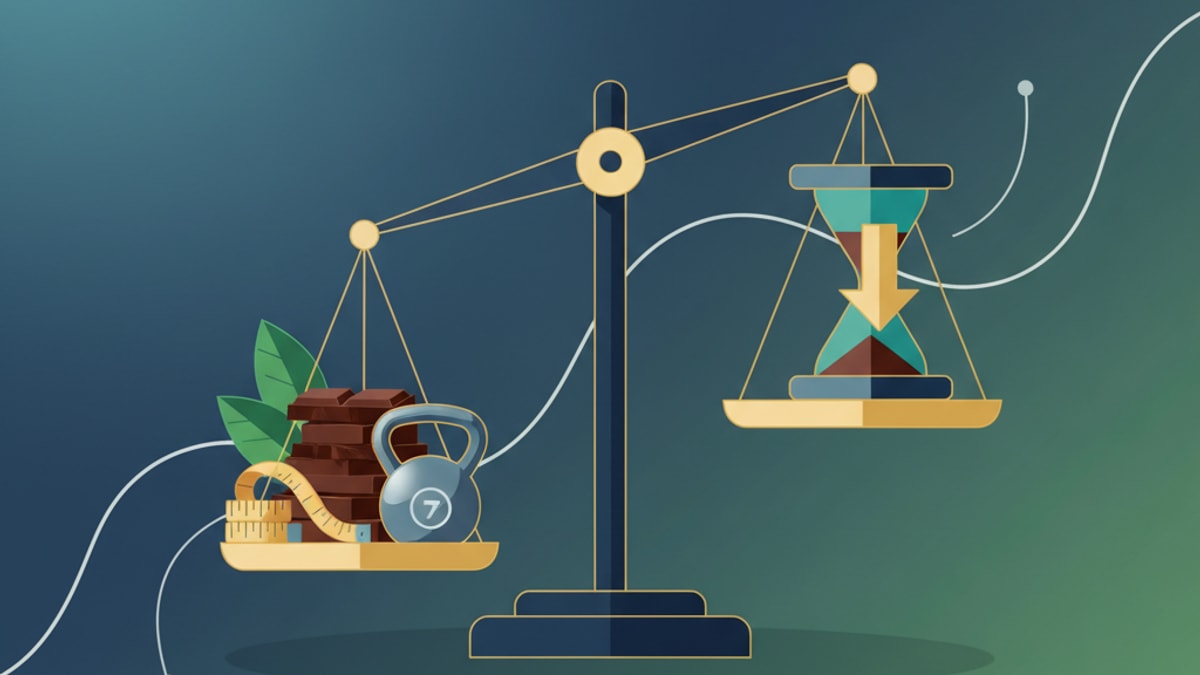
It’s a question we hear all the time, whispered in consultations and typed into search bars late at night: is dark chocolate good for weight loss? It feels like it should be a trick question. Something so decadent, so satisfying—how could it possibly fit into a serious, medically-guided weight management plan? We get it. The world of nutrition is filled with conflicting advice, and the desire for a guilt-free indulgence is universal.
Here at TrimrX, our team is grounded in science and clinical experience. We guide patients through comprehensive weight loss programs, often utilizing advanced treatments like Semaglutide and Tirzepatide, and a core part of that journey is building sustainable, long-term habits. That means understanding the nuances of nutrition, not just following a rigid list of 'good' and 'bad' foods. So, let's talk about dark chocolate. Not as a magical fat-burner, but as a potential tool in your arsenal when used correctly. The answer is more complex and, honestly, more interesting than a simple yes or no.
So, Can Chocolate Really Help You Lose Weight?
Let’s cut right to the chase. Eating a king-sized dark chocolate bar every day won't magically melt pounds away. We have to be realistic. Weight loss is a formidable challenge rooted in biology, hormones, and consistent caloric balance. However, the conversation shifts when we talk about strategic consumption of high-quality dark chocolate. It’s not about subtraction; it’s about smart addition.
Our experience shows that extreme restriction almost always backfires. When you tell yourself a food is completely off-limits, it often becomes the only thing you can think about. This psychological battle can lead to intense cravings, eventual binging, and a cycle of guilt that sabotages progress. A small, planned portion of dark chocolate can satisfy that deep-seated craving for something rich and sweet, making it far easier to stick to your overall nutritional plan. It’s a pressure release valve. This small concession can be the very thing that keeps you on track for the long haul, preventing a catastrophic derailment from a moment of overwhelming temptation.
It works. We've seen it work.
But the benefits go beyond just psychology. The properties of dark chocolate itself—the right kind, that is—contain compounds that can genuinely support metabolic health and weight management efforts. This is where we move from anecdotal comfort to biochemical support. It’s a fascinating intersection of pleasure and physiology.
What Makes Dark Chocolate Different?
Not all chocolate is created equal. The sugary, milky confection you find in the checkout aisle is a world away from the potent, cacao-rich dark chocolate we’re discussing. The magic lies in the cacao bean itself, which is packed with a unique cocktail of powerful bioactive compounds. When you choose chocolate with a high cacao percentage (we recommend 70% or higher), you're minimizing sugar and maximizing these beneficial components.
Here's what's inside that makes a difference:
- Flavonoids (Specifically, Flavanols): These are the superstars. Flavanols are potent antioxidants that have been studied extensively for their effects on cardiovascular health, but they also play a role in metabolism. They can help improve blood flow and have been linked to better insulin sensitivity. We'll get into that more in a bit, but for now, just know this is the primary source of dark chocolate's health halo.
- Theobromine: A natural stimulant, but much gentler than its cousin, caffeine. Theobromine can provide a mild energy boost and has a diuretic effect. More importantly, some research suggests it may play a role in suppressing appetite and improving mood, both of which are critical, non-negotiable elements of a successful weight loss journey.
- Healthy Monounsaturated Fats: Like the fats found in olive oil and avocados, the cocoa butter in dark chocolate is primarily composed of oleic acid. These fats are incredibly satiating. They help you feel full and satisfied, which is a powerful weapon against overeating later in the day. This is a crucial point many people miss—fat isn't the enemy; the wrong kind of fat (and too much of it) is.
- Fiber: A square of high-cacao dark chocolate contains a surprising amount of soluble fiber. Fiber, as we know, is essential for digestive health and plays a massive role in satiety. It slows down digestion, helping to stabilize blood sugar levels and keep you feeling fuller for longer. Even a couple of grams can contribute to your daily goal and make a noticeable impact on your hunger levels.
When you combine these elements, you get a food that is not just an empty-calorie treat but a functionally dense indulgence. It’s this unique composition that elevates it from a simple candy to a potential strategic tool.
The Science-Backed Benefits for Weight Management
Okay, let's move from the 'what' to the 'how'. How do these compounds translate into actual, tangible support for someone trying to lose weight? Our team constantly reviews the latest research to ensure our advice is grounded in evidence, and the data on cacao is compelling.
First, there's the appetite and craving control. This is perhaps the most immediate and noticeable effect. A 2011 study from the University of Copenhagen found that dark chocolate was significantly more filling than milk chocolate and that it reduced cravings for sweet, salty, and fatty foods in subsequent meals. Think about that. A small piece of dark chocolate didn't just satisfy the immediate craving; it had a lingering effect that influenced healthier choices hours later. That's a powerful ripple effect. The combination of bitter notes, healthy fats, and fiber sends a strong signal of satiety to the brain.
Second, we have to talk about mood and stress. The connection between stress, cortisol levels, and weight gain (especially abdominal fat) is well-documented. It's a vicious cycle: stress leads to poor food choices, which leads to guilt and more stress. Dark chocolate can help break that cycle. It contains compounds that can trigger the release of endorphins—the brain's 'feel-good' chemicals. It also contains tryptophan, an amino acid precursor to serotonin, a key neurotransmitter for mood regulation. By providing a small lift in mood and reducing stress perception, dark chocolate can help you navigate the emotional challenges of weight loss without resorting to a pint of ice cream. This is not trivial; managing the psychological side of weight loss is just as important as managing the physiological side.
Third is the impact on insulin sensitivity. This is where it gets really interesting from a medical perspective. Chronic high insulin levels can make it incredibly difficult for your body to burn stored fat. The flavanols in dark chocolate have been shown to improve endothelial function and increase nitric oxide production, which helps blood vessels relax and can improve the body's sensitivity to insulin. When your cells are more sensitive to insulin, your body needs to produce less of it to manage blood sugar. Lower, more stable insulin levels create a hormonal environment that is far more conducive to fat burning. For individuals struggling with insulin resistance, a common hurdle in weight loss, this is a significant, sometimes dramatic, benefit.
And finally, there's a potential for a modest metabolism boost. The combination of theobromine and caffeine, though present in small amounts, can have a slight thermogenic effect, meaning it can temporarily increase the number of calories your body burns. While this effect is minor and certainly not enough to cause weight loss on its own, it’s another small factor that contributes to the overall positive picture. It's one more small push in the right direction.
This Isn't a Green Light for a Free-for-All
Let’s be honest, this is crucial. We can't stress this enough: the benefits of dark chocolate are entirely dependent on quality and quantity. This is where people get into trouble. Hearing that 'dark chocolate is good for you' can easily be misinterpreted as a license to eat as much as you want. That's a catastrophic mistake.
Dark chocolate is still a very calorie-dense food. A single 1-ounce (or ~30-gram) serving of 70-85% dark chocolate contains around 170 calories. While those calories come packaged with beneficial nutrients, they still count toward your daily total. If you're not mindful, it's incredibly easy to consume 300-500 calories' worth of chocolate in a sitting, which can completely negate the calorie deficit you've worked so hard to create.
This is why portion control is non-negotiable.
We typically recommend a serving size of one to two squares, or about 0.75 to 1 ounce, per day. The key is to savor it. Don't mindlessly munch on it while watching TV. Break off a piece, let it melt slowly in your mouth, and pay attention to the complex flavors. This practice of mindful eating not only enhances the psychological satisfaction but also gives your brain time to register the satiety signals, preventing you from reaching for more. It transforms the act from mindless consumption into a deliberate, satisfying ritual.
How to Choose the Right Dark Chocolate
Navigating the chocolate aisle can be overwhelming. The packaging is often misleading, with terms like 'dark' used loosely. Your mission is to become a label detective. The front of the package is marketing; the back of the package is information.
Here’s what we tell our patients to look for:
- Cacao Percentage: This is the most important number. Look for a minimum of 70%. Ideally, aim for 85% or even higher if you enjoy the intense, bitter flavor. The higher the cacao percentage, the more flavonoids and fiber you get, and—critically—the less sugar.
- Sugar Content: Check the nutrition label. Sugar should not be the first or even second ingredient. Some brands use alternative sweeteners, but be wary of sugar alcohols (like maltitol), which can cause digestive distress in some people. Look for chocolate with 5-7 grams of sugar or less per serving.
- The Ingredient List: It should be short and simple. The best dark chocolates contain just a few ingredients: cocoa solids (or cocoa mass, cocoa liquor), cocoa butter, a small amount of sugar, and maybe an emulsifier like lecithin. Avoid chocolates with a sprawling list of ingredients, including milk solids, hydrogenated oils, or artificial flavors. 'Dutch-processed' or 'alkalized' cocoa has been treated to reduce acidity, but this process can also slash the flavanol content, so we recommend choosing non-alkalized chocolate when possible.
To make it clearer, here’s a quick comparison of what you might find:
| Feature | Standard Dark Chocolate (70-85%) | Milk Chocolate / Low-Quality 'Dark' | 90%+ Cacao Chocolate |
|---|---|---|---|
| Cacao Content | High (70-85%) | Low (<50%) | Very High (90-100%) |
| Sugar Content | Low to Moderate | High (Often the first ingredient) | Extremely Low or None |
| Flavonoid Level | High | Low to negligible | Maximized |
| Flavor Profile | Rich, complex, moderately bitter | Sweet, creamy, one-dimensional | Intensely bitter, earthy, an 'acquired taste' |
| Best Use Case | A balanced choice for daily, mindful indulgence and health benefits. | A treat for occasional enjoyment without expecting health perks. | For the chocolate purist seeking maximum benefits and minimal sugar. |
Integrating Dark Chocolate into a Sustainable Plan
So, you've bought the right kind of chocolate. Now what? The final piece of the puzzle is integration. It's about making it part of your routine in a way that supports, rather than hinders, your goals.
Our team has found that timing can make a difference. Many of our patients find that having a square of dark chocolate after dinner is the perfect way to cap off their meals and signal to their brain that eating is done for the day. It satisfies the desire for dessert and helps prevent late-night snacking. Others prefer it as a mid-afternoon pick-me-up to combat that 3 p.m. slump, providing a gentle energy boost without the jitteriness of coffee.
Experiment and see what works for you. The key is to plan for it. Add those ~150 calories to your daily tracking. Don't treat it as an unplanned 'extra'. When it's part of the plan, there's no guilt attached. It's just another component of your well-rounded nutritional strategy.
And another consideration: what you pair it with. Try having your dark chocolate with a small handful of almonds or a few berries. The protein and fiber from the nuts or the volume from the berries can enhance the feeling of fullness and create an even more satisfying, nutrient-dense snack.
Dark Chocolate vs. Your Weight Loss Journey with TrimrX
Now, this is where the rubber meets the road. How does a piece of chocolate fit into a powerful, medically-supervised weight loss program like the ones we facilitate at TrimrX? It might seem counterintuitive, but it actually fits perfectly.
Our programs, which leverage groundbreaking GLP-1 medications like Semaglutide and Tirzepatide, are incredibly effective at a biological level. They work by regulating appetite-related hormones, slowing gastric emptying, and improving how your body processes sugar. They fundamentally change the physiological conversation around hunger and satiety. But we're still human. The psychological and habitual aspects of eating don't vanish overnight.
This is where smart nutritional strategies become paramount. The medications provide the heavy lifting—the biological tailwind—but you still need to steer the ship by building healthy habits. Including a small, high-quality indulgence like dark chocolate can be a masterstroke for long-term adherence. It prevents the feeling of deprivation that can make even the most effective medical treatment feel like a chore. It helps you learn that you can enjoy treats in moderation, a critical skill for maintaining your weight loss long after you've finished active treatment.
Think of it this way: the GLP-1 medication helps you feel full faster and reduces the 'food noise' in your brain. This newfound control makes it easier to be satisfied with just one or two squares of chocolate, whereas before you might have eaten the whole bar. It empowers you to enjoy it for its flavor and benefits, not as a response to uncontrollable cravings. It’s a tool that works in synergy with your treatment, not against it. If you're tired of the endless cycle of dieting and ready for a comprehensive approach that addresses the biology of weight, maybe it's time to see if you're a candidate. You can Take Quiz to see if our program is a fit for you.
Common Pitfalls We've Seen People Make
In our practice, we've seen the common ways people go wrong when trying to incorporate 'healthy' treats. We want you to avoid these.
- The 'Health Halo' Effect: This is the biggest one. People eat a healthy food and then feel justified in making unhealthy choices later. 'I had dark chocolate, so I can have the extra bread.' This kind of compensatory thinking will completely undermine your efforts. The chocolate is a strategic part of the plan, not a free pass.
- Choosing the Wrong Product: Grabbing a bar labeled 'dark' that's only 50% cacao and loaded with sugar is a frequent mistake. You get all the calories with very few of the benefits. You must read the label. No exceptions.
- Mindless Consumption: Eating it straight from the package while distracted is a recipe for overconsumption. You'll finish a whole serving (or more) before you even register that you've eaten it. The ritual is as important as the food itself. Break it off, put the rest away, and focus on the piece you have.
- Letting it Trigger More Cravings: For a very small subset of people, any taste of sweetness can trigger a desire for more. You have to be honest with yourself. If you find that one square of chocolate just makes you want to raid the pantry, then it might not be the right tool for you. Self-awareness is key.
Ultimately, dark chocolate isn't a silver bullet. It’s a nuanced tool. It won't fix a poor diet or a lack of physical activity. But for the person who is committed to a healthy lifestyle—who is managing their nutrition, staying active, and perhaps working with a medical team on a program like ours—it can be a wonderful, beneficial, and sustainable part of the journey. It’s proof that a successful weight loss plan doesn't have to be about misery and deprivation. It can, and should, include moments of genuine pleasure. And making that a reality is what we’re all about. If you're ready to build that kind of sustainable plan, we encourage you to Start Your Treatment Now.
Frequently Asked Questions
How much dark chocolate can I eat per day for weight loss?
▼
We generally recommend a modest portion of about 1 to 1.5 ounces per day, which is typically one or two small squares. This amount provides the benefits of flavonoids and other compounds without adding an excessive number of calories to your daily intake. Portion control is absolutely critical.
What is the best percentage of dark chocolate for weight loss?
▼
Our team advises choosing a dark chocolate with at least 70% cacao content. For even greater benefits and less sugar, aiming for 85% or higher is ideal. The higher the cacao percentage, the more potent the concentration of beneficial compounds like flavanols.
When is the best time to eat dark chocolate to help with weight loss?
▼
Many of our patients find success eating it as a post-dinner treat to curb evening cravings or as a mid-afternoon snack to beat the 3 p.m. slump. The key is to plan for it and eat it mindfully, rather than as a reaction to sudden, intense hunger.
Will eating dark chocolate make me gain weight?
▼
Any food can cause weight gain if consumed in excess. Dark chocolate is calorie-dense, so if you eat too much of it without accounting for the calories, it can hinder weight loss. However, when enjoyed in small, controlled portions as part of a balanced diet, it’s unlikely to cause weight gain.
Can dark chocolate boost my metabolism?
▼
Dark chocolate contains small amounts of natural stimulants like theobromine and caffeine, which can cause a very slight, temporary increase in metabolic rate. This effect is modest and not significant enough to drive weight loss on its own, but it can be a small contributing factor.
Is dark chocolate with nuts or fruit a good option?
▼
It can be, but you must read the label carefully. Nuts add healthy fats and protein, which is great for satiety. However, added fruits are often candied and can significantly increase the sugar content. Always check the nutrition facts for total calories and added sugars.
Does dark chocolate help reduce belly fat specifically?
▼
There’s no food that can spot-reduce fat from a specific area. However, the compounds in dark chocolate can help improve insulin sensitivity and reduce stress-related cortisol, both of which are factors associated with the storage of abdominal fat. It supports the overall hormonal environment for fat loss.
Can I eat dark chocolate if I’m on a GLP-1 medication like Semaglutide?
▼
Yes, in moderation. In fact, GLP-1 medications can make it easier to stick to a small portion because they enhance feelings of fullness. A small piece of high-quality dark chocolate can be a great tool for managing cravings and promoting long-term adherence to your new lifestyle.
Is 100% cacao chocolate the best for weight loss?
▼
From a purely nutritional standpoint, 100% cacao is excellent as it contains no added sugar. However, it’s extremely bitter and not palatable for everyone. If you don’t enjoy it, you won’t stick with it, so choosing an 85-90% bar is often a more sustainable and still highly beneficial choice.
How does dark chocolate compare to other ‘healthy’ desserts?
▼
Compared to many alternatives, dark chocolate is a superior choice. It’s lower in sugar than most desserts and provides unique benefits from its flavanol content. A square of dark chocolate is far more nutrient-dense than a cookie, a slice of cake, or a bowl of ice cream.
What’s the difference between cocoa and cacao?
▼
Cacao refers to the raw, unprocessed bean, while cocoa is the result of processing (roasting and grinding) the bean. Cacao powder is typically less processed and retains more antioxidants. In chocolate bars, the terms are often used to describe the same source ingredient.
Will dark chocolate give me too much caffeine?
▼
The caffeine content in dark chocolate is relatively low compared to coffee. A one-ounce serving of 70% dark chocolate has about 23 milligrams of caffeine, while a standard cup of coffee has around 95 milligrams. For most people, it’s not enough to cause sleep disturbances unless you’re very sensitive.

Transforming Lives, One Step at a Time
Keep reading

Is Bupropion an SSRI or a Different Antidepressant?
A lot of people ask the same question at some point: is bupropion an SSRI? It usually comes up after hearing about medications like…

Do You Need a Prescription for GLP-1s? The 2026 Answer
Wondering ‘do you need a prescription for glp 1’ in 2026? Yes. We explain why a doctor’s oversight is critical for safe, effective results.

How to Get GLP-1 Covered By Insurance: Our 2026 Playbook
Struggling with how to get glp-1 covered by insurance? Our 2026 guide breaks down prior authorizations, appeals, and documentation.


