Is Diet Coke Sabotaging Your Weight Loss? The Unflinching Truth
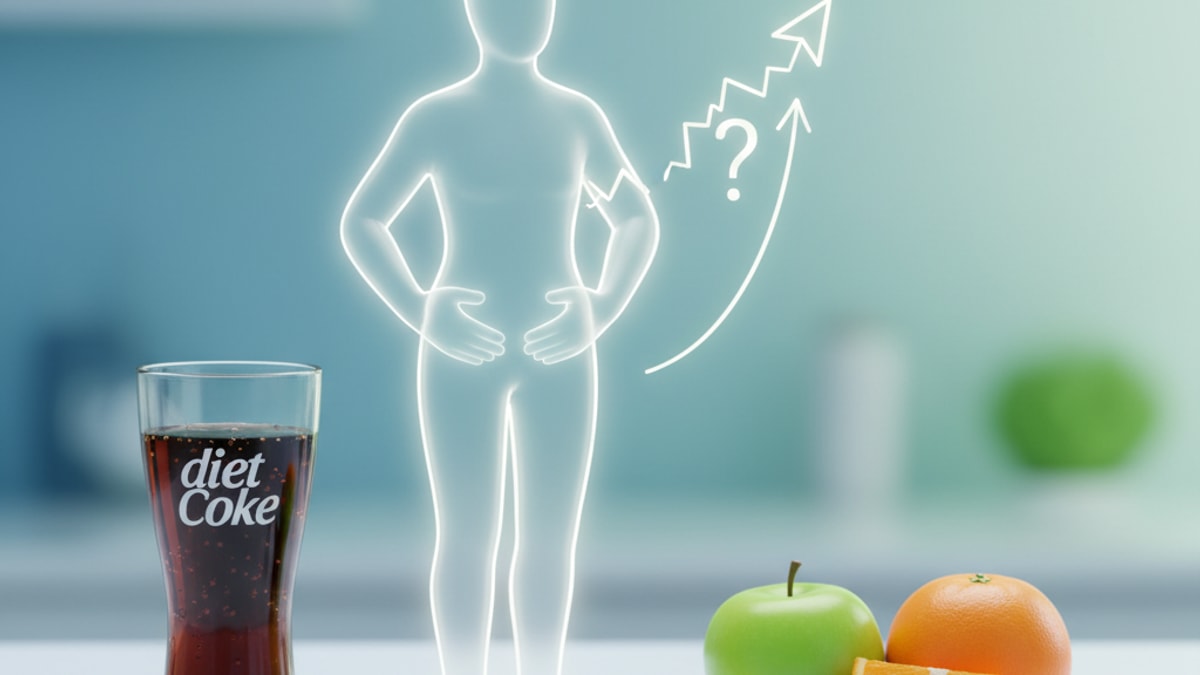
It’s the sound of modern dieting for so many people. That crisp psst as the tab on a silver can of Diet Coke is pulled back. It’s become a symbol, a go-to swap for its sugary counterpart, and a seemingly harmless crutch for anyone trying to shed a few pounds. The logic feels ironclad: zero sugar, zero calories, zero problem. Right?
Well, it's a bit more complicated than that. Here at TrimrX, our team works on the front lines of metabolic science every single day. We guide patients through medically-supervised weight loss journeys using advanced treatments like Semaglutide and Tirzepatide, and a huge part of our work involves dissecting the nuanced relationship between food, drink, and the body's intricate hormonal systems. And the question, "is diet coke bad for weight loss?" comes up constantly. The answer isn't a simple yes or no. It's a sprawling, fascinating look into how your brain, gut, and hormones react to the promise of sweetness without the substance.
The Zero-Calorie Promise: Too Good to Be True?
On the surface, the case for diet soda is incredibly compelling. If you're swapping a 140-calorie can of regular cola for a zero-calorie alternative, you're creating a calorie deficit. And at its most basic level, weight loss is a game of energy balance—calories in versus calories out. From that perspective, making the switch is a clear win. It feels like a free pass, a way to indulge a sweet craving without consequence.
This is where most of the analysis stops. But it's where our analysis begins.
The 'magic' behind diet drinks comes from high-intensity artificial sweeteners. The most common ones you'll find in that can of Diet Coke are aspartame and acesulfame potassium (sometimes called Ace-K). These compounds are hundreds of times sweeter than regular sugar, so only a minuscule amount is needed. More importantly, your body doesn't metabolize them for energy in the same way it does sugar. They pass through your system largely undigested, contributing no calories to your daily intake. It's a brilliant piece of food science, no doubt.
But your body isn't a simple calculator. It's a complex, adaptive biological system that has evolved over millennia to associate sweetness with a specific outcome: an incoming source of energy. When that expectation is repeatedly violated, things can start to get a little… weird. This is the crux of the issue. We've found that focusing solely on the calorie count misses the much bigger, more important metabolic story.
It’s a story about signals, expectations, and biological responses. And that story starts in the brain.
Artificial Sweeteners and Your Brain: The Craving Conundrum
Let’s be honest, this is crucial. When you taste something sweet, a powerful signal is sent to your brain's reward center. Your brain says, "Ah, sweetness! Energy is on the way!" It's a deeply ingrained evolutionary response designed to make us seek out energy-rich foods like fruit. It releases dopamine, the feel-good neurotransmitter, making the experience pleasurable and encouraging you to do it again.
Here’s the problem with diet soda. Your taste buds signal sweetness, the dopamine is released, but the expected calories never arrive. Your brain, which is incredibly good at learning patterns, starts to notice this disconnect. The link between 'sweet' and 'energy' begins to weaken. Some research suggests this can have a couple of problematic downstream effects. First, it might make you crave more sweetness to get the same satisfying reward. Your brain is essentially chasing a high that the artificial sweetener can't fully provide.
Second, and we've seen this anecdotally with many of our patients, it can make naturally sweet foods, like fruit, seem less satisfying. Your palate becomes accustomed to the intense, concentrated sweetness of artificial compounds, and the subtle, complex sweetness of a strawberry or a peach just doesn't hit the same way. This can subtly shift your food preferences towards more intensely sweet, and often less nutritious, options.
Our professional observation is that this creates a difficult, often moving-target objective for weight loss. You're fighting not just hunger, but a neurologically-driven craving for intense sweetness. Many patients who successfully eliminate diet sodas report a significant, sometimes dramatic shift in their cravings after a few weeks. They often tell us, "I don't even miss it, and now I actually taste my food." That's not a coincidence. It's the brain recalibrating its reward system. Simple, right?
The Insulin and Gut Microbiome Debate
Now, this is where it gets interesting and a bit more technical. The impact of diet soda extends beyond the brain and into the very core of your metabolic machinery: your hormonal responses and your gut health.
First, let's talk about insulin. Insulin is a hormone produced by your pancreas, and its primary job is to help your cells absorb glucose (sugar) from your bloodstream for energy. When you eat carbohydrates, your blood sugar rises, and insulin is released to manage it. It's a critical process. However, insulin is also a fat-storage hormone. When insulin levels are chronically high, it makes it much, much harder for your body to burn stored fat.
There's a phenomenon called the Cephalic Phase Insulin Response (CPIR). This is where your body can release a small amount of insulin in anticipation of eating, triggered simply by the sight, smell, or taste of food. Some studies suggest that the intense sweetness of artificial sweeteners can trigger this CPIR. Your brain tastes sweetness and tells the pancreas, "Get ready, sugar is coming!" So, the pancreas releases a bit of insulin. But then… no sugar arrives. Now you have insulin floating around in your bloodstream with no job to do. Repeatedly triggering this response without the corresponding glucose could, over the long term, contribute to insulin resistance—a condition where your cells become less responsive to insulin's signals. This is a formidable precursor to type 2 diabetes and makes weight loss exceptionally difficult.
We can't stress this enough: the research on this is still evolving, with some studies showing a clear effect and others showing a minimal one. But from a metabolic health perspective, anything that potentially disrupts your body's finely tuned insulin signaling system is worth paying close attention to. It's a risk we advise our patients to consider carefully, especially when they're investing in a comprehensive metabolic reset with treatments like Semaglutide.
Then there's the gut microbiome. Your gut is home to trillions of bacteria, and this ecosystem plays a staggering role in everything from your immune system to your mood and, critically, your metabolism. A healthy, diverse gut microbiome is essential for optimal health and weight management.
Emerging research has shown that non-caloric artificial sweeteners like aspartame and sucralose can alter the composition and function of the gut microbiome. They can decrease the population of beneficial bacteria and increase the population of not-so-beneficial ones. This imbalance, known as dysbiosis, has been linked in some studies to impaired glucose tolerance and a higher propensity for weight gain. Essentially, by changing your gut bacteria, you might be inadvertently altering how your body processes energy and regulates weight. It's a quiet, invisible process that can have profound effects. We believe that a healthy gut is a critical, non-negotiable element of sustainable weight loss, which is why we look beyond simple calorie counting.
Diet Soda vs. Other Drinks: A Realistic Comparison
To put all of this into context, it's helpful to see where diet soda stands in the grand scheme of beverage choices. Is it better than a full-sugar soda? Absolutely. Is it the best choice for your health and weight loss goals? Almost certainly not.
Here’s what we’ve learned. Viewing choices in a hierarchy can be incredibly useful. It's not about perfection; it's about making progressively better choices. Here's a simple breakdown:
| Drink | Calories (12 oz) | Sugar (grams) | Artificial Sweeteners | Potential Impact on Weight Loss |
|---|---|---|---|---|
| Regular Coke | ~140 | ~39g | No | Negative. High in empty calories and sugar, spikes insulin, promotes fat storage. |
| Diet Coke | 0 | 0g | Yes (Aspartame, etc.) | Mixed. No calories, but may increase cravings, disrupt gut health, and potentially affect insulin sensitivity. |
| Black Coffee | ~2 | 0g | No | Positive. Can boost metabolism and suppress appetite. Rich in antioxidants. |
| Water | 0 | 0g | No | Optimal. Essential for metabolism, helps with satiety, zero negative metabolic effects. |
This table makes it clear. Swapping a regular Coke for a Diet Coke is a step in the right direction—a form of harm reduction. But it's not the final destination. The goal should be to move further up the chain towards drinks that actively support your metabolic health, like water, herbal tea, or black coffee.
The Psychological Weight: Habit, Identity, and Hydration
Beyond the complex biochemistry, there's a powerful psychological component to the diet soda habit that is often overlooked.
First is the concept of habit formation. For many, reaching for a diet soda at 3 p.m. isn't a conscious choice; it's a deeply ingrained ritual. It's the pick-me-up, the treat, the punctuation mark in the day. Breaking that habit loop is a real challenge. The physical can, the sound, the fizz—it's a multi-sensory experience that provides comfort and routine. Acknowledging this is the first step to changing it.
Then there's what some psychologists call the "health halo" or "permission" effect. Because diet soda is perceived as 'free' in terms of calories, it can subconsciously give you permission to make less healthy choices elsewhere. The thinking goes, "I was good and had a diet soda instead of a regular one, so I can definitely have that extra-large side of fries." It's a mental accounting trick that can easily backfire, leading to a net increase in calorie consumption. We've seen it work against people time and time again.
And another consideration: hydration. This is a big one. Are your daily diet sodas displacing water? Proper hydration is absolutely fundamental for weight loss. Your metabolism runs on water. Dehydration can slow it down, cause fatigue (which can lead to poor food choices), and is often mistaken for hunger. If you're drinking several cans of diet soda a day, you're likely not drinking enough water. We mean this sincerely: it's one of the simplest and most effective changes you can make.
So, What's the TrimrX Verdict on Diet Coke?
After looking at the evidence from brain chemistry, gut health, hormonal responses, and psychology, where do we land? Is diet coke bad for weight loss?
Our professional verdict is this: while an occasional diet soda is unlikely to catastrophically derail your weight loss efforts, a consistent, daily habit could be a significant obstacle to achieving optimal, sustainable results. It's not the calories that are the problem; it's the cascade of subtle, potentially negative signals it sends throughout your body.
It creates a state of metabolic confusion, can perpetuate a craving for intense sweetness, and might disrupt the delicate ecosystem in your gut. For individuals on a medically-supervised weight loss journey, like the GLP-1 programs we offer at TrimrX, the goal is a complete metabolic reset. We're using powerful medications like Semaglutide and Tirzepatide to recalibrate your body's relationship with food, hunger, and satiety. Supporting that process means making choices that promote clarity, not confusion. That's the key.
If you're tired of the cycle of guessing games and ready to address your weight on a fundamental, biological level, maybe it's time to see what a medically-guided approach can do. You can Take Quiz on our site to see if you're a candidate. Our programs are designed to cut through the noise and provide a clear path forward.
Practical Steps to Reduce or Replace Diet Soda
Okay, so you're convinced it might be time to cut back. How do you actually do it without feeling deprived? Here's what we recommend to our patients:
- Don't Go Cold Turkey (Unless You Want To): For many, tapering is more sustainable. If you drink three a day, cut back to two for a week, then one. This gives your body and brain time to adjust.
- Find a Bubbly Replacement: Often, it's the carbonation and the ritual people miss most. Invest in high-quality sparkling water. Add a squeeze of fresh lime, lemon, or even a few muddled berries and mint. It's refreshing and hydrating.
- Brew Your Own Iced Tea: Brew a large pitcher of unsweetened green, black, or herbal tea. Keep it chilled in the fridge. It gives you a flavorful, calorie-free option to reach for.
- Embrace the Reset: Think of this as an opportunity to re-sensitize your palate. After a couple of weeks without intense artificial sweeteners, you'll be amazed at how sweet a simple apple tastes. It's a truly rewarding experience.
- Focus on Hydration: Set a clear water goal for the day. Use a dedicated water bottle to track your intake. Often, when you feel that craving for a soda, what your body really needs is water.
Making this change is a powerful statement. It's a choice to nourish your body with things that support its natural function, rather than trying to trick it. If you're ready to make that kind of foundational change across the board, we're here to help. You can Start Your Treatment Now and begin your journey toward lasting metabolic health.
The debate over diet soda isn't really about a single drink. It's a perfect case study in the evolution of our understanding of weight loss. We've moved beyond the simplistic world of calorie counting and into a much more nuanced understanding of the body's complex systems. The question is no longer just "how many calories?" but "how does this affect my hormones, my brain, my gut, and my long-term health?" Answering that question honestly is the first step toward results that don't just last, but fundamentally change your life for the better.
Frequently Asked Questions
Will one diet coke a day make me gain weight?
▼
Directly, no. A single diet coke contains no calories and won’t cause fat storage on its own. However, our team suggests considering the potential indirect effects, such as increased cravings for other sweet foods and possible disruption to gut health, which could complicate weight management over time.
Is Diet Coke definitely better than regular Coke for weight loss?
▼
From a pure calorie and sugar perspective, yes, absolutely. Swapping a full-sugar soda for a diet version creates an immediate calorie deficit. We view this as a harm-reduction step, but not the optimal choice for long-term metabolic health.
Do artificial sweeteners like aspartame cause cancer?
▼
Major regulatory bodies like the FDA have deemed approved artificial sweeteners safe for consumption at acceptable daily intake levels. While there has been public debate, large-scale studies have not found a consistent link between aspartame and cancer in humans.
What about other ‘zero sugar’ drinks like Coke Zero or Pepsi Max?
▼
These drinks operate on the same principle, using a blend of artificial sweeteners to achieve a zero-calorie profile. Our advice remains the same: while better than their sugary counterparts, they may still trigger the same issues with cravings and metabolic signaling.
How does diet soda affect someone on Semaglutide (Ozempic/Wegovy)?
▼
GLP-1 medications like Semaglutide work to regulate appetite and insulin. We advise our patients to avoid things that can send confusing signals to the body. Since diet soda can potentially affect insulin sensitivity and cravings, it may be counterproductive to the goals of the treatment.
Can I drink diet soda while on a TrimrX program?
▼
While we don’t enforce rigid prohibitions, our medical team strongly encourages patients to minimize or eliminate diet soda. The goal of our program is a full metabolic reset, and we recommend prioritizing beverages like water and unsweetened tea that fully support that process.
Will quitting diet soda help me lose weight faster?
▼
It might, but not because of the calories. Many people find that when they quit diet soda, their cravings for sugar and processed foods decrease significantly. This can make it much easier to stick to a healthy eating plan, leading to more consistent weight loss.
Are ‘natural’ zero-calorie sweeteners like stevia or monk fruit better?
▼
Stevia and monk fruit are often considered better alternatives as they are plant-derived. However, they are still intense sweeteners that can perpetuate a craving for sweetness. We see them as a better choice than aspartame, but still recommend using them in moderation.
Does the caffeine in Diet Coke help with weight loss?
▼
Caffeine can provide a minor, temporary boost to metabolism. However, the amount in a can of Diet Coke (around 46mg) is less than a cup of coffee. The potential negative effects of the artificial sweeteners likely outweigh the small metabolic benefit from the caffeine.
What’s the best fizzy alternative to diet soda?
▼
Our team’s top recommendation is plain or flavored sparkling water (with no added sweeteners). It provides the carbonation many people crave without any of the metabolically disruptive ingredients. A squeeze of fresh lemon, lime, or a few muddled berries can add great flavor.
Why do I crave Diet Coke so much?
▼
Craving for diet soda is often a combination of factors. It can be the psychological comfort of the habit, a craving for the intense sweetness, and a physical dependence on the caffeine. Breaking the cycle involves addressing all three of these components.

Transforming Lives, One Step at a Time
Keep reading
Is Bupropion an SSRI or a Different Antidepressant?
A lot of people ask the same question at some point: is bupropion an SSRI? It usually comes up after hearing about medications like…

Do You Need a Prescription for GLP-1s? The 2026 Answer
Wondering ‘do you need a prescription for glp 1’ in 2026? Yes. We explain why a doctor’s oversight is critical for safe, effective results.

How to Get GLP-1 Covered By Insurance: Our 2026 Playbook
Struggling with how to get glp-1 covered by insurance? Our 2026 guide breaks down prior authorizations, appeals, and documentation.


