Is Frozen Yogurt Healthy for Weight Loss? A 2026 Reality Check
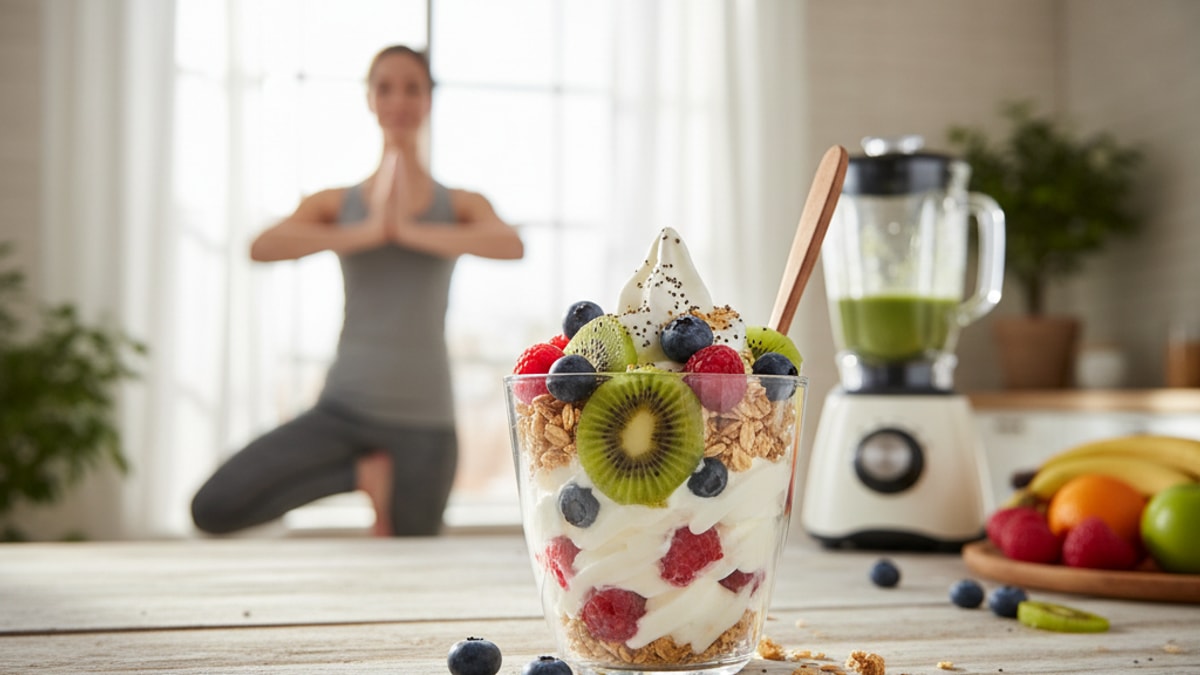
Remember the frozen yogurt craze? It swept through seemingly every town center a decade or so ago, positioning itself as the guilt-free alternative to ice cream. The promise was simple: all the creamy, sweet satisfaction with none of the dietary baggage. Shops with bright colors and a dizzying array of self-serve machines popped up everywhere. It felt like a revolution for the health-conscious dessert lover.
Fast forward to 2026, and while the initial frenzy has cooled, the perception of frozen yogurt as a 'healthy' choice stubbornly remains. It’s the go-to treat for someone trying to be 'good.' But is it actually helping you on your weight loss journey? That's the real question. Here at TrimrX, our team works every day with individuals on medically-supervised weight loss programs, and we've seen firsthand how seemingly innocent food choices can sabotage incredible progress. We're not here to demonize dessert. We’re here to give you the unflinching truth, so you can make empowered decisions that align with your goals.
The Health Halo: Deconstructing the Myth
Let's be direct. The idea that frozen yogurt is inherently healthy is a masterful piece of marketing. It’s built on a few key pillars: it’s 'low-fat' or 'non-fat,' and it often contains probiotics, the beneficial bacteria associated with gut health. Both of these points are technically true, but they paint a dangerously incomplete picture.
First, the fat. When you remove fat from a product, you often remove a significant source of its flavor and satisfying texture. What do food manufacturers do to compensate? They often pump it full of sugar. Fructose, corn syrup, cane sugar—it comes in many forms, but the metabolic effect is largely the same. Your body gets a rapid spike in blood sugar, followed by a crash that can leave you feeling hungry and craving more sugar just a short while later. This cycle is the absolute enemy of sustainable weight loss. It’s a vicious loop that undermines your efforts to maintain a calorie deficit.
And what about those probiotics? Yes, frozen yogurt can contain live and active cultures, similar to regular yogurt. These can be beneficial for your digestive system. However, the amount and viability of these cultures can vary wildly between brands. More importantly, the potential benefit of a few billion CFUs of bacteria is completely negated if they’re delivered in a high-sugar, high-calorie medium. You can get a much more potent and healthier dose of probiotics from a simple, unsweetened Greek yogurt or a dedicated supplement, without the accompanying sugar bomb. The probiotic claim is often just a distraction from the real nutritional story.
Calories and Sugar: The Numbers Don't Lie
This is where the rubber meets the road. A plain, 'tart' flavor of non-fat frozen yogurt isn't a terrible starting point. A standard half-cup serving (and let's be honest, who actually sticks to that?) might contain around 90-110 calories and 15-20 grams of sugar. That's not insignificant, but it might seem manageable.
The problem is twofold. First, serving sizes in the real world are often sprawling. That large cup you fill from the self-serve machine can easily hold two or three times that 'standard' serving. Suddenly, your 100-calorie snack is a 300-calorie dessert before you’ve even glanced at the toppings. Second, flavored varieties—the Cheesecake Bites, Triple Chocolate Fudge, or Birthday Cake Batter that call to us—are loaded with extra sugars and artificial flavorings, pushing those numbers even higher.
Our team has found that this lack of awareness is a critical roadblock for many. People feel they're making a responsible choice, but the numbers tell a different story. It creates a frustrating situation where you believe you're doing everything right, yet the scale refuses to budge. This is why our approach at TrimrX is so comprehensive. It's not just about providing access to powerful GLP-1 medications like Semaglutide; it's about re-educating your brain on nutrition. Understanding the why behind your food choices is a non-negotiable element of long-term success.
The Topping Bar: A Minefield of Hidden Calories
If the frozen yogurt itself is the setup, the topping bar is the punchline. This is where a moderately okay choice becomes a catastrophic misstep for your goals.
It’s a buffet of temptation designed to make you fail. Let’s break it down:
- The 'Healthy' Deceptions: Granola sounds healthy, right? It's oats! But most commercial granola is packed with sugar and oil, making it incredibly calorie-dense. A small scoop can add over 100 calories. Dried fruit is another trap; it's concentrated sugar. Nuts are healthy in moderation, but a heavy-handed scoop can add another 150-200 calories in fat.
- The Sugary Suspects: This is the obvious danger zone. Gummy bears, chocolate chips, crushed cookies, candy pieces, sprinkles. Each spoonful is almost pure sugar and fat. A scoop of cookie dough bits alone can add 100-150 calories.
- The Syrups and Sauces: Hot fudge, caramel sauce, peanut butter sauce, marshmallow creme. These are liquid sugar and fat. A single pump can add 70-120 calories. Drizzle two or three, and you've added the caloric equivalent of a candy bar to your 'healthy' snack.
We've seen it time and time again. A person starts with a 150-calorie base of tart froyo. They add some granola for 'crunch,' a few mochi for fun, a sprinkle of chocolate chips, and a drizzle of caramel. Their 'light' dessert is now a 600-calorie sugar bomb. That's the caloric load of a decent-sized meal, but without any of the protein or fiber that would actually keep you full.
It's a trap. A delicious, sugary trap.
How Frozen Yogurt Stacks Up: A 2026 Dessert Showdown
To put this all in context, let's see how frozen yogurt compares to other common frozen treats. Context is everything when you're making choices on a weight loss journey.
| Dessert (1/2 cup serving) | Typical Calories | Typical Sugar (g) | Typical Fat (g) | Key Considerations |
|---|---|---|---|---|
| Plain Non-Fat Froyo | 90-110 | 15-20 | 0 | The base can be low-cal, but it's a blank canvas for high-sugar toppings. Lacks satiety. |
| Premium Ice Cream | 250-350 | 20-30 | 15-25 | Higher in fat and calories, but the fat can provide more satiety, potentially preventing overeating. |
| Sorbet | 120-150 | 25-35 | 0 | Often perceived as healthier because it's dairy-free, but it's typically just fruit puree and sugar. Very high sugar content. |
| Gelato | 170-220 | 18-25 | 4-9 | Denser and served in smaller portions. Less fat than ice cream but still a significant source of sugar. |
| Plain Greek Yogurt (Frozen) | 100-130 | 6-10 | 0-5 | The best option. Naturally lower in sugar and much higher in protein, which is critical for fullness. |
What does this table tell us? It reveals that frozen yogurt's main advantage is its low fat content. But in the grand scheme of weight management in 2026, we understand that protein and satiety are far more important metrics for success than just fat grams. A small serving of premium ice cream, while higher in calories, might actually be more satisfying and prevent you from seeking out another snack an hour later. The real winner here, if you're making it at home or can find it commercially, is frozen Greek yogurt. It delivers the creamy texture with a powerful punch of protein.
Making Smarter Choices Without Deprivation
So, does this mean you have to banish frozen yogurt from your life forever? Not necessarily. Our philosophy at TrimrX isn't about extreme restriction; it's about building a sustainable, healthy relationship with food. Deprivation often leads to bingeing, which is counterproductive.
If you want to incorporate frozen yogurt into your plan, you need a strategy. Here's what we recommend:
- Go Plain and Go Small: Always opt for the smallest size cup available. Choose a 'plain' or 'tart' flavor, as these almost always have the lowest sugar content. This is your foundation.
- Prioritize Protein: Before you even think about toppings, ask yourself if you've had enough protein today. Protein is the key to feeling full and satisfied. If you're on a GLP-1 medication program, you already know how crucial protein intake is for maintaining muscle mass during weight loss. A scoop of froyo doesn't contribute much here.
- Toppings: The One-Item Rule: This is a crucial guideline we give our patients. If you're going to get toppings, choose ONE. Not one from each category. Just one. And make it count. Fresh fruit, like berries or sliced kiwi, is your best bet. They add natural sweetness and a bit of fiber. If you absolutely need something richer, a small sprinkle of chopped nuts is a better choice than candy.
- Think of It as a Meal, Not a Snack: If you're going to have a medium-sized frozen yogurt with a couple of toppings, you must account for it. That isn't a light snack; it's a 400-500 calorie indulgence. Plan for it. Maybe you have it in place of a meal, or you ensure you've had a lighter lunch and have a workout planned. You can't treat it as a casual, throwaway addition to your day.
This kind of mindful decision-making is exactly what leads to lasting results. It's about being honest with yourself about what you're consuming. It's not about 'good' foods or 'bad' foods; it's about understanding the nutritional cost of your choices.
The TrimrX Perspective: Nutrition as a Pillar of Success
Now, this is where it gets interesting. For many people, simply having this knowledge isn't enough. The biological urge to seek out sugar and high-calorie foods can be a formidable, relentless force. You can know that the cookie dough topping is a bad idea, but in the moment, cravings and old habits take over. That's not a failure of willpower; it's a battle against your own biochemistry.
This is why medically-supervised programs are becoming the standard of care for significant weight loss in 2026. FDA-registered GLP-1 medications like Semaglutide and Tirzepatide work by fundamentally changing your relationship with food on a biological level. They slow digestion, which helps you feel physically fuller for longer. But more profoundly, they work on the reward centers in your brain, quieting the constant 'food noise' and reducing the intensity of cravings.
Our patients often describe it as a superpower. Suddenly, they can walk past the topping bar and not feel an irresistible pull. They can have a few bites of a treat, feel satisfied, and stop. The medication provides the biological support system that allows them to consistently implement the smart nutritional strategies we've been discussing. It creates the space for new, healthier habits to form and take root.
So, is frozen yogurt healthy for weight loss? The answer is nuanced. On its own, in a small, controlled portion with the right topping (or no topping), it can be a lower-calorie way to satisfy a craving for a sweet, cold treat. But in the way it's most often consumed—in large quantities with a mountain of sugary additions—it is absolutely detrimental to weight loss.
Your success hinges not on finding the perfect 'healthy' dessert, but on building a holistic plan that addresses both your nutritional choices and the underlying biology of hunger and cravings. It’s about creating a system where a small, planned treat can be a joyful part of your life, not a guilt-ridden setback. If you're tired of the cycle and ready to address the root causes of weight gain, it might be time to see how a medical approach can change the game. We encourage you to explore our program and see if it's the right fit. You can Start Your Treatment Now and begin building a truly sustainable path forward.
Ultimately, knowledge is your best tool. Knowing that the 'health halo' is mostly an illusion allows you to approach the froyo shop with your eyes wide open. You're in control, not the marketing. And that control is the foundation of every successful weight loss story we've been a part of.
Frequently Asked Questions
Is sugar-free frozen yogurt a better option for weight loss?
▼
Not always. ‘Sugar-free’ options often use sugar alcohols, which can cause digestive issues for some people. They can also contain artificial sweeteners that may impact cravings. We recommend focusing on portion control with a plain, tart variety instead.
How many calories are in a typical serving of frozen yogurt with toppings?
▼
It varies dramatically, but it’s often much more than people think. A medium cup (around 12 oz) with a few toppings like candy and sauce can easily exceed 500-700 calories, which is the equivalent of a full meal.
Does the ‘tart’ flavor of frozen yogurt have less sugar?
▼
Yes, generally the original ‘tart’ or ‘plain’ flavors have the least amount of added sugar compared to flavored options like cake batter or chocolate. This makes them a better foundational choice if you’re watching your sugar intake.
Are the probiotics in frozen yogurt actually effective?
▼
While they do contain beneficial bacteria, the high sugar content can counteract some of the gut health benefits. For a more effective probiotic source without the sugar, our team suggests plain Greek yogurt or a dedicated supplement.
Is frozen yogurt better than ice cream for weight loss?
▼
It’s complicated. Froyo is lower in fat, but often higher in sugar and less satisfying. A small, controlled portion of full-fat ice cream might keep you fuller for longer, preventing subsequent snacking. Neither is ‘good,’ but both can be managed.
Can I eat frozen yogurt while on a GLP-1 medication like Semaglutide?
▼
Yes, you can. GLP-1s help manage cravings, making it easier to choose a small portion and avoid unhealthy toppings. The key is to see it as a deliberate treat, not a health food, and account for it in your daily nutritional goals.
What is the healthiest topping to put on frozen yogurt?
▼
Without a doubt, fresh fruit is the best choice. Berries, kiwi, or mango add natural sweetness, vitamins, and a small amount of fiber. If you need crunch, a small sprinkle of almonds or walnuts is the next best option.
How does frozen yogurt affect blood sugar?
▼
Due to its sugar content, frozen yogurt can cause a significant spike in blood sugar, especially the sweeter flavors and those with sugary toppings. This can lead to an energy crash and renewed cravings shortly after.
Is it okay to eat frozen yogurt after a workout?
▼
We generally don’t recommend it. After a workout, your body needs protein and complex carbohydrates to repair muscle and replenish glycogen. Frozen yogurt is mostly simple sugar and lacks the protein needed for effective recovery.
What’s a better alternative to a frozen yogurt shop?
▼
Our team’s top recommendation is a high-protein Greek yogurt bowl at home. You can mix in protein powder, top it with fresh berries and a few nuts, and even freeze it for 30 minutes for a similar texture with far superior nutritional value.
Why do I still feel hungry after eating a large frozen yogurt?
▼
This is because frozen yogurt lacks two key components for satiety: protein and fiber. The high sugar content provides quick energy but doesn’t trigger the hormones that tell your brain you’re full, leading to persistent hunger.
Can frozen yogurt be part of a balanced diet in 2026?
▼
Yes, but with a major caveat. It must be treated as a deliberate, infrequent indulgence, not a health food. A small, planned serving can fit, but regular consumption of large, topping-heavy portions will hinder most health and weight loss goals.

Transforming Lives, One Step at a Time
Keep reading

Do You Need a Prescription for GLP-1s? The 2026 Answer
Wondering ‘do you need a prescription for glp 1’ in 2026? Yes. We explain why a doctor’s oversight is critical for safe, effective results.

How to Get GLP-1 Covered By Insurance: Our 2026 Playbook
Struggling with how to get glp-1 covered by insurance? Our 2026 guide breaks down prior authorizations, appeals, and documentation.

Traveling with GLP-1s in 2026: Your Essential Trip-Proof Plan
Don’t let travel disrupt your GLP-1 treatment. Learn how to travel with glp 1 medications safely and stress-free in our 2026 expert guide.


