Is Fruit Good for Weight Loss? The Unfiltered Truth
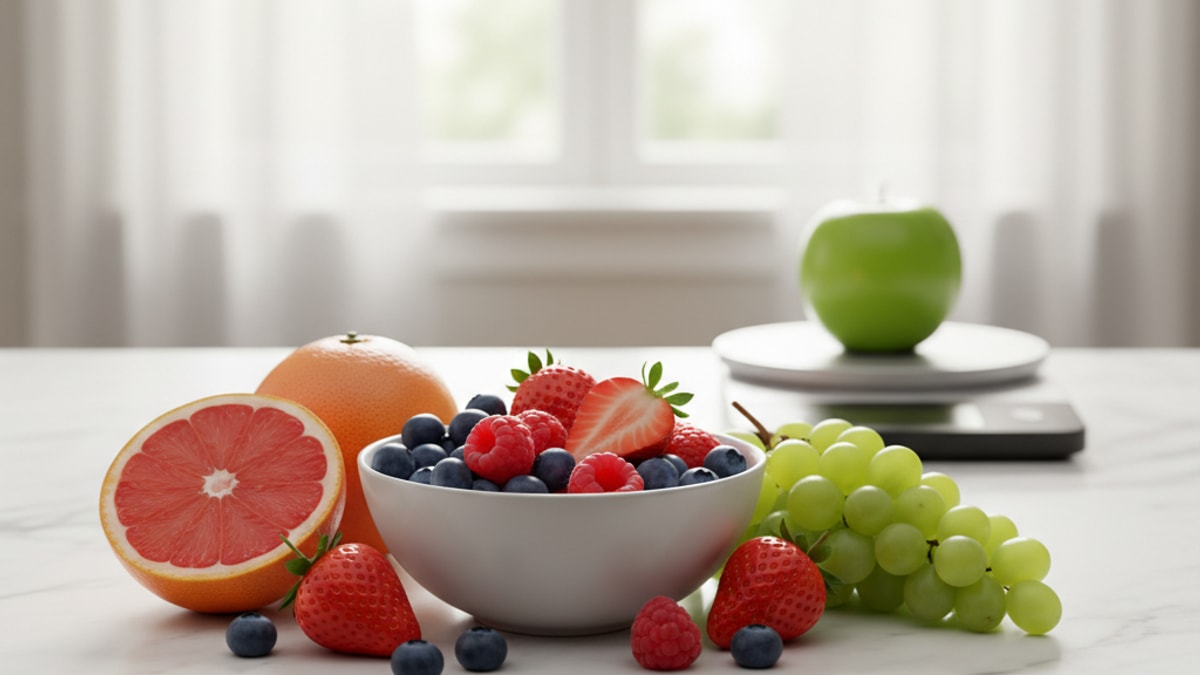
It’s a question we hear all the time in our practice. You’re committed to losing weight, you’re reading labels, you’re avoiding processed junk… and then you get to the produce aisle. Suddenly, that bright, beautiful display of fruit feels like a trap. You've heard the whispers: 'Fruit is full of sugar.' 'It'll stop your weight loss cold.' It's confusing, and honestly, it’s frustrating.
Let’s clear the air right now. The simple answer is yes, fruit can absolutely be a powerful ally in your weight loss journey. But the real, meaningful answer is far more nuanced. It’s not about demonizing a natural food group; it’s about understanding how it works with your body's biology. Here at TrimrX, our entire approach is built on medical science and sustainable results, which means looking beyond the headlines and getting to the core of what drives effective weight management. And that includes understanding the role of whole foods like fruit.
The Big Question: Is Fruit a Friend or Foe for Weight Loss?
So, is fruit good for weight loss? The short answer is an emphatic yes. The long answer requires us to unpack the 'sugar' debate. We’ve seen countless clients come to us paralyzed by the fear of sugar in any form, lumping a crisp apple into the same category as a can of soda. This is a catastrophic mistake.
It's not the same. Not even close.
The context in which you consume sugar matters immensely. The sugar found in fruit comes packaged with a host of other critical nutrients that completely change how your body processes it. Think of it like this: the sugar in a candy bar is like a solo artist showing up to a party uninvited—it causes a scene (a blood sugar spike) and leaves a mess (a subsequent crash). The sugar in a piece of fruit, however, shows up with its entire entourage: fiber, water, vitamins, antioxidants, and minerals. This team manages the party, ensuring a slow, controlled release of energy. Our experience shows that people who successfully incorporate fruit into their diet feel more satisfied and are less likely to binge on high-calorie, low-nutrient foods. That’s the key difference.
Understanding Sugar in Fruit: Fructose vs. Added Sugars
Let's get a little technical, because understanding this is crucial. The primary sugar in fruit is fructose. Yes, high-fructose corn syrup has given fructose a bad name, but the source is everything. When you consume fructose from a whole fruit, you’re also consuming fiber. This is the non-negotiable element.
Fiber slows down the absorption of sugar into your bloodstream. This prevents the dramatic insulin spikes that are so damaging to metabolic health and so prohibitive to weight loss. An insulin spike essentially tells your body to stop burning fat and start storing it. It’s a biological switch. Whole fruit, with its fibrous structure, helps keep that switch in the 'fat-burning' position for longer. Processed foods and sugary drinks, on the other hand, flip it to 'fat-storing' almost instantly. It’s a simple, unflinching metabolic reality.
We've found that when our patients on medically-supervised plans—including those using advanced GLP-1 medications like Semaglutide and Tirzepatide—focus on whole foods, their results are amplified. The medications work to regulate appetite and blood sugar on a hormonal level, and a diet rich in high-fiber foods like fruit and vegetables provides the perfect nutritional framework to support that biological shift. They work in tandem. You can’t expect a powerful medication to do all the heavy lifting while fueling your body with the wrong things. It just doesn't work that way.
The Real Heroes: Fiber and Water Content
Beyond just slowing sugar absorption, the fiber and water in fruit are critical for weight loss for another reason: satiety. They make you feel full.
Think about it. How many calories are in a medium apple? About 95. Now, how many calories are in a small handful of gummy candies? Also about 95. Which one do you think will keep you fuller for longer? Which one provides hydration, vitamins, and helps with digestion? It's not a trick question. The apple wins, every single time. Its bulk, created by water and fiber, physically takes up space in your stomach and sends signals to your brain that you are full and satisfied. This is a huge advantage when you're managing a calorie deficit for weight loss. It's the difference between feeling deprived and feeling nourished.
Our team can't stress this enough: feeling full and satisfied is one of the most underrated components of a successful weight loss plan. A journey marked by constant, gnawing hunger is a journey that’s doomed to fail. We've seen it happen. By strategically incorporating high-volume, low-calorie foods like berries, melons, and citrus fruits, you can eat satisfying portions without derailing your progress. It’s a smarter, more sustainable approach.
Not All Fruits Are Created Equal: A Practical Guide
Now, this is where the nuance really comes in. While virtually any whole fruit is better than a processed snack, some are more beneficial for weight loss than others, primarily due to their fiber-to-sugar ratio and glycemic index (a measure of how quickly a food raises blood sugar).
Here’s a practical breakdown our team often shares with clients to help them make strategic choices. This isn't about 'good' vs. 'bad' fruit; it's about 'eat more often' vs. 'enjoy in moderation'.
| Fruit Category | Examples | Glycemic Impact | Best For Weight Loss? | Our Professional Observation |
|---|---|---|---|---|
| Low-Sugar, High-Fiber All-Stars | Berries (raspberries, blackberries, strawberries), Avocado, Lemon/Lime | Very Low | Excellent | These should be your go-to fruits. They are packed with antioxidants and have a minimal impact on blood sugar. Perfect for daily consumption. |
| High-Water Content Heroes | Watermelon, Cantaloupe, Honeydew, Peaches, Oranges | Low to Moderate | Very Good | Exceptionally hydrating and low in calorie density. Great for curbing a sweet tooth and boosting fullness, especially in warmer months. |
| Fibrous & Filling Staples | Apples, Pears, Plums, Kiwi | Moderate | Good | A fantastic source of soluble and insoluble fiber. The crunch factor also adds to satisfaction. Portion control is a bit more important here. |
| Tropical & Higher-Sugar Options | Pineapple, Mango, Banana, Grapes | Moderate to High | Use Strategically | These are nutrient-dense but also more sugar-dense. We recommend pairing them with a protein source (like Greek yogurt) or consuming them around workouts. |
| Dried Fruits & Juices | Raisins, Dates, Prunes, Apple Juice, Orange Juice | Very High | Avoid or Limit Severely | This is the danger zone. The water has been removed, concentrating the sugar and calories. It's incredibly easy to over-consume. We almost always advise clients to eat their fruit, not drink it. |
This table isn't meant to be a rigid set of rules. It’s a framework. If you love bananas, have a banana! Just be mindful of the portion and maybe don’t have three a day if your primary goal is rapid fat loss. Context is everything.
How Much Fruit is Too Much? Finding Your Sweet Spot
This is the million-dollar question, and the honest answer is: it depends. It depends on your total daily calorie needs, your activity level, your metabolic health, and the types of fruit you’re choosing. A highly active person can accommodate more fruit (and carbohydrates in general) than someone who is sedentary.
A great starting point for most people on a weight loss journey is two to three servings of whole fruit per day. What’s a serving? Think one medium apple, a cup of berries, or half a large banana. We recommend prioritizing those 'All-Star' and 'High-Water' options from the table above.
But this is where personalized guidance becomes so important. A generic recommendation might not be right for you. For instance, individuals with insulin resistance or type 2 diabetes may need to be more careful with higher-sugar fruits. This is precisely why a medically-supervised program is so effective. It’s not just about getting a prescription; it's about having a clinical team that understands your unique biology and can tailor nutritional advice to your specific needs. Our team at TrimrX works with you to create a plan that fits your body and your life, taking the guesswork out of the equation. If you're unsure where to start, you can always Take Quiz to see if our approach is a good fit for you.
Integrating Fruit into a Medically-Supervised Weight Loss Plan
Let’s talk about the bigger picture. If you’re considering a program like ours, which utilizes powerful GLP-1 medications, your nutritional strategy becomes even more critical. These treatments are formidable tools for resetting your body's metabolic and appetite-regulating systems. They help you feel fuller faster and stay full longer. This creates a golden opportunity.
Suddenly, choosing the apple over the candy bar isn’t a battle of willpower anymore. It's an easier, more natural choice because the intense, food-seeking cravings are quieted. This is the moment to build lasting habits. By focusing on nutrient-dense foods like fruit, you’re giving your body the high-quality fuel it needs to thrive while the medication helps to manage the underlying biology of weight gain. It's a synergistic relationship.
We guide our patients to use fruit strategically:
- As a Pre-Meal Appetizer: Eating a small apple or a bowl of berries 20-30 minutes before a meal can significantly reduce the amount of food you eat during that meal. The fiber and water start working on your satiety signals early.
- As a Healthy Dessert: Craving something sweet after dinner? A bowl of mixed berries with a dollop of Greek yogurt is a fantastic, guilt-free option that satisfies the craving without spiking your blood sugar.
- As a Recovery Snack: Pairing a piece of fruit (like a banana) with a protein source after a workout helps replenish glycogen stores and repair muscle tissue.
A medically-guided plan provides both the biological support (through medication) and the strategic support (through expert coaching) to make these healthy choices stick. It's a comprehensive system designed for long-term success, not a quick fix. If you're ready to see how this integrated approach can work for you, we encourage you to Start Your Treatment.
Common Pitfalls to Avoid When Eating Fruit for Weight Loss
Even with the best intentions, it's easy to go wrong. Our team has identified a few common traps that can turn this healthy food group into a source of excess sugar and calories. Be mindful of these.
- The Juice Trap: Fruit juice is not the same as whole fruit. Period. Juicing strips away the fiber, which, as we've discussed, is the most important component for managing blood sugar and satiety. What you're left with is essentially sugar water. A single glass of orange juice can contain the sugar of 4-5 oranges, and you'll likely be hungry again in an hour. Eat the orange instead.
- The Smoothie Situation: Smoothies can be healthy, but they can also be calorie bombs in disguise. A smoothie from a commercial chain can easily pack 500-700 calories and over 80 grams of sugar, thanks to added juices, sherbets, and massive portions. If you make smoothies at home, control the ingredients: use a base of water or unsweetened almond milk, add one serving of fruit, a source of protein (protein powder or Greek yogurt), and a source of healthy fat (like avocado or chia seeds). This creates a balanced meal, not a sugar rush.
- The Dried Fruit Dilemma: Like juice, dried fruit is incredibly concentrated in sugar. A small box of raisins is calorically dense and easy to overeat. Because the water is gone, the satiety signal is much weaker. We generally advise clients to limit dried fruit to a very small serving, perhaps as a garnish on a salad, rather than eating it as a standalone snack.
Avoiding these pitfalls is about being a conscious consumer. It's about understanding that how a food is processed and prepared can fundamentally change its impact on your body and your weight loss efforts. It’s a simple shift in mindset, but it makes a dramatic difference.
So, where do we land? Fruit is not the enemy. On the contrary, it's a valuable, nutrient-dense, and delicious part of a healthy, sustainable weight loss plan. The fear-mongering around its sugar content is a damaging oversimplification that causes people to miss out on its immense benefits. By choosing whole fruits, prioritizing high-fiber options, and being mindful of portion sizes and preparation methods, you can harness the power of fruit to help you reach your goals. It’s about being smart, strategic, and seeing food as part of a holistic system—a philosophy that's at the very heart of what we do. It’s not just about losing weight; it’s about building a healthier relationship with food and a healthier body for life.
Frequently Asked Questions
Which fruit is best for belly fat loss?
▼
No single fruit can target belly fat. However, fruits high in fiber and low in sugar, like berries, apples, and avocados, support overall weight loss by promoting fullness and stable blood sugar, which contributes to reducing visceral fat.
Can I eat fruit at night if I’m trying to lose weight?
▼
Yes, you can. The timing of fruit consumption is less important than your total daily calorie intake. A piece of fruit is a much healthier late-night snack than processed options, as its fiber can help prevent blood sugar spikes before bed.
How many bananas a day are okay for weight loss?
▼
For most people aiming for weight loss, we recommend limiting bananas to one per day. While nutritious, they are higher in sugar and calories compared to fruits like berries. It’s about balancing their benefits with your overall energy needs.
Is watermelon good for weight loss despite being sweet?
▼
Absolutely. Watermelon is over 90% water, making it very low in calorie density. Its sweetness comes with significant hydration and nutrients, helping you feel full and satisfied on very few calories, which is excellent for weight loss.
Are grapes bad for weight loss because of their high sugar content?
▼
Grapes aren’t ‘bad,’ but portion control is crucial. They are higher in sugar and easy to overeat. We suggest measuring out a one-cup serving rather than eating directly from the bag to keep your sugar and calorie intake in check.
Does fruit cause weight gain?
▼
It’s highly unlikely for whole fruit to cause weight gain when eaten in reasonable amounts. Weight gain is caused by a consistent calorie surplus. The fiber and water in fruit make it very difficult to overeat to the point of causing weight gain.
Should I avoid fruit on a low-carb or keto diet?
▼
On a strict ketogenic diet, most fruits are avoided due to their carbohydrate content. However, very low-sugar options like raspberries, blackberries, and avocado can often be included in small quantities. On a general low-carb diet, these fruits are excellent choices.
Are canned fruits in juice a healthy option?
▼
We strongly advise against fruits canned in syrup or heavy juice, as they contain significant amounts of added sugar. If you choose canned fruit, opt for those packed in their own juice or water, and be sure to rinse them before eating.
How does eating fruit support a weight loss plan using GLP-1 medications?
▼
GLP-1 medications like Semaglutide help regulate appetite. Pairing this with high-fiber fruits enhances satiety, provides essential nutrients without excess calories, and helps establish healthy eating habits that are crucial for long-term success after treatment.
Is an all-fruit diet a good way to lose weight quickly?
▼
Our team strongly cautions against any restrictive mono-diets, including an all-fruit diet. While you might lose weight initially, it would be incredibly deficient in protein, healthy fats, and other essential nutrients, making it unsustainable and unhealthy.
What’s better for weight loss: apples or oranges?
▼
Both are great choices! Apples have a slight edge due to higher fiber content, which can increase feelings of fullness. However, oranges provide more vitamin C and hydration. We recommend including a variety of fruits in your diet.
Can the sugar in fruit stall my weight loss progress?
▼
When consumed as whole fruit in moderation (2-3 servings/day), the natural sugar is unlikely to stall progress. The accompanying fiber mitigates its impact on blood sugar. Stalls are more often caused by hidden calories in processed foods, juices, or portion distortion.

Transforming Lives, One Step at a Time
Keep reading

Do You Need a Prescription for GLP-1s? The 2026 Answer
Wondering ‘do you need a prescription for glp 1’ in 2026? Yes. We explain why a doctor’s oversight is critical for safe, effective results.

How to Get GLP-1 Covered By Insurance: Our 2026 Playbook
Struggling with how to get glp-1 covered by insurance? Our 2026 guide breaks down prior authorizations, appeals, and documentation.

Traveling with GLP-1s in 2026: Your Essential Trip-Proof Plan
Don’t let travel disrupt your GLP-1 treatment. Learn how to travel with glp 1 medications safely and stress-free in our 2026 expert guide.


