Is Gatorade Zero Good for Weight Loss? Our 2026 Expert Take
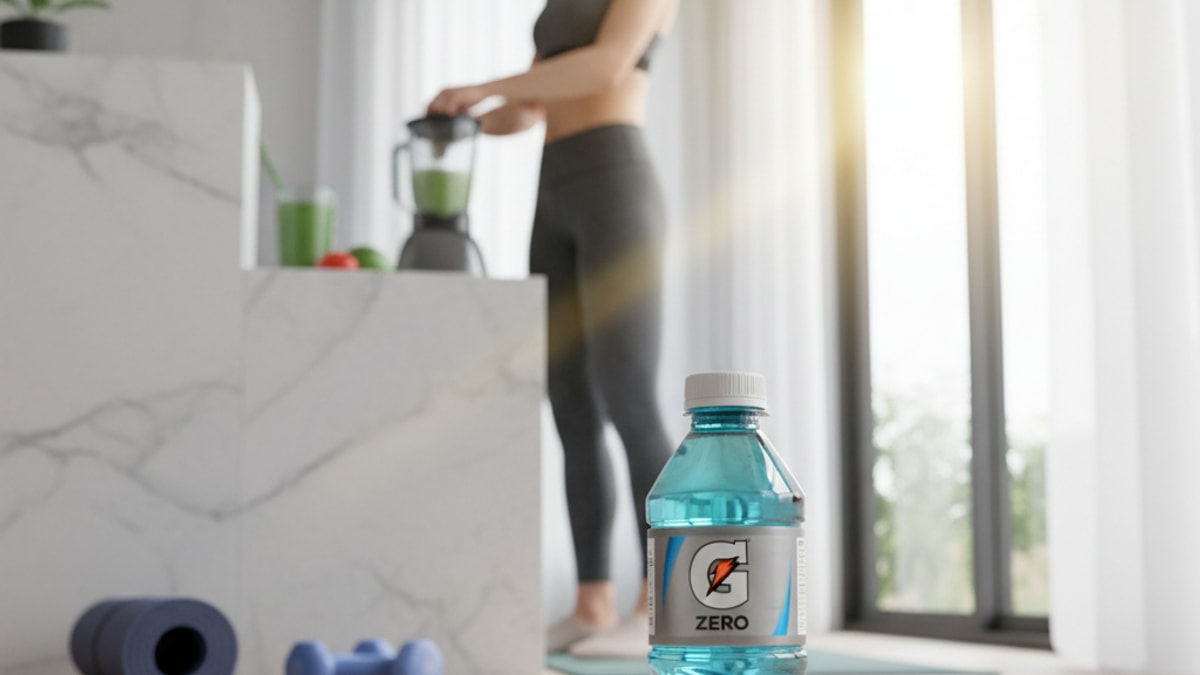
Walk through any grocery store in 2026, and you'll see it. Walls of brightly colored bottles promising hydration, electrolytes, and performance, all with that magic word emblazoned on the label: Zero. Gatorade Zero has become a staple in gym bags, work fridges, and homes across the country. The logic seems flawless—all the hydrating benefits of a sports drink with none of the sugar or calories that sabotage a weight loss plan. It feels like a perfect, guilt-free solution.
But we've learned, after guiding thousands of patients through their own transformative weight loss journeys, that the answers are rarely that simple. The question, is Gatorade Zero good for weight loss, isn't a straightforward yes or no. It's a question of context, of biology, and of a much larger strategy. Honestly, it’s a fantastic question because it gets to the heart of how we think about food, drink, and our health. So, let’s unpack this. Our team is going to give you the unvarnished truth, based on clinical experience and the latest science, about where this popular drink fits into a serious weight loss plan.
First, What Exactly Is In Gatorade Zero?
Before we can talk about its impact, we need to know what we're dealing with. It’s not magic, it’s chemistry. At its core, Gatorade Zero is designed to do what the original Gatorade did: replenish fluids and electrolytes lost through sweat. The monumental difference is how it achieves its sweet taste.
A typical bottle contains:
- Water: The primary ingredient, for hydration.
- Citric Acid: Provides tartness and acts as a preservative.
- Electrolytes: Sodium Citrate and Potassium Phosphate are the key players here. They're minerals essential for nerve function, muscle contraction, and maintaining fluid balance.
- Artificial Sweeteners: This is the critical part. To achieve that sweet flavor without sugar, it uses Sucralose (often known by the brand name Splenda) and Acesulfame Potassium. These are non-nutritive sweeteners, meaning they provide intense sweetness with virtually no calories.
- Natural Flavors & Food Dyes: To give it the specific fruit flavor and vibrant color you recognize.
The absence of sugar is the entire selling point. A standard 20 oz Gatorade can pack around 34 grams of sugar and 140 calories. For someone on a weight loss journey, that’s a significant caloric hit from a single drink. Gatorade Zero wipes that slate clean. From a pure calorie-in, calorie-out perspective, the choice is obvious. It’s a win.
But as we always tell our patients at TrimrX, sustainable weight loss is a far more nuanced biological process than simple arithmetic.
The Calorie Deficit: The Strongest Argument for Gatorade Zero
Let's give credit where it's due. The most critical, non-negotiable element of weight loss is maintaining a calorie deficit. You must burn more energy than you consume. It's the bedrock principle, and this is where Gatorade Zero can be an incredibly useful tool.
Think about it. If you're used to drinking one sugary soda, juice, or regular sports drink a day, swapping it for a zero-calorie alternative creates an immediate and effortless calorie deficit. A 150-calorie-a-day habit swapped for a 0-calorie one adds up to a 1,050-calorie deficit per week. Over a year, that's a reduction of over 54,000 calories. That is not insignificant.
This is what we call a 'harm reduction' strategy. It's a simple, effective substitution that reduces your intake of sugar and empty calories without requiring a massive behavioral change. For many people just starting their journey, these small, manageable swaps are the first stepping stones to building momentum. We've seen it work. It's a positive first step.
So, is Gatorade Zero good for creating a calorie deficit? Absolutely. Yes.
But that's not the whole story.
Beyond Calories: The Complicated Truth About Artificial Sweeteners
This is where the conversation gets interesting, and where our clinical experience really comes into play. The impact of what you consume goes far beyond its calorie count. As of 2026, the research into non-nutritive sweeteners is still evolving, but some consistent themes and concerns have emerged that we monitor closely.
First, there’s the gut microbiome. Your gut is home to trillions of bacteria that play a formidable role in everything from digestion and immunity to metabolism and even mood. A healthy, diverse gut microbiome is increasingly being linked to easier weight management. Some studies suggest that high consumption of certain artificial sweeteners, like sucralose found in Gatorade Zero, may alter the composition of these gut bacteria. While the long-term implications are still being studied, disrupting this delicate ecosystem is something we advise our patients to be mindful of.
Then there's the brain-gut connection. When your tongue tastes something intensely sweet, your brain anticipates a rush of sugar (and calories). With artificial sweeteners, that rush never comes. There's a debate in the scientific community about what this does. Does it trigger a small, anticipatory insulin release (known as the cephalic phase insulin response) that can interfere with fat burning? The evidence here is mixed and often debated.
What our team has observed more anecdotally, but consistently, is the behavioral impact. Constantly consuming intensely sweet drinks—even zero-calorie ones—can keep your palate tethered to sweetness. It can perpetuate sugar cravings rather than extinguish them. One of the goals in a sustainable weight loss program, like the ones we design around powerful medications such as Semaglutide and Tirzepatide, is to reset your body's relationship with food. We want to help you appreciate the natural sweetness of a piece of fruit, not condition your taste buds to expect the hyper-sweetness of a chemically engineered beverage. For some, Gatorade Zero can be a crutch that makes this transition more challenging.
It doesn't mean it's 'bad.' It means it’s a tool with potential downsides that need to be managed.
Hydration and Electrolytes: A Critical Piece of the Puzzle
Let’s pivot to the undeniable benefits: hydration and electrolytes. We can't stress this enough—proper hydration is a cornerstone of any effective weight loss plan.
When you're well-hydrated:
- Your metabolism functions optimally. Every single cellular process, including burning fat for energy, requires water.
- You can better manage hunger. The brain often mistakes thirst signals for hunger pangs. Staying hydrated can significantly reduce unnecessary snacking.
- Your physical performance improves. A better workout means more calories burned and more muscle built, which further stokes your metabolic engine.
This is where Gatorade Zero can shine, particularly over plain water in specific situations. If you're engaging in intense exercise for over an hour, or working out in extreme heat, you're losing more than just water through sweat. You're losing critical electrolytes like sodium and potassium. Replacing them is vital for preventing muscle cramps, dizziness, and fatigue. In these scenarios, Gatorade Zero is functionally superior to water.
This is also highly relevant for patients beginning a medically-supervised weight loss program. For instance, individuals starting on GLP-1 medications often experience significant changes in their appetite and, as a result, may not feel the same cues for thirst or hunger. Our clinical team at TrimrX places enormous emphasis on maintaining hydration and electrolyte balance during this period. A strategically placed Gatorade Zero can be a useful tool to ensure this balance is maintained, especially in the initial adjustment phase.
How Gatorade Zero Stacks Up: A 2026 Comparison
To put it all in perspective, let’s see how Gatorade Zero compares to other common hydration choices. Context is everything.
| Drink Option | Calories (per 20oz) | Sugars (g) | Key Electrolytes? | Artificial Sweeteners? | Our Team's Take |
|---|---|---|---|---|---|
| Gatorade Zero | 0 | 0g | Yes (Na, K) | Yes (Sucralose) | A great tool for replacing electrolytes after intense sweat loss without adding calories. Use strategically, not as your primary fluid. |
| Plain Water | 0 | 0g | No | No | The gold standard for daily hydration. It should be your default choice throughout the day. Absolutely essential and non-negotiable. |
| Regular Gatorade | ~140 | ~34g | Yes (Na, K) | No | Primarily for endurance athletes during prolonged, intense activity. For most people on a weight loss plan, it's a significant source of unnecessary sugar. |
| Coconut Water | ~100-120 | ~20-25g | Yes (K, some Na) | No | A natural source of potassium, but its sugar and calorie content are still considerable. Not an ideal choice for weight loss hydration. |
| Black Coffee/Tea | <5 | 0g | Minimal | No | Excellent zero-calorie options with antioxidant benefits. They can be dehydrating in very large quantities, but are fine in moderation. |
This table makes it clear: Gatorade Zero occupies a specific niche. It's not the everyday champion—that's water. And it's certainly not the sugar-laden villain that its original counterpart can be. It's a specialist.
The TrimrX Verdict: A Tool, Not a Silver Bullet
So, after all this, is Gatorade Zero good for weight loss? Here’s our definitive, professional take for 2026.
Gatorade Zero can be a helpful component of a weight loss plan when used correctly.
Let’s break down what “correctly” means from our perspective. It means using it as a strategic tool, not a dietary staple. It’s an excellent substitute for sugary drinks and an effective way to rehydrate after a grueling workout. It helps bridge the gap. But it is not a health drink, and it is not a magic weight loss elixir.
Real, lasting weight loss—the kind that transforms your health from the inside out—is about building a comprehensive system. It's about addressing your unique biology. This is the entire philosophy behind our work at TrimrX. We don't just hand our patients a prescription for a cutting-edge medication like Tirzepatide and wish them luck. That’s not healthcare. We build a complete support structure around them.
That structure involves:
- Medical Science: Using powerful, FDA-approved GLP-1 medications that work with your body’s hormones to regulate appetite and blood sugar. This tackles the biological drivers of weight gain head-on.
- Nutritional Guidance: Teaching you how to build a sustainable eating plan centered on whole foods—lean proteins, fiber-rich vegetables, healthy fats—that nourish your body and keep you satisfied.
- Behavioral Coaching: Helping you understand and modify the habits and thought patterns that have held you back. This is where we’d discuss the why behind reaching for a Gatorade Zero. Is it for hydration, or is it to satisfy a craving for sweetness? The answer dictates the strategy.
In this holistic context, a drink like Gatorade Zero becomes just one small choice among thousands. It can be a good choice in the right moment. But it’s the overall system, the consistent daily effort guided by expert support, that truly moves the needle. Focusing on whether one specific drink is 'good' or 'bad' is like focusing on a single brick instead of the architectural plan for the entire house.
If you're tired of guessing and ready to build a comprehensive plan that works for your body, this is what we do. It might be time to Start Your Treatment Now and see what a medically-supervised approach can achieve.
Ultimately, your success won't be determined by your choice of sports drink. It will be determined by your commitment to a scientifically-backed, sustainable lifestyle change. Our job is to give you the most powerful tools—from medication to expert coaching—to make that change a reality. And yes, if a Gatorade Zero helps you stay hydrated and avoid a Coke along the way, we'd call that a small win in a much bigger, more important victory.
Frequently Asked Questions
Can Gatorade Zero kick you out of ketosis?
▼
No, it shouldn’t. Gatorade Zero contains zero grams of sugar and carbohydrates, and its artificial sweeteners are non-caloric. For this reason, it is generally considered keto-friendly and should not impact ketosis when consumed in moderation.
Is Gatorade Zero actually better than water for weight loss?
▼
For general hydration throughout the day, water is unequivocally better. It’s the purest form of hydration with no additives. Gatorade Zero’s advantage is specific to replenishing electrolytes lost during intense, prolonged sweating, making it situationally better post-workout, but not for overall daily intake.
How much Gatorade Zero is too much in a day?
▼
While there’s no official limit, our team recommends treating it as a supplemental drink, not your primary fluid source. One bottle a day, particularly around exercise, is generally fine. Relying on it for all your hydration needs isn’t ideal due to the artificial ingredients and high sodium.
Do the artificial sweeteners in Gatorade Zero cause weight gain?
▼
Directly, no. Artificial sweeteners like sucralose are non-caloric. However, the debate centers on indirect effects. Some research suggests they may impact gut health or perpetuate cravings for sweet foods in some individuals, which could potentially complicate long-term weight management.
Is it okay to drink Gatorade Zero if I’m not working out?
▼
Yes, it’s okay, especially if it’s replacing a sugary beverage like soda or juice. You still get the hydration benefit without the calories. However, you likely don’t need the extra electrolytes if you’re sedentary, making water a more optimal choice.
Does Gatorade Zero dehydrate you because of the sodium?
▼
No, quite the opposite. The sodium in Gatorade Zero is an electrolyte that helps your body retain water and stay hydrated, especially after sweating. It’s formulated specifically to aid in hydration, not hinder it.
What’s a healthier alternative to Gatorade Zero for electrolytes?
▼
A great natural alternative is water with a pinch of sea salt and a squeeze of lemon or lime. You can also find unflavored electrolyte powders that can be added to water, giving you the minerals without the artificial sweeteners, flavors, or dyes.
Will drinking Gatorade Zero break an intermittent fast?
▼
Technically, since it contains zero calories, it should not break a fast from a metabolic standpoint. However, some fasting purists argue that the sweet taste can trigger a minor metabolic response. For most people’s goals, it is generally considered acceptable during a fast.
How does Gatorade Zero fit with a plan using medications like Semaglutide?
▼
It can be a useful tool. Patients on GLP-1s like Semaglutide sometimes struggle with hydration due to reduced appetite. A Gatorade Zero can help ensure they get enough fluids and electrolytes, which is something our clinical team at TrimrX monitors closely with our patients.
Are the food dyes in Gatorade Zero a health concern?
▼
The food dyes used (like Red 40, Blue 1) are approved by the FDA for consumption. However, some people prefer to avoid them due to concerns about potential sensitivity or links to hyperactivity in children. Whether this is a concern is a personal choice.
Does Gatorade Zero affect blood sugar for people with diabetes?
▼
Because it contains no sugar, Gatorade Zero does not raise blood sugar levels, making it a safe choice for individuals with diabetes who need to manage their carbohydrate intake while staying hydrated.
Can I use Gatorade Zero to help with a hangover?
▼
Yes, it can be quite effective. Alcohol is a diuretic that causes dehydration and electrolyte loss. Gatorade Zero helps replenish both fluids and key electrolytes like sodium and potassium without adding the sugar that can sometimes worsen hangover symptoms.

Transforming Lives, One Step at a Time
Keep reading

Do You Need a Prescription for GLP-1s? The 2026 Answer
Wondering ‘do you need a prescription for glp 1’ in 2026? Yes. We explain why a doctor’s oversight is critical for safe, effective results.

How to Get GLP-1 Covered By Insurance: Our 2026 Playbook
Struggling with how to get glp-1 covered by insurance? Our 2026 guide breaks down prior authorizations, appeals, and documentation.

Traveling with GLP-1s in 2026: Your Essential Trip-Proof Plan
Don’t let travel disrupt your GLP-1 treatment. Learn how to travel with glp 1 medications safely and stress-free in our 2026 expert guide.


