Is GLP 1 Compound Safe? Quality and Safety Facts
Introduction
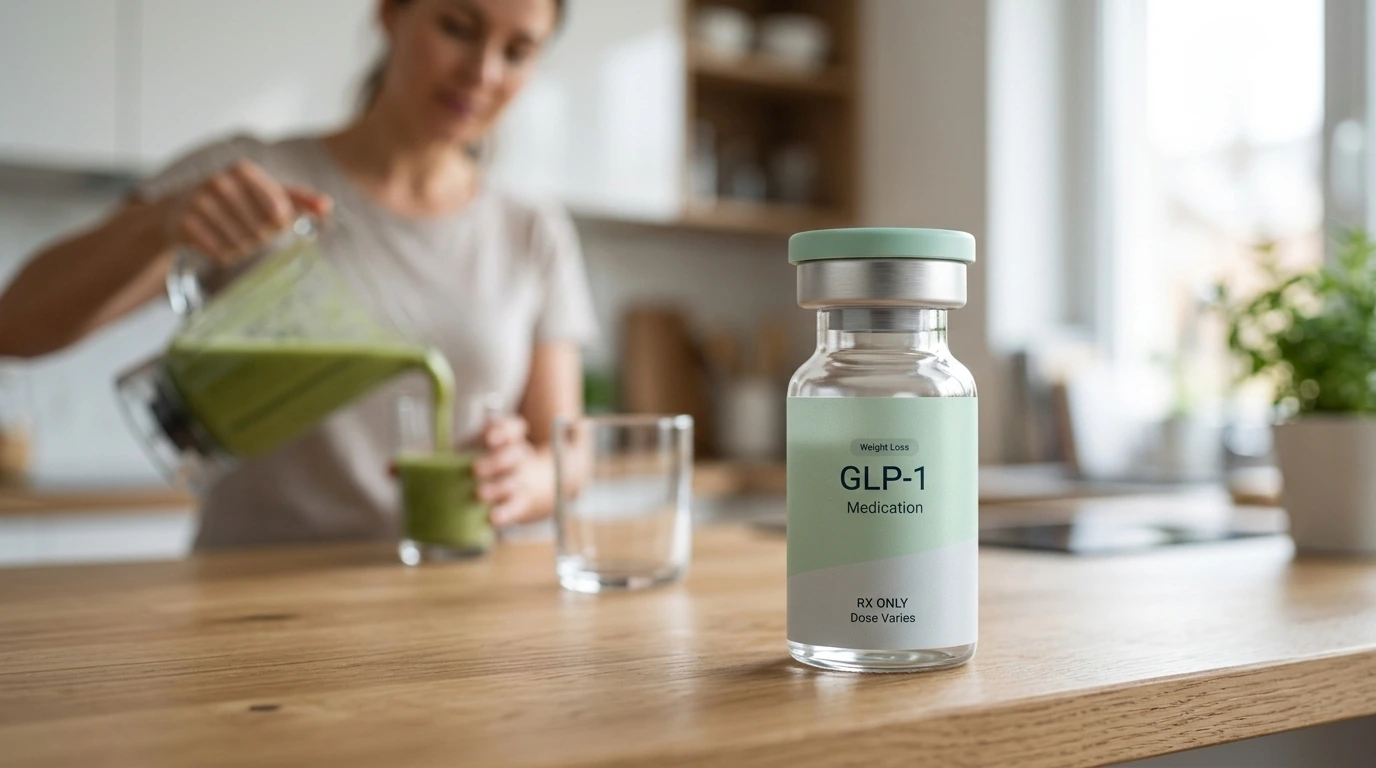
Finding out that a medication you need is out of stock or financially out of reach is a common frustration for many Americans. This is especially true for those seeking GLP-1 medications for weight management. As demand has surged, many have turned to compounded alternatives to stay on track with their health goals. At TrimRx, we understand that your primary concern is whether these options are a safe and effective choice for your journey. This post will cover the regulatory standards for compounding, the clinical background of these medications, and what you should look for in a high-quality program. Compounded GLP-1 medications can be a reliable part of a weight loss plan when they are prepared by licensed, regulated pharmacies and used under the guidance of a qualified healthcare provider.
If you are considering prescription treatment, you can complete a free eligibility assessment to determine whether a personalized program may be appropriate for you.
Understanding GLP-1 Medications and How They Work
To determine if a medication is safe, it is important to first understand what it is and how it interacts with your body. GLP-1 stands for glucagon-like peptide-1. This is a hormone that your body naturally produces in the gut after you eat.
The medications used for weight loss are known as receptor agonists. A receptor agonist is a type of drug that mimics the action of a natural substance. In this case, the medication “mimics” your natural GLP-1 hormones. When these medications enter your system, they target specific areas of the brain that regulate appetite and food intake. For a broader explanation, review this guide to how online GLP-1 prescriptions work from consultation to delivery.
Key Takeaway: GLP-1 medications work by mimicking natural hormones to slow digestion and signal to the brain that the body is full, which may support sustainable weight management.
By activating these receptors, the medication helps slow down gastric emptying, which is the process of food leaving your stomach. This helps you feel full for a longer period. It also helps the body manage blood sugar levels more effectively by supporting healthy insulin responses. When combined with lifestyle changes, these biological shifts can lead to significant weight loss.
What is a Compounded Medication?
Pharmacy compounding is the process of creating a customized medication to meet the specific needs of an individual patient. This is a long-standing practice in medicine. It is often used when a patient has an allergy to a specific dye in a mass-produced drug or when a medication is in short supply.
It is critical to distinguish between different types of medications:
- Branded Medications: These are drugs like Wegovy®, Ozempic®, Mounjaro®, and Zepbound®. They are manufactured by specific pharmaceutical companies and have received full FDA approval for specific uses.
- Compounded Medications: These are prepared by a pharmacist. While the individual ingredients used in the compound are often sourced from FDA-registered facilities, the final compounded mixture itself is not FDA-approved.
Note: While the final compounded preparation is not FDA-approved, the pharmacies that prepare them must follow strict state and federal regulations to ensure safety and quality.
Under federal law, compounding pharmacies are permitted to create “essentially copies” of branded drugs when a medication is listed on the official FDA drug shortage list. This ensures that patients can continue their treatments even when the large manufacturers cannot keep up with demand. You can also explore this overview of what compounded GLP-1 medications mean for weight loss.
Is GLP 1 Compound Safe? Evaluating the Standards
The safety of a compounded GLP-1 medication depends largely on the pharmacy that produces it. In the United States, compounding pharmacies are generally categorized into two groups: 503A and 503B.
503A Pharmacies
These are traditional compounding pharmacies that prepare medications based on a specific prescription for an individual patient. They are primarily regulated by State Boards of Pharmacy. They must follow USP (United States Pharmacopeia) standards, which dictate how sterile medications must be handled to prevent contamination.
503B Outsourcing Facilities
These are larger-scale facilities that can produce medications in bulk for healthcare providers to keep in their offices. Unlike 503A pharmacies, 503B facilities are inspected by the FDA and must follow Current Good Manufacturing Practices (CGMP). These are the same rigorous standards that branded drug manufacturers must follow.
At TrimRx, we connect our patients with licensed providers who work with FDA-registered and inspected compounding pharmacies. This ensures that the medication you receive has undergone testing for potency, sterility, and purity. If you are ready to discuss whether prescription treatment may be right for you, see if you qualify through the free assessment.
The Science of Safety: Avoiding Salt Forms
One of the most important factors in the safety of compounded medications is the specific form of the active ingredient used. The FDA has issued warnings regarding the use of “salt forms” of semaglutide, such as semaglutide sodium or semaglutide acetate.
These salt forms are chemically different from the base form of the medication used in clinical trials and branded products. There is currently no evidence that these salt forms are safe or effective for human use. High-quality compounding pharmacies only use the pharmaceutical-grade base form of the medication.
Before starting any program, it is wise to ensure the provider uses the base form of the medication. This is a standard we take seriously to protect patient health. A reputable source will always be transparent about the ingredients and the pharmacy’s credentials.
Common Risks and How to Mitigate Them
No medication is without risk, and GLP-1 medications—whether branded or compounded—can cause side effects. Most of these are gastrointestinal in nature. For additional guidance, read about managing common side effects during the first semaglutide doses.
Quick Answer: Compounded GLP-1 medications are generally considered safe when sourced from licensed, FDA-registered pharmacies and overseen by medical professionals. Safety is maintained through sterile manufacturing, proper dosing education, and avoiding unauthorized “salt” versions of the drugs.
Managing Gastrointestinal Side Effects
Common symptoms include nausea, vomiting, diarrhea, or constipation. These usually occur when a person first starts the medication or when the dosage is increased. To minimize these risks, healthcare providers use a process called titration.
Titration involves starting at a very low dose to let your body adjust, then slowly increasing the amount over several months. If side effects become bothersome, we recommend our GLP-1 Daily Support supplement, which is designed to provide the body with essential nutrients during this transition.
The Risk of Dosing Errors
One major difference between branded and compounded medications is the delivery method. Branded medications often come in pre-filled, single-use pens. Compounded medications are typically provided in a multi-dose vial with separate syringes.
This requires the patient to manually draw the correct amount of medication. Errors can occur if a patient confuses “units” with “milligrams” or “milliliters.” For more guidance, review this explanation of semaglutide units and personalized dosing.
- Milligrams (mg): The actual weight of the medicine.
- Milliliters (mL): The volume of liquid in the syringe.
- Units: The markings on an insulin-style syringe.
To stay safe, always review your dosing instructions carefully with your provider. Never assume that the number of units is the same if you switch pharmacies or concentrations.
| Feature | Branded GLP-1 (e.g., Wegovy®) | Compounded GLP-1 |
|---|---|---|
| FDA Approval | Final product is FDA-approved | Prepared in FDA-registered pharmacies |
| Availability | Subject to frequent shortages | Often available during shortages |
| Delivery | Usually pre-filled pens | Vials and syringes |
| Customization | Fixed doses only | Potential for personalized dosing |
| Regulation | FDA CGMP standards | State Board / FDA 503A/B standards |
Why Medical Supervision is Non-Negotiable
You should never purchase GLP-1 medications from websites that do not require a consultation with a licensed healthcare professional. “Direct-to-consumer” sites that skip the medical screening process are a major red flag.
Proper medical supervision ensures:
- Eligibility: A doctor checks your BMI and health history to ensure you are a candidate for the medication.
- Contraindications: Providers check for conditions like a personal or family history of medullary thyroid carcinoma or Multiple Endocrine Neoplasia syndrome type 2.
- Lab Work Monitoring: Periodic blood tests may be needed to check kidney function and metabolic markers.
- Ongoing Support: If you experience severe abdominal pain or persistent vomiting, you need a dedicated team to guide your next steps.
We provide 24/7 access to a team of specialists to ensure that every patient feels supported throughout their entire program. This level of oversight is a core component of a safe weight loss journey.
Quality Markers of a Reputable Compounded Program
If you are considering a compounded GLP-1, look for these quality markers to ensure your safety:
- Prescription Required: The platform must require a medical assessment and a prescription.
- Licensed Pharmacy: The medication should come from a pharmacy licensed in your state.
- Pharmacy Standards: The pharmacy should be 503A or 503B compliant and use FDA-registered facilities for their ingredients.
- Certificate of Analysis (COA): This is a document that proves the medication has been tested for its actual strength and purity.
- Clear Labeling: The label should clearly state the medication name, concentration, and expiration date.
Myth: Compounded medications are “fake” versions of branded drugs. Fact: Compounded medications are legally prepared, customized versions of medications. When made by reputable pharmacies using the correct base ingredients, they contain the same active molecules as the branded versions.
Storage and Handling for Safety
Safety doesn’t end when the medication arrives at your door. GLP-1 medications are proteins, which means they are fragile. They must be kept at the correct temperature to remain effective and safe. This guide to compounded GLP-1 storage and stability offers additional information about protecting medication potency.
Refrigeration: Most injectable GLP-1 medications should be stored in the refrigerator between 36°F and 46°F. Do not freeze them. If a medication arrives warm or the ice packs are completely melted, you should contact your provider immediately.
Sterility: Always use a brand-new, sterile needle for every single injection. Never share needles or syringes with anyone else. Before injecting, wipe the top of the vial and your skin with an alcohol swab to prevent infection.
Expiration Dates: Compounded medications often have a shorter shelf life than branded ones. This is called the “Beyond Use Date” (BUD). Always check this date and discard any unused medication once it has passed.
Key Takeaway: Maintaining the safety of your medication requires proper refrigeration, sterile injection techniques, and strict adherence to expiration dates.
How to Start Your Journey Safely
Starting a medical weight loss program is a significant decision. It should feel like a partnership between you and your clinical team. At TrimRx, we focus on a “telehealth-first” approach that removes the barriers of waiting rooms while maintaining the highest clinical standards.
Step 1: Complete the Assessment
Begin by taking the free online health assessment quiz. This helps our licensed providers understand your medical history, your current BMI, and your weight loss goals.
Step 2: Provider Review
A licensed healthcare professional reviews your information. They will determine if a GLP-1 medication is appropriate for you. If necessary, they may request lab work to get a clearer picture of your metabolic health.
Step 3: Personalized Treatment Plan
Once cleared, a personalized program is created for you. This includes your medication, which is shipped directly from one of our partner compounding pharmacies, as well as unlimited support from our team.
Step 4: Ongoing Monitoring
Your journey doesn’t end with the first shipment. We provide 24/7 access to specialists to help you manage side effects, adjust your dosage, and celebrate your progress.
The Bottom Line on Compounded GLP-1 Safety
The question of whether a GLP-1 compound is safe is best answered by looking at the source. While the FDA does not approve the compounded mixtures themselves, the system of regulated 503A and 503B pharmacies provides a safe, legal, and effective way for patients to access these life-changing medications.
By choosing a program that emphasizes medical oversight, uses only the base form of the medication, and sources from inspected pharmacies, you can focus on what really matters: your health and your results. Our mission is to provide a transparent, science-backed path to sustainable weight loss that treats you as an individual, not just a patient.
Bottom line: Compounding is a safe, regulated medical practice that allows patients to access necessary weight loss medications during shortages, provided they use licensed pharmacies and have professional medical supervision.
FAQ
Is compounded semaglutide as effective as the branded version?
Clinical evidence suggests that when a compounding pharmacy uses the same active base ingredient (semaglutide) and maintains proper potency, the metabolic effects on the body are similar to the branded version. Effectiveness also depends on the patient’s adherence to a healthy diet and exercise plan.
Why does the FDA issue warnings about compounded weight loss drugs?
The FDA’s warnings are primarily aimed at “bad actors” who use unauthorized salt forms of the medication or operate without proper pharmacy licenses. These warnings highlight the importance of sourcing your medication from a reputable, telehealth-based platform that uses licensed, inspected pharmacies.
How do I know if my compounded medication has been tested?
Reputable compounding pharmacies perform sterility and potency testing on their batches. You can ask your provider or the pharmacy for a Certificate of Analysis (COA), which serves as a laboratory report confirming that the medication contains exactly what the label says it does.
Can I switch from a branded medication to a compounded one?
Many patients switch to compounded versions due to supply shortages. If you make this switch, it is vital to do so under a doctor’s supervision to ensure your dosage is converted correctly and that you are monitored for any changes in side effects. If you are considering a medically supervised program, complete the free assessment.
Disclaimer: This content is for informational purposes only and does not constitute medical advice. It is not intended to diagnose, treat, cure, or prevent any disease or condition. Individual results may vary. Always consult a qualified healthcare professional before starting any weight loss program or medication.

Transforming Lives, One Step at a Time
Keep reading
Weight Loss Progress Tracker
Track your weight loss over time, see progress clearly, and stay motivated with simple charts, summaries, and goal-based insights.
How to Create a Personalized Adherence Plan
Build a one-page GLP-1 adherence plan: record dose, pick a weekly time, set reminders, log side effects, and review monthly.

Weight Loss Medication Dosage Calculator
Estimate weight loss medication doses by weight and drug type, with starting guidance, dose progression info, and a clear medical disclaimer.


