Is GLP-1 Safe for Pregnancy? Understanding the Implications and Current Research

Introduction
Pregnancy brings a unique set of challenges, especially for women managing existing health conditions such as type 2 diabetes or obesity. As the prevalence of these conditions continues to rise, so does the need for effective treatment options that ensure the health of both the mother and the developing fetus. One class of medications that has gained attention in recent years for its use in weight management and diabetes control is glucagon-like peptide-1 receptor agonists (GLP-1 RAs). However, a crucial question arises: Is GLP-1 safe for pregnancy?
The significance of this topic cannot be overstated. With approximately 1-2% of pregnancies worldwide affected by pregestational diabetes, understanding the implications of using GLP-1 medications during early pregnancy is essential for healthcare providers and patients alike. In this blog post, we will explore the safety of GLP-1 medications during pregnancy, review the current research findings, and discuss the implications for women who may become pregnant while on these treatments.
We will begin by providing an overview of GLP-1 medications, followed by a discussion on their safety profile during pregnancy based on recent studies. We will also look at the potential risks and benefits of continuing these medications during pregnancy and what women should consider when planning their treatment. By the end of this article, we aim to provide clear insights into the current understanding of GLP-1 safety during pregnancy, empowering readers to make informed decisions about their health.
Understanding GLP-1 Medications
GLP-1 receptor agonists are a class of medications used primarily for the management of type 2 diabetes and, more recently, for weight loss. These medications, which include semaglutide (Ozempic® and Wegovy®), liraglutide, and dulaglutide, work by mimicking the action of the naturally occurring hormone GLP-1. They help regulate blood sugar levels by enhancing insulin secretion, inhibiting glucagon release, and promoting a feeling of fullness, which can aid in weight management.
Given the increasing use of GLP-1 medications, particularly among women of childbearing age, it is crucial to evaluate their safety during pregnancy. Many women may not plan their pregnancies and could inadvertently continue using these medications, making it essential to understand their implications.
Current Research on GLP-1 and Pregnancy
Recent studies have begun to shed light on the safety of GLP-1 medications during pregnancy. A multicenter observational cohort study compared pregnancy outcomes in women exposed to GLP-1 RAs during the first trimester to those in reference groups: women with diabetes on other antidiabetic medications and overweight/obese women without diabetes.
The results revealed that exposure to GLP-1 RAs in early pregnancy was not associated with an increased risk of major birth defects compared to both reference groups. Specifically, the study reported a cumulative incidence of major birth defects at around 2.6% for the GLP-1 group, which was comparable to the rates observed in women with diabetes (2.3%) and those who were overweight/obese (3.9%).
Key Findings from the Cohort Study
- No Increased Risk of Major Birth Defects: The study provided reassurance that GLP-1 RA use during the first trimester does not appear to elevate the risk of significant congenital malformations.
- Similar Outcomes to Other Antidiabetic Medications: When compared to insulin treatment, there was no significant difference in the rates of major congenital malformations, suggesting that GLP-1 medications may be as safe as traditional diabetes medications during pregnancy.
- Cumulative Incidence of Pregnancy Outcomes: The study reported a 59% incidence of live births, 23% of pregnancy losses, and 18% of pregnancy terminations in the GLP-1 RA group, which aligns closely with outcomes in the other reference groups.
- Need for Larger Studies: While these findings are promising, researchers emphasize the need for larger studies to further validate the safety profile of GLP-1 medications during pregnancy.
The Benefits of GLP-1 Medications in Managing Diabetes and Weight
For women with pregestational diabetes, maintaining optimal blood sugar control is crucial. Poorly controlled diabetes during pregnancy can lead to serious complications, including increased rates of congenital malformations, fetal growth restriction, and preeclampsia. Therefore, the potential benefits of using GLP-1 medications during pregnancy must be weighed against any risks.
Benefits of GLP-1 Medications:
- Improved Glycemic Control: GLP-1 medications can help achieve better blood sugar levels, which is essential for the health of both the mother and the fetus.
- Weight Management: For women who are overweight or obese, maintaining a healthy weight can reduce the risk of pregnancy complications. GLP-1 medications can assist in achieving and maintaining weight loss, contributing to better health outcomes.
- Reduced Need for Insulin: For some women, GLP-1 medications can reduce the need for insulin therapy, which may be associated with weight gain and other complications.
Considerations for Women Who May Become Pregnant While on GLP-1 Medications
While the current research is encouraging, women who are taking GLP-1 medications and may become pregnant should consider several important factors:
- Consult Healthcare Providers: It is essential to have open discussions with healthcare providers about any ongoing medications, including GLP-1 RAs, when planning for pregnancy. Healthcare providers can offer personalized guidance based on individual health needs.
- Plan for Medication Adjustments: If a woman becomes pregnant while on GLP-1 medications, her healthcare provider may recommend discontinuing the medication or switching to an alternative treatment that has a more established safety profile during pregnancy.
- Monitoring Glycemic Control: For women with diabetes, maintaining tight glycemic control is crucial during pregnancy. Regular monitoring and adjustments to treatment plans may be necessary to ensure optimal outcomes.
- Be Aware of the Risks: While current studies suggest that GLP-1 medications are not associated with significant risks during pregnancy, women should still be informed about the potential for individual variations and other risk factors that may affect their pregnancy.
Conclusion: What We Know and What We Need to Learn
The question of whether GLP-1 medications are safe during pregnancy is an important one for many women. Current research suggests that these medications may not increase the risk of major birth defects and can provide benefits for women with diabetes or obesity. However, as with any medical treatment, individual circumstances vary, and the safest course of action is to consult with healthcare providers.
While the results from recent studies are reassuring, there is still a need for larger, more comprehensive research to confirm these findings. As the number of women using GLP-1 medications continues to rise, understanding the implications for pregnancy will be crucial in ensuring the health and safety of both mothers and their babies.
In summary, if you are considering GLP-1 medications or are currently using them and are planning a pregnancy, we encourage you to take our free assessment quiz to explore personalized weight loss solutions that align with your health goals. Together, we can navigate the complexities of your health journey while ensuring the best outcomes for you and your family.
FAQ
What are GLP-1 medications?
GLP-1 medications are a class of drugs used to manage type 2 diabetes and aid in weight management by mimicking the action of the hormone GLP-1, which regulates blood sugar levels and appetite.
Are GLP-1 medications safe during pregnancy?
Current research indicates that GLP-1 medications do not significantly increase the risk of major birth defects when used during early pregnancy, but women should consult their healthcare providers for personalized advice.
What should I do if I become pregnant while on GLP-1 medications?
If you become pregnant while taking GLP-1 medications, it is essential to consult your healthcare provider to discuss potential adjustments to your treatment plan.
How do GLP-1 medications benefit pregnant women with diabetes?
GLP-1 medications can help improve glycemic control, potentially reducing the risk of pregnancy complications associated with poorly managed diabetes.
Where can I find more personalized weight loss solutions?
We invite you to take our free assessment quiz to explore personalized weight loss solutions tailored to your individual health needs.

Transforming Lives, One Step at a Time
Keep reading

How to Adjust Weight Loss Goals on GLP-1 Medications
Adjust weight goals on GLP-1 meds by tracking body composition and labs, optimizing protein, activity, sleep, and working with your provider on dosing.
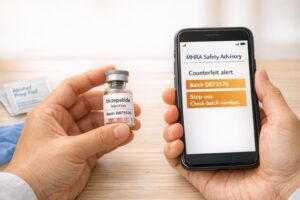
Falsified Mounjaro pens prompt urgent safety advisory
MHRA warns of counterfeit Mounjaro pens (batch D873576); stop use and check batch numbers for infection risk.

Novo Nordisk shares drop as Alzheimer’s hopes for weight-loss drug fade
Novo Nordisk’s semaglutide failed to slow Alzheimer’s in large trials, prompting shares to fall and expert reactions.


