Goat Cheese and Weight Loss: What Our Experts Say
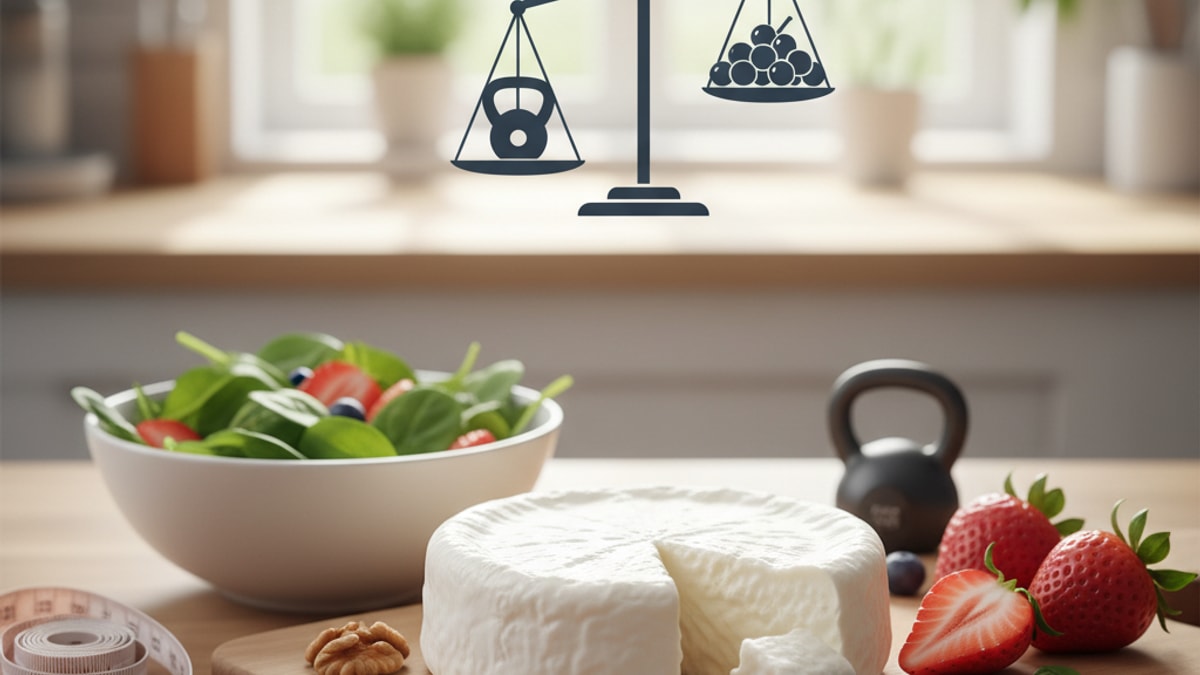
Let's be honest. When you're mapping out a weight loss strategy, cheese is often one of the first things to get the side-eye. It's decadent, it's flavorful, and it's frequently labeled as a high-fat, high-calorie indulgence that can derail your progress. We've seen countless clients walk through our doors believing that a successful weight loss journey has to be a bland one. But what if that assumption is wrong? What if a specific type of cheese could not only fit into your plan but actually support it?
This is where the conversation turns to goat cheese, or chèvre. It has a distinct tangy flavor and a creamy texture that feels luxurious, yet its reputation in health circles is surprisingly positive. The question we hear a lot is, "is goat cheese healthy for weight loss?" It's a fantastic question because it moves beyond simple calorie counting and into the nuanced world of nutrition science—our favorite place to be. Here at TrimrX, we're dedicated to a science-first approach to weight management, whether we're discussing the role of powerful GLP-1 medications or the simple, everyday food choices that build a foundation for lasting success. So, let's unpack this together.
So, Let's Cut to the Chase: Is Goat Cheese a Weight Loss Ally?
The short answer? Yes, it absolutely can be. But like any food, the context is everything. Simply adding goat cheese to an otherwise unbalanced diet won't magically melt away pounds. Of course not. However, when used strategically as part of a well-structured, calorie-conscious eating plan, goat cheese brings some unique and powerful properties to the table that many other cheeses simply can't match. It’s not just about what you cut out; it’s about the smart, nutrient-dense foods you choose to include.
Our team has found that the most successful weight loss journeys are the ones that don't feel like a punishment. They're built on sustainability. This means finding foods that you genuinely enjoy, that satisfy you, and that provide tangible nutritional benefits. Goat cheese often checks all three of these boxes. It provides a massive flavor punch for a relatively modest calorie investment, which can be a psychological game-changer when you're trying to reduce overall intake. A small amount can elevate a simple salad or a plate of roasted vegetables from mundane to magnificent. That's a big win.
The Nutritional Breakdown: What's Really Inside Goat Cheese?
To understand why goat cheese can be a powerful tool, we need to look past the label and into its molecular makeup. This is where the science gets really interesting. It’s not just another dairy product; its composition is fundamentally different from its cow's milk counterparts.
First, let's talk about the fat. Yes, cheese contains fat, but not all fats are created equal. This is a critical point we can't stress enough. Goat cheese is particularly rich in medium-chain fatty acids (MCFAs), specifically caprylic acid, capric acid, and caproic acid. Unlike the long-chain fatty acids that are more common in cow's milk cheese, these MCFAs are metabolized differently by the body. They are more readily absorbed and transported directly to the liver to be used for energy, rather than being stored as body fat. Think of it as fast-acting fuel. This metabolic quirk can contribute to a slight increase in calorie burning and, perhaps more importantly, enhanced feelings of satiety. You feel fuller, faster, and for longer.
Then there's the protein. An ounce of soft goat cheese typically contains around 5-6 grams of high-quality protein. While that might not sound like a massive amount, it's significant for a small serving. Protein is the undisputed champion of satiety. It takes more energy for your body to digest protein compared to fats or carbs (this is called the thermic effect of food), and it plays a crucial role in regulating appetite hormones. Including a good protein source with every meal and snack is a non-negotiable principle for effective weight management, and goat cheese can be a delicious way to help you hit those targets.
Beyond the macros, goat cheese is also a fantastic source of essential micronutrients. It's packed with calcium, which is vital for bone health but also has been linked in some studies to supporting body fat regulation. It’s a good source of phosphorus, copper, and B vitamins like riboflavin (B2). It's a genuinely nutrient-dense food.
Goat Cheese vs. Cow Cheese: A Head-to-Head Comparison
When people are considering if goat cheese is healthy for weight loss, they're usually comparing it to the cheeses they're more familiar with, like cheddar, mozzarella, or cream cheese. This is where the differences become stark. Let's put them side-by-side. Our experience shows that seeing the data laid out like this can be incredibly illuminating for making better daily choices.
Here’s a quick comparison based on a typical one-ounce (28g) serving:
| Nutrient | Soft Goat Cheese | Full-Fat Cream Cheese | Cheddar Cheese |
|---|---|---|---|
| Calories | ~75 kcal | ~99 kcal | ~114 kcal |
| Total Fat | ~6 g | ~10 g | ~9 g |
| Saturated Fat | ~4 g | ~6 g | ~5 g |
| Protein | ~5 g | ~2 g | ~7 g |
| Carbohydrates | <1 g | ~1 g | <1 g |
| Calcium | ~40 mg (4% DV) | ~28 mg (2% DV) | ~204 mg (16% DV) |
| Key Differentiator | MCTs, A2 Casein | Low Protein, High Fat | High Calories |
What does this table tell us? A few things jump out immediately. Goat cheese is significantly lower in calories and fat than both cream cheese and cheddar. While cheddar pulls ahead on protein and calcium, goat cheese offers a much better calorie-to-protein ratio than cream cheese, making it a far more efficient choice for a weight loss plan. But the most important differences—the ones that impact how you feel—aren't fully captured by these numbers. They lie in the structure of the fats and proteins themselves.
It's a clear victory for goat cheese if your primary goal is flavor and satisfaction for the lowest caloric cost.
The Science of Satiety: How Goat Cheese Keeps You Fuller, Longer
We mentioned satiety before, but it's worth dedicating more time to this concept. It's the secret weapon for any sustainable weight loss effort. Satiety is the feeling of fullness and satisfaction that persists after a meal, suppressing the urge to eat again soon after. If you're constantly feeling hungry and deprived, your willpower will eventually crumble. It's not a personal failing; it's just human biology.
The combination of protein and those unique medium-chain fatty acids in goat cheese is a powerful one-two punch against hunger. The protein signals your brain that you're full, while the MCFAs provide quick energy and have been shown to increase the release of appetite-suppressing hormones like peptide YY and leptin. This means that adding a sprinkle of goat cheese to your salad at lunch could be the very thing that prevents you from reaching for a high-sugar snack mid-afternoon. It's a small change with a potentially massive ripple effect on your total daily calorie intake.
Think about it this way: a plain salad with a light vinaigrette might be low in calories, but it can also be deeply unsatisfying, leaving you craving more just an hour later. Adding two tablespoons of crumbled goat cheese adds texture, a rich flavor, and the nutritional components needed to transform that salad from a temporary fix into a genuinely filling meal. This is the kind of smart food synergy we advocate for. It’s not about eating less; it’s about eating smarter.
Let's Talk About Gut Health (It's More Important Than You Think)
Now, this is where it gets really interesting, especially from our perspective in the biotech and health space. The conversation around weight loss is expanding rapidly beyond just calories in, calories out. We now understand that the health of your gut microbiome—the trillions of bacteria living in your digestive tract—plays a formidable role in regulating everything from your metabolism and appetite to your mood and immune system.
This is another area where goat cheese shines. Many people who experience digestive discomfort, bloating, or inflammation after eating cow's milk products find that they can tolerate goat cheese perfectly well. There are two primary reasons for this.
First, goat's milk contains significantly less lactose than cow's milk. While it's not lactose-free, the lower level is often manageable for those with mild lactose intolerance. Second, and arguably more important, is the difference in casein protein structure. The primary casein protein in cow's milk is A1 beta-casein, which can release an inflammatory peptide called BCM-7 during digestion. For some individuals, this can trigger digestive issues and low-grade inflammation. Goat's milk, on the other hand, is predominantly composed of A2 beta-casein, which is structurally more similar to human breast milk and is far less likely to cause these issues. A happier gut is a more efficient gut, and reducing systemic inflammation is a cornerstone of improving metabolic health and facilitating weight loss.
Furthermore, fermented cheeses like chèvre can contain beneficial probiotics, which help to nurture a healthy and diverse gut microbiome. A robust microbiome is better at extracting nutrients from food, regulating blood sugar, and even communicating with your brain to control cravings. So, enjoying goat cheese isn't just about the macros; it's about supporting the very ecosystem that governs your metabolic health.
Practical Ways to Incorporate Goat Cheese into Your Weight Loss Plan
Knowing that goat cheese is a good option is one thing; knowing how to use it effectively is another. Our team always emphasizes practical application because knowledge without action is useless. Here are some of our favorite ways to integrate goat cheese into a healthy eating routine:
- Elevate Your Salads: This is the classic. Crumble an ounce over mixed greens, roasted beets, walnuts, and a light balsamic vinaigrette. The creaminess of the cheese balances the acidity of the dressing perfectly.
- Boost Your Breakfast: Stir a tablespoon of soft goat cheese into your scrambled eggs or omelet during the last minute of cooking. It adds incredible creaminess and flavor, making your breakfast far more satisfying.
- Create a Smarter Snack: Spread a small amount on a whole-grain cracker or a slice of apple. Top with a sprinkle of black pepper. This combination of protein, fat, and fiber is the perfect trifecta for a snack that will actually hold you over until your next meal.
- Stuff Your Chicken or Peppers: Mix goat cheese with herbs like dill and chives, then use it as a stuffing for chicken breasts or bell peppers before baking. It keeps the protein moist and infuses it with flavor.
- Whip It: Blend soft goat cheese with a little Greek yogurt, lemon juice, and fresh herbs to create a healthier, high-protein dip for raw vegetables like cucumbers, carrots, and celery.
The key, as with any energy-dense food, is portion control. Cheese is easy to overeat. We recommend using measuring spoons or a food scale, at least initially, to get a feel for what a one-ounce serving actually looks like. It's often more than you think!
The Psychology of Dieting: Why 'Good' Foods Matter
The mental and emotional side of a weight loss journey is just as important as the physical one. This is something we've seen proven time and time again. When a diet plan is overly restrictive and eliminates all sources of culinary pleasure, it sets you up for a cycle of deprivation, craving, and eventual binging. It becomes an unsustainable battle of willpower.
Including foods like goat cheese is a powerful psychological strategy. It allows you to enjoy rich, satisfying flavors without guilt, which helps to normalize your relationship with food. It sends the message that you are nourishing your body, not punishing it. This mindset shift is a critical, non-negotiable element for long-term success. When you enjoy the food you're eating, you're infinitely more likely to stick with your plan. Simple, right? But it's a truth that is so often overlooked in the relentless pursuit of rapid, but fleeting, results.
When Your Nutrition Needs a Stronger Partner
Building a healthy diet around smart choices like goat cheese, lean proteins, and abundant vegetables is the foundation of any successful weight management plan. For many, this, combined with consistent physical activity, is enough to reach their goals. But for others, the journey is more complex. Let's be unflinching about this reality: sometimes, biology itself presents a formidable obstacle.
Factors like genetics, hormonal imbalances, and metabolic resistance can make weight loss feel like an impossible, uphill battle, even when you're doing everything right. Our clinical experience at TrimrX has shown us that this is where modern medicine can provide a truly life-changing partnership. For individuals facing these challenges, a well-structured diet needs a more powerful ally. This is where FDA-approved GLP-1 medications like Semaglutide and Tirzepatide come in. These treatments work with your body's own hormonal systems to regulate appetite, reduce cravings, and improve how your body processes sugar. They don't replace the need for healthy eating; they amplify its effects, making your efforts more effective.
If you've been meticulously planning your meals and still aren't seeing the results you deserve, it might not be a failure of willpower, but a sign that you need a more comprehensive clinical strategy. Understanding your options is the first step. You can see if a medically-supervised program is right for you when you Take Quiz on our site. It’s a simple way to get clarity on the next steps for your health journey.
Ultimately, the goal is to create a sustainable, healthy lifestyle that you can maintain for years to come. Goat cheese can absolutely be a delicious part of that picture. It's a nutrient-dense, satisfying, and gut-friendly option that proves healthy eating doesn't have to be boring. By making smart swaps and focusing on foods that offer maximum flavor and nutritional benefit, you build a plan that works for you, not against you. And when you're ready to enhance that plan with the most effective medical tools available, we're here to help you. It’s about using every tool at your disposal to achieve the health and confidence you deserve. When you're ready, you can Start Your Treatment and begin a new chapter.
Frequently Asked Questions
How much goat cheese can I eat per day when trying to lose weight?
▼
We generally recommend sticking to a one to two-ounce portion of goat cheese per day. This amount is enough to add significant flavor and satiety to a meal without contributing an excessive number of calories or fat to your daily total.
Is goat cheese better than feta for weight loss?
▼
Both are great choices! Goat cheese is typically creamier and slightly lower in sodium, while feta is saltier with a briny flavor. Nutritionally, they are very similar in calories and protein, so the best choice often comes down to personal preference and the specific dish you’re making.
Will eating goat cheese make me gain weight?
▼
No single food will make you gain weight on its own. Weight gain is a result of consuming more calories than you burn over time. When enjoyed in moderation as part of a balanced, calorie-controlled diet, goat cheese is very unlikely to cause weight gain and can actually support your weight loss efforts.
Is the fat in goat cheese unhealthy?
▼
Not at all. The fat in goat cheese is particularly rich in medium-chain triglycerides (MCTs), which are metabolized more easily for energy than the long-chain fats found in many other dairy products. These fats are a key reason why goat cheese can be a healthy choice.
Can I eat goat cheese on a low-carb or keto diet?
▼
Yes, absolutely. Goat cheese is naturally very low in carbohydrates, with less than one gram per ounce, making it an excellent food for both low-carb and ketogenic diets. It provides healthy fats and protein without impacting your carb count.
Is goat cheese easier to digest than cow cheese?
▼
For many people, yes. Goat cheese contains less lactose and has a different casein protein structure (A2 casein) than most cow’s milk cheeses (A1 casein). This often results in less bloating and digestive discomfort for those with sensitivities.
What’s the best type of goat cheese for a diet?
▼
Plain, soft goat cheese (chèvre) is typically the best option. Avoid varieties that are packed in oil or have added sugars, like those with fruit preserves swirled in. Always check the label for the simplest ingredients.
Does goat cheese have a lot of sodium?
▼
Compared to many other cheeses like feta or parmesan, goat cheese is relatively moderate in sodium. However, it’s still a source of salt, so it’s important to be mindful of your portion size, especially if you are monitoring your sodium intake.
Can goat cheese help control my appetite?
▼
Yes, it can be very effective for appetite control. The combination of protein and medium-chain fatty acids promotes satiety, helping you feel fuller for longer after a meal. This can significantly reduce the desire for unhealthy snacks.
Are there any downsides to eating goat cheese for weight loss?
▼
The main downside is simply that it is a calorie-dense food, so portion control is crucial. It’s easy to overdo it, which could hinder your weight loss progress. As long as you measure your servings, it’s a fantastic addition to your plan.
Is aged or fresh goat cheese better for weight loss?
▼
Fresh goat cheese (chèvre) is generally a better choice as it tends to have a higher moisture content and thus fewer calories per ounce. Aged goat cheeses are more concentrated, meaning they have more calories, fat, and sodium in the same-sized serving.
Can I pair goat cheese with fruit on a diet?
▼
Yes, it’s a wonderful combination. Pairing goat cheese with low-sugar fruits like berries or a slice of apple creates a balanced snack with protein, fat, and fiber. Just be mindful of the portion sizes of both the cheese and the fruit.

Transforming Lives, One Step at a Time
Keep reading

Do You Need a Prescription for GLP-1s? The 2026 Answer
Wondering ‘do you need a prescription for glp 1’ in 2026? Yes. We explain why a doctor’s oversight is critical for safe, effective results.

How to Get GLP-1 Covered By Insurance: Our 2026 Playbook
Struggling with how to get glp-1 covered by insurance? Our 2026 guide breaks down prior authorizations, appeals, and documentation.

Traveling with GLP-1s in 2026: Your Essential Trip-Proof Plan
Don’t let travel disrupt your GLP-1 treatment. Learn how to travel with glp 1 medications safely and stress-free in our 2026 expert guide.


