Is Hummus Healthy for Weight Loss? A 2026 Medical Perspective
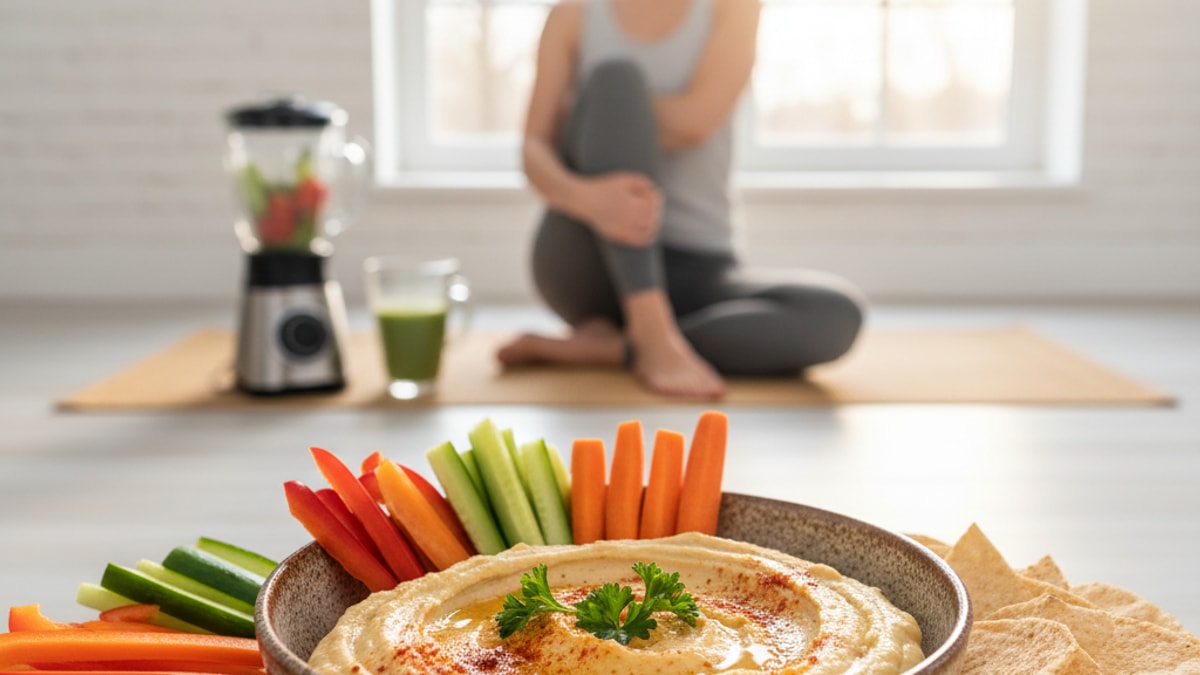
It’s a question we hear all the time from people dedicated to their health journey: is hummus healthy for weight loss? You see it everywhere. It's positioned as the quintessential healthy snack, the virtuous alternative to creamy, high-fat dips. And for the most part, that reputation is well-earned. But the real answer, as is often the case in nutrition science, is a bit more nuanced than a simple yes or no.
Here at TrimrX, our entire approach is built on medical science and sustainable, real-world strategies. We guide patients through comprehensive weight loss programs, often leveraging powerful tools like GLP-1 medications, but we know that long-term success isn't just about a prescription. It’s about building an entirely new relationship with food. It’s about understanding the why behind your choices. So, let’s pull back the curtain on this ubiquitous Mediterranean dip and give you the definitive, science-backed answer for 2026.
The Core Components: What’s Really in Your Hummus?
To understand its role in weight management, we first need to break hummus down to its core. Classic, well-made hummus is a beautiful synergy of a few simple, powerful ingredients. It isn't some complex, manufactured food product. It's real food.
- Chickpeas (Garbanzo Beans): This is the star of the show. Chickpeas are a type of legume, and they are an absolute powerhouse of nutrition. They're loaded with plant-based protein and, critically, dietary fiber. We'll talk more about why this protein-fiber combination is the secret weapon for satiety and appetite control later on. They also provide essential minerals like manganese and folate.
- Tahini (Sesame Seed Paste): If chickpeas are the star, tahini is the best supporting actor. Made from ground sesame seeds, tahini delivers healthy monounsaturated and polyunsaturated fats. These are the 'good' fats that support heart health and can help reduce inflammation. It also contributes a surprising amount of minerals, including copper, selenium, and phosphorus. The fat content is also key to making hummus feel satisfying.
- Olive Oil: Specifically, extra virgin olive oil. This is a cornerstone of the famously healthy Mediterranean diet. It’s rich in monounsaturated fats (primarily oleic acid) and packed with antioxidants. A drizzle of high-quality EVOO not only adds a silky texture and peppery flavor but also boosts the overall health profile of the dip significantly.
- Lemon Juice & Garlic: These aren't just for flavor. Lemon juice provides a shot of Vitamin C and antioxidants, while garlic is renowned for its potential immune-boosting and anti-inflammatory compounds, like allicin. They elevate hummus from just a paste of beans and seeds into something truly delicious and complex.
When you look at that list, it’s hard to find a villain. Every single ingredient brings something beneficial to the table. It’s a whole-food-based dip, which is a fantastic starting point for any healthy eating plan. But the story doesn't end there.
The Real Answer: How Hummus Actually Supports Weight Loss
Okay, let's connect the dots. We've established the ingredients are good. So, how does that translate to actually helping you lose weight? Our team has found that its effectiveness hinges on a few key metabolic and psychological principles.
First, there's the satiety factor. This is a big one. The combination of protein and fiber from the chickpeas is incredibly effective at making you feel full and satisfied. Fiber slows down digestion, preventing the rapid blood sugar spikes you'd get from, say, a bag of potato chips. Protein triggers the release of hormones that tell your brain, 'Hey, we're full now.' This one-two punch is formidable for appetite control. For our patients on Semaglutide or Tirzepatide treatments, who are already experiencing reduced appetite from their medication, choosing foods that provide maximum nutritional value and satiety in smaller portions is a critical, non-negotiable element of their success. Hummus fits that bill perfectly.
Second is blood sugar regulation. Because hummus is low on the glycemic index (GI), it doesn't cause a dramatic spike and subsequent crash in your blood sugar levels. This is huge. Those crashes are what trigger cravings for more sugary, high-carb foods. By keeping your blood sugar stable, hummus helps you stay in control of your eating habits and avoid the mindless snacking that can derail even the most disciplined efforts.
And let's be honest, it's also a vehicle for more vegetables. This is an underrated benefit. Are you more likely to eat a whole bowl of raw bell pepper strips, cucumber slices, and carrots on their own? Maybe. But are you definitely more likely to enjoy them when you have a delicious, savory dip to go with them? Absolutely. Hummus makes eating more raw, fiber-rich vegetables easy and enjoyable. It transforms a boring snack into something to look forward to.
The Hidden Dangers: When Hummus Becomes a Problem
Now for the other side of the coin. Not all hummus is created equal, and how you eat it matters more than anything. We can't stress this enough.
The first pitfall is the brand you choose. Walk down the dip aisle in 2026 and the options are sprawling. Many commercial brands, in an effort to cut costs and improve shelf stability, make some unfortunate swaps. Instead of pure, healthy extra virgin olive oil, they'll use cheaper, more inflammatory oils like soybean, canola, or sunflower oil. They might also pack it with excess sodium and preservatives. Reading the ingredient label is non-negotiable. Look for a short list that resembles what you'd use in your own kitchen: chickpeas, tahini, olive oil, lemon, garlic, salt. That's it.
Then there's the portion size dilemma. Hummus is nutrient-dense, but it's also calorie-dense. A standard serving size is just two tablespoons, which typically clocks in at around 70-100 calories. It's incredibly easy to sit down with a tub and mindlessly eat half of it, consuming 400-500 calories without even realizing it. We always advise clients to portion it out. Scoop two tablespoons into a small bowl and put the container away. Simple, but effective.
But the biggest saboteur of all? The dipper. This is where a perfectly healthy snack can turn into a calorie catastrophe. Dipping with a bag of pita chips, processed crackers, or pretzels can easily add hundreds of empty calories, refined carbohydrates, and unhealthy fats. You've effectively negated all the benefits of the hummus itself. The vehicle you use to get the hummus to your mouth is just as important as the hummus itself.
A Head-to-Head Comparison: Choosing Your Hummus Vehicle
What you dip in your hummus can make or break its value in a weight loss plan. Let’s be unflinching and compare the common choices. It’s not just about calories; it’s about the overall nutritional return on your investment.
| Dipping Option | Typical Serving (Calories) | Key Nutritional Notes | Our Team's Verdict |
|---|---|---|---|
| Vegetable Sticks | 1 cup (25-50 kcal) | High in fiber, water, vitamins, and minerals. Adds volume and crunch with negligible calories. | Gold Standard. The absolute best choice for weight loss. Maximizes nutrition and satiety. |
| Whole-Wheat Pita | 1 whole pita (170 kcal) | Contains some fiber and whole grains, but it's a significant source of carbohydrates. Can be easy to overeat. | Good, with caution. Best used pre-workout or in a small, controlled portion (e.g., a quarter of the pita). |
| Whole-Grain Crackers | 5-6 crackers (120-150 kcal) | Look for brands with 100% whole grains and minimal added sugar/oils. Portion control is absolutely critical here. | Use Sparingly. Can be a decent option if you stick rigidly to the serving size, but veggies are always better. |
| Pita Chips/Pretzels | 1 oz (130-150 kcal) | Typically made with refined white flour, fried or baked with industrial seed oils, and high in sodium. | Avoid. These offer very little nutritional value and actively work against your weight loss and health goals. |
This isn't about being perfect; it's about being intentional. Making the simple swap from pita chips to cucumber slices can save you over 100 calories and add a significant boost of nutrients to your snack. Over a year, those small choices create dramatic results.
Integrating Hummus into a Modern, Medically-Supported Plan
The landscape of weight loss has seen a significant, sometimes dramatic shift in recent years. With the advent and refinement of GLP-1 medications like those we use in our programs at TrimrX, patients are equipped with a formidable tool to manage hunger and reset their metabolic health. But the medication is just that—a tool. It creates the opportunity for change; it doesn't create the change itself.
This is where smart nutritional strategies become paramount. Our experience shows that patients who achieve the most profound and lasting success are those who use the period of reduced appetite to fundamentally rebuild their eating habits. They learn to prioritize foods that are high in protein, fiber, and micronutrients. They focus on quality over quantity.
Hummus, when approached correctly, is a perfect food for this new paradigm. A small, two-tablespoon serving paired with a large volume of non-starchy vegetables provides a feeling of fullness, stabilizes blood sugar, and delivers a host of beneficial nutrients without overwhelming a suppressed appetite. It’s an efficient way to get nutrition in. It helps our patients move away from the 'empty calorie' snacks that may have been staples before and embrace a diet rich in whole foods. It’s not just a dip; it's a strategic tool for building the habits that will sustain their results long after their treatment phase. If you're ready to see how a comprehensive plan works, you can Start Your Treatment Now.
Making Hummus Your Ultimate Weight Loss Ally: Our Pro Tips
Ready to put this into practice? Let's get tactical. Here are the actionable recommendations our team gives to clients who want to incorporate hummus into their plan effectively.
-
Prioritize Homemade. If you have 10 minutes, you can make your own hummus. It's ridiculously easy. A can of chickpeas, a few spoonfuls of good tahini, a glug of extra virgin olive oil, the juice of a lemon, and a clove of garlic in a blender. That's it. This gives you 100% control over the ingredients, the quality of the oil, and the sodium levels.
-
Become an Ingredient Detective. If you're buying it, turn the package over. The ingredient list should be short and recognizable. If you see soybean oil, canola oil, potassium sorbate, or anything you can't pronounce, put it back. The simpler, the better.
-
Measure. Don't Scoop. This is the golden rule. Never eat directly from the tub. Use a measuring spoon (a real one!) and plate your serving. This single habit prevents mindless overconsumption and keeps your calorie tracking accurate.
-
Think Beyond the Dip. Hummus is incredibly versatile. Use it as a substitute for mayonnaise on a sandwich or wrap. It provides creaminess and flavor with far more fiber and protein and much healthier fats. Thin it out with a little extra lemon juice and water to create a fantastic, creamy salad dressing. Use a dollop on top of grilled chicken or fish for a boost of flavor and moisture. Getting creative helps keep your diet interesting and sustainable.
-
Pair Intelligently. We've already covered this, but it bears repeating. Your pairing choice is everything. Focus on vegetables: bell peppers, cucumbers, carrots, celery, snap peas, broccoli florets, and cherry tomatoes are all fantastic choices. They add hydration, fiber, and nutrients for almost no caloric cost.
By following these guidelines, you transform hummus from a potential diet-wrecker into a consistent and valuable player in your weight loss strategy. It’s about being mindful and strategic, which is the cornerstone of any successful health transformation.
It’s clear that hummus can be an exceptionally healthy food for weight loss. Its profile of fiber, protein, and healthy fats is tailor-made for promoting satiety and stabilizing blood sugar—two cornerstones of effective appetite management. However, its benefits are entirely conditional. They depend on clean ingredients, strict portion control, and, most importantly, what you choose to pair it with. By embracing vegetables as your primary dipper and being a savvy consumer at the grocery store, you can absolutely make hummus a delicious and powerful part of your journey to a healthier weight and a more vibrant life. It's not about restriction; it's about making smarter, more intentional choices that serve your ultimate goals. That's the foundation of a truly sustainable lifestyle change, the very kind we champion and facilitate every single day.
Frequently Asked Questions
Can I eat hummus every day for weight loss?
▼
Yes, you can eat hummus daily as long as you stick to a reasonable portion size, typically 2-4 tablespoons. Pairing it with vegetables and ensuring it fits within your total daily calorie goals is key to making it a successful part of your routine.
What is the best thing to dip in hummus for weight loss?
▼
Without a doubt, fresh vegetables are the best choice. Bell peppers, cucumbers, carrots, celery, and snap peas offer the most nutritional value, fiber, and volume for the fewest calories, making your snack more filling and effective for weight loss.
Is store-bought hummus as healthy as homemade?
▼
Often, it’s not. Many commercial brands use lower-quality oils like soybean or canola oil instead of olive oil and may contain higher levels of sodium and preservatives. We always recommend making your own or carefully reading labels to find brands with simple, whole-food ingredients.
How many calories are in a typical serving of hummus?
▼
A standard two-tablespoon serving of classic hummus generally contains between 70 and 100 calories. The exact number can vary based on the specific recipe and the amount of tahini and olive oil used.
Does hummus help with belly fat?
▼
No single food can target belly fat. However, because hummus is rich in fiber and protein, it helps with overall weight loss by promoting satiety and stabilizing blood sugar, which can contribute to a reduction in overall body fat, including in the abdominal area.
Are flavored hummus varieties like roasted red pepper or garlic healthy?
▼
Generally, yes. Flavored varieties that use whole-food additions like roasted red peppers, garlic, or herbs are still great choices. Just be cautious of dessert-style hummus or those with added sugars or processed flavor swirls, and always check the ingredient list.
Is hummus a good source of protein?
▼
Hummus provides a decent amount of plant-based protein, about 2-3 grams per two-tablespoon serving. While not as high as meat or dairy, it contributes to your daily protein intake and works with fiber to help you feel full.
Can I eat hummus on a low-carb or keto diet?
▼
Hummus is made from chickpeas, which are a source of carbohydrates. While a very small portion might fit into a low-carb diet, it’s generally not considered keto-friendly due to its carb count.
Why is it important to choose hummus with olive oil?
▼
Extra virgin olive oil is a healthy monounsaturated fat rich in antioxidants and anti-inflammatory properties. Hummus made with cheaper, industrial seed oils (like soy or canola) lacks these benefits and can contribute to inflammation.
Can hummus replace a meal?
▼
While nutritious, a typical portion of hummus alone is not balanced or substantial enough to be a meal replacement. It’s best used as a satisfying snack or as a component of a larger, balanced meal, such as a spread on a sandwich or a topping on a salad.
Is dessert hummus, like chocolate hummus, healthy for weight loss?
▼
Dessert hummus is usually much higher in added sugar than its savory counterpart. It should be treated as a dessert, not a health food. For weight loss, it’s best to stick with traditional, savory hummus.
How does the fiber in hummus aid weight loss?
▼
The soluble fiber in chickpeas slows down digestion, which helps stabilize blood sugar and keeps you feeling full for longer. This sustained feeling of satiety can significantly reduce overall calorie intake by preventing overeating and mindless snacking.

Transforming Lives, One Step at a Time
Keep reading

Do You Need a Prescription for GLP-1s? The 2026 Answer
Wondering ‘do you need a prescription for glp 1’ in 2026? Yes. We explain why a doctor’s oversight is critical for safe, effective results.

How to Get GLP-1 Covered By Insurance: Our 2026 Playbook
Struggling with how to get glp-1 covered by insurance? Our 2026 guide breaks down prior authorizations, appeals, and documentation.

Traveling with GLP-1s in 2026: Your Essential Trip-Proof Plan
Don’t let travel disrupt your GLP-1 treatment. Learn how to travel with glp 1 medications safely and stress-free in our 2026 expert guide.


