Is Imitation Crab Good for Weight Loss? The 2026 Health Verdict
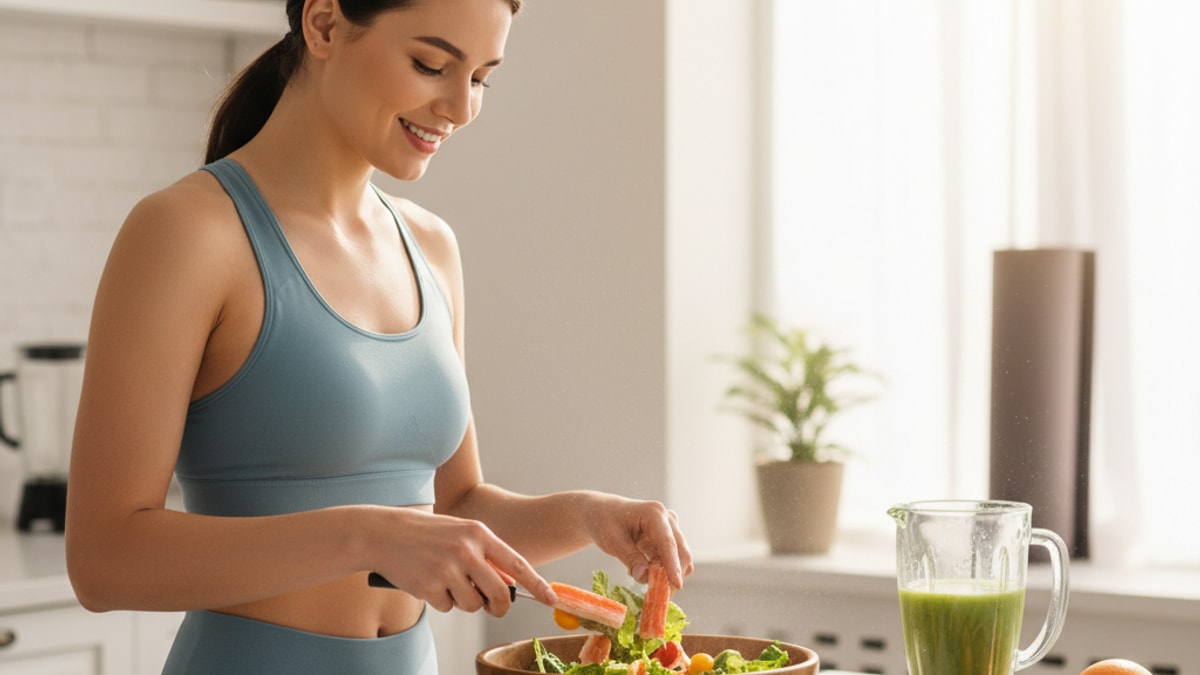
You’re standing in the refrigerated section of the grocery store, staring at that brightly colored package of flaky, seafood-adjacent sticks. The label screams “low-fat” and the price is certainly right. The question pops into your head, a question our team at TrimrX hears in various forms all the time: is imitation crab good for weight loss? It seems like a simple, convenient protein source. A guilt-free way to whip up a quick salad or snack. But is it really?
Let’s be honest, the world of diet foods in 2026 is a sprawling, often confusing landscape. Navigating it feels like a full-time job. You’re trying to make smart choices, but every aisle presents a new puzzle. That package of imitation crab is a perfect example of this dilemma. On the surface, it looks like a win. But as with most things in nutrition and sustainable weight management, the real story is always a bit more nuanced. We've spent years helping people understand the science behind their food choices and how those choices impact their body's complex systems. So, let's pull back the curtain on this popular seafood stand-in and give you the unflinching truth.
What Exactly Are You Eating When You Eat Imitation Crab?
Before we can even touch on its role in weight loss, we have to understand what imitation crab actually is. Because, spoiler alert, it’s not crab. Not even a little bit.
The primary ingredient is something called surimi. Surimi is essentially a seafood paste made from fish—usually wild Alaska pollock. To create it, the fish is deboned, minced, and washed repeatedly to remove fat, blood, and pigments, leaving behind a concentrated protein gel. It sounds a bit industrial, and it is. This flavorless, colorless paste becomes the blank canvas for food scientists.
From there, a whole host of other ingredients are added to transform that bland paste into something that vaguely resembles the taste and texture of crab leg meat. This is where things get complicated for anyone focused on health and weight loss. Common additives include:
- Starches: Potato starch, corn starch, or wheat starch are added as binders to give the surimi a firmer, more crab-like texture. These are carbohydrates, plain and simple.
- Sugar and/or Sorbitol: A surprising amount of sugar or sugar alcohols are often added to enhance the sweetness (real crab is naturally slightly sweet) and improve the product's texture, especially after freezing.
- Vegetable Oil: A small amount is typically added for mouthfeel and to improve shelf life.
- Salt (Sodium): A significant amount of salt is used for flavor and as a preservative.
- Flavorings: This can include real crab extract (often in tiny amounts) but is usually a proprietary blend of artificial and natural flavors to mimic the taste of crab.
- Coloring: Paprika, carmine, or other food dyes are used to create that signature reddish-orange streak on the outside.
So, what you’re eating isn’t a lean piece of shellfish. It's a highly processed food product engineered to look and taste like something else. This isn't inherently a bad thing, but it’s a critical, non-negotiable distinction when you're making choices for your body. The difference is stark.
The Nutritional Showdown: Imitation Crab vs. Real Crab
Words only tell part of the story. To really get to the heart of the matter, we need to look at the numbers. Our team put together a straightforward comparison. Let's pit a standard serving of imitation crab against the same amount of real, glorious King Crab. The differences are illuminating.
| Nutrient (per 100g serving) | Imitation Crab (Average) | Real King Crab (Steamed) |
|---|---|---|
| Calories | ~95 kcal | ~84 kcal |
| Protein | ~8 g | ~18 g |
| Carbohydrates | ~15 g | 0 g |
| – of which Sugars | ~6 g | 0 g |
| Fat | <1 g | <1 g |
| Sodium | ~840 mg | ~910 mg |
| Omega-3 Fatty Acids | Minimal to none | ~440 mg |
| Vitamin B12 | ~10% DV | ~400% DV |
| Zinc | ~4% DV | ~69% DV |
Just look at that table for a moment. A few things jump out immediately. Yes, the calories are low in both. That’s the initial appeal. But the story unravels from there.
First, the protein. Real crab delivers more than double the protein. Protein is the undisputed champion of satiety—it keeps you feeling fuller for longer, which is absolutely fundamental for managing appetite and reducing overall calorie intake. An 8-gram serving of protein from imitation crab is decent, but it's just not in the same league.
Then comes the carbohydrate and sugar content. This is the big red flag. Real crab has zero carbs and zero sugar. Imitation crab, thanks to all those added starches and sweeteners, can pack a surprising punch of both. Fifteen grams of carbs, with six of those being straight sugar, is more than you'd find in some cookies. This can lead to a quicker spike in blood sugar, followed by a crash that can leave you feeling hungry and craving more carbs not long after eating. It's a vicious cycle we see all the time in our practice.
The Case For Imitation Crab in a Weight Loss Plan
Okay, so it’s a processed food with added sugar. Does that mean it has no place at all? Not necessarily. We believe in a pragmatic, not a puritanical, approach to nutrition. There are a few arguments in its favor.
It’s undeniably a low-calorie food. If you make a large salad and top it with 100 grams of imitation crab instead of, say, crispy chicken or a heavy, creamy dressing, you are saving a significant number of calories. In the simple math of calories-in versus calories-out, this can be a useful tool for volume eating—the practice of eating a large volume of low-calorie food to feel full. It’s a strategy, and for some, it works in the short term.
It’s also incredibly convenient and affordable. Let’s face it, fresh King Crab isn't exactly a budget-friendly weeknight dinner. The accessibility of imitation crab means people can get a quick, easy, seafood-flavored protein fix without breaking the bank. If the choice is between a fast-food burger and a homemade salad with imitation crab, the salad is almost certainly the better option. We get that. Life is about choices and trade-offs.
The Hidden Drawbacks That Can Sabotage Your Progress
Now for the other side of the coin. Our experience at TrimrX shows that long-term, sustainable weight loss is about so much more than just counting calories. It’s about hormonal balance, metabolic health, and understanding how your body actually processes food. This is where imitation crab starts to look a lot less appealing.
First, let's go back to the sugar and refined carbs. Foods that cause a rapid rise and fall in blood sugar can wreak havoc on your weight loss efforts. They feed a cycle of cravings and energy slumps. This is precisely the kind of biological feedback loop that medically-supervised programs are designed to interrupt. The GLP-1 medications we use, like Semaglutide and Tirzepatide, work in part by regulating insulin response and slowing gastric emptying, which keeps you feeling full and stable. Relying on a food that does the opposite—spiking your sugar—is like trying to swim upstream.
Then there's the sodium. The amount of sodium in some brands is genuinely shocking. While the table shows it as comparable to real crab (which is naturally high in sodium from saltwater), it's often more concentrated in the processed version. High sodium intake leads to water retention, which can be incredibly discouraging when you’re watching the scale. You might be losing fat, but the scale doesn’t budge—or even goes up—because you’re holding onto water. It also contributes to that puffy, bloated feeling that just makes you feel less healthy overall.
Perhaps the most significant issue, however, is the fact that it's an ultra-processed food (UPF). The conversation around UPFs has reached a fever pitch in 2026, and for good reason. A growing body of research links high consumption of UPFs to weight gain and a host of other health issues. These foods are engineered to be hyper-palatable, meaning they override your body’s natural fullness cues. You can eat a lot of it without feeling truly satisfied on a deep, cellular level. It provides calories but lacks the micronutrients—the vitamins, minerals, and healthy fats like Omega-3s—that your body craves. You're filling a space in your stomach without actually nourishing your body. That's a bad trade.
A Smarter Strategy: Using Food as Fuel
So, what’s our professional recommendation? If you enjoy the taste of imitation crab, think of it as a condiment or a 'sometimes' food, not a dietary staple. Use a small amount to add flavor to a massive veggie-packed salad, but don't make it the star of the show.
When you do buy it, become a relentless label-reader. Brands vary wildly. Look for one with the lowest possible sugar and sodium content, and the highest protein. Some newer, health-focused brands are emerging that use less starch and sugar, which is a step in the right direction.
But here's the bigger picture we want you to see. Fixating on whether one specific food is 'good' or 'bad' can be a distraction from what really matters. True, lasting weight management isn't about finding the perfect low-calorie swap. It's about building a holistic system that supports your body's health from the inside out.
This is the entire philosophy behind our work at TrimrX. We've found that for many people, especially those who have struggled with yo-yo dieting for years, the issue isn't a lack of willpower; it's a battle against their own biology. Powerful hormonal signals that regulate hunger, cravings, and fat storage are often working against them. This is a difficult, often moving-target objective to overcome with diet alone.
This is where a modern, scientific approach can make a dramatic difference. By using FDA-registered medications like GLP-1s, we help our patients reset those biological signals. It's not about a magic pill; it's about using a powerful tool to make a healthy lifestyle finally feel achievable and natural, rather than a constant, grueling fight. When your appetite is properly regulated and you're not battling intense cravings, making nutritious choices like opting for real fish over a processed substitute becomes infinitely easier.
So, while you're considering imitation crab, also consider the larger question: is your current strategy addressing the root causes of your weight challenges? If you're tired of the food-by-food guesswork and are ready for a comprehensive plan that aligns with your body's biology, we're here to help. A medically-supervised approach can provide the support and the biological reset you need to finally achieve your goals. If that sounds like the shift you've been looking for, you can Start Your Treatment Now and see how a different approach can change everything.
The final verdict on imitation crab for weight loss? It’s a tool of compromise. It's low in calories, but it comes at the cost of being a processed food high in refined carbs, sugar, and sodium, while being low in the high-quality protein and micronutrients your body truly needs. It might not derail your diet in a single meal, but relying on it as a staple is a flawed strategy. Your health journey deserves better, more nourishing fuel than that.
Frequently Asked Questions
Can I eat imitation crab on a keto diet?
▼
Generally, no. Most imitation crab contains added starches and sugar, which gives it a significant carbohydrate count. This makes it unsuitable for a strict ketogenic diet, which requires very low carb intake to maintain ketosis.
Is imitation crab made from real crab meat at all?
▼
No, imitation crab is not made from crab meat. It’s made from a fish paste called surimi, most commonly from Alaska pollock. Some brands may add a minuscule amount of crab extract for flavoring, but the body of the product is fish.
How much imitation crab is too much to eat for weight loss?
▼
Our team recommends treating it as a secondary ingredient, not a primary protein source. A serving of 3-4 ounces (about 100g) once or twice a week is reasonable, provided it fits into a balanced diet rich in whole foods. Relying on it daily is not advisable.
Does imitation crab contain gluten?
▼
Often, yes. Many brands use wheat starch as a binder, which contains gluten. If you have a gluten sensitivity or celiac disease, you must check the packaging carefully for a ‘gluten-free’ certification.
Which is better for weight loss: imitation crab or canned tuna?
▼
Canned tuna is nutritionally superior. It’s higher in protein, contains zero carbs or sugar, and is a great source of Omega-3 fatty acids. For weight loss, the higher protein in tuna will promote satiety much more effectively than imitation crab.
Why is imitation crab so high in sodium?
▼
Sodium is added during the surimi manufacturing process for both flavor and preservation. It helps give the product its characteristic savory taste and extends its shelf life, but the amount can be problematic for those monitoring their salt intake.
Can imitation crab cause bloating or digestive issues?
▼
Yes, for a few reasons. The high sodium content can cause water retention and bloating. Additionally, some people are sensitive to the additives, like sorbitol (a sugar alcohol) or starches, which can cause digestive upset in some individuals.
What are some healthier alternatives to imitation crab?
▼
Excellent alternatives include steamed shrimp, canned tuna or salmon, baked cod, or even real crab meat if your budget allows. For a plant-based option, shredded hearts of palm or chickpeas can offer a similar texture in salads.
Is imitation crab considered an ultra-processed food (UPF)?
▼
Yes, absolutely. It’s a textbook example of an ultra-processed food. It starts with a raw ingredient (fish) that is broken down and then reformulated with multiple industrial additives, starches, sugars, and flavorings.
How does a medically-supervised program like TrimrX differ from just dieting with foods like imitation crab?
▼
Dieting focuses on food choices alone, which can feel like a constant battle against cravings and hunger. A program like the one offered at TrimrX addresses the underlying biology of weight with tools like GLP-1 medications, which help regulate appetite and blood sugar. This makes it easier to adopt and sustain healthy eating habits for long-term success.
Is there any nutritional benefit to eating imitation crab?
▼
The main benefit is that it’s a low-calorie, low-fat source of some protein. However, these benefits are largely outweighed by its processed nature, added carbs and sugar, and lack of the micronutrients found in whole seafood.
Can children eat imitation crab safely?
▼
Yes, it is generally safe for children to eat, but it shouldn’t be a staple of their diet. As with adults, it’s a processed food, and whole food sources of protein like real fish, chicken, or beans are far more nutritious for growing bodies.

Transforming Lives, One Step at a Time
Keep reading

Do You Need a Prescription for GLP-1s? The 2026 Answer
Wondering ‘do you need a prescription for glp 1’ in 2026? Yes. We explain why a doctor’s oversight is critical for safe, effective results.

How to Get GLP-1 Covered By Insurance: Our 2026 Playbook
Struggling with how to get glp-1 covered by insurance? Our 2026 guide breaks down prior authorizations, appeals, and documentation.

Traveling with GLP-1s in 2026: Your Essential Trip-Proof Plan
Don’t let travel disrupt your GLP-1 treatment. Learn how to travel with glp 1 medications safely and stress-free in our 2026 expert guide.


