Is It Normal to Bruise After a Zepbound Injection?
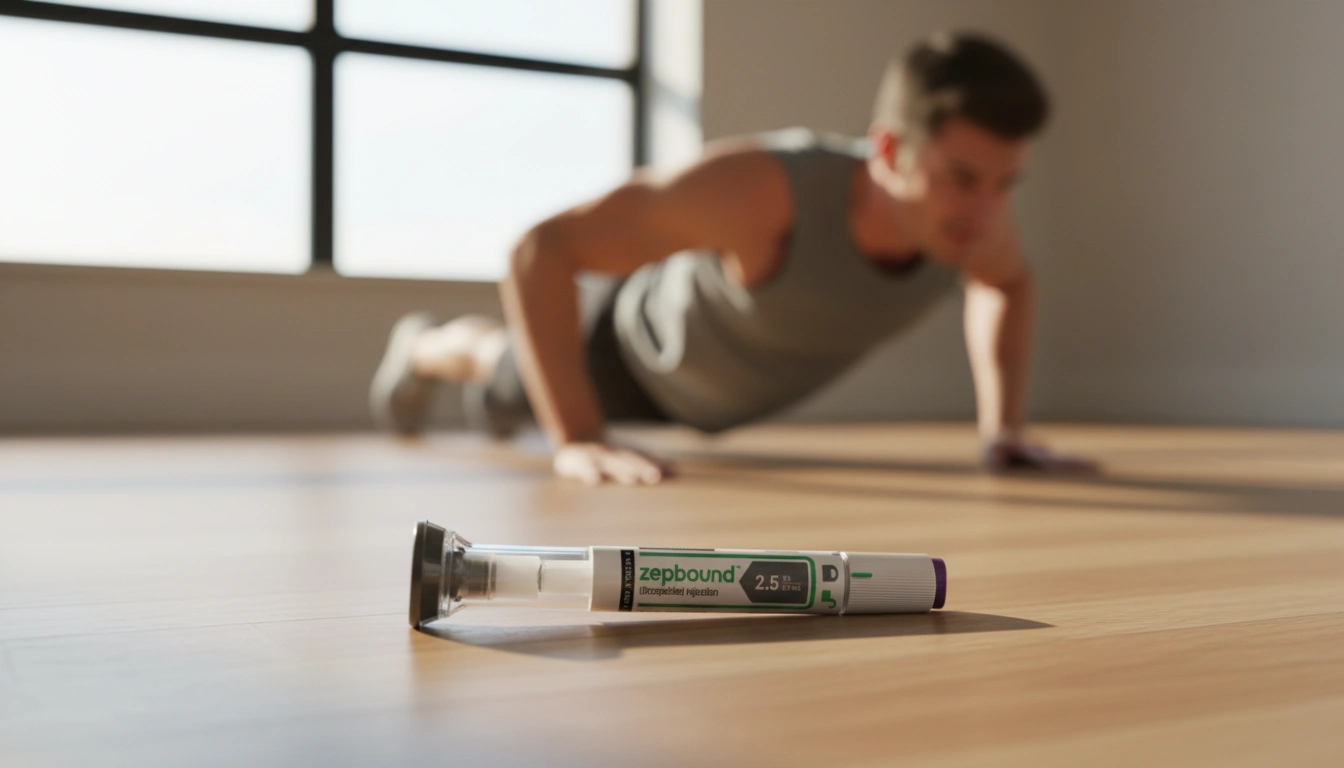
A small purple or yellowish mark a day after your shot, a tender spot on your belly or thigh, or a bruise that seems bigger than such a small needle should cause: bruising is something many people on Zepbound or compounded tirzepatide notice from time to time. It is usually harmless, and a few changes to your technique often make it much less frequent.
The short answer
Yes, a small bruise at the injection site is common and usually fades within a week or so. It happens when the needle nicks a tiny blood vessel under the skin. Bruising is more likely if you take blood thinners or aspirin, inject into the same spot repeatedly, or press hard afterward. A bruise that keeps growing, a hard, hot, or very painful site, or bruising in places you did not inject needs checking.
Why bruises happen
- Hitting a small blood vessel under the skin, which is often just bad luck.
- Injecting into the same area too often.
- Rubbing or pressing hard on the site afterward.
- Blood thinners, aspirin, and some supplements, such as fish oil, vitamin E, or ginkgo.
- Thin skin or areas with less fat under the skin.
- Moving the needle during the injection.
How to prevent bruising
- Rotate sites each week, moving at least an inch from your last spot.
- Choose areas with more fat under the skin, away from visible veins.
- Let alcohol dry fully before injecting.
- Keep the needle steady and remove it at the same angle it went in.
- Apply gentle pressure with a clean cotton ball for a few seconds afterward, without rubbing.
- Use a new needle every time.
Our guide on rotating injection sites covers how to build a simple rotation, and our guide on storing compounded semaglutide or tirzepatide at home covers handling your medication correctly.
What helps a bruise fade
- Apply a cool compress for 10 minutes in the first day.
- Switch to a warm compress after a day or two.
- Leave it alone and avoid injecting into it until it has healed.
- Be patient. Bruises usually change from purple to green to yellow over a week or two.
Does a bruise mean the dose did not work?
Usually not. A small bruise means a tiny blood vessel was nicked, but the medication was still delivered under the skin. The prescribing information for Zepbound reports a median time to maximum concentration of 24 hours after a dose, with a range of 8 to 72 hours, and an elimination half-life of about 5 to 6 days. If medication leaked out of the site or you are unsure you got your full dose, call your provider before injecting again.
When a bruise is not normal
Seek care promptly for a bruise that keeps growing, a site that becomes hard, hot, very painful, or swollen, redness that spreads, pus, red streaks, or fever. Tell your provider if you bruise easily in places you did not inject, have frequent nosebleeds or bleeding gums, or notice tiny red or purple dots on your skin.
If you take a blood thinner
Do not stop a blood thinner or aspirin to avoid bruising. Tell your provider you bruise at injection sites, and use gentle technique and pressure.
Nutrition and bruising
Eating very little for a long time can leave you short on nutrients your skin and blood vessels need. Our guide on getting the most out of your GLP-1 treatment covers how to eat enough protein and a range of foods on a small appetite.
Dose increases
The prescribing information for Zepbound says the dose may be increased in 2.5 mg steps after at least 4 weeks on the current dose. Our guide on the starting dose of tirzepatide covers what the first weeks usually look like.
If you have diabetes
The prescribing information for Zepbound states that “ZEPBOUND lowers blood glucose and can cause hypoglycemia.” The risk is mainly for people who also take insulin or a sulfonylurea. If you also inject insulin, keep your sites separate and follow your care team’s advice. Never change those medicines on your own.
Watch for the signs of under-eating too: persistent fatigue, feeling cold, hair shedding, dizziness when you stand, losing strength, and losing weight faster than you and your provider intended.
A simple site map helps. Some people draw a small grid on a card or use a phone note, dividing the abdomen and thighs into zones and moving to the next zone each week. It takes the guesswork out of rotation and gives bruised spots time to heal.
Consider this scenario: a woman on Zepbound who takes daily fish oil and aspirin gets a bruise almost every week. She always injects just below her belly button, presses hard with her thumb afterward, and rubs the spot. Rotating between both sides of her abdomen and her thighs, choosing spots away from visible veins, pressing gently with a cotton ball without rubbing, and mentioning the bruising to her provider rather than stopping her aspirin would very likely have made the bruises much less frequent.
The short version
A small bruise after a Zepbound injection is common and usually harmless. Rotate sites, avoid visible veins, let alcohol dry, keep the needle steady, and press gently without rubbing. Do not stop blood thinners on your own. Seek care for a bruise that keeps growing, a hard, hot, or very painful site, spreading redness, fever, or bruising where you did not inject.
If you want a provider who will help with injection questions as they come up, TrimRx includes ongoing provider access alongside treatment.
This information is for educational purposes and is not medical advice. Consult with a healthcare provider before starting any medication. Individual results may vary.

Transforming Lives, One Step at a Time
Keep reading
Is It Normal to Have Brain Fog on Zepbound?
Losing your train of thought mid-sentence, rereading the same email three times, or feeling slow and fuzzy by mid-afternoon: brain fog is something some…
Is It Normal to Be Gassy on Zepbound?
Rumbling after meals, burping that will not settle, or passing far more gas than usual: being gassy is a side effect many people on…
Is It Normal to Feel Bloated on Zepbound?
A tight, swollen feeling after a small meal, waistbands that feel snug by evening, or a belly that seems full of air: bloating is…


