Is It Normal to Need Less Insulin on Mounjaro?
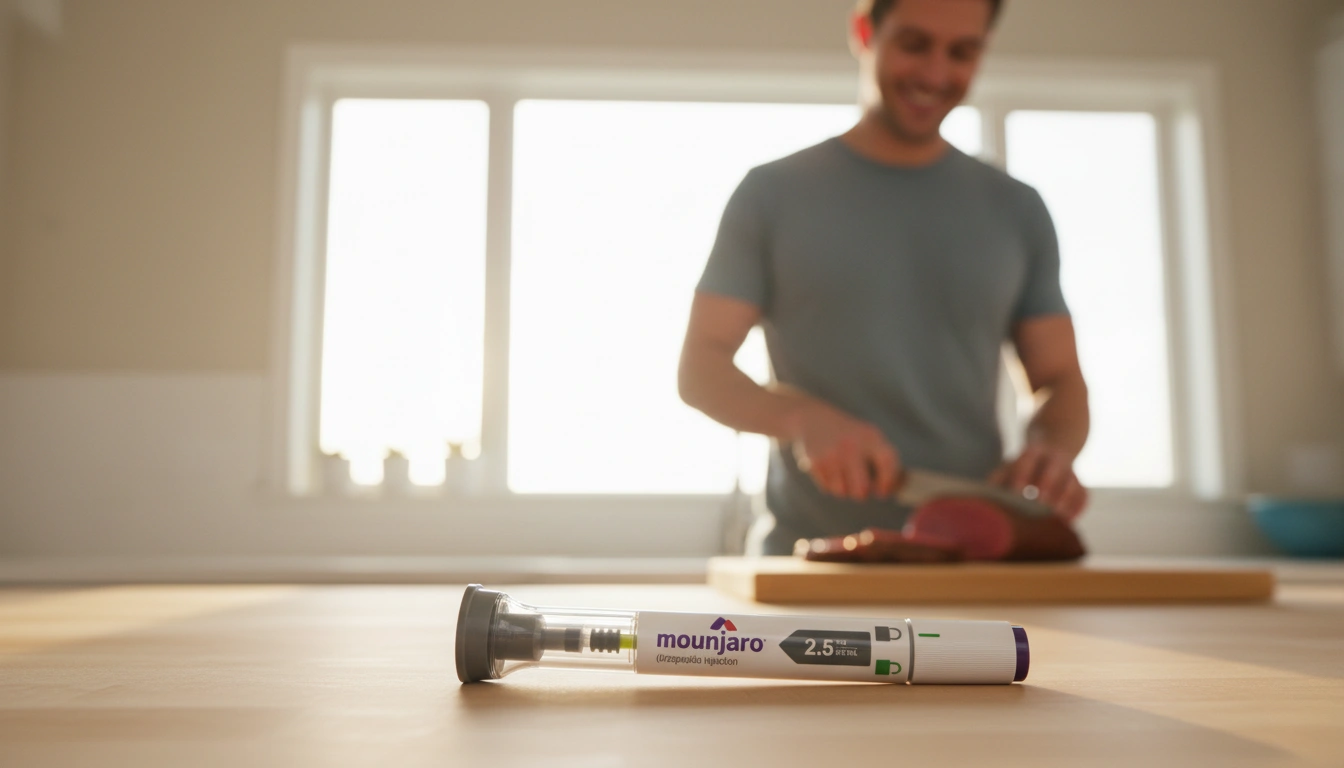
Your usual insulin dose used to keep you in range. Now, a few weeks or months into Mounjaro or compounded tirzepatide, you are seeing more low readings, especially before meals or overnight. For many people with type 2 diabetes, this is a sign that Mounjaro is working. It also means your insulin plan likely needs adjusting, and that adjustment needs to be made with your provider.
The short answer
Yes, it is common to need less insulin on Mounjaro. Mounjaro lowers blood sugar and reduces appetite, so the same insulin dose can push blood sugar too low. That raises the risk of hypoglycemia, including severe lows. Tell your provider about any lows or falling readings promptly, and never change your insulin or other diabetes medicines on your own.
What the label says
The prescribing information for Mounjaro says people who take it with insulin or an insulin secretagogue, such as a sulfonylurea, may have an increased risk of hypoglycemia, including severe hypoglycemia. In a 40-week trial that added Mounjaro to basal insulin, blood sugar below 54 mg/dL was reported by 14% to 19% of adults across the three doses, compared with 13% on placebo. In the trial where Mounjaro was taken on its own, it was reported by 0% at every dose, compared with 1% on placebo. The other medication is what drives most of the risk.
Why insulin needs can drop
- Lower blood sugar. Mounjaro helps your body release insulin when glucose is high and lowers glucose overall.
- Eating less. A smaller appetite means fewer carbohydrates to cover.
- Weight loss, which can improve how well your body responds to insulin.
- Dose increases. Each step up can lower blood sugar further.
Signs of low blood sugar
Shakiness, sweating, a fast heartbeat, sudden hunger, irritability, confusion, blurry vision, and headache can all be signs of a low. Nightmares, night sweats, or waking with a headache can point to a low overnight. Check your blood sugar when these happen and treat a low the way your care team has advised.
What to do
- Check your blood sugar more often when starting Mounjaro and after dose increases.
- Keep a log of readings, insulin doses, meals, and activity.
- Carry a fast-acting carbohydrate, such as glucose tablets.
- Call your provider about any lows or a steady drop in readings.
- Ask about glucagon at home if you take insulin, and make sure people around you know how to use it.
Our guide on tracking your progress covers simple ways to keep a log your provider can use.
Never adjust insulin on your own
It can be tempting to cut your insulin yourself when you see lows, or to skip Mounjaro instead. Both can go wrong. Your provider can decide how much to lower insulin, whether to change a sulfonylurea, and how to time changes around your Mounjaro dose steps. Our guide on taking a break and restarting covers why stopping and restarting a GLP-1 is more involved than it sounds.
Dose increases
The Mounjaro label starts at 2.5 mg once weekly for 4 weeks, then 5 mg. After that, the dose may be increased in 2.5 mg steps after at least 4 weeks on the current dose. Insulin needs often change again after each step up. Our guide on the starting dose of tirzepatide covers what the first weeks usually look like.
When it is an emergency
Call 911 for confusion, fainting, a seizure, being unable to swallow safely, or a low that does not come up with treatment. Seek care promptly for repeated lows despite treatment.
Injection sites
Keep your Mounjaro and insulin injection sites separate, and rotate each. The prescribing information for Mounjaro lists the abdomen and thigh, or the back of the upper arm if someone else gives the injection. Our guide on rotating injection sites covers how to build a simple rotation.
Watch for the signs of under-eating too, since eating very little on the same insulin dose raises the risk of lows: persistent fatigue, feeling cold, hair shedding, dizziness when you stand, losing strength, and losing weight faster than you and your provider intended.
Needing less insulin can feel like a real milestone, and for many people it is. Lower insulin doses can make weight loss easier and reduce the risk of lows over time. The key is to make those changes deliberately, with your provider, rather than reacting to each low reading on your own.
Consider this scenario: a man with type 2 diabetes on Mounjaro and long-acting insulin moves up a dose and, over the next week, wakes with readings in the low 60s and has a shaky spell before lunch. He is eating much less than before. Treating the lows, keeping a log of readings and meals, and calling his provider, who could lower his insulin dose, would very likely have kept him safe as Mounjaro continued to work.
The short version
Needing less insulin on Mounjaro is common, because it lowers blood sugar and appetite. That makes lows more likely if your insulin stays the same, and the label warns about severe hypoglycemia with insulin or a sulfonylurea. Check your blood sugar more often, keep a log, carry glucose tablets, and call your provider about lows. Never change your insulin or other diabetes medicines on your own.
If you want a provider who will adjust your diabetes plan as Mounjaro starts working, TrimRx includes ongoing provider access alongside treatment.
This information is for educational purposes and is not medical advice. Consult with a healthcare provider before starting any medication. Individual results may vary.

Transforming Lives, One Step at a Time
Keep reading

Is It Normal to Get New Side Effects Months Later on Mounjaro?
The first weeks were bumpy, then things settled. Your blood sugar improved, the nausea faded, and you stopped thinking much about side effects. Now,…

Is It Normal to Crave Sweets on Mounjaro?
You expected your sweet tooth to fade. Your appetite is smaller and meals feel easier, yet mid-afternoon you find yourself thinking about cookies or…
Is It Normal for Blood Pressure to Drop on Mounjaro?
You check your blood pressure at home and the numbers are lower than they have been in years. Maybe that is good news. But…


