Is Juicing Good for Weight Loss? A Medical Team’s Honest Answer
The Alluring Promise of the Juice Cleanse
Let's be honest. You've seen them. Those vibrant, jewel-toned juices lined up perfectly on Instagram, promising a fast track to detoxification, radiant skin, and, of course, rapid weight loss. The appeal is almost magnetic. In a world of demanding schedules and high expectations, the idea of hitting a reset button, of flooding your body with pure, unadulterated nutrients from fruits and vegetables, feels like a clean, simple solution to a complex problem. It's marketed as a way to shed pounds quickly while giving your digestive system a much-needed vacation.
But as a medical team on the front lines of weight management, we've seen the other side of this story. We've counseled countless patients who arrive frustrated, having tried every 3-day, 7-day, or 21-day juice fast imaginable, only to end up right back where they started—or sometimes, even worse off. So, we need to ask the unflinching question: is juicing good for weight loss in a way that actually lasts? The answer is far more nuanced than a pretty picture on social media would have you believe. It's a question that cuts to the very core of metabolic health, and our experience shows the popular narrative is deeply flawed.
First, What Are We Even Talking About?
It's crucial to get our definitions straight, because the words 'juicing' and 'blending' are often used interchangeably, and they are fundamentally different processes with dramatically different effects on your body. This isn't just semantics; it's the whole game.
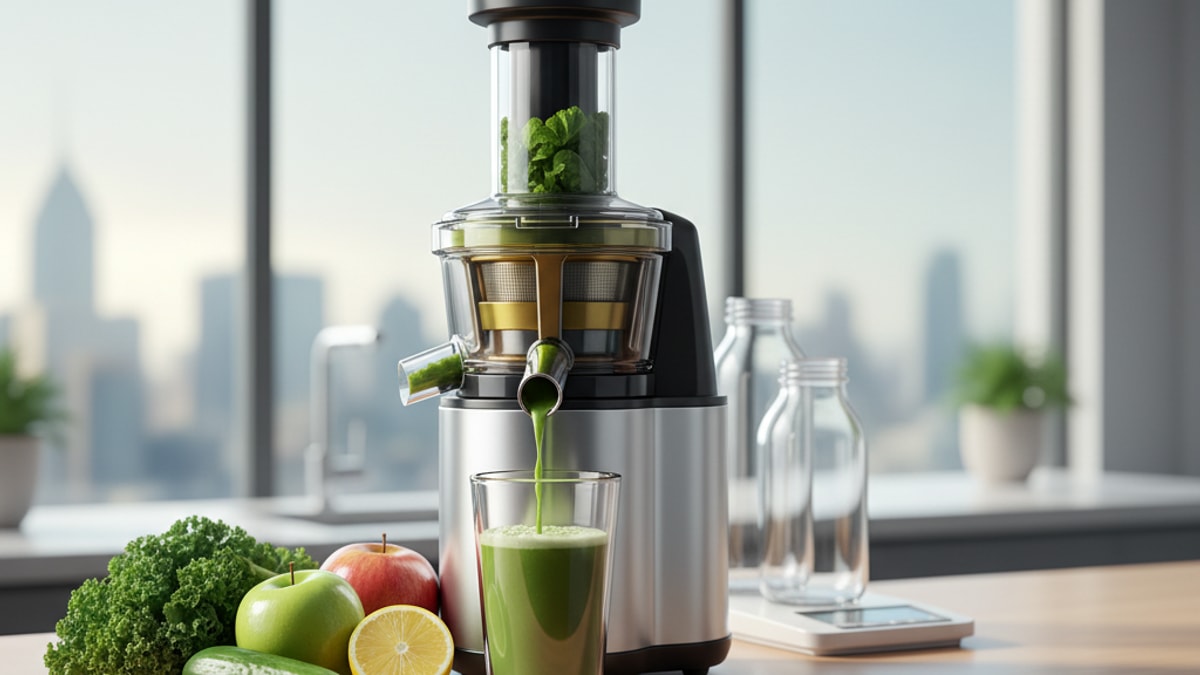
Juicing involves a machine (a juicer) that uses force and speed to extract the water and nutrients from produce, leaving behind a pile of pulp. That pulp is the fiber. It gets discarded. What you're left with is a concentrated liquid vitamin and sugar shot. Think of it as isolating one part of the plant.
Blending, on the other hand, uses a blender to pulverize the entire fruit or vegetable—skin, seeds, pulp, and all. Nothing is removed. You're consuming the whole food, just in a liquid form. This is what we call a smoothie, and it's a completely different metabolic experience.
This single distinction—the removal of fiber—is the critical, non-negotiable element that changes everything. It's the reason a glass of juice and a smoothie have such profoundly different impacts on hunger, blood sugar, and ultimately, your weight loss journey.
The Uncomfortable Truth: Why Juicing Often Sabotages Weight Loss
The initial drop on the scale during a juice cleanse can be intoxicating. Seeing those numbers go down in just a few days feels like a massive victory. But what are you actually losing? Our team has found that this initial, rapid loss is almost entirely water weight and glycogen (stored carbohydrates), not significant body fat. It's a temporary illusion, and it comes at a steep, often hidden, metabolic cost.
Here's the breakdown of what's really happening inside your body.
The Fiber Fiasco
We can't stress this enough: fiber is your best friend in weight management. When you juice, you throw your best friend in the trash. Fiber does two critical things. First, it slows down the absorption of sugar into your bloodstream, preventing the dramatic spikes and crashes that drive cravings. Second, it physically takes up space in your stomach and intestines, signaling to your brain that you're full and satisfied. It promotes satiety. Take away the fiber, and you're left with a beverage that does the exact opposite.
It's a metabolic trap.
The Blood Sugar Rollercoaster
A glass of fresh-pressed apple or orange juice is essentially a glass of sugar water with some vitamins. Without fiber to buffer its absorption, that sugar hits your bloodstream like a tidal wave. Your pancreas scrambles to release a flood of insulin to manage the onslaught. This massive insulin spike quickly shoves the sugar into your cells, causing your blood sugar to plummet just as fast as it rose. What happens next? You feel shaky, irritable, and intensely hungry again within an hour or two. We call this reactive hypoglycemia. It's a vicious cycle that makes sticking to a calorie-controlled plan nearly impossible, leading to cravings for more quick-energy (read: sugary) foods.
The Calorie Overload Illusion
It’s deceptively easy to consume a colossal number of calories from juice without feeling even remotely full. Think about it. You could easily drink the juice of five oranges in a single glass, which is around 300-350 calories. But could you sit down and eat five whole oranges? Probably not. The sheer volume and fiber from the whole fruit would make you feel stuffed long before you finished. Juicing removes the natural 'off switch' that whole foods provide, making it easy to overconsume calories while still feeling ravenously hungry.
The Catastrophic Loss of Muscle
This is perhaps the most damaging consequence of long-term juice fasting. Most juice cleanses are extremely low in calories and, critically, contain virtually zero protein. Protein is essential for preserving lean muscle mass, especially when you're in a caloric deficit. When your body is starved of both calories and protein, it doesn't just burn fat. It starts breaking down metabolically active muscle tissue for energy—a process called catabolism.
Why is this so bad? Because your muscle mass is the engine of your metabolism. The more muscle you have, the more calories you burn at rest. Losing muscle during a cleanse means you're actively slowing down your metabolism. So when you inevitably stop the cleanse and return to normal eating, your body is now primed to regain the weight (and then some) as fat, because your metabolic furnace is burning much less efficiently. You end up with a higher body fat percentage than when you started. It's a truly catastrophic outcome for long-term health.
Juicing vs. Blending: The Showdown
To make this crystal clear, our team put together a simple comparison. When you look at the metabolic effects side-by-side, a clear winner for anyone serious about health and weight management emerges.
| Feature | Juicing (Fiber Removed) | Blending (Whole Food Smoothie) |
|---|---|---|
| Fiber Content | Virtually none. The most beneficial part is discarded. | High. The entire fruit/vegetable fiber is retained. |
| Satiety (Fullness) | Very low. Leads to hunger and cravings soon after. | High. Fiber and volume promote a lasting feeling of fullness. |
| Blood Sugar Impact | Causes a rapid spike and subsequent crash. | Slow, controlled release of sugar due to the fiber buffer. |
| Nutrient Profile | Concentrated vitamins and minerals, but missing fiber. | Complete profile: vitamins, minerals, fiber, phytonutrients. |
| Calorie Density | High. Easy to drink many calories without realizing it. | Lower for the same feeling of fullness. More volume. |
Honestly, there's no contest. If you enjoy a liquid meal, a smoothie made with whole fruits, vegetables, and a source of protein (like Greek yogurt or protein powder) and healthy fat (like avocado or chia seeds) is a nutritionally complete and metabolically intelligent choice. A juice is not.
So, Is There Ever a Place for Juice?
After all that, you might think our team is completely against juicing. Not entirely. But its role needs to be radically redefined. We've found that the only sensible way to incorporate juice is to think of it not as a meal, not as a cleanse, and certainly not as a weight loss strategy, but as a supplement. A tool.
A small glass of fresh, vegetable-heavy juice (think celery, cucumber, spinach, kale, with maybe a sliver of green apple for taste) can be a great way to get a concentrated dose of vitamins and phytonutrients. It can be a healthy addition alongside a balanced, protein-rich breakfast. For instance, having a small green juice with your scrambled eggs and avocado is perfectly fine. The protein and fat from the meal will buffer any small amount of sugar in the juice, preventing the blood sugar spike.
Our professional recommendation is simple: If you enjoy it, use low-sugar, vegetable-based juice as you would a liquid multivitamin. Never, ever use it to replace a meal.
Beyond the Juice: What Really Moves the Needle for Weight Loss
The reason juicing fails as a long-term strategy is that it ignores the fundamental principles of human physiology and metabolism. Lasting weight loss isn't about quick fixes or 7-day 'detoxes.' It's about creating a sustainable lifestyle that works with your body's biology, not against it.
Here’s what our experience shows truly delivers results.
1. A Sustainable Caloric Deficit: This is the non-negotiable law of thermodynamics. To lose fat, you must consistently consume fewer calories than your body expends. The key word here is 'sustainably.' A punishingly low-calorie juice fast is not sustainable. A moderate deficit achieved by eating whole, satisfying foods is.
2. The Power of Protein and Fiber: We've said it before, and we'll say it again. These two nutrients are the pillars of successful weight management. They keep you full, stabilize your blood sugar, and (in the case of protein) preserve your metabolism-stoking muscle mass.
3. Addressing the Hormonal Equation: This is where it gets interesting, and where modern medicine offers a formidable advantage. Weight isn't just about calories in, calories out. It's profoundly influenced by hormones that regulate hunger, satiety, and blood sugar. Hormones like GLP-1 (glucagon-like peptide-1) are natural signals your body uses to say, 'I'm full.' For many people struggling with weight, these signaling pathways can become dysfunctional.
This is precisely where the work we do at TrimrX becomes a game-changer. Our medically-supervised programs utilize FDA-registered GLP-1 medications like Semaglutide and Tirzepatide. These treatments don't ask you to fight against your own biology with sheer willpower. Instead, they work by amplifying your body's natural satiety signals. They help regulate your appetite and improve your body's insulin response, making it fundamentally easier to achieve and maintain that crucial caloric deficit without the constant, draining battle against hunger and cravings that a juice cleanse creates.
It’s about shifting from a mindset of deprivation to one of biological support. If you feel like you've been fighting a losing battle, it may be time to explore how a medical approach can finally put you back in control. You can Take Quiz on our site to see if you’re a candidate for this type of transformative treatment.
4. Building Strength, Not Just Shrinking: The goal should never be just to be 'smaller.' The goal is to be stronger and healthier. Incorporating resistance training is essential. Building and maintaining muscle keeps your metabolism high, improves your body composition, and enhances insulin sensitivity. This is the opposite of what a juice fast does.
Juicing promises a shortcut, but in reality, it often leads you down a longer, more frustrating path filled with metabolic damage and rebound weight gain. It's a temporary solution that creates permanent problems. If you're ready to get off the fad-diet rollercoaster and build a truly sustainable path to a healthier weight, it's time to focus on the science. When you're ready to make that change, our team is here to help you Start Your Treatment and begin a new chapter.
Ultimately, the vibrant allure of juicing pales in comparison to the deep, lasting satisfaction of building a body that is strong, metabolically healthy, and resilient. That kind of result doesn't come from a bottle. It comes from a smart, science-backed strategy that honors your body's complex and incredible biology.
Frequently Asked Questions
How much weight can you really lose on a 3-day juice cleanse?
▼
On a 3-day juice cleanse, most people might see a 3-5 pound drop on the scale. However, our team confirms this is primarily water weight and stored glycogen, not actual body fat. This weight is typically regained very quickly once you resume normal eating.
Is vegetable juice better than fruit juice for weight loss?
▼
Yes, significantly. Vegetable juices are much lower in sugar and calories than fruit juices. If you choose to have juice, we recommend options made primarily from non-starchy vegetables like celery, cucumber, and spinach to minimize the impact on your blood sugar.
Does juicing actually ‘detox’ your body?
▼
The concept of a ‘detox’ through juicing is a marketing myth. Your body has incredibly efficient, built-in detoxification systems: your liver and kidneys. These organs work around the clock to filter and eliminate waste, and no juice cleanse can improve upon their natural function.
Will I gain the weight back after a juice cleanse?
▼
Yes, in our professional experience, it’s almost inevitable. Because the weight lost is mostly water and the cleanse can slow your metabolism by causing muscle loss, rebound weight gain is extremely common. Many people end up weighing more than when they started.
What’s the difference between cold-pressed and regular centrifugal juice?
▼
Cold-pressed juicers use slow, hydraulic pressure to extract juice, which generates less heat and may preserve more delicate nutrients. Centrifugal juicers use a fast-spinning blade, which can introduce heat and oxidation. While cold-pressed may be nutritionally superior, both methods still remove the all-important fiber.
Can juicing replace a meal?
▼
No, we strongly advise against it. A glass of juice lacks the critical macronutrients—protein, healthy fats, and fiber—that constitute a balanced meal. It won’t keep you full or provide the building blocks your body needs to maintain muscle and metabolic health.
Is it safe to do a juice cleanse if I have diabetes?
▼
Absolutely not. For individuals with diabetes or even pre-diabetes, a juice cleanse can be dangerous. The high sugar content and lack of fiber can lead to severe and unpredictable swings in blood sugar levels. You should always consult a doctor before any drastic dietary change.
How does juicing affect my metabolism?
▼
Long-term or repeated juice cleanses can negatively affect your metabolism. The severe calorie restriction and lack of protein can cause your body to break down muscle tissue for energy, which lowers your resting metabolic rate, making it harder to lose weight in the future.
Are store-bought juices a healthy option?
▼
Most store-bought juices are not healthy options for weight management. They are often pasteurized, which degrades nutrients, and many contain added sugars and preservatives. Even 100% juice is still a concentrated source of sugar without fiber.
How can GLP-1 medications help where juicing fails?
▼
Juicing fails because it works against your body’s biology, causing hunger and muscle loss. GLP-1 medications like Semaglutide work *with* your biology by enhancing your natural satiety hormones. This helps control hunger and regulate blood sugar, making sustainable weight loss achievable without the damaging side effects of a cleanse.
What should I focus on instead of juicing for weight loss?
▼
Our team recommends focusing on a diet rich in whole foods. Prioritize lean protein, high-fiber vegetables, and healthy fats at every meal. This combination stabilizes blood sugar, promotes satiety, and preserves muscle mass for a healthy, sustainable approach to weight loss.
Can I combine juicing with a weight loss medication program?
▼
While a small, low-sugar vegetable juice can be a supplement, it should not be the focus. Your medical provider will guide you toward a nutrient-dense, whole-foods-based eating plan to support your treatment, ensuring you get the protein and fiber needed for healthy, sustainable fat loss.

Transforming Lives, One Step at a Time
Keep reading

Do You Need a Prescription for GLP-1s? The 2026 Answer
Wondering ‘do you need a prescription for glp 1’ in 2026? Yes. We explain why a doctor’s oversight is critical for safe, effective results.

How to Get GLP-1 Covered By Insurance: Our 2026 Playbook
Struggling with how to get glp-1 covered by insurance? Our 2026 guide breaks down prior authorizations, appeals, and documentation.

Traveling with GLP-1s in 2026: Your Essential Trip-Proof Plan
Don’t let travel disrupt your GLP-1 treatment. Learn how to travel with glp 1 medications safely and stress-free in our 2026 expert guide.


