Matcha for Weight Loss: What Our Medical Team Wants You to Know
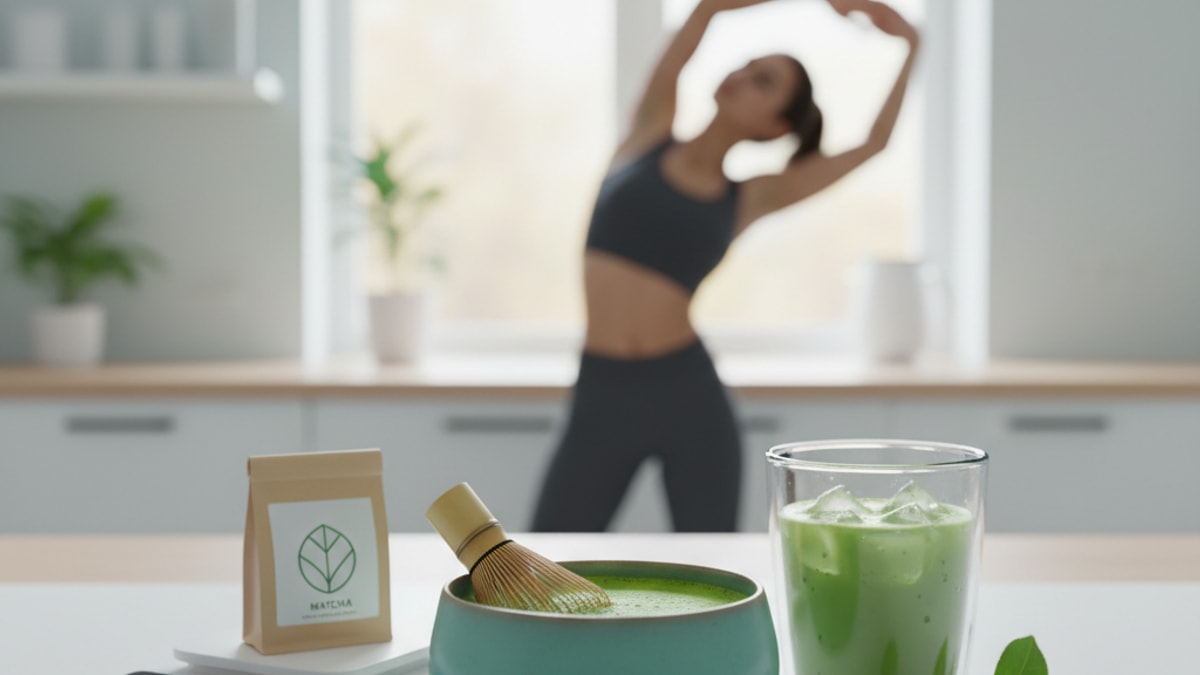
You’ve seen it everywhere. That vibrant, almost electric green powder swirled into lattes, blended into smoothies, and baked into pastries. Matcha has officially moved from a niche health food to a mainstream wellness staple. With this explosion in popularity comes a wave of claims, and one of the biggest is its supposed power to help you lose weight. But in an industry flooded with quick fixes and miracle ingredients, our team believes in looking at the unflinching science. Is matcha good for weight loss? Or is it just another health halo propped up by clever marketing?
Let’s cut through the noise. As a team deeply invested in the biological and physiological realities of weight management, we’ve seen countless trends come and go. Our work revolves around medically-supervised, science-backed solutions like GLP-1 medications, so we approach every new wellness fad with a healthy dose of skepticism and a demand for data. The truth about matcha is nuanced. It’s not a magic potion, but it’s also far more than just green-colored hype. It possesses unique properties that, when understood and used correctly, can be a formidable ally in a comprehensive health strategy.
What Exactly Is Matcha, Anyway?
Before we can even begin to talk about weight loss, we need to be clear on what matcha actually is, because it's fundamentally different from the green tea bag you might steep in hot water. Both come from the same plant, Camellia sinensis, but their cultivation and processing are worlds apart. This isn't just a minor detail; it's the entire reason for matcha's unique chemical profile.
Think of it this way: standard green tea is like making a broth with herbs—you infuse the water with some of their essence and then discard the leaves. Matcha is like grinding those herbs into a fine powder and consuming the entire thing. You get everything. All of it. The leaves are shade-grown for about three to four weeks before harvest. This critical step deprives the plant of direct sunlight, forcing it to overproduce chlorophyll (hence the brilliant green color) and, more importantly, a powerful amino acid called L-theanine. After harvesting, the leaves are gently steamed, dried, and then stone-ground into the fine powder you recognize. This whole-leaf consumption means you're ingesting a much higher concentration of the plant's antioxidants, vitamins, and minerals. It's a powerhouse. Simple, right?
This distinction is crucial. When studies talk about the potent effects of green tea catechins, especially epigallocatechin gallate (EGCG), matcha delivers a dose that can be up to 137 times greater than some conventionally brewed green teas. We can't stress this enough: you are consuming the entire leaf. That concentration is the primary driver behind the health claims we're about to explore.
The Core Question: Is Matcha Good for Weight Loss?
Alright, let's get to the heart of the matter. Does drinking this vibrant green beverage actually help move the needle on the scale? The short answer is yes, it can be a valuable supporting player. The long answer involves a few key biochemical mechanisms that our team finds particularly interesting.
First and foremost is its impact on your metabolism. This is where that super-concentrated dose of EGCG comes into play. EGCG is a type of catechin, a potent antioxidant that has been shown to boost thermogenesis. That’s the scientific term for the rate at which your body burns calories to produce heat. Several studies have suggested that the catechins in matcha can rev up your metabolic rate not just during exercise, but even at rest. It's a gentle nudge, not a raging fire, but over time, these small increases in daily calorie expenditure can accumulate and contribute to weight management. It’s a game of inches, and matcha helps you gain a few.
Beyond just a general metabolic lift, matcha appears to specifically encourage fat oxidation. This means it helps your body prioritize burning its stored fat for energy. This effect is particularly pronounced when matcha is consumed before moderate-intensity exercise. Think of it as priming your system to tap into fat reserves more efficiently during a brisk walk, a jog, or a cycling session. For anyone working to change their body composition, this is a significant advantage. You're not just burning calories; you're encouraging your body to burn the right kind of calories.
But here's where it gets really interesting, and this is an angle that often gets overlooked. Remember that unique amino acid, L-theanine? This is matcha’s secret weapon. L-theanine promotes a state of calm, focused alertness by increasing alpha wave activity in the brain. It works synergistically with caffeine to give you sustained energy without the jittery, anxious crash associated with coffee. From a weight loss perspective, this is huge. Why? Because L-theanine helps buffer the body’s stress response, which can lead to lower levels of cortisol. Cortisol, the infamous 'stress hormone,' is directly linked to increased appetite, cravings for high-fat and sugary foods, and the storage of visceral fat around the abdomen. By helping to manage stress and stabilize your mood, matcha can indirectly combat one of the biggest saboteurs of any weight loss plan: stress-induced eating.
Let's Be Realistic: Matcha Isn't a Magic Bullet
We need to be perfectly clear about something. Drinking a cup of matcha every morning is not going to magically melt away twenty pounds while you continue with your old habits. That’s not how biology works. Our experience in medically-supervised weight loss has shown us, time and time again, that sustainable results come from a comprehensive, multi-faceted strategy. Matcha is a tool—a very good one—but it is not the entire toolbox.
Think of it as an accelerant, not the fuel itself. It can enhance the effects of a healthy diet and regular exercise, but it cannot replace them. You can't out-drink a poor diet. If your daily matcha latte is loaded with sugar, syrup, and whole milk, you're not just negating the benefits; you're actively working against your goals.
This is where perspective is critical. For individuals who have struggled with significant weight challenges, metabolic resistance, or the formidable biological factors that make weight loss so difficult, lifestyle tweaks alone often aren't enough. It's a difficult, often moving-target objective. This is precisely why we do what we do at TrimrX. While supportive tools like matcha can be part of a healthy lifestyle, for those needing more significant intervention, a structured, science-led approach is non-negotiable. Modern treatments, including the FDA-registered GLP-1 medications we specialize in, can be a game-changer. They work on a fundamental biological level to regulate appetite, control blood sugar, and reset the body's metabolic patterns. This creates a powerful foundation upon which healthy habits—like incorporating matcha into your routine—can be successfully built. It’s about creating an internal environment where your efforts can finally pay off. If you're wondering if you might be a candidate for this kind of comprehensive support, you can Take Quiz to get a better understanding of your options.
Matcha vs. Other Weight Loss Drinks: A Quick Comparison
To put matcha's benefits into context, it helps to see how it stacks up against other popular beverages people turn to when trying to manage their weight. Here's what we've learned:
| Beverage | Key Active Compound(s) | Calorie/Sugar Content (Prepared Simply) | Primary Weight Loss Mechanism | Key Differentiator |
|---|---|---|---|---|
| Matcha | EGCG Catechins, L-Theanine, Caffeine | ~5 calories, 0g sugar | Boosts thermogenesis, increases fat oxidation, reduces stress (cortisol) | The combination of EGCG and L-theanine provides calm, focused energy and stress reduction. |
| Green Tea (Brewed) | EGCG Catechins, L-Theanine, Caffeine | ~2 calories, 0g sugar | Similar to matcha, but less potent. | Lower concentration of active compounds since the leaf is infused, not consumed. |
| Black Coffee | Caffeine, Chlorogenic Acid | ~5 calories, 0g sugar | Increases metabolic rate, acts as an appetite suppressant (for some). | Can cause jitters/anxiety; lacks the calming L-theanine and high EGCG levels. |
| Diet Soda | Artificial Sweeteners, Caffeine | 0 calories, 0g sugar | Calorie-free hydration. | No metabolic benefits; some studies suggest artificial sweeteners may negatively impact gut health and cravings. |
Looking at this, it's clear that matcha occupies a unique space. It provides the metabolic kick of caffeine without the associated anxiety and adds the powerful antioxidant and fat-burning properties of EGCG in a highly concentrated form. It's a more functionally complex beverage than its peers.
How to Choose and Prepare Matcha for Maximum Benefit
Not all matcha is created equal. Far from it. The quality and preparation method can make a dramatic difference in both its health benefits and its taste. If you're going to invest in matcha as a wellness tool, doing it right is paramount.
First, you'll encounter two main grades: ceremonial and culinary. Ceremonial grade is the highest quality, made from the youngest tea leaves, which gives it a smoother, more delicate, and less bitter flavor. It's designed to be whisked with hot water and enjoyed on its own. Culinary grade is made from slightly older leaves, giving it a more robust, sometimes astringent flavor that holds up well in lattes, smoothies, and baking. For weight loss, where you ideally want to drink it with just water, our team strongly recommends investing in a good ceremonial grade. It’s more enjoyable, meaning you’re more likely to stick with it.
Preparation is the next critical step. The biggest mistake we see people make is drowning their high-quality matcha in sugar and milk. A standard 16-ounce matcha latte from a coffee shop can pack in 20-30 grams of sugar. That’s a dessert, not a health drink. To harness its benefits, you need to prepare it cleanly. The traditional method involves a bamboo whisk (a chasen) and a bowl (a chawan). You sift the matcha powder into the bowl, add a small amount of hot (not boiling!) water, and whisk vigorously in a 'W' or 'M' pattern until a fine foam forms. This aerates the tea and creates a smooth, delicious drink. If that feels too involved, an electric milk frother works wonders. The key is to get used to the pure, earthy taste of matcha itself. It's a flavor you learn to appreciate.
Integrating Matcha into Your Sustainable Weight Loss Strategy
So, how do you weave this powerful tool into your daily life for real results? It's all about creating smart, sustainable rituals. A habit that feels good is a habit that sticks.
One of the most effective strategies is using matcha as a direct replacement for a less healthy habit. Do you have a morning ritual of grabbing a sugary caramel macchiato? Swapping that for a cleanly prepared matcha can save you hundreds of calories and grams of sugar per week, while also providing the metabolic benefits we've discussed. It's a simple exchange with a massive upside.
Another powerful application is as a pre-workout drink. Consuming a cup of matcha about 30-45 minutes before exercise can help increase your energy and focus, and more importantly, it can prime your body for enhanced fat oxidation during your workout. You get more metabolic bang for your buck.
Finally, consider its role as an afternoon slump-buster. That 3 PM energy dip is when many people reach for a sugary snack or another cup of coffee that might disrupt their sleep later. Because of L-theanine's calming effect, matcha can provide that needed lift in focus and energy without the jitters, helping you power through the rest of your day and avoid mindless snacking. Creating this kind of holistic system is what we focus on with our patients, because sustainable results are the only results that matter. When you're ready to build a comprehensive plan backed by medical science, you can Start Your Treatment Now with our dedicated team.
Potential Pitfalls and What to Watch Out For
Even with a natural product like matcha, it's important to be aware of potential downsides. First, while it's generally less intense than coffee, it does contain caffeine—typically 30-70mg per serving, depending on how much powder you use. If you're sensitive to caffeine, start with a small amount and avoid drinking it late in the day.
Second, quality is non-negotiable. Because you're consuming the entire leaf, you're also consuming anything it was treated with. It's essential to source your matcha from reputable brands that provide pure, high-quality, and ideally organic powder. Low-grade matcha can sometimes contain fillers or have a higher risk of contaminants.
And we'll say it one last time: beware the 'matcha latte' trap. The health benefits of matcha are completely undermined when it's served as a vehicle for sugar and fat. Always be mindful of what's being added to your drink. Ask for unsweetened versions and choose a low-calorie milk alternative if you prefer a latte-style beverage. It's about conscious consumption.
So, is matcha good for weight loss? Our professional observation is a resounding yes—with an important caveat. It is a powerful supporter of a well-designed weight loss plan. It boosts metabolism, enhances fat burning, and helps manage the stress that so often derails our best intentions. But it works best when it's part of a larger, more profound commitment to your health. It’s one piece of a complex puzzle, a vibrant and enjoyable ritual that can support a bigger, science-backed strategy for lasting change.
Frequently Asked Questions
How much matcha should I drink per day for weight loss?
▼
Our team suggests starting with one cup per day, made with about 1-2 grams (1/2 to 1 teaspoon) of matcha powder. This provides an effective dose of catechins without overdoing the caffeine. Consistency is more important than quantity.
Can I drink matcha on an empty stomach?
▼
Some people find matcha to be gentler on an empty stomach than coffee due to the L-theanine. However, it can still cause mild discomfort for others. We recommend trying a small amount first to see how your body reacts.
Does adding milk to matcha reduce its benefits?
▼
There is some research suggesting that casein, a protein in dairy milk, may bind to catechins and slightly reduce their absorption. For maximum benefit, it’s best to drink matcha with water. If you prefer a latte, consider a plant-based milk like almond or oat milk.
Is ceremonial grade matcha better for weight loss than culinary grade?
▼
While both contain the beneficial compounds, we recommend ceremonial grade. Its smoother, less bitter taste makes it more palatable to drink with just water, helping you avoid adding the sugars and calories that would counteract your weight loss efforts.
Will matcha make me feel jittery like coffee?
▼
Generally, no. The L-theanine in matcha promotes a state of calm alertness and counteracts the jittery side effects of caffeine. Most people report sustained energy and focus without the anxiety or subsequent crash associated with coffee.
When is the best time of day to drink matcha for weight loss?
▼
The two most effective times are in the morning as a replacement for a less healthy beverage, or about 30-45 minutes before a workout. Drinking it pre-exercise can help maximize its fat oxidation benefits. We advise against drinking it late in the evening due to its caffeine content.
Can matcha replace a meal?
▼
Absolutely not. Matcha contains virtually no protein, fiber, or fat and has minimal calories. It is a beverage, not a meal replacement, and should be used as a supplement to a balanced, nutrient-dense diet.
How does matcha’s EGCG compare to a green tea supplement?
▼
Matcha provides EGCG in its natural, whole-food form along with a synergistic blend of other compounds like L-theanine. While supplements can offer a concentrated dose of EGCG, they lack this holistic profile. Our team generally favors whole-food sources for better absorption and a wider range of benefits.
Are there any side effects of drinking too much matcha?
▼
Consuming excessive amounts can lead to side effects typical of high caffeine intake, such as insomnia, irritability, or an upset stomach. It’s best to stick to 1-2 servings per day to reap the benefits without potential drawbacks.
Can I drink matcha if I’m on a GLP-1 medication?
▼
Yes, for most patients, matcha is a safe and beneficial addition to their routine while on GLP-1 treatments like Semaglutide or Tirzepatide. It can support metabolism and energy levels. However, we always recommend discussing any dietary additions with your healthcare provider to ensure it aligns with your specific medical plan.
Does the quality of matcha really make a difference?
▼
It makes a huge difference. High-quality, pure matcha not only tastes better but also ensures you’re getting a potent dose of its beneficial compounds without fillers or potential contaminants. Since you are consuming the entire leaf, purity is paramount.
How long does it take to see weight loss results from matcha?
▼
Matcha is not a quick fix, but a supportive tool. Any results will be part of the overall effect of your diet and exercise changes. Its benefits, like a boosted metabolism, are cumulative and will support your efforts over weeks and months, not days.

Transforming Lives, One Step at a Time
Keep reading

Do You Need a Prescription for GLP-1s? The 2026 Answer
Wondering ‘do you need a prescription for glp 1’ in 2026? Yes. We explain why a doctor’s oversight is critical for safe, effective results.

How to Get GLP-1 Covered By Insurance: Our 2026 Playbook
Struggling with how to get glp-1 covered by insurance? Our 2026 guide breaks down prior authorizations, appeals, and documentation.

Traveling with GLP-1s in 2026: Your Essential Trip-Proof Plan
Don’t let travel disrupt your GLP-1 treatment. Learn how to travel with glp 1 medications safely and stress-free in our 2026 expert guide.


