Is Mounjaro a Multidose Pen? Understanding Your Injection Options
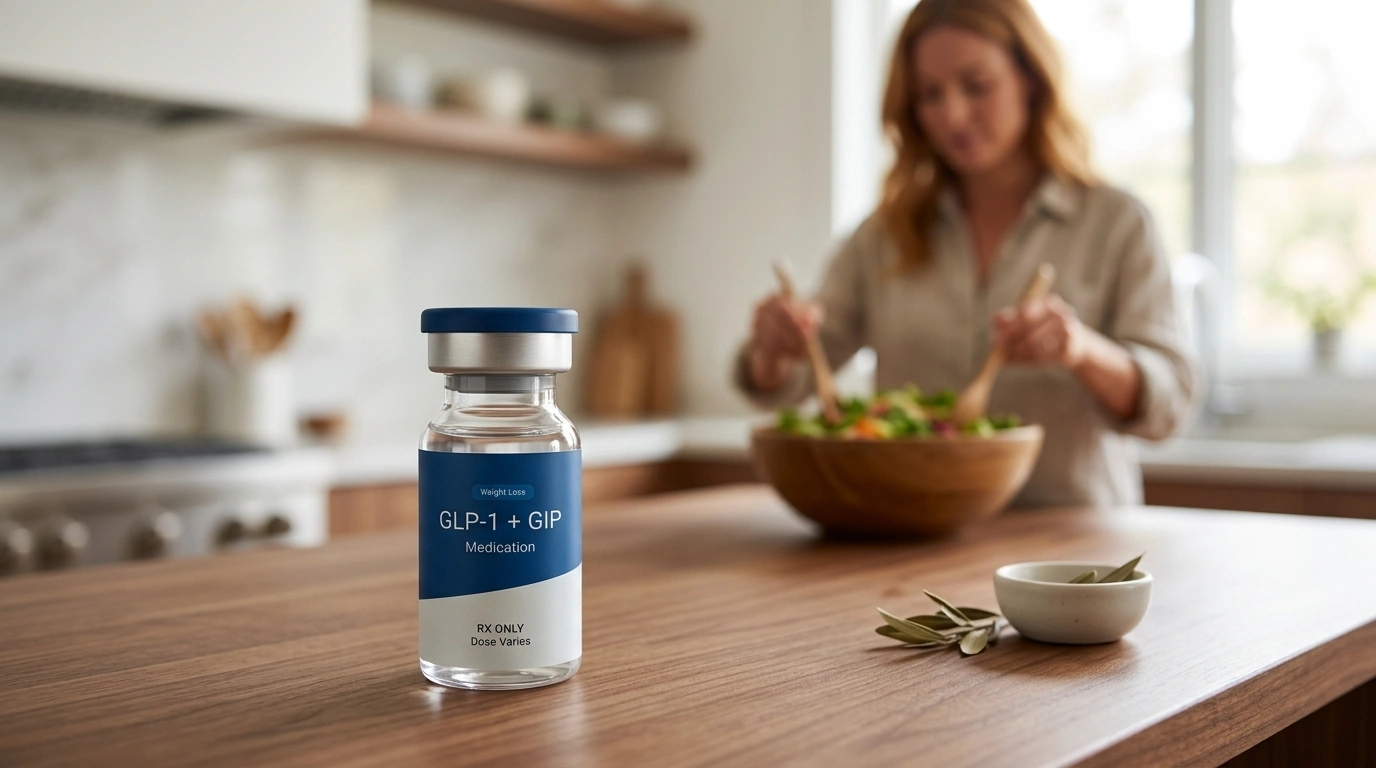
Table of Contents
- Introduction
- The Design of the Mounjaro Autoinjector
- Why the Confusion? Multidose Pens vs. Single-Dose Pens
- The Role of Tirzepatide in Weight Management
- Compounded Tirzepatide: A Different Delivery Method
- Comparing Delivery Systems: Autoinjectors vs. Vials
- Safety Warnings: The Dangers of Dose Splitting
- How to Properly Use the Single-Dose Pen
- Managing Side Effects Through Proper Administration
- Storage and Handling Requirements
- Is a Personalised Program Right for You?
- The Future of Metabolic Health
- Moving Forward with Confidence
- FAQ
Introduction
Standing in front of the refrigerator with a new prescription can feel both exciting and overwhelming. You might be looking at the sleek, pre-filled device in your hand and wondering exactly how many doses are tucked inside that plastic casing. For many individuals starting their journey toward better metabolic health, the logistics of administration are just as important as the clinical results. At TrimRx, we believe that clarity is the first step toward confidence. If you’re trying to figure out whether a GLP-1 or dual-agonist treatment is the right fit for you, the best place to begin is to take the free assessment quiz. This article focuses on the specific hardware used for Mounjaro® (tirzepatide), how it compares to other delivery methods like those used for compounded medications, and what you need to know about the single-dose vs. multidose debate. The short answer is that in the United States, the branded version of this medication is not a multidose pen, and using it correctly is vital for your safety.
The Design of the Mounjaro Autoinjector
In the United States, Mounjaro® is dispensed as a single-dose autoinjector. This means that each individual pen contains exactly one dose of medication. Once you press the button and the medicine is delivered, the pen is designed to be disposed of in a sharps container. There is no way to “reset” the pen or access more medication from the same device.
The autoinjector is designed for simplicity and ease of use, specifically for those who may have a fear of needles. The needle itself is hidden inside the base of the device. You never actually see the needle before, during, or after the injection. This “one-and-done” design is intended to minimize the risk of dosing errors and reduce the chance of accidental needle sticks.
Quick Answer: In the U.S., Mounjaro® is a single-dose autoinjector pen, not a multidose pen. Each device contains one dose and must be discarded after a single use.
How the single-dose system works:
- Pre-set concentration: Each pen comes pre-filled with a specific dose (such as 2.5 mg, 5 mg, or 10 mg).
- Locked mechanism: Once the injection is triggered, the internal spring mechanism moves the needle and delivers the liquid.
- Disposable nature: The device is engineered to lock after use, making it impossible to reuse safely.
Why the Confusion? Multidose Pens vs. Single-Dose Pens
It is common for patients to feel confused about the “multidose” question because other popular GLP-1 medications use different delivery systems. If you want a deeper overview of how these medications work in the body, our guide on how GLP-1 actually works for weight loss breaks down the hormone pathways involved. For example, some versions of Ozempic® (semaglutide) are packaged in a multidose pen where the user attaches a fresh needle for each dose and dials the specific amount on the pen’s body. In that system, one pen might last for an entire month.
Furthermore, there is a version of Mounjaro® available in some international markets, such as the United Kingdom and parts of Europe, known as the KwikPen. The KwikPen is a multidose device that contains four doses per pen. Because information travels globally online, many people in the U.S. see videos or articles discussing the multidose KwikPen and assume the U.S. version is the same. However, the U.S. version remains a single-dose autoinjector.
Key Takeaway: While international versions of tirzepatide may come in multidose pens, the U.S. branded version is strictly a single-dose device to ensure precision and simplicity for the user.
The Role of Tirzepatide in Weight Management
Whether you are using a branded autoinjector or a compounded version of the medication, the underlying science remains the same. Tirzepatide is a dual agonist, meaning it targets two different hormone receptors in the body: glucagon-like peptide-1 (GLP-1) and glucose-dependent insulinotropic polypeptide (GIP).
Understanding the mechanism:
- GLP-1 (Glucagon-like peptide-1): This hormone helps regulate appetite by signaling the brain that you are full. It also slows down “gastric emptying,” which is the rate at which food leaves your stomach.
- GIP (Glucose-dependent insulinotropic polypeptide): This hormone works alongside GLP-1 to improve how your body breaks down sugar and fat. Research suggests that by targeting both receptors, tirzepatide may offer more significant weight loss support than medications that only target the GLP-1 receptor.
When these hormones are supported, the body often finds it easier to maintain a calorie deficit without the intense “food noise” or constant hunger that frequently derails traditional diet plans. For readers who are navigating appetite changes or wondering what to expect while on treatment, our post on why some people do not lose weight with tirzepatide offers a helpful next step.
Compounded Tirzepatide: A Different Delivery Method
Many patients who partner with us at TrimRx find that their clinical journey involves compounded tirzepatide. This is a common alternative when branded medications are in short supply or when a more flexible dosing schedule is required. It is important to distinguish how this version is administered compared to the branded autoinjector.
Compounded tirzepatide is typically provided in a multidose vial rather than a pre-filled pen. In this scenario, you use a traditional syringe to draw the specific amount of medication prescribed by your healthcare provider. While this is not a “pen,” the vial itself functions as a multidose container.
Important distinction regarding compounded medications: Compounded Semaglutide and Compounded Tirzepatide are not FDA-approved. However, the compounded medications provided through our platform are prepared and shipped by FDA-registered, inspected compounding pharmacies. These pharmacies adhere to strict quality standards to ensure the medication is safe and effective for patient use.
Comparing Delivery Systems: Autoinjectors vs. Vials
| Feature | Branded Autoinjector (U.S.) | Compounded Vial & Syringe |
|---|---|---|
| Doses per container | 1 Dose | Multiple Doses (usually 4+) |
| Needle Visibility | Hidden | Visible |
| Ease of Use | High (one button press) | Moderate (manual draw) |
| Dose Flexibility | Fixed (cannot be adjusted) | Flexible (as directed by provider) |
| Administration | Subcutaneous (under the skin) | Subcutaneous (under the skin) |
The benefits of the vial and syringe method: For some, the vial and syringe method is preferred because it allows for very precise dose escalations. If a patient experiences sensitivity to the medication, a provider might suggest a smaller increase in dosage than what is available in the fixed-dose autoinjector increments. This level of personalization is a cornerstone of the programs we support.
Safety Warnings: The Dangers of Dose Splitting
A major reason people search for “is Mounjaro a multidose pen” is the desire to “split” a high-dose pen into multiple smaller doses to save money or reduce side effects. This is a dangerous practice that healthcare professionals strongly advise against.
The U.S. autoinjector is a sealed, sterile system. Attempting to dismantle the pen to access the liquid inside or trying to stop the injection halfway through can lead to several risks:
- Contamination: Once the seal is broken or the needle is exposed to the air, the medication is no longer sterile. This can lead to serious skin infections or abscesses.
- Inaccurate Dosing: There is no way to accurately measure how much medication you are receiving if you try to “hack” the autoinjector. You may receive too much, leading to severe nausea, or too little, making the treatment ineffective.
- Device Failure: The spring inside the pen is under significant tension. Tampering with it can cause the device to shatter or malfunction, potentially causing injury.
Note: Never attempt to dismantle or “split” a single-dose autoinjector. If you feel your current dose is too high or you are concerned about costs, consult your healthcare provider to discuss safe alternatives, such as compounded options.
How to Properly Use the Single-Dose Pen
If you are using the branded single-dose autoinjector, following the correct steps ensures you get the full benefit of the medication without unnecessary discomfort. If you’re ready to see whether a prescription program is a fit for your situation, you can also complete the free assessment quiz before you begin.
Step 1: Preparation Take the pen out of the refrigerator and let it sit at room temperature for about 30 minutes. Cold medication can sometimes cause more stinging during the injection. Check the liquid inside the clear window; it should be colorless to slightly yellow and free of particles.
Step 2: Choose Your Site Common injection sites include the abdomen (at least two inches from the belly button), the front of the thighs, or the back of the upper arm. It is important to rotate your injection site each week to prevent the skin from becoming tough or lumpy.
Step 3: Uncap and Place Pull the base cap off and place the clear base flat against your skin at the injection site.
Step 4: Unlock and Press Turn the lock ring to the “unlock” position. Press and hold the purple injection button. You will hear a loud click, which signals the start of the injection. Continue holding it until you hear a second click or see the gray plunger in the window. This usually takes about 10 seconds.
Step 5: Disposal Once the injection is complete, lift the pen from your skin and dispose of it immediately in a sharps container. Do not put it in the regular trash.
Managing Side Effects Through Proper Administration
The way you administer your medication can impact how you feel. While the hardware—whether a pen or a syringe—is just a tool, the timing and technique matter. Many people find that injecting in the thigh rather than the stomach can slightly reduce the intensity of gastrointestinal side effects like nausea or bloating.
If you are struggling with side effects, we recommend discussing a “nutrient-first” approach with your care team. Supplements like our GLP-1 Daily Support supplement are designed to help fill the nutritional gaps that can occur when your appetite significantly decreases. Maintaining adequate protein intake and staying hydrated are also critical components of a successful journey.
Storage and Handling Requirements
Both the branded autoinjectors and compounded vials are sensitive to temperature. To maintain the integrity of the tirzepatide molecule, you must follow specific storage guidelines.
- Refrigeration: Store your pens or vials in the refrigerator between 36°F and 46°F (2°C to 8°C).
- Do Not Freeze: If the medication freezes, it must be discarded. Freezing breaks down the protein structure of the medication, making it ineffective.
- Light Protection: Keep the medication in its original carton to protect it from light.
- Travel: If you are traveling, you can keep the pens at room temperature (up to 86°F) for up to 21 days. However, once a pen has reached room temperature, it should not be put back in the fridge for long-term storage.
Is a Personalised Program Right for You?
Choosing between different medications and delivery systems can be confusing. That is where a telehealth-first approach can make a significant difference. At TrimRx, we connect you with licensed healthcare providers who take the time to look at your medical history, your weight loss goals, and your lifestyle.
Our process is designed to be straightforward:
- The Assessment: You start by taking a free assessment quiz that gathers information about your health profile.
- Provider Review: A licensed medical provider reviews your data to determine if a GLP-1 or dual-agonist medication like tirzepatide is appropriate for you.
- Customized Plan: If eligible, you receive a personalized treatment program. This includes the prescription (if appropriate), which is then filled by an FDA-registered compounding pharmacy.
- Ongoing Support: You have 24/7 access to specialized support to help you manage side effects and track your progress.
If you want to better understand how a telehealth ordering process works, our article on how to order GLP-1 medications for effective weight loss explains the steps in more detail.
Bottom line: The “best” delivery system is the one that you can use consistently and safely under medical supervision.
The Future of Metabolic Health
The shift toward dual-agonist medications like tirzepatide represents a significant move forward in how we understand weight management. For a long time, weight loss was viewed through the narrow lens of “willpower.” We now know that metabolic health is governed by complex hormonal pathways. By using science-backed tools to support these pathways, we can help people achieve sustainable changes that were previously out of reach.
Our mission is to bridge the gap between clinical expertise and everyday life. We understand that a weight loss journey is deeply personal and often fraught with past frustrations. By providing transparent access to medication, expert guidance, and specialized supplements like Weight Loss Boost supplement, we aim to make the process as supportive and effective as possible.
Moving Forward with Confidence
If you have been looking for a “multidose” option because you want more control over your health or a more streamlined experience, it is worth looking beyond the branded autoinjector. While the U.S. Mounjaro® pen is a single-use device, the world of telehealth offers various paths to the same goal.
Whether you are just starting to research GLP-1 medications or you are looking to switch to a program that offers more personalized care, the next step is simple. Understanding your body’s unique needs is the key to long-term success. If you’re ready to see whether you qualify, take the free assessment quiz and get started with the process.
Key Takeaway: Don’t let the technical details of pens and vials stall your progress. Focus on the science, find a supportive care team, and take the first step toward a healthier version of yourself.
FAQ
Is there a version of Mounjaro that has multiple doses in one pen?
Yes, but generally not in the United States. In markets like the UK, a version called the KwikPen is available which contains four doses. In the U.S., the branded autoinjector is designed for a single use only.
Can I save the medication in a Mounjaro pen for later?
No, you cannot. The U.S. autoinjector is a single-dose device that locks permanently after the button is pressed and the medication is delivered. Attempting to save or split the dose can lead to contamination and injury.
What should I do if my Mounjaro pen doesn’t fire?
If you press the button and do not hear a click or see the plunger move, the device may be defective. Do not try to fix it or force it. Contact the manufacturer or your pharmacy for guidance on a replacement, and never use a pen that appears damaged.
How do I know if I am using the pen correctly?
A successful injection is confirmed when you hear the second click (or after 10 seconds) and you see the gray plunger in the clear window of the pen. If you see a small drop of liquid on your skin afterward, this is normal and does not mean the injection failed.
Disclaimer: This content is for informational purposes only and does not constitute medical advice. It is not intended to diagnose, treat, cure, or prevent any disease or condition. Individual results may vary. Always consult a qualified healthcare professional before starting any weight loss program or medication.

Transforming Lives, One Step at a Time
Keep reading

Mounjaro Alternatives: What Else to Consider
If Mounjaro isn’t the right fit, the closest alternatives are other GLP-1 medications, chiefly semaglutide (Ozempic for diabetes, Wegovy for weight), along with a…

Mounjaro vs Zepbound: Same Drug, Two Brands
Like their semaglutide counterparts, Mounjaro and Zepbound are the same medication (tirzepatide) sold under two names for two purposes: Mounjaro is approved for type…

Retatrutide vs Mounjaro: Triple Agonist vs Dual Agonist
The core difference between retatrutide and Mounjaro comes down to how many hormone targets each hits: retatrutide activates three receptors, while Mounjaro (tirzepatide) activates…


