Is Mozzarella Good for Weight Loss? Our Team’s Surprising Take
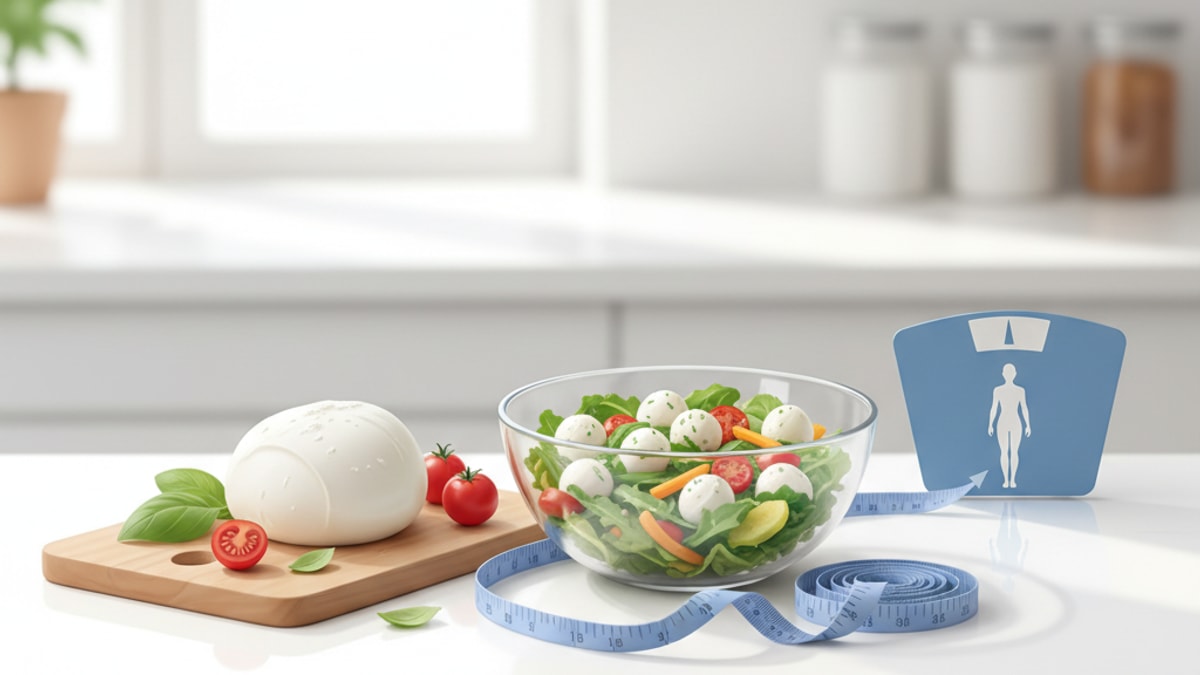
It’s one of the most common questions our team gets from patients starting a new health journey. You’re committed, you’re motivated, but then you look in the fridge and see that block of cheese. The internal debate begins. Can you really enjoy something as delicious as mozzarella and still see the number on the scale go down? The internet is a sprawling mess of conflicting advice, with some gurus demonizing all dairy and others promoting high-fat diets. It's confusing. It's frustrating.
Here at TrimrX, we don't deal in absolutes. We deal in science, biology, and the realities of human behavior. Our experience in medically-supervised weight loss has shown us, time and again, that successful, long-term health isn't about radical deprivation. It's about strategic inclusion. It's about understanding how certain foods work with your body, not against it. So, let's cut through the noise together and have a real conversation about mozzarella cheese and its place in a serious weight loss plan.
The Nutritional Profile of Mozzarella: A Closer Look
First, we have to look at the data. What are we actually talking about when we eat mozzarella? Not all cheese is created equal, and mozzarella has a unique profile that makes it particularly interesting for our discussion. Let's be honest, this is crucial. You can't make an informed decision without the facts.
A standard one-ounce (about 28 grams, or the size of a pair of dice) serving of whole-milk mozzarella contains approximately 85 calories. That same serving packs a powerful punch of about 7 grams of protein and around 6 grams of fat. It’s also a fantastic source of calcium, which is vital for bone health, especially when you're in a calorie deficit and your body might be looking for minerals to pull from anywhere it can.
The protein is the real hero here. We can't stress this enough: protein is a critical, non-negotiable element of any effective weight loss strategy. It promotes satiety, the feeling of fullness and satisfaction after a meal. When you feel full, you're far less likely to overeat or reach for high-sugar, low-nutrient snacks between meals. The 7 grams of protein in a single ounce of mozzarella contributes significantly to this effect, helping to stabilize your blood sugar and keep hunger pangs at bay. It's not just about filling your stomach; it's about sending the right signals to your brain.
How Mozzarella Stacks Up Against Other Cheeses
Context is everything. Is mozzarella a 'better' choice than other cheeses? It depends entirely on your goals and how you use it. Let's put it head-to-head with some other popular options to see how it compares. Our team put together this simple breakdown based on typical nutritional values.
| Cheese Type | Calories (per oz) | Protein (g) | Fat (g) | Key Benefit for Weight Loss |
|---|---|---|---|---|
| Mozzarella (Whole Milk) | ~85 | ~7g | ~6g | Balanced protein-to-calorie ratio, very versatile. |
| Cheddar | ~115 | ~7g | ~9g | Higher in fat and calories; best used sparingly. |
| Feta | ~75 | ~4g | ~6g | Lower in calories but also lower in protein; its strong flavor means a little goes a long way. |
| Parmesan (Hard) | ~110 | ~10g | ~7g | Very high in protein, but also calorie-dense. Excellent for flavor with small portions. |
| Cottage Cheese (Low Fat) | ~25 | ~4g | ~<1g | The undisputed champ of low-calorie, high-protein cheese. A true powerhouse. |
What does this table tell us? It shows that while cottage cheese is in a league of its own for pure protein efficiency, mozzarella holds its own remarkably well. It offers a much better balance of calories and protein than cheddar and has a creamier, more satisfying texture than feta for many dishes. It’s a fantastic middle-ground option. It provides that satisfying, cheesy goodness without the heavy calorie load of many harder, aged cheeses. It’s a workhorse.
The Role of Protein and Satiety in Weight Management
Let's go deeper on this protein and satiety concept because it’s central to everything we do. When you eat, your body releases hormones that signal to your brain that you're full. Protein is exceptionally good at stimulating the release of these satiety hormones, like Peptide YY (PYY) and GLP-1. Yes, that's the very same hormone that our medications, like Semaglutide and Tirzepatide, target.
This isn't a coincidence. It's biology.
By including adequate protein in your meals—from sources like chicken, fish, legumes, and yes, even mozzarella—you are naturally supporting your body's own appetite regulation system. You feel satisfied on less food, and that feeling lasts for hours. This is the opposite of what happens when you eat a meal high in refined carbohydrates and sugar, which can cause a rapid spike and crash in blood sugar, leading to intense cravings just an hour or two later. We've all been there, right? That 3 PM slump where you'd do anything for a candy bar. That's often a blood sugar issue, not a willpower one.
Our medical weight loss programs are designed to amplify this natural process. The GLP-1 medications we use help your body regulate appetite and blood sugar more effectively, making it dramatically easier to make mindful food choices. It quiets the 'food noise.' So, when you do choose to have a sprinkle of mozzarella on your salad, you can enjoy it, feel satisfied, and move on, rather than feeling an insatiable urge to eat the whole block. It puts you back in control.
Portion Control: The Non-Negotiable Rule
Here’s the unfiltered truth. You can eat almost anything and lose weight, as long as you control the portion size and maintain a consistent calorie deficit. Cheese is calorie-dense. There's no getting around it. That deliciousness comes from fat and protein, which both contain calories. The single biggest mistake we see people make is misjudging portion sizes. It's a difficult, often moving-target objective.
What does one ounce of mozzarella look like? It's not a giant handful. It’s about the size of a pair of dice or a tube of lipstick. It's one slice from a log of fresh mozzarella. If you're using shredded cheese, it's about 1/4 cup. It's so easy to go from a 85-calorie sprinkle to a 300-calorie avalanche without even thinking about it.
Our recommendation? Measure it. At least for a little while. Use a food scale or measuring cups until you can accurately eyeball what a proper serving looks like. This isn't about being obsessive; it's about being educated. It’s about gathering data so you can make better decisions. Think of it as training your eyes. Once you know what a serving looks like, you're empowered for life.
This is where discipline and strategy intersect. A small amount of full-fat, flavorful mozzarella is often far more satisfying than a larger amount of a bland, low-fat processed cheese product. You get the flavor, you get the satisfaction, and you stay within your calorie budget.
Simple, right?
Fresh vs. Low-Moisture Mozzarella: Does It Matter?
Now, this is where it gets interesting. The mozzarella you find floating in water in the deli section (fresh mozzarella, or fior di latte) is different from the firmer, shrink-wrapped block you grate over pizza (low-moisture mozzarella).
Fresh mozzarella has a higher water content. Because of this, it’s slightly lower in calories, fat, and protein per ounce. It has a soft, milky texture and a delicate flavor. It's absolutely perfect for a Caprese salad with fresh tomatoes and basil or sliced onto a piece of whole-grain toast with avocado. Because its flavor is subtle, it shines brightest in simple preparations.
Low-moisture mozzarella, on the other hand, is more concentrated. It has less water, which means its calories, fat, and protein are more densely packed. This is the cheese that gives you that glorious, stringy 'cheese pull' on a pizza or in a baked pasta dish. It has a saltier, more pronounced flavor. While slightly higher in calories, its strong flavor profile means you might be satisfied using less of it.
So, which is better for weight loss? Neither. They are just different tools for different jobs. We’ve found that the best approach is to choose the one that best suits your dish and then—you guessed it—control the portion. Use fresh mozzarella to add creamy satisfaction to salads and sandwiches. Use a small amount of grated low-moisture mozzarella to add incredible flavor and texture to cooked dishes.
Pairing Mozzarella for Maximum Weight Loss Benefit
Cheese should not be the star of the show; it should be a supporting actor. The most effective way to incorporate mozzarella into your diet is to pair it with nutrient-dense, high-fiber foods. Fiber, like protein, helps you feel full and also aids in digestion.
Think about these combinations:
- The Classic Caprese Salad: Slices of fresh mozzarella layered with ripe tomatoes, fresh basil, and a drizzle of balsamic glaze. It's satisfying, full of vitamins from the tomatoes, and feels incredibly indulgent.
- With Roasted Vegetables: Toss broccoli, bell peppers, and zucchini with a little olive oil and roast until tender. In the last few minutes of cooking, sprinkle a measured ounce of shredded mozzarella over the top and let it melt. You get a huge volume of food from the veggies, plus the satisfaction of the cheese.
- Inside an Omelet: Add a small amount of diced mozzarella to a vegetable-packed omelet. The protein from the eggs and cheese will keep you full all morning long.
- As a Snack with Fruit: Believe it or not, a slice of mozzarella with a few slices of apple or pear is a fantastic snack. It provides protein, fat, and fiber, hitting all the notes for a balanced, hunger-crushing bite.
By pairing mozzarella this way, you're adding flavor and satisfaction to foods that are already working hard for your health. The cheese becomes a flavor enhancer, not the main event. That's the key.
The Psychological Factor: Why Restriction Backfires
Our team has worked with thousands of patients, and we've seen this happen over and over again. When you tell yourself a food is completely 'off-limits,' it often becomes the only food you can think about. This is human nature. That restriction creates a psychological scarcity that can lead to intense cravings, feelings of deprivation, and eventual bingeing. You 'white knuckle' it for a week, then find yourself eating an entire pizza on a Friday night, feeling guilty and defeated.
That cycle is devastating for long-term progress.
A sustainable weight loss plan is one that you can stick with for life. We mean this sincerely: it has to be livable. Incorporating small amounts of foods you genuinely love, like mozzarella, can be a powerful tool for adherence. It prevents that feeling of deprivation. It makes the journey enjoyable. When you know you can have a little bit of cheese on your salad for lunch, you're less likely to feel the urge to rebel against your own plan. It’s about balance, not perfection.
Integrating Foods Like Mozzarella into a Medical Weight Loss Program
This philosophy of sustainable, strategic inclusion is the bedrock of our approach at TrimrX. We understand that for many people, especially those who have struggled with weight for years, the issue isn't a lack of knowledge. You know vegetables are good for you. The formidable challenge lies in managing the powerful biological signals—the hunger, the cravings, the 'food noise'—that can overwhelm even the strongest willpower.
This is where modern medicine can provide a significant, sometimes dramatic shift. Our programs utilize FDA-registered GLP-1 medications like Semaglutide and Tirzepatide. These treatments work with your body's natural systems to help regulate your appetite and reset your metabolic health. They make it fundamentally easier to stick to a healthy eating plan because the relentless, gnawing hunger is finally quieted.
Within this medically-supported framework, foods like mozzarella find their perfect place. The medication helps you naturally desire smaller portions. It enhances the feeling of fullness from the protein in the cheese. It allows you to eat a small, satisfying amount and feel completely content. You're no longer fighting a war against your own biology. Instead, you're working with it. If you feel like your journey has been a constant, uphill battle against cravings and portion sizes, it may be time to see what a comprehensive, medical approach can do. You can find out if you're a candidate and Start Your Treatment with our simple online assessment.
So, is mozzarella cheese good for weight loss? The answer isn't a simple yes or no. It's a tool. Used correctly—in proper portions, paired with nutrient-dense foods, and as part of a consistent, calorie-controlled diet—it can absolutely be part of a successful weight loss journey. It provides protein for satiety, calcium for bone health, and most importantly, satisfaction that helps you stay on track for the long haul.
It's not about finding the 'perfect' food. It's about building a perfect plan for you. One that is balanced, sustainable, and maybe even includes a little bit of cheese.
Frequently Asked Questions
How much mozzarella can I eat per day when trying to lose weight?
▼
Our team generally recommends sticking to a one-ounce serving per day. This provides the flavor and protein benefits without adding excessive calories, making it a sustainable part of your daily intake.
Is fresh mozzarella better for weight loss than shredded mozzarella?
▼
Fresh mozzarella is slightly lower in calories due to its higher water content. However, the difference is minor. The most important factor is strict portion control, regardless of which type you choose.
Will eating full-fat mozzarella make me gain fat?
▼
No single food causes fat gain. Weight gain is a result of a consistent calorie surplus. Full-fat mozzarella can be part of a weight loss diet as long as it fits within your daily calorie budget.
What is the lowest calorie cheese for weight loss?
▼
Low-fat cottage cheese is by far the lowest-calorie, highest-protein cheese option available. It’s an excellent choice for maximizing protein intake while minimizing calories.
Can I eat pizza while trying to lose weight?
▼
Yes, but with careful strategy. Opt for a thin crust, load it with vegetable toppings, and limit the cheese to a light sprinkle. Sticking to one or two slices is key for staying on track.
Does cheese slow down metabolism?
▼
This is a common myth. No scientific evidence suggests that cheese, including mozzarella, slows down your metabolism. In fact, its protein content can slightly increase thermogenesis, the calories burned during digestion.
Is string cheese a good snack for weight loss?
▼
Absolutely. Most string cheese is made from low-moisture mozzarella and comes in pre-portioned one-ounce servings. This makes it a convenient and perfectly portioned protein-rich snack.
What should I pair mozzarella with to help with weight loss?
▼
We recommend pairing mozzarella with high-fiber foods to maximize satiety. Think fresh vegetables in a salad, roasted non-starchy veggies, or a piece of high-fiber fruit like an apple or pear.
How does mozzarella fit into a GLP-1 medication plan?
▼
On a medical weight loss program like ours, GLP-1s help control your appetite. This makes it much easier to enjoy a small, satisfying portion of mozzarella without the urge to overeat, fitting it seamlessly into your plan.
Should I choose part-skim or whole-milk mozzarella?
▼
Part-skim mozzarella will save you about 15-20 calories per ounce. While this can add up, some people find whole-milk mozzarella more satisfying, helping them eat less overall. It’s a personal choice that depends on your preferences and calorie goals.
Is burrata good for weight loss?
▼
Burrata, which is mozzarella filled with cream, is significantly higher in calories and fat. We advise treating it as a special occasion indulgence rather than a regular part of a weight loss diet.
Does the protein in mozzarella help build muscle?
▼
Yes, the protein in mozzarella provides essential amino acids needed for muscle repair and growth. When combined with resistance training, it can certainly support muscle maintenance during weight loss.

Transforming Lives, One Step at a Time
Keep reading

Do You Need a Prescription for GLP-1s? The 2026 Answer
Wondering ‘do you need a prescription for glp 1’ in 2026? Yes. We explain why a doctor’s oversight is critical for safe, effective results.

How to Get GLP-1 Covered By Insurance: Our 2026 Playbook
Struggling with how to get glp-1 covered by insurance? Our 2026 guide breaks down prior authorizations, appeals, and documentation.

Traveling with GLP-1s in 2026: Your Essential Trip-Proof Plan
Don’t let travel disrupt your GLP-1 treatment. Learn how to travel with glp 1 medications safely and stress-free in our 2026 expert guide.


