Overnight Oats for Weight Loss: The Truth from Our Experts in 2026
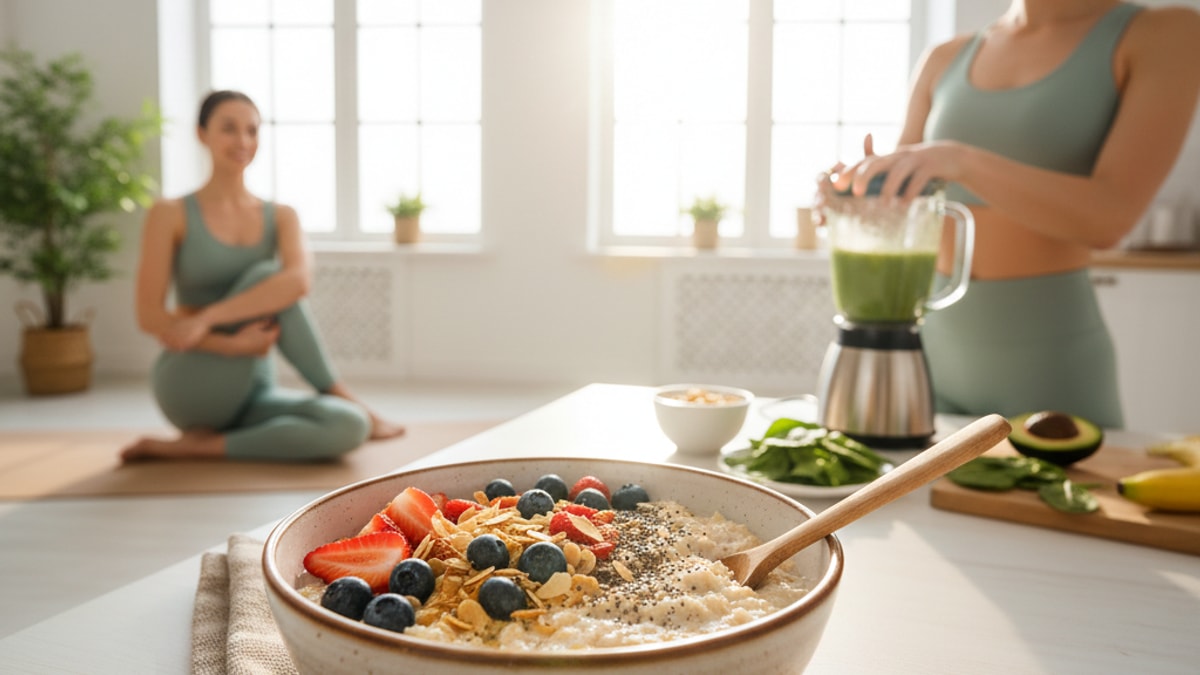
Is Oats Overnight Good for Weight Loss? A Deep Dive from the TrimrX Team
Walk through any social media feed in 2026, and you’ll see them. Beautiful, layered jars of creamy oats, studded with berries and seeds, promising a delicious, effortless, and healthy start to the day. Overnight oats have cemented their place as a wellness staple. They're the go-to breakfast for everyone from time-crunched professionals to fitness enthusiasts. The big question we hear all the time, though, is a simple one: is this just a passing trend, or are oats overnight genuinely good for weight loss?
As a team dedicated to the science of sustainable weight management, we look past the aesthetics. We're interested in the metabolic impact, the nutritional science, and the real-world results. Let’s be honest, a pretty breakfast doesn’t mean much if it isn't aligned with your body's needs and your ultimate health goals. So, we're going to break it down. We’ll explore the powerful benefits, expose the hidden traps that can derail your progress, and show you how this simple meal can fit into a truly effective, comprehensive weight loss strategy.
First, What Exactly Are We Talking About?
Let’s get on the same page. Unlike traditional oatmeal that’s cooked with heat on a stovetop or in a microwave, overnight oats are a no-cook method. It’s almost deceptively simple.
You soak raw oats (typically rolled oats) in a liquid—like milk, water, or a plant-based alternative—and let it rest in the refrigerator for at least a few hours, or, as the name implies, overnight. The oats absorb the liquid, softening them until they reach a pleasant, creamy, porridge-like consistency. The base is usually just oats and liquid, but the magic (and the potential danger) comes from the additions: things like chia seeds, yogurt, fruit, nuts, and sweeteners.
The appeal is obvious. It’s a classic “set it and forget it” meal. You can meal-prep a week’s worth of breakfasts in under 15 minutes. For anyone navigating a demanding schedule, that convenience is a massive, undeniable win.
The Nutritional Case: Why Oats Are a Weight Loss Ally
Before we even get to the “overnight” part, let’s talk about the star of the show: the oats themselves. From a nutritional standpoint, oats are a powerhouse, and our team consistently recommends them as a foundational carbohydrate for clients focused on weight management. They aren’t just empty calories; they’re packed with components that work synergistically to support weight loss.
First and foremost is the fiber. Oats are famously rich in a specific type of soluble fiber called beta-glucan. This isn’t just any fiber. When beta-glucan hits your digestive system, it forms a thick, gel-like substance. This process has a few profound effects. It dramatically slows down digestion, which is critical for feeling full and satisfied for hours after you eat. We can't stress this enough: satiety is the secret weapon against mindless snacking and overeating later in the day. That feeling of fullness helps you naturally reduce your overall calorie intake without feeling deprived.
Beta-glucan also plays a crucial role in managing blood sugar. By slowing the absorption of carbohydrates, it prevents the sharp spikes and subsequent crashes in blood glucose that often lead to sugar cravings and energy slumps. Stable blood sugar is a non-negotiable element of effective appetite control. When your energy levels are steady, you're in the driver's seat of your food choices.
Beyond fiber, oats provide a decent amount of plant-based protein and complex carbohydrates. This combination delivers slow-releasing, sustained energy. It’s the difference between a flash-in-the-pan energy source like a sugary cereal and a slow-burning log that keeps you fueled and focused all morning. This is precisely the kind of energy source your body needs to power through a busy morning without constantly thinking about your next meal.
The 'Overnight' Advantage: Does Soaking Really Matter?
So, oats are great. We've established that. But does soaking them overnight offer any special benefits compared to, say, a quick bowl of cooked oatmeal? The answer is a resounding yes, and this is where the science gets really interesting.
The primary benefit of the no-cook, soaking method is the increase in resistant starch. This is a type of starch that, as its name suggests, “resists” digestion in your small intestine. Instead, it travels to your large intestine, where it acts as a prebiotic, feeding the beneficial bacteria in your gut. A healthy gut microbiome is increasingly linked to better weight regulation, reduced inflammation, and improved metabolic health. But for weight loss specifically, resistant starch is a game-changer. It has been shown to increase feelings of fullness and even slightly boost your metabolism because your body expends more energy trying to process it.
Chilling the oats overnight is key to maximizing this resistant starch content. The cooling process, known as retrogradation, fundamentally changes the structure of the starches in the oats, making them more resistant to digestion. You simply don't get this same benefit from a hot bowl of oatmeal.
Another subtle but important benefit is the reduction of phytic acid. Phytic acid is an antinutrient found in grains, seeds, and nuts that can bind to minerals like iron and zinc, preventing your body from fully absorbing them. The long soaking process helps to break down phytic acid, potentially making the valuable minerals in your oats more bioavailable. It’s a small tweak, but it optimizes the nutrition you’re getting from your meal.
Here’s a quick breakdown of how the two methods stack up:
| Feature | Overnight Oats (Soaked & Chilled) | Traditional Oatmeal (Cooked) |
|---|---|---|
| Preparation Time | ~5 mins prep, 4+ hours soak | ~5-15 mins active cooking |
| Resistant Starch | Higher levels due to soaking & cooling | Lower levels; cooking breaks it down |
| Satiety Factor | Very high (fiber + resistant starch) | High (fiber) |
| Nutrient Absorption | Potentially better due to phytic acid breakdown | Good, but phytic acid is not reduced |
| Convenience | Excellent; grab-and-go | Requires morning prep/cooking |
| Glycemic Impact | Lower; slower sugar release | Slightly higher, especially instant oats |
The Common Pitfalls: How Your 'Healthy' Breakfast Can Sabotage You
This is the part of the conversation that often gets ignored in those picture-perfect social media posts. The truth is, it’s incredibly easy to turn a nutrient-dense, weight-loss-friendly breakfast into a high-calorie, sugar-laden dessert masquerading as health food. Our team has seen this happen time and time again. A client will be frustrated with their lack of progress, and when we dig into their diet, we find their 600-calorie “overnight oats” are a primary culprit.
Here are the traps you absolutely must avoid.
First, the sugar trap. This is the most common and destructive mistake. People load up their oats with honey, maple syrup, agave nectar, or brown sugar. While these might sound healthier than white sugar, your body metabolizes them in much the same way. They add empty calories and can trigger the exact blood sugar rollercoaster you’re trying to avoid. The same goes for flavored yogurts (which are often packed with sugar), sweetened plant-based milks, and excessive amounts of high-sugar fruits like mangoes or bananas. A couple of tablespoons of maple syrup can add over 100 calories before you even blink.
Second is portion distortion. A mason jar can hold a lot of food. It's easy to mindlessly scoop in a cup of oats, a big dollop of peanut butter, a handful of nuts, and a mountain of toppings. Suddenly, your sensible 350-calorie breakfast has ballooned into an 800-calorie meal. Calorie density matters. Healthy fats from nuts and seeds are fantastic for you, but they are incredibly calorie-dense. A serving of almonds is about 23 almonds, not a quarter of the jar. We recommend actually measuring your ingredients for the first few weeks until you can accurately eyeball what a true serving size looks like.
Finally, there's the “healthy halo” effect. This is a psychological trap where we believe that because a meal is fundamentally “healthy,” the calories don’t count as much or we have a license to eat more later in the day. You might eat a perfect bowl of overnight oats but then feel justified in having a less-than-ideal lunch or snack. A healthy breakfast is just one part of the equation. It doesn’t give you a free pass for the rest of the day. Your total daily energy balance is what ultimately dictates weight loss.
Building the Perfect Weight Loss-Friendly Overnight Oats
So, how do you build a bowl that helps, not hinders, your goals? It’s all about a smart, balanced formula. Our nutrition experts use a simple blueprint that prioritizes protein, fiber, and healthy fats while keeping sugar and excess calories in check.
Here’s what we recommend:
-
The Base (1/2 cup): Start with old-fashioned rolled oats. They maintain a great texture without getting too mushy. Steel-cut oats can work, but they require more liquid and a longer soaking time, often resulting in a chewier texture that not everyone enjoys. Avoid instant oats, which are more processed and can have a higher glycemic impact.
-
The Protein Boost (15-20g): This is non-negotiable. Protein is a powerhouse for satiety and muscle maintenance during weight loss. Add a scoop of your favorite low-sugar protein powder (whey, casein, or a plant-based blend). Alternatively, use plain Greek yogurt, which also adds a wonderful creaminess and probiotics. Cottage cheese is another fantastic, high-protein option.
-
The Fiber Add-In (1-2 tablespoons): Amplify the fiber content and satiety factor by adding chia seeds or ground flax seeds. These seeds also provide a healthy dose of omega-3 fatty acids. They'll absorb liquid and create a thicker, more pudding-like consistency.
-
The Liquid (1/2 to 1 cup): The amount depends on how thick you like your oats. The best choices are unsweetened almond milk, skim milk, or simply water. Always check the label on plant-based milks to ensure you're not accidentally pouring in a ton of added sugar.
-
The Healthy Fat (1 tablespoon): Choose one. A small spoonful of almond butter, a sprinkle of chopped walnuts, or some pumpkin seeds. This adds flavor, texture, and fat-soluble vitamins, but remember to be mindful of the portion size.
-
The Flavor (No Sugar!): This is where you can get creative without adding calories. A generous shake of cinnamon (which can also help with blood sugar regulation), a splash of vanilla extract, a pinch of cardamom, or some unsweetened cocoa powder can transform your oats. For sweetness, we recommend a small handful of low-glycemic berries like raspberries or blueberries. Their fiber content helps buffer the sugar, and they are packed with antioxidants.
Stick to this formula, and you’ll have a delicious, filling breakfast that’s truly optimized for weight loss, typically landing in the 350-450 calorie range with a fantastic balance of macronutrients.
Beyond the Breakfast Bowl: Integrating Oats into a Real Strategy
Here's the unflinching truth we've learned from years of guiding patients on their weight loss journeys: no single food, no matter how perfect, is a magic bullet. A great breakfast is a phenomenal start. It sets the tone for the day, stabilizes your energy, and controls your appetite. But it is still just one piece of a much larger, more complex puzzle.
Sustainable weight loss is about your overall lifestyle, your hormonal health, your metabolic function, and your psychological relationship with food. Our experience at TrimrX shows that for many people, especially those who have struggled with weight for a long time, diet and exercise alone often aren't enough to overcome the formidable biological factors working against them. Your body can be incredibly resistant to change, with powerful hunger hormones and a slowing metabolism fighting you every step of the way.
This is where a modern, medically-supervised approach can make a profound difference. It’s about working with your body’s biology, not just against it. Treatments utilizing GLP-1 medications, like Semaglutide and Tirzepatide, are fundamentally changing the landscape of weight management in 2026. These therapies work by targeting the underlying hormonal signals that regulate appetite and blood sugar. They quiet the “food noise” in your brain, enhance feelings of fullness, and help reset your body's metabolic baseline.
When you combine a powerful medical tool like a GLP-1 with smart nutritional strategies—like a perfectly constructed bowl of overnight oats—the results can be transformative. The medication makes it easier to stick to healthy portion sizes and make better food choices because you’re not constantly battling intense cravings and hunger. It creates the biological space for healthy habits to take root and flourish. If you feel like you're doing everything right but the scale won't budge, it might be time to consider that you need a more powerful tool in your arsenal. You can learn more about how our programs work and if you're a candidate when you Start Your Treatment Now.
So, are overnight oats good for weight loss? Absolutely. They can be a fantastic, effective, and delicious tool. But they are just that—a tool. They aren't the entire strategy. The ultimate goal is to build a comprehensive system that includes smart nutrition, consistent activity, and, when necessary, medical support to address the deep-seated biological hurdles to weight loss. True, lasting success comes from this holistic approach, creating a lifestyle that doesn't just help you lose weight, but helps you thrive.
Frequently Asked Questions
How much overnight oats should I eat for weight loss?
▼
We recommend starting with a base of 1/2 cup of dry rolled oats. This portion, when combined with protein and fiber add-ins, typically creates a satisfying and appropriately-sized meal of 350-450 calories, which is ideal for a weight-loss-focused breakfast.
Can I eat overnight oats every day to lose weight?
▼
Yes, you can certainly eat them daily, provided they are prepared correctly to avoid excess sugar and calories. Variety in your diet is always beneficial, but a well-balanced bowl of overnight oats can be a consistent and reliable part of a successful weight loss plan.
What are the worst toppings for overnight oats if I’m trying to lose weight?
▼
The worst offenders are liquid sweeteners like maple syrup or honey, sweetened yogurts, chocolate chips, dried fruit (which is concentrated sugar), and large amounts of high-calorie nut butters or granola. These can quickly turn a healthy breakfast into a calorie-dense dessert.
Do steel-cut oats work for overnight oats?
▼
Yes, steel-cut oats can be used, but they require a longer soaking time (at least 8-10 hours) and more liquid. They result in a much chewier, less creamy texture, which is a matter of personal preference. For a creamier result, rolled oats are generally better.
Can overnight oats make you gain weight?
▼
Absolutely. If you overload your oats with large portions, high-calorie toppings like nuts and seeds, and sugary additions like syrup or sweetened milk, they can easily contribute to weight gain. Mindful preparation and portion control are critical.
Are overnight oats better than a protein shake for breakfast?
▼
It depends on your goals and preferences. Overnight oats offer more fiber and complex carbs for sustained energy, while a protein shake is typically faster to consume and may have more protein. A great solution is to combine them by adding a scoop of protein powder to your oats.
How long do overnight oats last in the fridge?
▼
Properly sealed in an airtight container, overnight oats can last for up to 4-5 days in the refrigerator. However, the texture may soften over time, and if you add fresh fruit, it’s best to eat them within 2-3 days for optimal freshness.
Is it better to use water or milk for overnight oats for weight loss?
▼
For pure calorie reduction, water is the best choice as it has zero calories. However, using unsweetened almond milk or skim milk can add creaminess and a small amount of extra protein and calcium for very few additional calories, making them excellent choices as well.
How does a diet including overnight oats work with GLP-1 medications?
▼
They work together perfectly. GLP-1 medications like Semaglutide help control your appetite and enhance satiety. A high-fiber, high-protein breakfast like overnight oats complements this by providing slow-release energy and physical volume, helping you feel full and satisfied on smaller portions.
Will I feel bloated after eating overnight oats?
▼
Some people may experience bloating initially, especially if they are not used to a high-fiber diet. The resistant starch can also cause some gas as your gut bacteria adapt. We recommend starting with a smaller portion and ensuring you drink plenty of water throughout the day.
What’s the best type of oat to use?
▼
Old-fashioned rolled oats are the best choice for overnight oats. They absorb liquid well, creating a creamy texture without becoming complete mush. Instant oats are too processed and will get soggy, while steel-cut oats remain very chewy.
Can I warm up my overnight oats?
▼
You can, but it defeats one of the main benefits. Heating them will break down the resistant starch you developed during the chilling process. If you prefer a hot breakfast, traditional cooked oatmeal might be a better option for you.

Transforming Lives, One Step at a Time
Keep reading

Do You Need a Prescription for GLP-1s? The 2026 Answer
Wondering ‘do you need a prescription for glp 1’ in 2026? Yes. We explain why a doctor’s oversight is critical for safe, effective results.

How to Get GLP-1 Covered By Insurance: Our 2026 Playbook
Struggling with how to get glp-1 covered by insurance? Our 2026 guide breaks down prior authorizations, appeals, and documentation.

Traveling with GLP-1s in 2026: Your Essential Trip-Proof Plan
Don’t let travel disrupt your GLP-1 treatment. Learn how to travel with glp 1 medications safely and stress-free in our 2026 expert guide.


