Is Oral Tirzepatide Safe? What You Should Know
Introduction
Many individuals looking for effective weight management solutions find themselves at a crossroads between clinical results and the convenience of daily life. If you have been researching metabolic health, you have likely encountered tirzepatide, a dual-action medication known for its significant impact on weight loss. However, for many, the idea of a weekly injection is a barrier, leading to the vital question: is oral tirzepatide safe? At TrimRx, we believe that understanding the science behind your treatment is the first step toward a successful health transformation. This article explores the clinical background of oral tirzepatide, how it differs from injectable versions, the safety standards of compounded formulations, and what you should consider before starting a program. Understanding the balance between medication safety and personalized medical supervision is key to achieving sustainable results.
Understanding Tirzepatide and How It Works
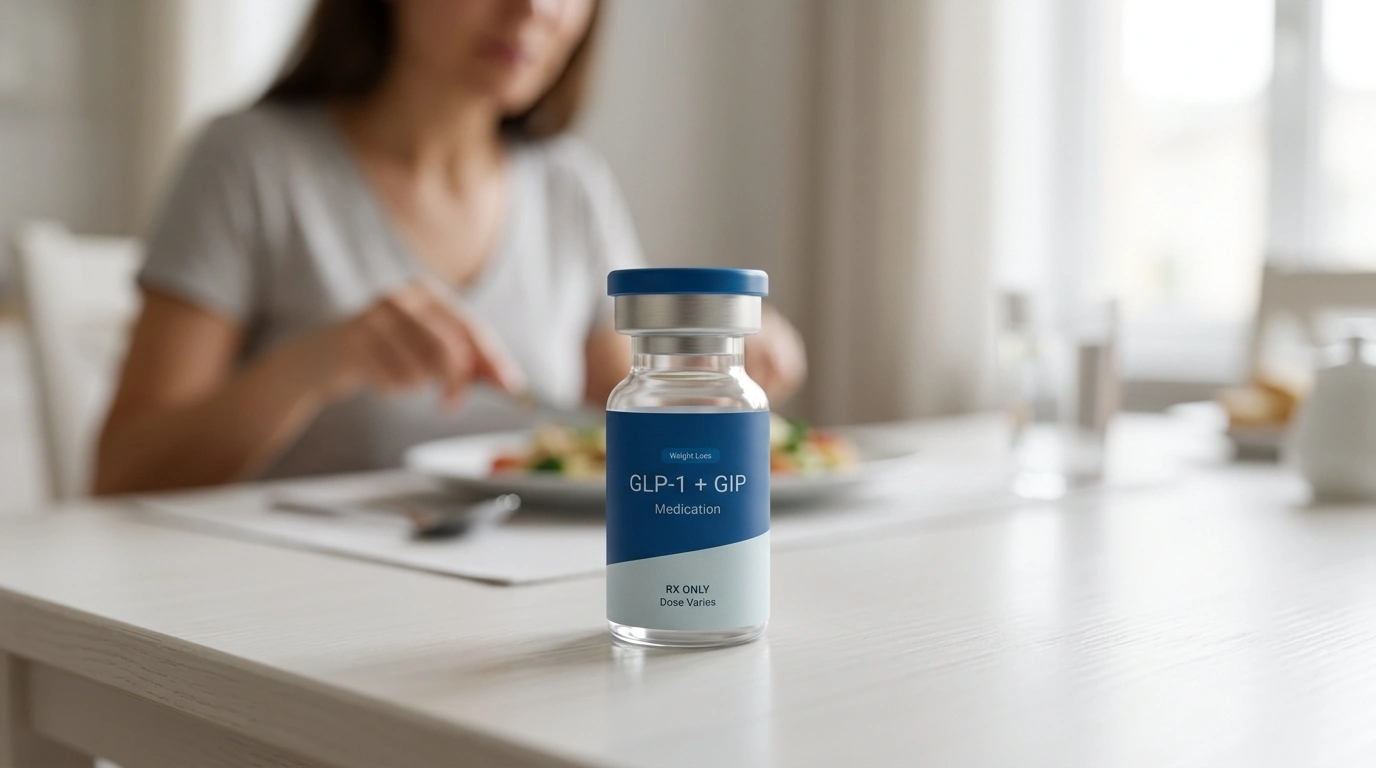
To determine if the oral format is safe, it is first necessary to understand what the medication actually does in the body. Tirzepatide is a dual-receptor agonist. This means it mimics two different natural hormones in the body: glucagon-like peptide-1 (GLP-1) and glucose-dependent insulinotropic polypeptide (GIP). For additional context, you can review this explanation of how oral tirzepatide works for weight loss.
The GLP-1 hormone is responsible for several functions. It signals to the brain that the stomach is full, which helps reduce appetite. It also slows down “gastric emptying,” the process by which food leaves your stomach. This keeps you feeling satisfied for a longer period after eating. The GIP hormone works alongside GLP-1 to improve how the body breaks down sugar and stores fat. Together, these two pathways offer a more comprehensive approach to metabolic health than older medications that only targeted the GLP-1 pathway.
Research suggests that by activating both receptors, tirzepatide may support more significant weight loss and better blood sugar regulation than single-hormone medications. While the most famous versions of this medication, such as Mounjaro® and Zepbound®, are primarily known as injectables, the active pharmaceutical ingredient remains the focus of safety discussions regardless of the delivery method.
The Science of Oral Delivery
The primary challenge with any peptide medication—like tirzepatide or semaglutide—is that the human digestive system is designed to break down proteins. Because peptides are essentially small proteins, the acid and enzymes in the stomach usually destroy them before they can reach the bloodstream. This is why most GLP-1 medications were originally developed as injections; bypassing the digestive tract ensures the medication remains intact and effective.
However, advancements in pharmaceutical science have led to the development of oral delivery methods. For a medication like oral tirzepatide to be effective and safe, it must be formulated to survive the harsh environment of the stomach or be absorbed through the mucosal membranes in the mouth.
Quick Answer: Oral tirzepatide is generally considered safe when prescribed by a licensed healthcare provider and sourced from a reputable, regulated pharmacy. While the active ingredient has a strong safety profile in clinical trials, the “safety” of an oral version often depends on the specific formulation and the medical supervision accompanying the treatment.
In some cases, oral tirzepatide is created as a sublingual (under the tongue) liquid or tablet. This method allows the medication to be absorbed directly into the small blood vessels under the tongue, bypassing the stomach acid entirely. This delivery method is a common way to ensure that the body receives the necessary amount of the active ingredient to produce a therapeutic effect without requiring an injection.
Is Oral Tirzepatide Safe for Long-Term Use?
When evaluating the safety of a medication, healthcare providers look at both short-term side effects and long-term health outcomes. Tirzepatide has undergone extensive clinical testing through the SURMOUNT and SURPASS trial programs. These studies monitored thousands of participants and found that the medication was generally well-tolerated over long periods.
The “safety” of the oral format specifically relates to how much of the medication is absorbed. If too little is absorbed, the medication won’t work. If the absorption is inconsistent, it could lead to fluctuating side effects. This is why a personalized approach is so important. When you work with a platform like TrimRx, your progress is monitored to ensure the dosage is appropriate for your body’s unique response. If you are considering treatment, you can complete a free eligibility assessment.
Safety is also tied to the quality of the medication. Branded versions like Mounjaro® and Zepbound® are FDA-approved for specific uses, such as type 2 diabetes or chronic weight management. Compounded versions of tirzepatide, while not FDA-approved themselves, are prepared by licensed pharmacists using the same active ingredients. These medications are often used when branded versions are in short supply or when a patient needs a specific dosage form, like an oral liquid, that is not commercially available.
The Role of Compounded Medications in Safety
A major part of the conversation regarding oral tirzepatide involves “compounding.” Compounding is the process where a licensed pharmacist combines, mixes, or alters ingredients to create a medication tailored to the needs of an individual patient. This guide to compounded tirzepatide provides additional background on the process.
Key Takeaway: Compounded tirzepatide is safe when it is produced by FDA-registered, inspected compounding pharmacies that follow strict State Board of Pharmacy regulations. These pharmacies must meet high standards for purity, potency, and sterility.
Because there is currently no mass-produced, FDA-approved oral version of tirzepatide available at local retail pharmacies, many patients turn to compounded options. To ensure safety, we partner with pharmacies that adhere to rigorous quality control measures. This ensures that the oral tirzepatide you receive contains the correct concentration of the active ingredient and is free from contaminants.
It is important to note that while the pharmacy itself is inspected and the ingredients are pharmaceutical grade, the specific compounded “recipe” for an oral version has not gone through the same multi-year FDA approval process as a branded injectable. This is why medical supervision is a non-negotiable part of the process. You can also review how compounding pharmacies work before choosing a treatment pathway.
Common Side Effects of Oral Tirzepatide
Like any medication that affects the metabolic system, oral tirzepatide can cause side effects. Most of these are gastrointestinal in nature and typically occur when first starting the medication or when increasing the dose. These side effects are generally a sign that the medication is active in your system, affecting how your body processes food. For more detail, read this guide to tirzepatide side effects and management.
Common side effects include:
- Nausea: This is the most frequently reported side effect. It often improves as the body adjusts to the medication.
- Slow Digestion: Because the medication slows gastric emptying, you may feel full for a very long time, which can sometimes lead to discomfort.
- Heartburn or Acid Reflux: The changes in stomach motility can occasionally cause indigestion.
- Diarrhea or Constipation: Changes in the digestive rhythm can affect bowel movements.
Most patients find that these side effects are manageable. To minimize risks, providers typically start patients on a low dose and gradually increase it. This “titration” process allows the body to build tolerance, significantly improving the safety and comfort of the experience.
Serious Safety Considerations and Contraindications
While oral tirzepatide is safe for the majority of adults, it is not suitable for everyone. There are specific medical histories that may make this medication unsafe. This is why a comprehensive health assessment is the first step in any program. To determine whether you may be eligible for personalized care, take the free assessment quiz.
Thyroid Health: Tirzepatide should not be used by individuals with a personal or family history of Medullary Thyroid Carcinoma (MTC) or Multiple Endocrine Neoplasia syndrome type 2 (MEN 2). In laboratory studies involving rodents, GLP-1 receptor agonists were associated with thyroid C-cell tumors, though it is not yet known if this occurs in humans.
Pancreatitis: Individuals with a history of pancreatitis should use caution and consult their doctor, as GLP-1 medications can affect the pancreas.
Kidney Function: Because severe nausea and vomiting can lead to dehydration, patients with pre-existing kidney issues must be monitored closely to ensure that dehydration does not worsen kidney function.
Pregnancy and Breastfeeding: Tirzepatide is not recommended for individuals who are pregnant, planning to become pregnant, or breastfeeding.
Note: Always provide a full medical history to your healthcare provider before starting tirzepatide. This includes a list of all current medications, supplements, and any history of digestive disorders.
Comparing Oral and Injectable Safety Profiles
A common question is whether the oral form is “less safe” than the injectable form. From a clinical perspective, the active ingredient is the same. The safety profile of the molecule itself does not change based on how it enters the body. However, the way your body reacts to the delivery method can vary.
| Feature | Injectable Tirzepatide | Oral/Sublingual Tirzepatide |
|---|---|---|
| Delivery Method | Subcutaneous injection (weekly) | Liquid or tablet (usually daily) |
| Primary Side Effects | Nausea, injection site reactions | Nausea, mild throat irritation (if sublingual) |
| Absorption | Highly consistent | Can vary based on timing and food intake |
| FDA Status | Branded versions are FDA-approved | Compounded versions are not FDA-approved |
| Convenience | Requires needle handling | No needles; easy to travel with |
For many, the oral format is actually perceived as “safer” from a psychological and practical standpoint because it eliminates the risk of injection site infections or the anxiety associated with needles. As long as the medication is sourced correctly and the dosage is managed by a professional, the safety profile remains comparable.
How Personalized Programs Enhance Safety
At TrimRx, we believe that medication is only one part of a safe weight loss journey. The safety of oral tirzepatide is significantly enhanced when it is part of a structured, medically supervised program. We do not simply provide a prescription; we provide a platform for continuous care.
Our process starts with a free assessment quiz. This quiz collects essential data about your health history, your current BMI, and your weight loss goals. This information is then reviewed by a licensed healthcare provider who determines if oral tirzepatide is a safe and appropriate choice for you. You can see if you qualify for a personalized program.
Personalized programs offer several safety advantages:
- Dosage Accuracy: A provider ensures you start at a safe dose and only move up when your body is ready.
- Ongoing Support: Having 24/7 access to specialists means you can ask questions about side effects as soon as they arise.
- Lab Monitoring: If necessary, providers can request lab work to monitor your metabolic markers and ensure your organs are functioning optimally during your weight loss journey.
- Holistic View: A program looks at your entire health profile, ensuring that tirzepatide doesn’t conflict with other medications you may be taking.
Identifying Quality Sourcing
The internet is full of websites claiming to sell “research chemicals” or “cheap GLP-1s.” Using these sources is extremely dangerous and is the primary way that people encounter safety issues with oral tirzepatide. These unregulated products may contain the wrong ingredients, incorrect dosages, or harmful bacteria.
To stay safe, you must ensure your medication comes from a licensed pharmacy. We only work with pharmacies that are FDA-registered and regularly inspected. These facilities use high-grade ingredients and follow strict protocols to ensure every dose is exactly what it claims to be. For more guidance, review these quality standards for tirzepatide compounding pharmacies. When you see “compounded tirzepatide” through a professional platform, you are receiving a medication that has been prepared with clinical oversight, which is the only safe way to access these treatments.
Lifestyle Adjustments to Improve Safety and Comfort
Your habits while taking oral tirzepatide can also impact how safe and comfortable the medication feels. Because the drug slows down your digestion, eating large, heavy, or high-fat meals can lead to significant nausea or bloating.
Hydration is critical. Since some patients experience a reduced thirst drive along with a reduced appetite, it is easy to become dehydrated. Dehydration can lead to headaches and fatigue, which are often mistaken for direct side effects of the medication.
Protein intake is essential. Rapid weight loss can sometimes lead to muscle loss. To keep your weight loss “safe” for your metabolic rate, focus on consuming enough lean protein and engaging in light resistance training. This ensures that the weight you lose is primarily fat, not muscle.
Small meals are better. Instead of three large meals, try five small snacks throughout the day. This prevents the stomach from becoming overly full, which is the primary trigger for nausea when using GLP-1 and GIP medications.
The Importance of Medical Supervision
You should never attempt to manage oral tirzepatide on your own. A licensed healthcare provider is essential for navigating the complexities of metabolic health. They can help distinguish between a normal side effect (like mild nausea) and a potential complication that requires attention.
For example, if a patient has a history of gallbladder issues, a provider will monitor them more closely, as rapid weight loss can sometimes trigger gallstones. This level of preventative care is what makes a telehealth platform a safer alternative to trying to source or manage medications independently. If you are ready to discuss your options, complete a free eligibility assessment.
Bottom line: Oral tirzepatide is a sophisticated medication that requires professional guidance to be used safely. When sourced from a reputable pharmacy and overseen by a healthcare provider, it is a well-tolerated and effective tool for weight management.
Managing Your Weight Loss Journey
Starting a weight loss journey is a significant decision. It is natural to have concerns about the safety of new delivery methods like oral tirzepatide. By focusing on high-quality sourcing, personalized medical screening, and a gradual approach to dosing, you can minimize risks while maximizing your potential for success.
Sustainable weight loss is about more than just a number on the scale; it is about improving your overall quality of life. Whether you choose an oral or injectable route, the goal is the same: to support your body’s natural pathways and help you achieve a healthier, more vibrant version of yourself.
Conclusion
Is oral tirzepatide safe? For most people, the answer is yes, provided that the medication is used under the care of a professional and sourced from a legitimate, regulated pharmacy. While the oral delivery of dual-agonist peptides is a newer frontier, the active ingredient tirzepatide has a well-documented history of safety and efficacy in supporting metabolic health.
At TrimRx, we are committed to making this journey as transparent and supportive as possible. Our mission is to combine clinical expertise with the convenience of telehealth, ensuring you never have to navigate your health goals alone. We provide the tools, the medical oversight, and the high-quality compounded medications you need to succeed safely.
Next Steps for Your Health:
- Take our free assessment quiz to see if you qualify for a personalized program.
- Discuss your medical history openly with one of our affiliated licensed providers.
- Focus on hydration and small, protein-rich meals to support your body.
- Monitor your progress and stay in touch with our support team 24/7.
Key Takeaway: Your safety is the foundation of your success. By choosing a supervised program and high-quality medication, you are setting yourself up for a sustainable and healthy transformation.
FAQ
Can I switch from injectable tirzepatide to oral tirzepatide safely?
Yes, many patients transition between delivery methods under the guidance of a healthcare provider. Your provider will determine the appropriate starting dose for the oral version to ensure your body adjusts smoothly and maintains consistent levels of the medication. If you are considering a transition, find out if GLP-1 treatment may be right for you.
Does oral tirzepatide work as well as the injection?
While clinical studies for branded tirzepatide focused on the injectable form, oral delivery aims to provide similar metabolic support. The effectiveness of an oral version depends on the specific formulation and how well your body absorbs the medication, which is why personalized monitoring is so important.
What should I do if I experience severe nausea with oral tirzepatide?
If you experience significant nausea, you should contact your healthcare provider immediately. They may recommend adjusting your dosage, changing the timing of your medication, or suggest lifestyle changes like eating smaller meals and increasing hydration to help manage the symptoms. You can also review this guide to managing tirzepatide side effects for additional information.
Is oral tirzepatide FDA-approved?
The active ingredient, tirzepatide, is FDA-approved in branded injectable forms like Mounjaro® and Zepbound®. However, compounded oral versions are not FDA-approved; instead, they are prepared by FDA-registered and inspected compounding pharmacies to meet individual patient needs or address medication shortages.
Disclaimer: This content is for informational purposes only and does not constitute medical advice. It is not intended to diagnose, treat, cure, or prevent any disease or condition. Individual results may vary. Always consult a qualified healthcare professional before starting any weight loss program or medication.

Transforming Lives, One Step at a Time
Keep reading

Why Did Tirzepatide Stop Working After Three Months of Fast Loss?
Five things explain almost all of it, and the first is the least satisfying: the fast stretch was never going to last. Weight loss…
Feeling Worse and Losing Slower on a Higher Dose of Tirzepatide?
It happens, it is more common than the dose-response charts suggest, and there are four explanations worth separating before you conclude the increase was…

Why Increase Tirzepatide If a Lower Dose Is Already Working?
Because escalation schedules are built around average results rather than yours, and your provider does not yet know whether you are someone who will…


