Are Overnight Oats Good for Weight Loss? Our Team Weighs In
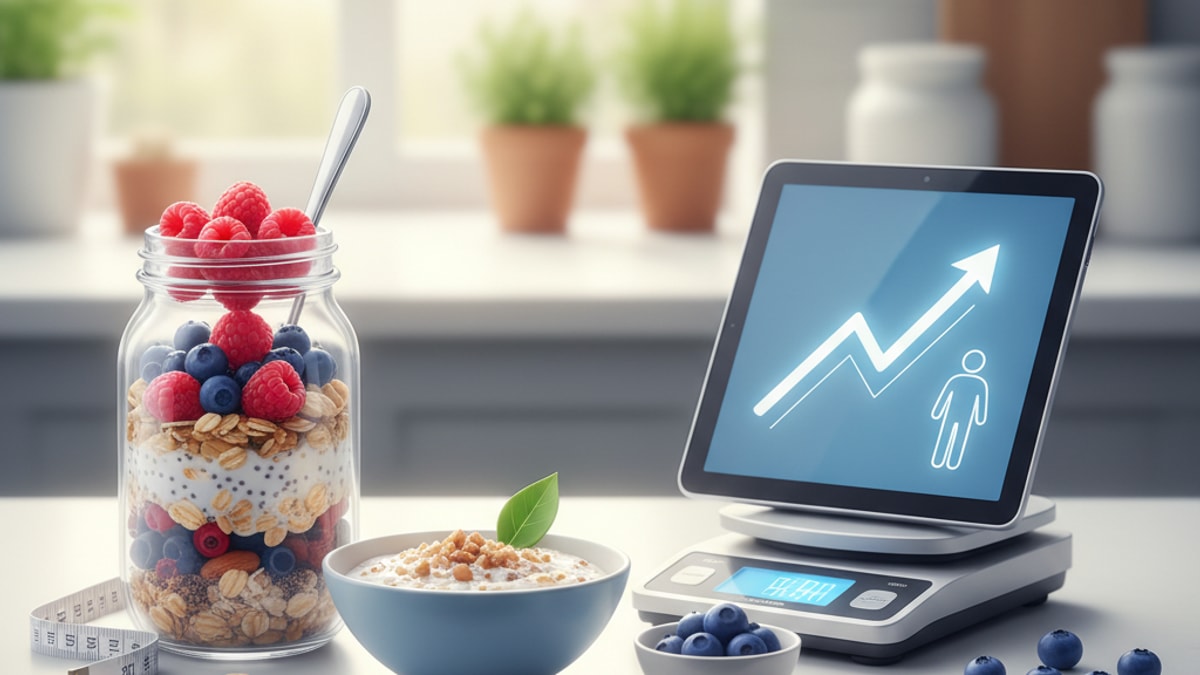
Let's be honest. The morning rush can be a nutritional battlefield. You're trying to get out the door, your energy is low, and the temptation to grab something quick—and often, something that completely derails your health goals—is immense. It's a daily struggle we hear about constantly from the people we work with. Amid this chaos, overnight oats have emerged as a shining beacon of hope: a simple, grab-and-go breakfast promising both convenience and health. But the big question remains, the one our team gets asked all the time: is overnight oats good for weight loss?
The short answer is a resounding yes, but with a major asterisk. They can be an absolutely formidable tool in your weight management arsenal. Or they can be a dessert masquerading as a health food, packed with enough sugar and fat to sabotage your progress before your day has even truly begun. The difference is all in the details—the ingredients, the portions, and the mindset. Here at TrimrX, where we focus on the intricate biology of weight loss, we see food not just as fuel, but as information for your body. Your breakfast sets the metabolic tone for the entire day, and we're here to show you how to make overnight oats work for you, not against you.
The Real Reason Oats Can Be a Weight Loss Powerhouse
It's not just about convenience. The true power of oats lies in their unique biochemical makeup. When you understand what’s happening inside your body after you eat them, their role in a weight loss journey becomes crystal clear. It's not magic; it's science.
First and foremost, let's talk about fiber. Oats are packed with a specific type of soluble fiber called beta-glucan. This isn't just any fiber. When beta-glucan mixes with liquid in your stomach, it forms a thick, gel-like substance. This gel does a few remarkable things. It dramatically slows down stomach emptying, which is a technical way of saying it keeps you feeling full and satisfied for hours. This isn't a fleeting feeling. It’s a deep, sustained satiety that helps crush those mid-morning cravings for snacks. Our experience shows that managing hunger is half the battle in any successful weight loss plan. When you're not constantly fighting hunger pangs, you can make better food choices throughout the day. It's a simple, powerful chain reaction.
Then there's the concept of resistant starch. This is fascinating. When oats are cooked and then cooled (the exact process of making overnight oats), some of their starches convert into a form that resists digestion in the small intestine. Instead, it travels to the large intestine, where it acts as a prebiotic, feeding the beneficial bacteria in your gut microbiome. A healthy gut is increasingly linked to better weight management, reduced inflammation, and improved metabolic health. This process also means you absorb fewer calories from the oats themselves. It’s a subtle but significant metabolic advantage.
The Blood Sugar Balancing Act You Can't Ignore
One of the most critical, non-negotiable elements of sustainable weight management is stable blood sugar. Think of your energy levels like a calm ocean versus a series of tidal waves. Sugary, refined-carbohydrate breakfasts (like pastries, sugary cereals, or even a plain bagel) cause a huge spike in blood sugar. Your body releases a flood of insulin to manage it, and what follows is the inevitable crash. That crash leaves you feeling tired, foggy, and desperately craving more sugar to bring your levels back up. It's a vicious cycle.
This is where overnight oats truly shine. That same beta-glucan gel we mentioned doesn't just promote fullness; it also slows the absorption of carbohydrates into your bloodstream. This leads to a much gentler, more gradual rise in blood sugar and insulin. No dramatic spike, no catastrophic crash. Just steady, reliable energy. This is profoundly important for weight loss.
For the patients we work with, many of whom are on GLP-1 treatments to help regulate these very systems, a breakfast that supports stable blood sugar is foundational. It complements the work the medication is doing, helping to improve insulin sensitivity and reduce overall hunger signaling. It’s about creating a holistic, supportive environment for your body to find its healthy weight. Food and medicine, when aligned, can produce a significant, sometimes dramatic shift.
The Calorie Catastrophe: How a Good Thing Goes Bad
Okay, now for the hard truth. We've seen countless well-intentioned people unknowingly turn their healthy breakfast into a calorie bomb. It's incredibly easy to do. The seemingly 'healthy' additions are often the biggest culprits. That's the asterisk we mentioned earlier.
A plain serving of oats with water or unsweetened almond milk is quite modest in calories. But let's build a typical bowl we see online:
- Start with oats.
- Add a big scoop of peanut butter for 'protein'.
- Pour in a generous drizzle of maple syrup or honey for 'natural sweetness'.
- Toss in a handful of dried cherries and walnuts.
- Maybe some chia seeds and a splash of whole milk.
Suddenly, your 200-calorie breakfast has morphed into a 600- or 700-calorie concoction. That's a full meal's worth of calories before 9 a.m. While the ingredients might be individually nutritious, the caloric density is simply too high for most people's weight loss goals. Portion distortion is a real, formidable challenge. We can't stress this enough: you must be mindful of your additions.
The biggest offenders are often fats and sugars. Nut butters, while healthy, are incredibly calorie-dense. A level tablespoon is great; a heaping scoop can add 200+ calories in an instant. Sweeteners like maple syrup, honey, and agave are still sugar. They impact your blood sugar and add empty calories. Dried fruit is another sneaky one—it's concentrated sugar, and it's easy to over-consume compared to fresh fruit.
Building the Perfect Weight Loss Bowl: Our Professional Blueprint
So, how do you build a bowl that truly supports your goals? It’s about being intentional. Here's what we've learned works best, a formula that prioritizes satiety, nutrient density, and metabolic health without the calorie overload.
-
The Base (The Foundation): Stick to old-fashioned rolled oats or steel-cut oats. They have a lower glycemic index than quick or instant oats, meaning they'll break down more slowly. A typical serving size for weight loss is 1/3 to 1/2 cup (dry). Measure it.
-
The Liquid (The Medium): Your best bets are water, unsweetened almond milk, or skim milk. They provide the necessary liquid without adding significant calories or sugar. A 1:1 ratio of oats to liquid is a good starting point.
-
The Protein Power-Up (Non-Negotiable): This is the most important step for turning oats from a simple carb dish into a balanced meal. Protein is the king of satiety. Adding a significant protein source will keep you full even longer and support muscle mass while you lose fat. Excellent choices include a scoop of high-quality protein powder (whey, casein, or a plant-based blend), or 1/2 cup of plain Greek yogurt (0% or 2% fat). Stir it in right with the oats and liquid.
-
The Fiber Boost (The Satiety Supercharger): Amplify the filling effects by adding one tablespoon of chia seeds or ground flaxseed. They'll absorb liquid, expand, and contribute to that thick, satisfying texture, all while adding healthy omega-3 fats and even more fiber.
-
The Flavor (Without the Sugar): This is where you can get creative without adding calories. Use spices generously. Cinnamon is a fantastic choice as it can help with blood sugar regulation. Nutmeg, cardamom, and vanilla extract are also wonderful. For sweetness, try a few drops of stevia or monk fruit extract, or simply rely on the natural sweetness from a small amount of fruit.
-
The Topping (The Finishing Touch): Think of toppings as a garnish, not a main ingredient. A small handful (about 1/4 cup) of fresh or frozen berries is perfect. They're low in sugar and packed with antioxidants. If you want nuts or seeds for crunch, measure out one tablespoon. That's it.
By following this blueprint, you create a meal that is high in protein, high in fiber, and controlled in calories and sugar. It’s a recipe for success.
Ingredient Comparison: The Smart vs. The Saboteurs
To make it even clearer, our team put together this quick-reference table. It helps visualize the choices that support your weight loss journey versus those that can hinder it.
| Category | Weight-Loss Friendly Choices | Use with Extreme Caution | Why It Matters |
|---|---|---|---|
| Oat Base | Rolled Oats, Steel-Cut Oats | Instant Oats, Flavored Oatmeal Packets | Lower glycemic index oats provide slower energy release and prevent blood sugar spikes. Packets are often loaded with sugar. |
| Liquid | Water, Unsweetened Almond/Soy Milk, Skim Milk | Whole Milk, Sweetened Plant Milks, Juice | Unsweetened liquids hydrate the oats without adding significant calories or sugar. Whole milk adds fat; juices add pure sugar. |
| Protein Source | Plain Greek Yogurt, Protein Powder, Cottage Cheese | Flavored Yogurt, No Protein Added | Protein is critical for satiety. Adding 20-30g of protein transforms oats into a complete meal that keeps you full for hours. |
| Sweetener | Stevia, Monk Fruit, Cinnamon, Fresh Berries | Maple Syrup, Honey, Agave, Brown Sugar, Jam | Natural zero-calorie sweeteners and spices provide flavor without impacting blood sugar. Liquid sugars are calorically dense. |
| Toppings | Fresh Berries, 1 Tbsp Nuts/Seeds, 1 Tbsp Chia/Flax | Dried Fruit, Granola, Chocolate Chips, Coconut Flakes | Toppings should add nutrients and texture, not just calories. Dried fruit and granola are often very high in sugar and fat. |
Integrating Oats into a Truly Holistic Plan
Here’s the thing. Even the most perfectly constructed bowl of overnight oats is just one piece of a much larger puzzle. You can't eat a perfect breakfast and then disregard nutrition for the rest of the day. Sustainable weight loss is about your total daily energy balance and creating a consistent pattern of healthy habits.
That's the reality. It all comes down to a comprehensive strategy.
Overnight oats are an excellent tool because they help you win the morning. They set you up for success, providing stable energy and reducing the likelihood of making poor choices later. But they must exist within a framework of mindful eating, regular physical activity, and adequate sleep.
For many people, building these habits is enough to see progress. But for others, especially those with underlying metabolic challenges or significant weight to lose, biology can be a formidable obstacle. Relentless hunger signals and metabolic resistance can make it feel like an uphill battle, no matter how perfect your diet is. This is precisely where a medical approach can provide the necessary support to bridge the gap.
At TrimrX, we help our patients leverage tools like GLP-1 medications to quiet that biological 'noise.' These treatments help regulate appetite and improve how the body processes sugar, which allows the healthy habits—like eating a balanced breakfast of overnight oats—to finally take hold and deliver real, lasting results. It’s not about replacing a healthy lifestyle; it's about making a healthy lifestyle possible. If you feel like you've been doing everything right but are still struggling to see the results you deserve, it might be time to consider a more comprehensive approach. You can learn more and see if you're a candidate when you Take Quiz on our site.
Our Team’s Go-To Weight Loss Recipes
To get you started, here are a few simple, delicious, and metabolically-supportive combinations our team loves.
-
The Chocolate Peanut Butter Power Bowl: 1/2 cup rolled oats, 1 scoop chocolate protein powder, 1 tbsp powdered peanut butter (less fat than regular), 1 tbsp chia seeds, 1 cup unsweetened almond milk. Mix and refrigerate. Top with a few fresh raspberries before eating.
-
The Apple Pie Spice Bowl: 1/2 cup rolled oats, 1/2 cup plain Greek yogurt, 1/2 cup water, 1 scoop vanilla protein powder, 1 tsp cinnamon, 1/4 tsp nutmeg. Mix and refrigerate. In the morning, top with 1/4 cup finely diced apple.
-
The Berry Antioxidant Blast: 1/2 cup rolled oats, 1 tbsp ground flaxseed, 1 scoop unflavored or vanilla protein powder, 1 cup skim milk. Mix and refrigerate. Top with a 1/2 cup of mixed berries (blueberries, strawberries, blackberries) before serving.
These recipes are balanced, delicious, and perfectly aligned with a weight loss strategy.
So, is overnight oats good for weight loss? Absolutely. When made correctly, they are a superb tool for managing hunger, stabilizing blood sugar, and starting your day with a nutrient-dense meal. They are a breakfast that can simplify your mornings and profoundly support your health goals. The key is to treat them not as a magic potion, but as one strategic part of your larger, personalized plan for a healthier life. It's about being the architect of your breakfast, not just a passive consumer. And for those who need a more powerful set of tools to overcome biological hurdles, remember that support is available. You can Start Your Treatment whenever you're ready to take that next step.
Frequently Asked Questions
Can I use steel-cut oats for overnight oats?
▼
Yes, you can, but the texture will be much chewier. We recommend a ‘quick-cook’ steel-cut oat or soaking them for at least 10-12 hours. For a creamier texture, rolled oats are generally the preferred choice for this preparation method.
How long do overnight oats last in the refrigerator?
▼
When stored in an airtight container, overnight oats are typically good for 3 to 5 days. Our team finds they are at their best within the first 3 days. This makes them perfect for meal prepping a few days’ worth of breakfasts at once.
Is it okay to eat overnight oats every single day for weight loss?
▼
Yes, it can be, provided your recipe is balanced with protein and fiber and you enjoy it. However, we always recommend dietary variety to ensure you’re getting a wide range of micronutrients. You might consider alternating with other high-protein options like eggs or a Greek yogurt bowl.
Do I have to use protein powder in my overnight oats?
▼
No, it’s not mandatory, but we strongly recommend a significant protein source. If you don’t use protein powder, plain Greek yogurt or cottage cheese are excellent alternatives to ensure the meal is balanced and keeps you full.
Will overnight oats make me feel bloated?
▼
For some people, a sudden increase in fiber can cause temporary bloating. If you’re new to high-fiber foods, we suggest starting with a smaller portion and gradually increasing it. Also, ensure you’re drinking plenty of water throughout the day.
Can I use water instead of milk for my overnight oats?
▼
Absolutely. Using water is a great way to reduce the overall calorie count of your breakfast. The final result won’t be as creamy, but it’s a perfectly healthy and effective option for weight management.
Are gluten-free oats a good choice for this?
▼
Yes, if you have a gluten sensitivity or celiac disease, using certified gluten-free rolled oats works exactly the same way. The nutritional profile and benefits for weight loss are virtually identical.
Can I warm up my overnight oats?
▼
You certainly can. While they are designed to be eaten cold, you can gently warm them in the microwave for 30-60 seconds if you prefer a hot breakfast. This won’t negatively impact their nutritional benefits.
What’s the best type of container to use?
▼
Our team recommends using a glass jar with a secure lid, like a Mason jar. Glass doesn’t stain or retain odors, and the lid prevents spills, making it the perfect grab-and-go option for busy mornings.
Why are chia seeds so often recommended in overnight oats recipes?
▼
Chia seeds are a nutritional powerhouse. They absorb many times their weight in liquid, which creates a thick, pudding-like texture. They also add a significant boost of fiber, protein, and healthy omega-3 fatty acids, all of which are fantastic for satiety and overall health.
Is adding a tablespoon of peanut butter okay for weight loss?
▼
A single, measured tablespoon can be a good source of healthy fats and add flavor. The danger is in ‘eyeballing’ the amount, as it’s very calorie-dense. We suggest using powdered peanut butter for a similar flavor with far fewer calories and fat.

Transforming Lives, One Step at a Time
Keep reading

Do You Need a Prescription for GLP-1s? The 2026 Answer
Wondering ‘do you need a prescription for glp 1’ in 2026? Yes. We explain why a doctor’s oversight is critical for safe, effective results.

How to Get GLP-1 Covered By Insurance: Our 2026 Playbook
Struggling with how to get glp-1 covered by insurance? Our 2026 guide breaks down prior authorizations, appeals, and documentation.

Traveling with GLP-1s in 2026: Your Essential Trip-Proof Plan
Don’t let travel disrupt your GLP-1 treatment. Learn how to travel with glp 1 medications safely and stress-free in our 2026 expert guide.


