Is Ozempic Weight Loss Permanent? Understanding the Long-Term Effects of This Popular Medication
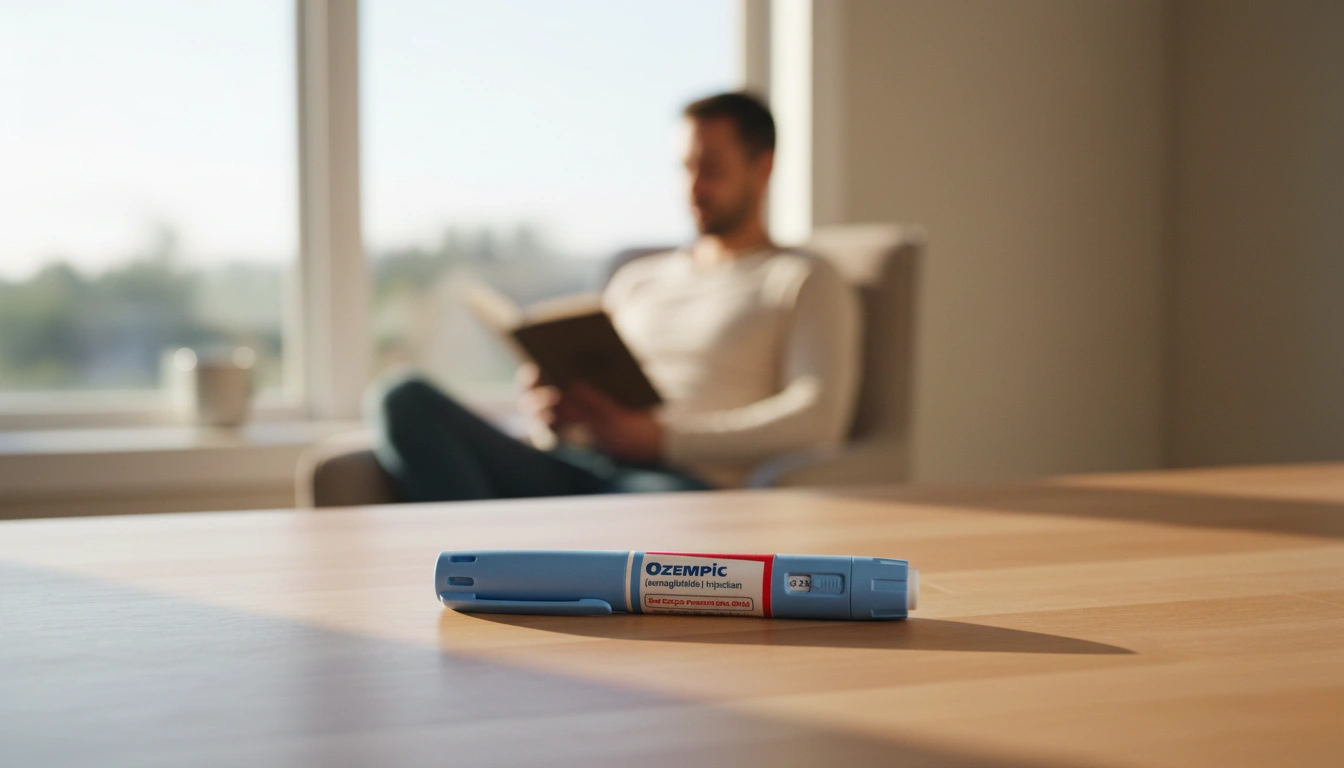
Introduction
Have you ever wondered what happens to the weight you lose when you stop taking a medication like Ozempic? With so much buzz surrounding this drug, especially in the context of weight loss, it’s a question that many individuals are eager to answer. Recent statistics show that over 15 million people in the United States have been prescribed Ozempic, a medication primarily used to manage Type 2 diabetes but increasingly recognized for its weight loss effects. This raises an important question: is Ozempic weight loss permanent?
In this blog post, we will explore the intricacies of Ozempic, how it affects weight loss, and what happens when patients stop taking the medication. We will also discuss the importance of lifestyle changes in conjunction with medication use and why a long-term strategy is vital for maintaining weight loss. By the end of this post, you’ll have a clearer understanding of the relationship between Ozempic and weight management, as well as practical insights into effective weight loss strategies.
The journey of weight loss is often fraught with challenges, and for many, finding an effective solution can feel overwhelming. Ozempic (semaglutide) has emerged as a popular option among individuals seeking to shed pounds, but the question of its long-term efficacy remains. As we delve into the complexities of this medication, we will discuss the science behind how Ozempic works, the factors that influence weight retention, and what you can do to maximize your chances of maintaining your weight loss.
The purpose of this article is to provide a comprehensive overview of Ozempic as a weight loss solution, focusing on the permanence of weight loss achieved through its use. We will examine the medication’s mechanism of action, the role of lifestyle changes in weight management, and the implications of discontinuing treatment. Together, we’ll explore the multifaceted nature of weight loss and the importance of a holistic approach.
What You Will Learn
- The mechanism of action of Ozempic and how it aids in weight loss.
- The significance of lifestyle modifications in conjunction with medication.
- The potential for weight regain after stopping Ozempic and the factors that influence this.
- Practical tips for long-term weight management after discontinuing medication.
As we embark on this exploration, we hope to empower you with knowledge that can aid you in your weight loss journey—whether you are considering Ozempic or are already on it.
Understanding Ozempic: How It Works
Ozempic is an injectable medication that mimics the effects of a hormone called GLP-1 (glucagon-like peptide-1). This hormone is naturally produced in the gut and plays a crucial role in regulating appetite, food intake, and insulin secretion. By activating GLP-1 receptors, Ozempic helps to:
- Reduce Appetite: It signals to the brain that you are full, which can help decrease overall food intake.
- Slow Gastric Emptying: This means that food stays in the stomach longer, leading to prolonged feelings of fullness.
- Enhance Insulin Sensitivity: Ozempic improves the body’s response to insulin, which can lead to better management of blood sugar levels.
While originally approved for managing Type 2 diabetes, patients have found that Ozempic can also facilitate significant weight loss—often in conjunction with lifestyle changes such as improved diet and increased physical activity.
The Role of Lifestyle Changes
Although Ozempic can be effective in promoting weight loss, it’s important to emphasize that it is not a standalone solution. At TrimRx, we believe in a comprehensive approach to weight loss that integrates personalized care with sustainable lifestyle adjustments. Our mission is to empower individuals to embrace healthier lifestyles by combining advanced medical science with empathetic support.
- Nutrition: Adopting a balanced diet that focuses on whole foods can enhance the effectiveness of Ozempic. Incorporating lean proteins, fruits, vegetables, and whole grains can lead to better weight management.
- Physical Activity: Regular exercise is crucial not only for weight loss but also for overall health. Engaging in physical activity can help burn calories, build muscle mass, and improve metabolic health.
- Behavioral Modifications: Developing healthier habits, such as mindful eating and stress management techniques, can significantly influence weight retention after stopping medication.
Why Lifestyle Changes Matter
Research indicates that individuals who incorporate consistent lifestyle changes are more likely to maintain their weight loss over time. According to a study published in the journal Obesity, participants who combined lifestyle interventions with medication were more successful in sustaining weight loss compared to those who relied solely on medication.
The Temporary Nature of Weight Loss with Ozempic
While many individuals experience impressive weight loss results while using Ozempic, it’s important to understand that these results may not be permanent if the medication is discontinued. Several studies have highlighted the tendency for individuals to regain weight after stopping Ozempic.
The Weight Regain Phenomenon
- Body’s Response to Discontinuation: When individuals stop taking Ozempic, their appetite may return to pre-treatment levels. This is because the medication’s appetite-suppressing effects cease, and cravings can re-emerge.
- Set Point Theory: This theory suggests that the body has a predetermined weight range it strives to maintain. When weight is lost, the body may react by increasing hunger signals and decreasing energy expenditure, making it more challenging to maintain weight loss.
- Individual Variability: Each person’s experience with weight regain can differ. Factors such as genetics, lifestyle habits, and psychological factors can all influence how well a person maintains their weight after stopping Ozempic.
Evidence from Clinical Trials
Clinical trials have shown that a significant number of participants regain weight after discontinuing Ozempic. For instance, a study involving semaglutide found that participants regained about two-thirds of their weight loss within a year of stopping treatment. This underscores the importance of a long-term strategy that includes ongoing lifestyle modifications.
Strategies for Long-Term Weight Management
Understanding the dynamics of weight loss and the potential for regain after stopping Ozempic can help us develop effective strategies for long-term weight management. Here are some actionable tips:
- Gradual Tapering of Medication: If you and your healthcare provider decide to discontinue Ozempic, consider tapering the dosage rather than stopping abruptly. This may help mitigate the rebound effects on appetite.
- Focus on Nutrition: Continuing to prioritize a balanced diet rich in nutrients can help manage weight after stopping Ozempic. Meal planning and preparing healthy snacks can prevent impulsive eating.
- Stay Active: Regular physical activity should remain a cornerstone of your weight management plan. Aim for a mix of cardiovascular exercises, strength training, and flexibility workouts to promote overall health and maintain muscle mass.
- Regular Monitoring: Keep track of your weight and body composition to identify trends. Regular check-ins with a healthcare provider or a weight-loss support group can provide accountability and encouragement.
- Mindful Eating Practices: Cultivating awareness around food choices can help you maintain a healthy relationship with eating. Techniques such as intuitive eating or mindful eating can promote better portion control and satisfaction with meals.
Conclusion
In our exploration of the question, is Ozempic weight loss permanent?, it’s clear that while the medication can facilitate significant weight loss, maintaining those results requires a dedicated and multifaceted approach. Ozempic is a valuable tool, but it’s not a magic solution.
By integrating lifestyle changes—such as improved nutrition, regular physical activity, and mindful eating practices—individuals can enhance their chances of sustaining weight loss over the long term. At TrimRx, we are committed to supporting each individual’s unique weight loss journey through personalized care and evidence-based solutions.
As we conclude, we encourage you to reflect on your own weight loss goals. Are you considering Ozempic? Have you experienced weight loss with the medication? Remember, the journey to health and wellness is a partnership, and we are here to support you every step of the way.
FAQ
What is the primary function of Ozempic?
Ozempic is primarily used to manage Type 2 diabetes by mimicking the hormone GLP-1, which regulates appetite and insulin secretion.
Can I maintain weight loss after stopping Ozempic?
While some individuals may retain a portion of their weight loss, many experience weight regain due to the return of appetite and cravings once the medication is discontinued.
What should I do if I stop taking Ozempic?
Focus on maintaining healthy lifestyle changes, including a balanced diet and regular physical activity. Consulting with a healthcare provider for a tailored plan can be beneficial.
How does Ozempic impact appetite?
Ozempic reduces appetite by signaling the brain to feel full longer, which can help decrease overall food intake.
Are there any side effects associated with Ozempic?
Common side effects may include nausea, vomiting, and gastrointestinal discomfort. It’s essential to discuss any concerns with your healthcare provider.
If you’re interested in exploring personalized weight loss solutions or want to see if you qualify for prescription weight loss medications, we invite you to take our free assessment quiz here. Additionally, don’t miss out on our GLP-1 Daily Support and Weight Loss Boost supplements, available for immediate purchase to support your wellness journey: GLP-1 Daily Support | Weight Loss Boost.

Transforming Lives, One Step at a Time
Keep reading

What to Do If Your Ozempic Pen Malfunctions
You’ve set aside time for your weekly injection, you pick up the pen, and something isn’t right. Maybe the dose button won’t push down,…

Ozempic and Water Retention: What Patients Notice
Water retention on Ozempic sits in a confusing middle ground. Some patients notice puffiness or swelling, particularly in the hands, feet, or ankles, while…

Ozempic and Heartburn: Managing Acid Reflux on GLP-1
Heartburn on Ozempic tends to surprise people. You’re eating less, your meals are smaller, and yet you’re experiencing more acid reflux than before. It…


