Is Peanut Butter Good for Weight Loss? An Expert Medical Breakdown
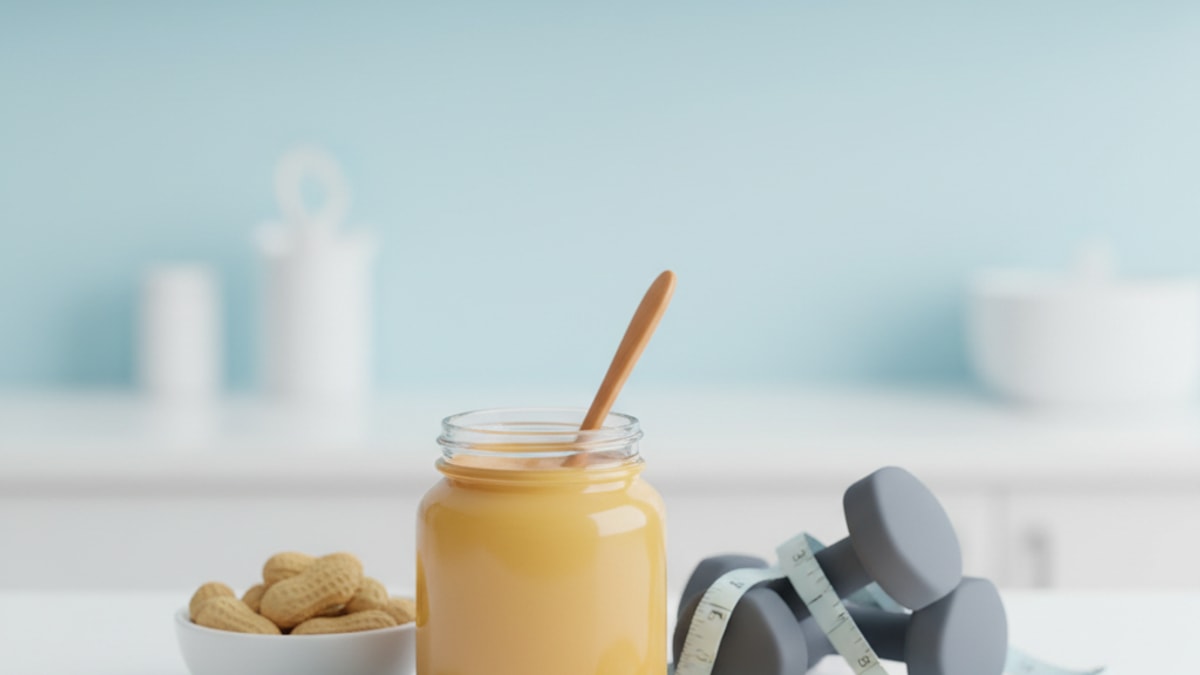
Is Peanut Butter Good for Weight Loss?
It’s a question that feels almost too good to be true. Can that creamy, comforting, and utterly delicious spread actually be a partner in your weight loss journey? We've all been there, standing in the kitchen with a spoon, wrestling with the thought. On one hand, it’s packed with protein and healthy fats. On the other, the calorie count can be formidable.
So, is peanut butter good for weight loss? The short answer is yes, it absolutely can be. The long answer, however, is far more nuanced and depends entirely on a few critical factors: the type you choose, how much you eat, and—most importantly—how it fits into your overall health strategy. Our team at TrimrX has spent years guiding patients through the complexities of nutrition within medically supervised weight loss programs, and we've seen firsthand how calorie-dense foods like peanut butter can either become a powerful tool for satiety or a quiet saboteur. Let’s get into it.
The Nutritional Power Hiding in the Jar
Before we can label peanut butter as 'good' or 'bad,' we need to look under the lid. What’s actually in there? At its core, pure peanut butter is simply roasted peanuts ground into a paste. That’s it. This simple food is a nutritional powerhouse, and understanding its components is the first step to using it wisely.
First, let’s talk about the fat content. This is where most people get nervous. A standard two-tablespoon serving of peanut butter contains around 16 grams of fat. But here's what's crucial: the majority of this is monounsaturated and polyunsaturated fat. These are the 'good' fats, similar to those found in olive oil and avocados. Our bodies need them. These fats are essential for hormone production, vitamin absorption, and maintaining cellular health. They also play a significant role in making you feel full and satisfied, which is a massive advantage when you're trying to manage your calorie intake.
Then there’s the protein. That same serving packs about 7-8 grams of plant-based protein. This is a big deal for weight loss. Protein is more thermogenic than fats or carbs, meaning your body burns more calories just digesting it. It's also critical for preserving lean muscle mass while you're losing fat. When you’re in a calorie deficit, your body can start breaking down muscle for energy, which slows down your metabolism. A steady protein intake helps prevent this. It’s a non-negotiable part of any successful weight loss plan.
And we can't forget about fiber. Peanut butter provides a decent dose of dietary fiber, around 2 grams per serving. Like protein and healthy fats, fiber slows down digestion. This helps stabilize blood sugar levels, preventing the dramatic spikes and crashes that lead to cravings and energy slumps. That feeling of sustained energy and fullness is exactly what you need to avoid reaching for sugary, empty-calorie snacks between meals.
It’s a powerful combination. Fat, protein, and fiber work together as a triple-threat against hunger. This is the core reason why a small amount of peanut butter can be so much more satisfying than a larger, carb-heavy snack. It sticks with you.
How Peanut Butter Can Genuinely Support Your Weight Loss
It seems counterintuitive, right? A high-calorie food helping with weight loss? But our experience shows that when used correctly, it absolutely does. It all comes down to the concept of satiety—the feeling of being full and satisfied.
This is where peanut butter shines. A study published in the British Journal of Nutrition found that people who ate peanuts or peanut butter for breakfast felt significantly more satisfied and had less desire to eat for up to 12 hours compared to those who didn't. They also experienced a smaller rise in blood sugar. Think about that. Starting your day with something that keeps you full and your cravings in check can completely change your eating patterns for the rest of the day.
It's a strategic move. Instead of fighting off relentless hunger pangs with willpower alone, you’re using nutrition to work with your body’s signals. We often tell our patients that sustainable weight loss isn't about deprivation; it's about making smarter choices that keep you satisfied. A spoonful of peanut butter on an apple is far more likely to prevent a mid-afternoon binge on cookies than a rice cake ever will.
Another key benefit is its role as a healthy swap. Craving something sweet and rich? Instead of ice cream or a candy bar, a small amount of peanut butter can hit the spot. It provides that decadent mouthfeel and flavor profile but delivers valuable nutrients instead of empty calories and sugar. This psychological component is huge. Feeling like you can still enjoy foods you love makes a weight loss plan feel less like a punishment and more like a lifestyle you can actually stick with. It's about finding pleasure in foods that also serve your body well.
The Danger Zone: When Peanut Butter Becomes the Problem
Let’s be honest, though. There's a dark side. We’ve all seen how easily a well-intentioned spoonful can turn into half the jar. This is where peanut butter's biggest strength—its delicious, calorie-dense nature—becomes its greatest weakness.
The number one pitfall is portion control. A serving is two tablespoons. That's about the size of a ping-pong ball. It's not a lot. Most of us, when we're not paying attention, can easily scoop out three or four times that amount. At roughly 190-200 calories per serving, that adds up incredibly fast. Mindless eating straight from the jar is the quickest way to turn a healthy snack into a major calorie bomb that completely derails your progress.
We can't stress this enough: you must measure it. Use a measuring spoon. Don't eyeball it. This single habit is the difference between peanut butter being your ally and being your enemy.
The second major issue is the type of peanut butter you choose. The modern grocery store aisle is a sprawling landscape of options, and many of them are nutritional traps. A lot of big-name brands are loaded with added sugars, hydrogenated oils (unhealthy trans fats), and a host of other unnecessary ingredients. They're engineered to be hyper-palatable, which makes overeating them even easier.
Always, always read the label. What you want to see in the ingredients list is simple: 'peanuts' and maybe 'salt.' That's it. If you see sugar, corn syrup, molasses, or any type of 'hydrogenated' or 'partially hydrogenated' oil, put it back on the shelf. Those additives negate the health benefits and add empty calories and unhealthy fats that work directly against your goals.
Peanut Butter Showdown: What to Look For
To make it crystal clear, our team put together a simple comparison. This is what you should be looking for on the nutrition label.
| Feature | The Smart Choice (Natural Peanut Butter) | The Saboteur (Conventional Processed Peanut Butter) |
|---|---|---|
| Ingredients | Peanuts, Salt (optional) | Peanuts, Sugar, Hydrogenated Vegetable Oils, Salt, Molasses |
| Sugar Content | 1-2g (naturally occurring) | 3-5g or more (from added sugars) |
| Fat Type | Primarily healthy monounsaturated fats | Contains unhealthy trans fats from hydrogenated oils |
| Consistency | Natural oil separation occurs; needs stirring | Homogenized and smooth; no stirring needed due to additives |
| Satiety Factor | High; keeps you full with natural fats and protein | Lower; added sugars can trigger more cravings |
Looking at this, the choice becomes obvious. The extra minute it takes to stir natural peanut butter is a tiny price to pay for a much healthier product that truly supports your body.
A Broader Perspective: Food is Just One Piece of the Puzzle
Here at TrimrX, we see the whole picture. While optimizing your peanut butter choice is a great step, it’s still just one small detail in the complex biology of weight loss. For many people, especially those who have struggled for years, the issue goes far deeper than just managing calories or choosing the right foods.
It often involves metabolic and hormonal factors that make weight loss feel like an impossible, uphill battle. Your body's own signaling systems—like appetite hormones and insulin resistance—can work against you, creating intense cravings and making it incredibly difficult to feel full, even when you've eaten enough. This is where a medically supervised approach can create a significant, sometimes dramatic shift.
Our programs utilize advanced GLP-1 medications like Semaglutide and Tirzepatide. These aren't just 'diet pills.' They are sophisticated treatments that work with your body's natural systems. They help regulate your appetite at a biological level, reduce 'food noise' (that constant thinking about your next meal), and improve how your body processes sugar. This provides the foundational support that makes healthy habits—like sticking to a single serving of peanut butter—feel natural and effortless rather than a constant struggle of willpower.
When your biology is on your side, building a healthy relationship with food becomes infinitely easier. You can enjoy a measured portion of peanut butter for its nutritional benefits and taste without feeling the compulsive urge to overeat. It allows you to focus on nourishment, not restriction. If you've been on the diet rollercoaster and feel like something more fundamental is at play, we encourage you to Take Quiz on our site. It’s the first step to understanding if a medical approach could be the key to unlocking sustainable results for you.
Practical Ways to Make Peanut Butter Work for You
Alright, so you’ve bought the good stuff (just peanuts and salt!) and you’ve got your measuring spoons ready. How do you incorporate it into your diet in a way that helps, not hurts?
Our team recommends a few tried-and-true strategies:
-
Pair It with Fiber and Water: Don't eat it straight from the spoon. The best way to maximize its satisfying power is to pair it with something high in fiber and water content. Think apple slices, celery sticks, or a whole-grain cracker. This combination adds volume and nutrients for very few extra calories, making your snack even more filling.
-
Blend It into a Smoothie: Adding a tablespoon of peanut butter to your morning protein shake is a fantastic way to include healthy fats and make it taste amazing. It will keep you feeling full and energized straight through until lunch.
-
Use It as a Flavor Base: Instead of high-sugar sauces, try whisking a little peanut butter with soy sauce, lime juice, and a touch of water to create a delicious and healthy dressing for salads or a sauce for chicken or tofu. It adds a ton of flavor without the junk.
-
Consider Powdered Peanut Butter: This has become a game-changer for many of our patients. Powdered peanut butter is made by pressing most of the natural oils out of roasted peanuts and then grinding them into a fine powder. The result is a product with all the protein but about 85% fewer fat calories. You can mix it with water to create a spread, or add the powder directly to oatmeal, yogurt, or smoothies. It delivers that roasted peanut flavor for a fraction of the calories.
-
Make It a Post-Workout Snack: The combination of protein and healthy fats is perfect for replenishing your energy and helping your muscles recover after exercise. A small, well-timed snack can make a big difference in your fitness results and prevent you from becoming ravenously hungry later on.
Ultimately, it's about being mindful and intentional. Don't eat it while distracted, watching TV, or standing in front of the open pantry. Put your measured portion on a plate, sit down, and savor it. This simple act of mindfulness can transform your relationship with all calorie-dense foods.
This is the kind of sustainable habit-building that we champion. It’s not about banning foods; it’s about learning how to integrate them intelligently into a healthier lifestyle. For those who are ready to stop the cycle of dieting and address the root causes of weight gain, our medical team is here to create a comprehensive plan that goes beyond just food choices. When you're ready to take that next step, you can Start Your Treatment with us.
So, back to our original question. Is peanut butter good for weight loss? The definitive answer from our experts is a resounding yes—with conditions. It demands respect for portion sizes and careful selection of the product itself. When you treat it as the powerful, satisfying, and nutrient-dense tool that it is, it can be a delicious and incredibly effective part of your success story. Forget the guilt. Embrace the strategy.
Frequently Asked Questions
How much peanut butter can I eat per day for weight loss?
▼
We generally recommend sticking to one serving, which is two tablespoons, per day. This provides the benefits of satiety and nutrients without overloading your daily calorie budget. Consistency and portion control are key.
Is natural peanut butter really that much better for you?
▼
Yes, it absolutely is. Natural peanut butter avoids added sugars and unhealthy hydrogenated oils (trans fats) found in many conventional brands. Always check the label for an ingredient list that says just ‘peanuts’ and maybe ‘salt’.
What is the best time of day to eat peanut butter for weight loss?
▼
Many people find eating it with breakfast helps curb hunger throughout the day. It can also be an effective post-workout snack to aid muscle recovery or a satisfying evening snack to prevent late-night cravings.
Will eating the fat in peanut butter make me fat?
▼
No, eating healthy fats does not inherently make you fat. The monounsaturated fats in peanut butter are good for your health and promote satiety. Weight gain is caused by a consistent surplus of calories, not by a single nutrient.
Is powdered peanut butter a good option for weight loss?
▼
It can be an excellent tool. Since most of the oil is removed, it has significantly fewer calories and fat while retaining most of the protein. It’s great for adding peanut flavor to smoothies, yogurt, or oatmeal for a lower calorie count.
Can I eat peanut butter if I’m on a GLP-1 medication like Semaglutide?
▼
Yes. In fact, GLP-1s help regulate appetite, which can make it easier to stick to a proper portion of calorie-dense foods like peanut butter. It’s a great example of how medical treatments can support healthier eating habits.
What should I pair peanut butter with for a healthy snack?
▼
Our team suggests pairing it with high-fiber foods. Apple slices, celery sticks, whole-grain toast, or mixing it into Greek yogurt are all excellent choices that maximize fullness and nutritional value.
Does crunchy or creamy peanut butter make a difference for weight loss?
▼
Nutritionally, the difference between crunchy and creamy is negligible. Choose the one you prefer, as long as you’re selecting a natural version without added sugars or oils. Adherence is more important than texture.
Why do I have to stir natural peanut butter?
▼
The oil separation is a good sign! It means there are no added emulsifiers or hydrogenated oils designed to keep it solid at room temperature. A quick stir incorporates the healthy, natural peanut oil back into the paste.
Can peanut butter help me build muscle while losing weight?
▼
Yes, its protein content is valuable for muscle protein synthesis. Consuming adequate protein, like the 7-8 grams in a serving of peanut butter, is crucial for preserving lean muscle mass while you’re in a calorie deficit.
Is almond butter better than peanut butter for weight loss?
▼
Both are great options with similar calorie counts. Almond butter has slightly more fiber, vitamin E, and monounsaturated fat, while peanut butter has a little more protein. The best choice is a natural version of whichever you enjoy more.
How do I stop myself from eating the whole jar?
▼
This is a common struggle. The key is to never eat directly from the jar. Always use a measuring spoon to portion out a serving onto a plate or into a small bowl, then put the jar away before you start eating.

Transforming Lives, One Step at a Time
Keep reading

Do You Need a Prescription for GLP-1s? The 2026 Answer
Wondering ‘do you need a prescription for glp 1’ in 2026? Yes. We explain why a doctor’s oversight is critical for safe, effective results.

How to Get GLP-1 Covered By Insurance: Our 2026 Playbook
Struggling with how to get glp-1 covered by insurance? Our 2026 guide breaks down prior authorizations, appeals, and documentation.

Traveling with GLP-1s in 2026: Your Essential Trip-Proof Plan
Don’t let travel disrupt your GLP-1 treatment. Learn how to travel with glp 1 medications safely and stress-free in our 2026 expert guide.


